
1. Brazil
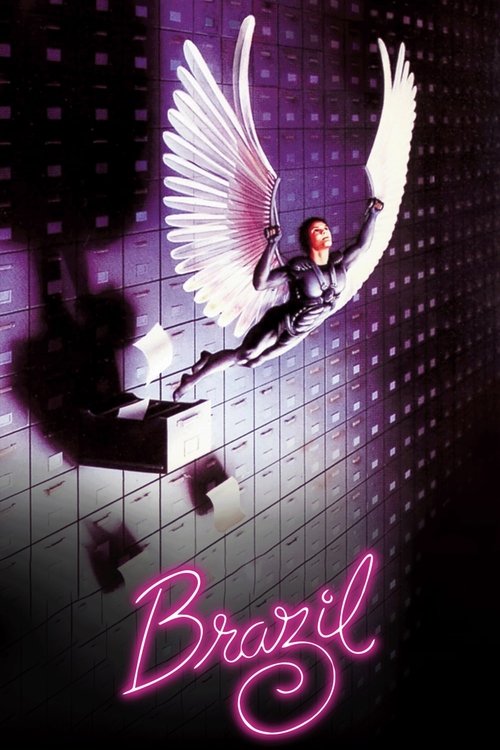
Terry Gilliam's 1985 masterpiece, Brazil, is perfect for VR. You could literally wander through its retro-futuristic, bureaucratic nightmare, feeling the grime and the grandeur. The dream sequences, where Sam Lowry flies, would be breathtaking in first-person, perhaps even AI-driven to react to your emotional state. It'd be wild to navigate those endless corridors and experience the surreal humor and terror up close. A truly immersive, slightly claustrophobic, and visually stunning journey.

2. Dark City
Dark City (1998) is a dream for VR. Imagine exploring that perpetually shifting cityscape, where buildings literally grow and change around you, controlled by AI. Being one of the citizens, constantly losing and gaining memories, would be an incredibly disorienting yet captivating narrative. The atmospheric noir aesthetic would feel so real, making you question your own reality alongside the characters. It’s got that perfect blend of mystery and existential dread for an immersive experience.

3. Primer
Shane Carruth's 2004 indie gem, Primer, with its dense time travel mechanics, is begging for a VR narrative. Imagine being inside those experimental boxes, experiencing the temporal shifts firsthand. AI could dynamically adjust the narrative branches, making the paradoxes and branching timelines incredibly personal and even more mind-bending. You’d truly feel the intricate, confusing, yet brilliant layers of its plot, trying to untangle what's real and what's a recursive loop.

4. Coherence
Coherence (2014) is a perfect fit for a VR experience, turning a simple dinner party into a quantum nightmare. The claustrophobic setting would feel incredibly intimate, then profoundly unsettling as reality fractures. AI could generate subtle, unique variations of characters and environments, making you constantly question which version of your friends you're interacting with. Every glance in a mirror or step outside would be a new, unnerving discovery, pushing the psychological tension.
5. Gattaca
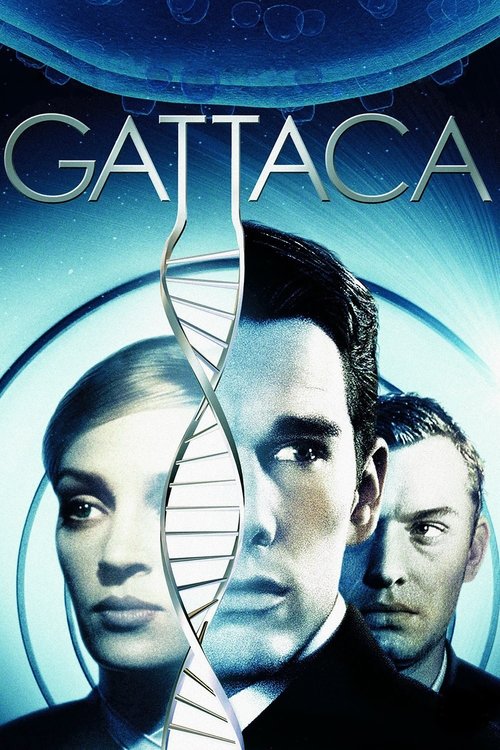
Gattaca (1997) offers a visually stunning, emotionally charged world perfect for VR. You could embody Vincent, feeling the intense pressure of navigating a genetically determined society as an 'in-valid.' AI could drive the pervasive surveillance, subtly altering environmental cues or character reactions based on your perceived genetic status. It would make his struggle for identity and acceptance incredibly visceral, letting you truly feel the weight of societal judgment in every pristine corridor.
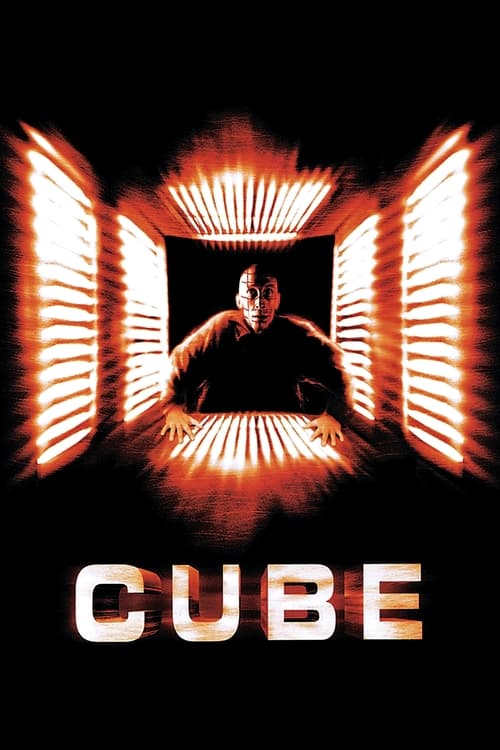
6. Cube
Cube (1998) is a no-brainer for VR. Imagine being trapped in that shifting, deadly, geometric prison, with every cube a potential death trap. The claustrophobia and tension would be absolutely immense. AI could dynamically generate the internal structure and trap sequences, ensuring every playthrough is a unique, terrifying puzzle. It would push your spatial reasoning and survival instincts to their absolute limits, making the escape feel incredibly earned... or brutally denied.
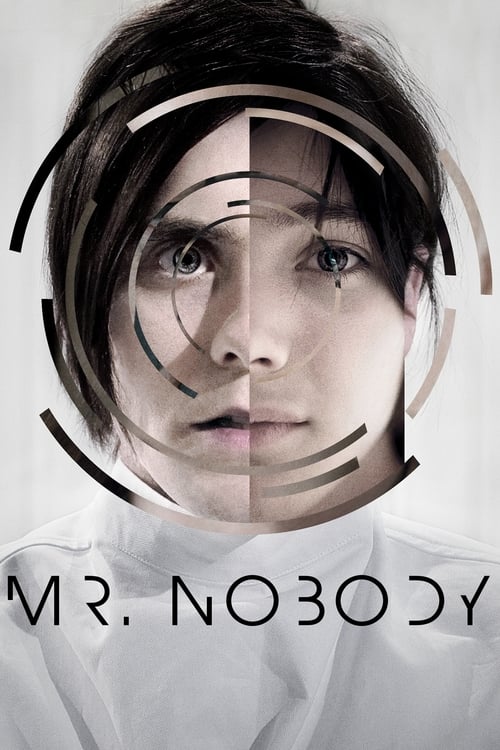
7. Mr. Nobody
Mr. Nobody (2009) is a deeply philosophical journey perfect for VR, letting you explore the infinite possibilities of a life's choices. You could stand at every pivotal crossroads, experiencing the divergent paths and their consequences firsthand. AI could intricately weave together these branching narratives, making every decision feel monumental and allowing you to truly inhabit Nemo’s many potential lives. It's about feeling the weight of choice in a profoundly personal, non-linear way.

8. eXistenZ
David Cronenberg’s eXistenZ (1999) is practically a blueprint for VR, playing with layers of reality within a game. Imagine plugging into its organic game pods, then experiencing a VR within that VR, where the lines blur completely. AI could drive the bizarre, fleshy game world, dynamically altering rules and NPC behaviors, constantly challenging you to decipher what’s real and what’s part of the simulation. It’s a meta-narrative dream for immersive tech.
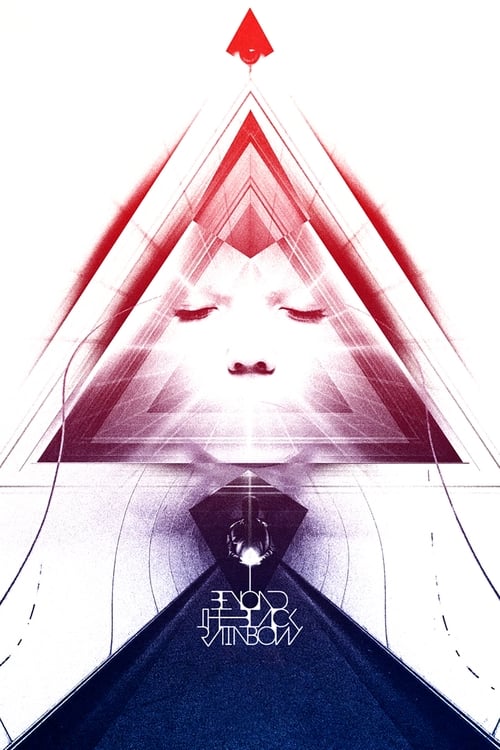
9. Beyond the Black Rainbow
Beyond the Black Rainbow (2010) offers a uniquely psychedelic and unsettling experience perfect for VR. Its minimalist yet intensely stylized visuals and hypnotic soundscape would become overwhelmingly immersive. You'd be plunged directly into the eerie Arboria Institute, feeling the oppressive atmosphere and the slow-burn dread. AI could dynamically adjust the visual distortions and sonic landscape, enhancing the film's unique, trippy horror, making it a truly unforgettable, sensory-bending journey into the unknown.

10. Upstream Color
Shane Carruth's Upstream Color (2013) is a masterclass in abstract storytelling, and VR could elevate its sensory experience. You’d be immersed in its non-linear flow, feeling the emotional weight and visual poetry directly. AI could subtly connect your observations and movements to the narrative threads, making the characters' intertwined identities and experiences profoundly personal. It’s about feeling the story rather than just watching it, experiencing its unique blend of romance, sci-fi, and existential mystery.