

1. Dark City
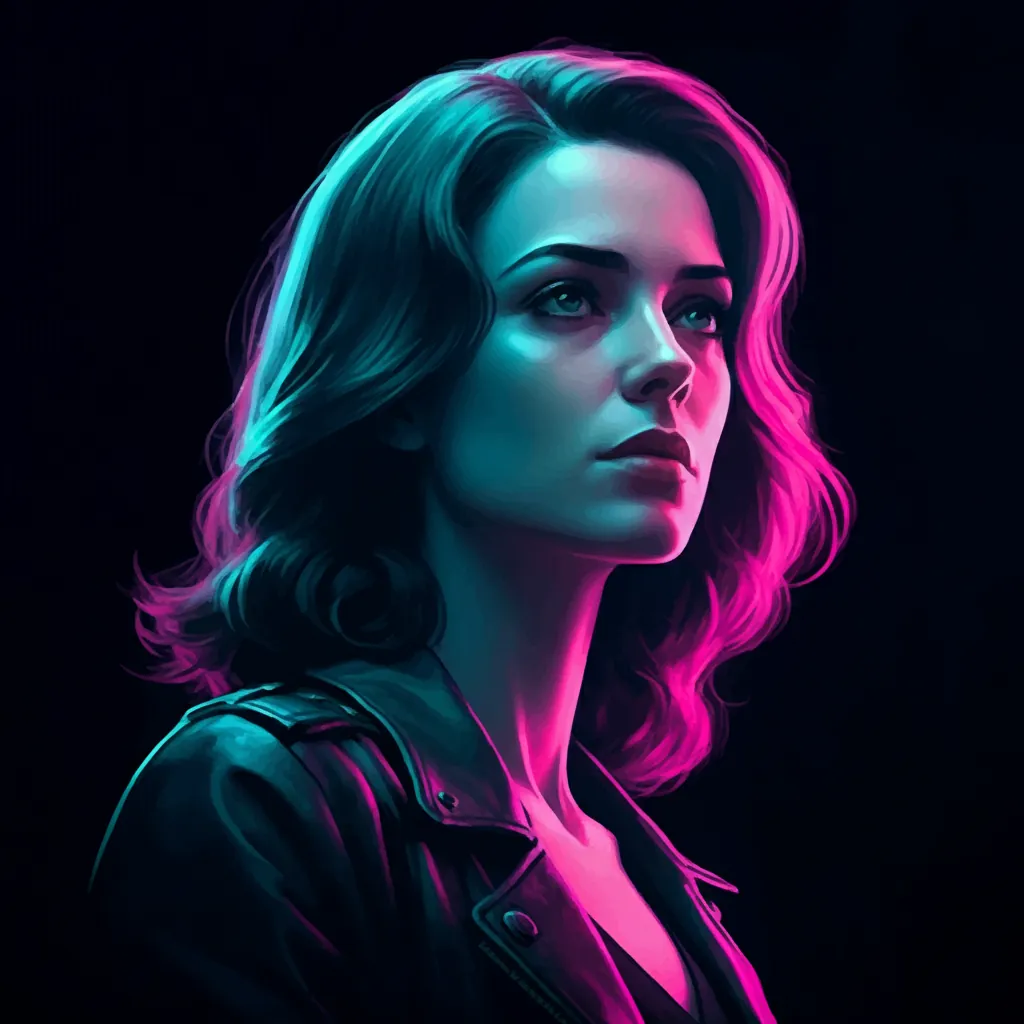
Dark City (1998) is a powerful exploration of manufactured memories and shifting realities. Its premise, where 'The Strangers' constantly reshape the city and its inhabitants' pasts, speaks directly to AI-generated worlds and subjective VR experiences. The film’s intricate, dynamic world-building feels like a blueprint for future procedurally generated environments. It challenges what's real, pushing narrative boundaries for immersive, interactive content where even your identity can be a construct.

2. Primer
Primer (2004) is a masterclass in complex, low-budget storytelling. Its raw, cerebral approach to time travel feels like a blueprint for user-driven, non-linear narratives that demand active participation. This film shows how narrative depth trumps spectacle, hinting at AI's potential for crafting incredibly intricate, self-correcting timelines within immersive experiences. It truly is a beta test for narratives where the audience pieces together a reality, exploring every branching path.

3. House
House (1977), this Japanese gem, is pure surrealism. Its wild, dreamlike visuals and non-linear logic are a goldmine for future immersive VR experiences. Imagine traversing its impossible spaces and encountering its bizarre, AI-generated characters. It pushes past conventional storytelling, offering a blueprint for narratives where atmosphere and feeling override traditional plot. This kind of experimental freedom is what tomorrow's content creation needs to truly break boundaries.

4. Cure
Cure (1997) is a psychological horror that subtly manipulates perception and identity, almost like a digital virus. The film explores how ideas can become infectious, altering reality and behavior without overt force. This subtle, pervasive influence could be a core mechanic in AI-generated psychological narratives or even immersive VR experiences. It truly highlights the power of suggestion and narrative contagion in future content creation, making you question every interaction.
5. Beyond the Black Rainbow
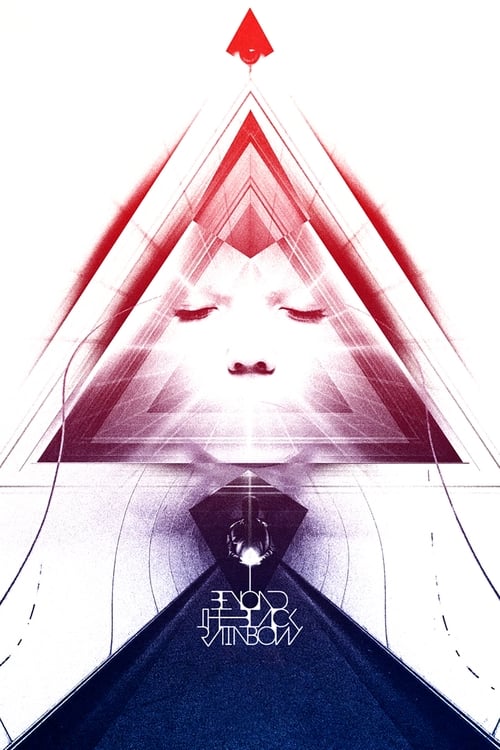
Beyond the Black Rainbow (2010) is all about stylized, hypnotic immersion. Its aesthetic and narrative, driven by sensory overload and psychological experimentation, is perfect for exploring what happens when AI-driven realities become too potent. This slow burn focuses on subjective experience, hinting at future VR narratives where the environment itself acts as a character, subtly influencing the viewer's mental state. It truly is a visual journey into the mind's limits.

6. Coherence
Coherence (2014) is a high-concept sci-fi wonder. Its contained setting and rapid-fire dialogue unveil a mind-bending alternate reality scenario, almost like a proof-of-concept for AI-driven branching narratives. Small choices here lead to drastically different realities, mirroring future interactive stories that adapt to user input. The constant questioning of identity and reality within a familiar space feels incredibly relevant to tomorrow's dynamic, personalized content experiences.

7. The Proposition
The Proposition (2005), a gritty Australian Western, offers a unique blueprint for AI-driven ethical dilemmas in future narratives. Its bleak morality and intense character studies could inform AI crafting scenarios where players face impossible choices with deep psychological consequences. This unflinching look at human nature under pressure provides rich data for developing AI characters with complex, evolving moral compasses within immersive virtual worlds. It's about raw consequence.
8. Tumbbad
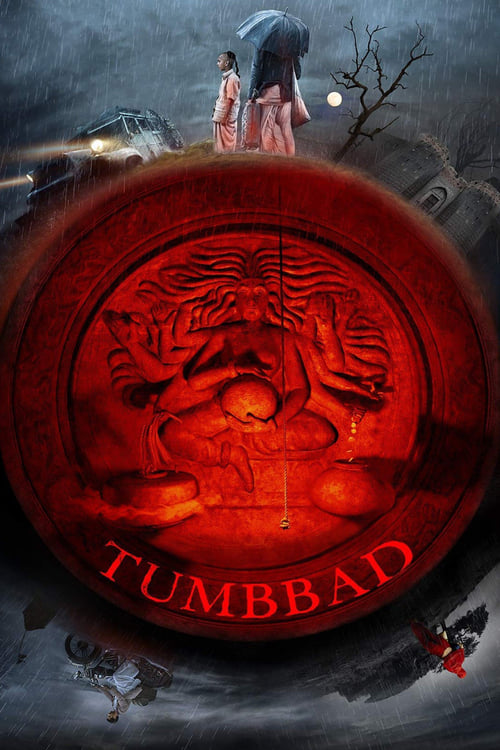
Tumbbad (2018), this Indian folk horror, features stunning visual storytelling and unique mythology that begs for VR exploration. The film builds atmosphere and tension through sound and shadow in ways AI could learn to generate dynamically, adapting to player presence. Its themes of insatiable greed and ancient curses could fuel rich, procedurally generated horror narratives, making every playthrough feel uniquely terrifying and deeply personal, tailored to your fears.
9. The Science of Sleep
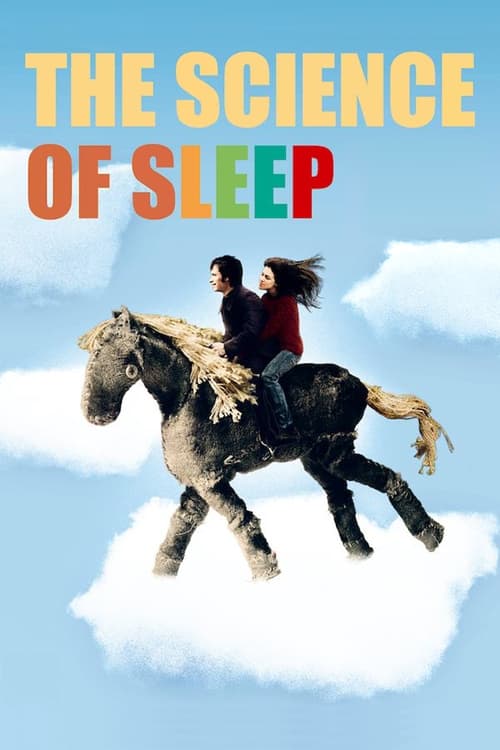
The Science of Sleep (2006) by Michel Gondry beautifully visualizes the chaotic, fragmented nature of dreams. This is exactly what future VR and AI-generated narratives could tap into. Its playful use of practical effects and subjective reality offers a hopeful vision for creative content that blurs lines between waking life and imagination. It’s a guide to building emotionally resonant, dream-like digital spaces, letting us explore our inner worlds freely.

10. Berberian Sound Studio
Berberian Sound Studio (2012) powerfully demonstrates how deeply sound can immerse and disturb, a crucial lesson for future VR and AI-driven content. An AI could dynamically generate soundscapes that adapt to user emotions or narrative shifts, creating unparalleled psychological depth. This film proves immersion isn't just visual; the nuanced auditory experience is key to building truly believable, unsettling virtual realities that resonate on a deeper level, beyond what we see.