

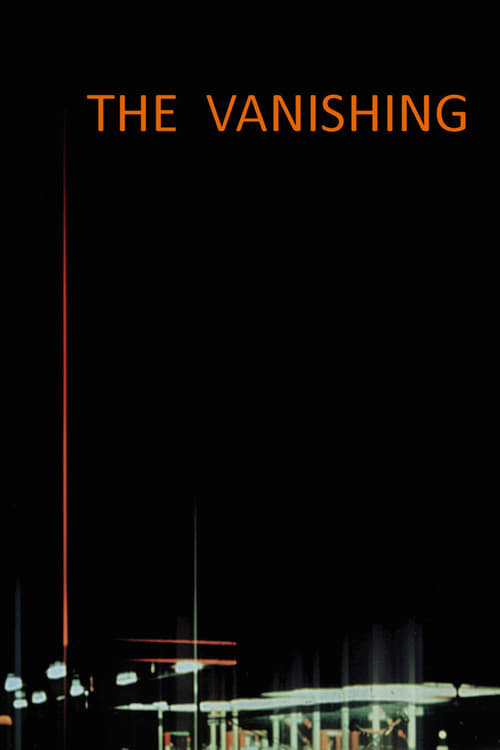
1. The Vanishing
George Sluizer’s original Dutch-French thriller remains a masterclass in psychological dread. It foregoes conventional genre tropes, instead meticulously constructing a chilling narrative centered on an obsessive search for truth, rather than cheap scares. The film’s power lies in its relentless, almost clinical exploration of human curiosity's dark side, culminating in an unforgettable, deeply unsettling resolution. It is a slow burn that seeps into the psyche, leaving an indelible mark long after the credits roll, a true testament to its auteur's vision.
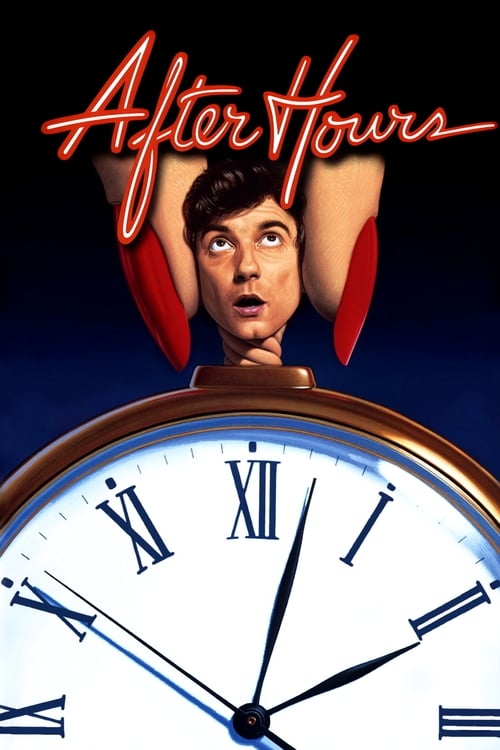
2. After Hours
Martin Scorsese, stepping away from grand epics, crafts a darkly comedic nightmare of urban alienation. Following an ordinary man's descent into a bizarre, escalating series of misfortunes across a single night in SoHo, this film is a masterclass in controlled chaos. It captures the surreal paranoia of metropolitan life, where every interaction spirals further into absurdity. Scorsese’s direction imbues mundane encounters with a frantic energy, reflecting a societal anxiety that feels remarkably prescient, cementing its status as an idiosyncratic cult classic.
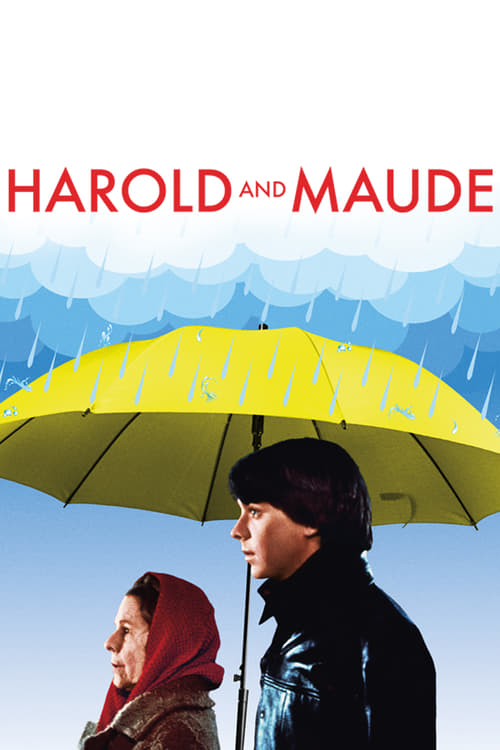
3. Harold and Maude
Hal Ashby’s idiosyncratic black comedy defies easy categorization, weaving a profoundly unconventional romance between a death-obsessed young man and an octogenarian free spirit. Its subversive humor and profound embrace of life's fleeting beauty resonate with a timeless charm. The film challenges societal norms around age, love, and mortality, urging viewers to find joy in the absurd and connection in the unexpected. It’s a tender, often melancholic, yet ultimately uplifting meditation on living authentically.
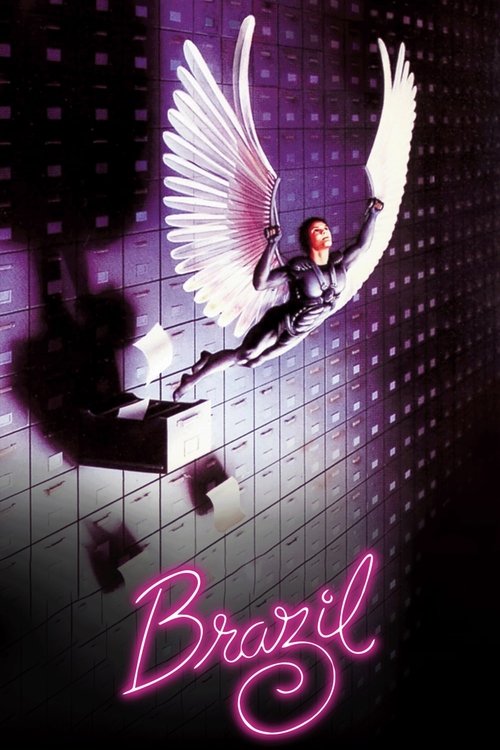
4. Brazil
Terry Gilliam’s dystopian masterpiece is a visually audacious, darkly satirical vision of a bureaucratic future. Sam Lowry’s escape into fantasy offers a stark contrast to the oppressive, absurdly convoluted world he inhabits, a world where paperwork reigns supreme and individuality is crushed. Gilliam’s singular aesthetic and biting commentary on unchecked governmental power and consumerism create a profoundly unsettling yet often hilarious cinematic experience. It is a testament to auteur theory, a complete and uncompromising artistic statement.

5. Wake in Fright
Ted Kotcheff’s visceral descent into the sun-baked Australian outback is an unnerving exploration of masculinity and alienation. A schoolteacher's brief stopover in a desolate mining town quickly devolves into a nightmarish ordeal, exposing the primal, often brutal underbelly of a society untethered by convention. The film’s raw, unflinching portrayal of excess and moral decay, shot with stark realism, makes for a deeply disturbing psychological thriller, a cultural landmark often rediscovered for its potent, uncomfortable truths.

6. Le Samouraï
Jean-Pierre Melville’s minimalist crime masterpiece is a paragon of cool, featuring Alain Delon as the stoic, solitary hitman Jef Costello. Melville strips away exposition, allowing atmosphere and precise visual storytelling to convey a world of rigid codes and inevitable fate. Delon's performance is a masterclass in understated intensity, embodying the existential isolation of his character. This film’s influence on countless crime thrillers and neo-noir aesthetics is immeasurable, a foundational text for cinematic style and narrative economy.

7. Symbiopsychotaxiplasm: Take One
William Greaves’s experimental documentary transcends traditional form, examining the filmmaking process itself as its primary subject. Greaves orchestrates multiple crews to film each other, themselves, and actors performing a scene, creating a multi-layered, meta-narrative on perception, control, and truth within cinema. It’s a daring, self-reflexive exploration of authorship and authenticity, challenging viewers to question the nature of reality presented on screen. A truly groundbreaking work, far ahead of its time.
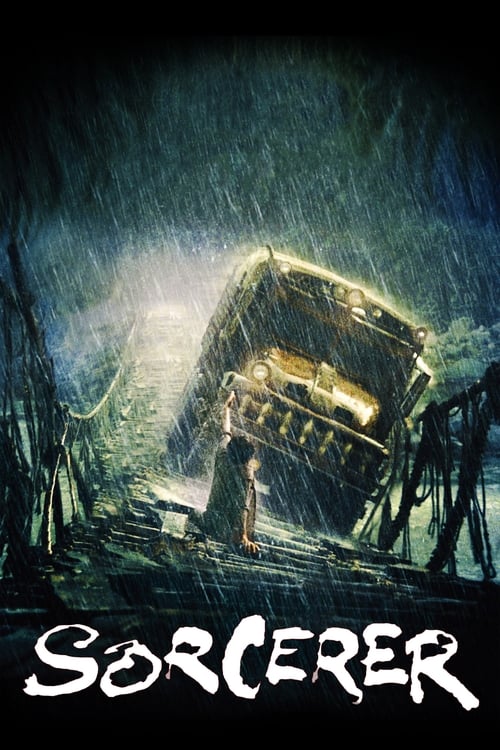
8. Sorcerer
William Friedkin’s intense, existential thriller is a white-knuckle journey into the heart of darkness. Four desperate men, exiles seeking redemption, are tasked with transporting highly unstable nitroglycerin across treacherous South American terrain. Friedkin masterfully builds unbearable tension through meticulous detail and a palpable sense of danger, making every rattling bridge and muddy track feel like a death trap. It is a primal, grueling meditation on fate and human endurance, a testament to uncompromising cinematic vision.