1. Planescape: Torment
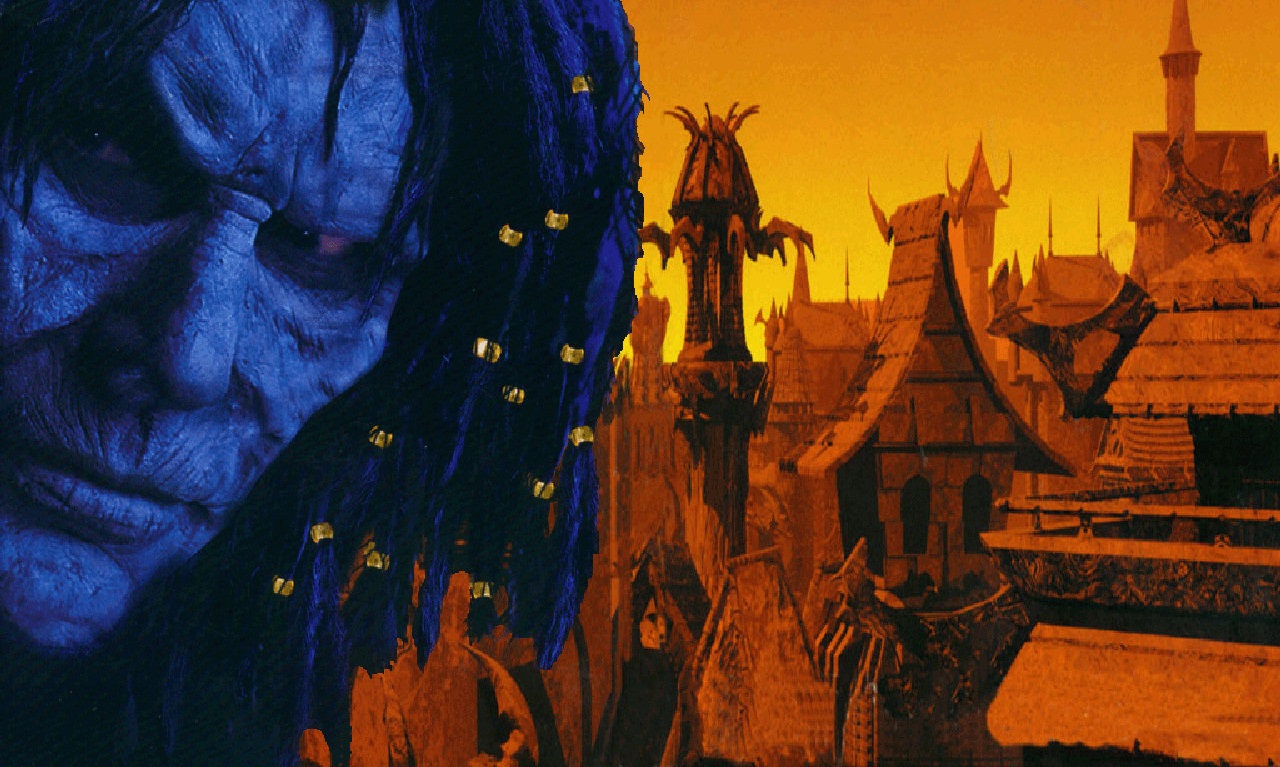
This isn't an RPG about saving the world; it's about finding out who you are, or rather, who you were. The game stripped away genre conventions, prioritizing narrative depth and philosophical inquiry over traditional combat. Its brilliance lay in its writing, presenting a world where death is a mere inconvenience and moral choices genuinely shaped a truly unique protagonist. And it redefined what an RPG could truly explore.
2. System Shock 2
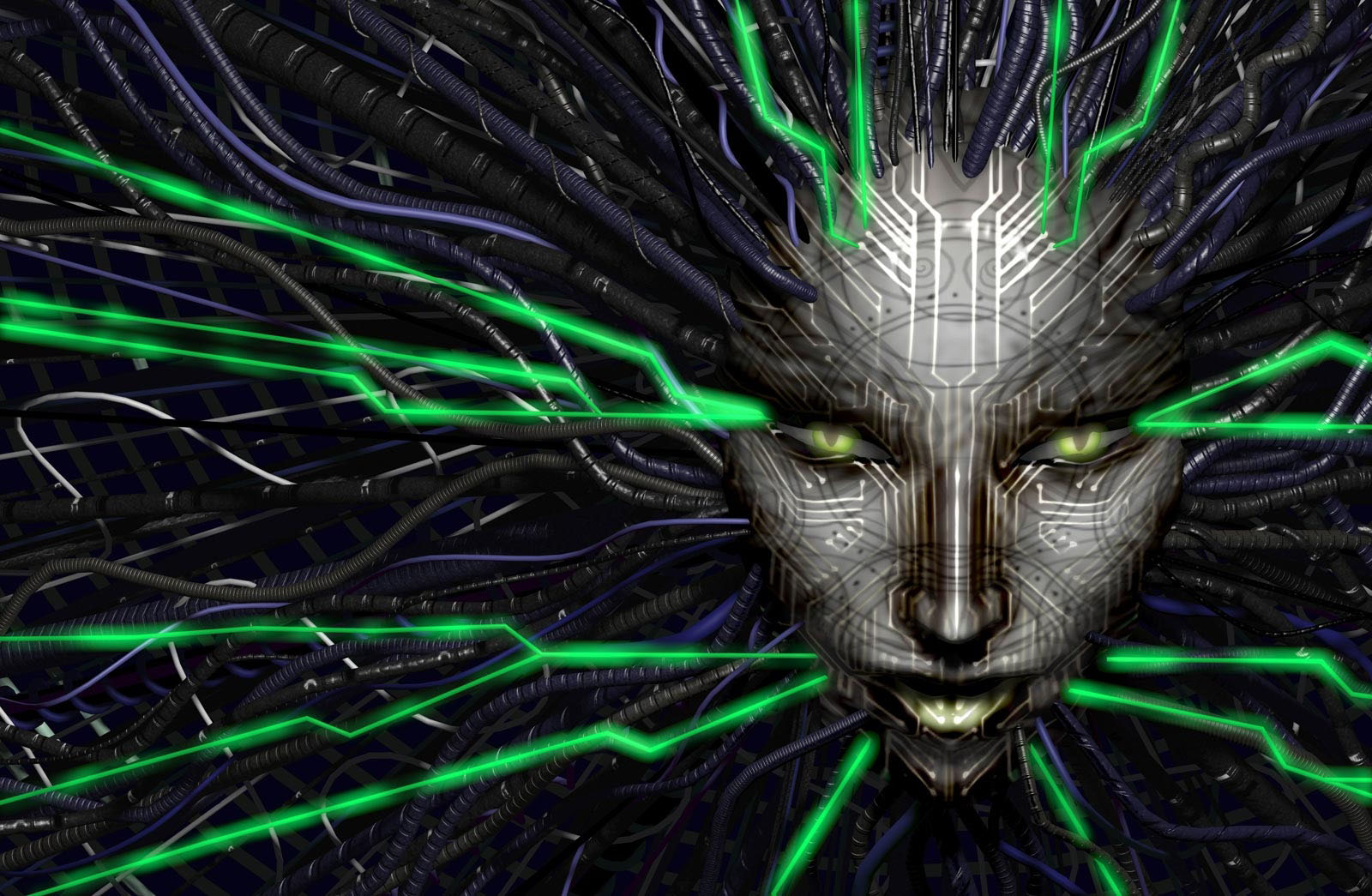
More than a mere horror game, System Shock 2 masterfully fused first-person shooting with robust RPG mechanics and a suffocating atmosphere. It pioneered the 'immersive sim' blueprint, offering players unparalleled freedom in approaching its challenges, from hacking to psionic powers. The environmental storytelling and the omnipresent threat of SHODAN created an unsettling experience, influencing countless titles that sought to blend action with deep player agency.
3. Out Of This World (itch)
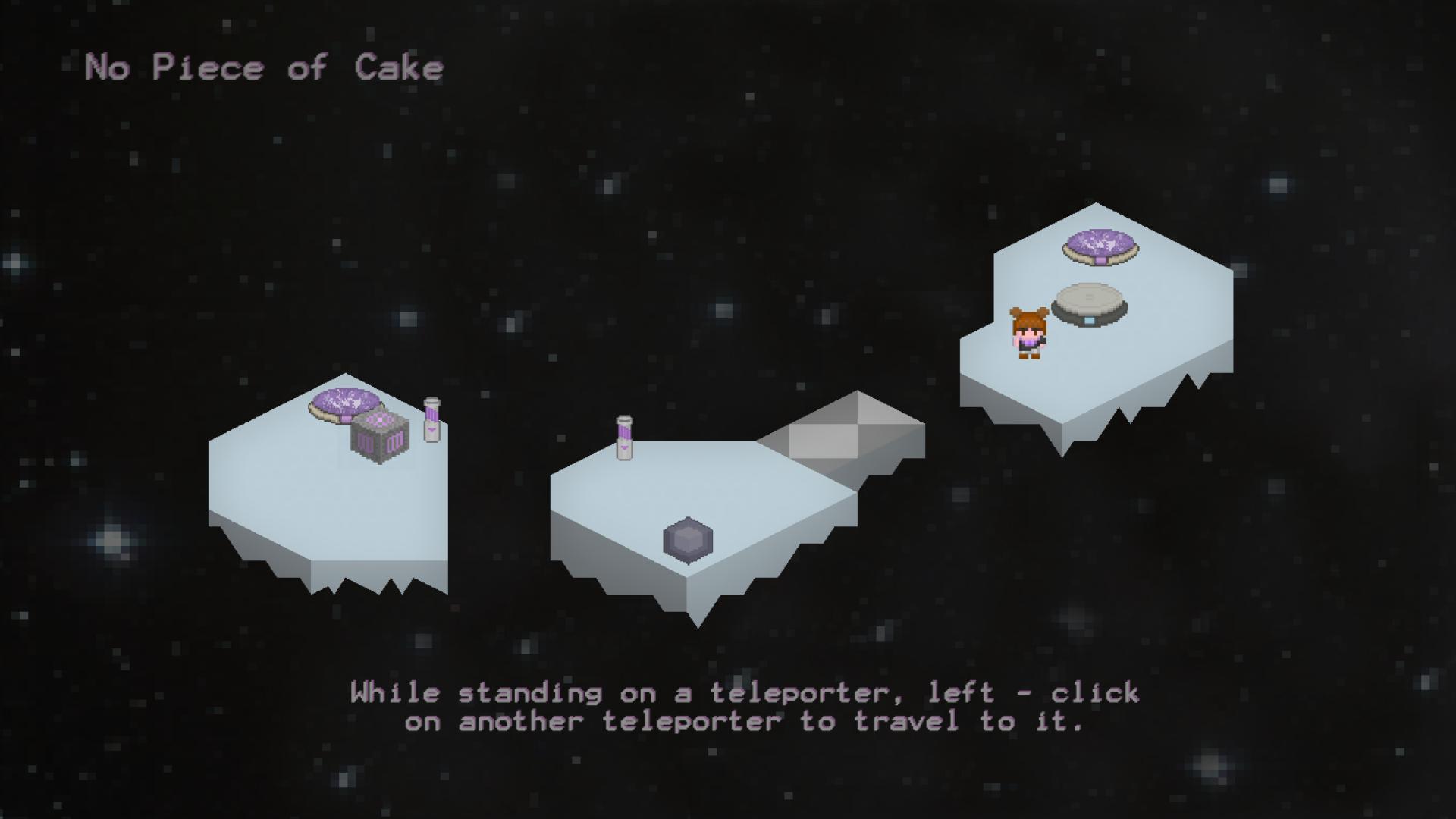
Also known as Another World, this game was a masterclass in minimalist storytelling and cinematic presentation. Its rotoscoped animation delivered fluid, expressive movements, conveying emotion and danger without a single word of dialogue. It threw players into an alien world with no hand-holding, demanding observation and quick reflexes. The experience was raw, atmospheric, and proved that games could tell compelling, wordless narratives through pure gameplay and visual design.
4. Grim Fandango
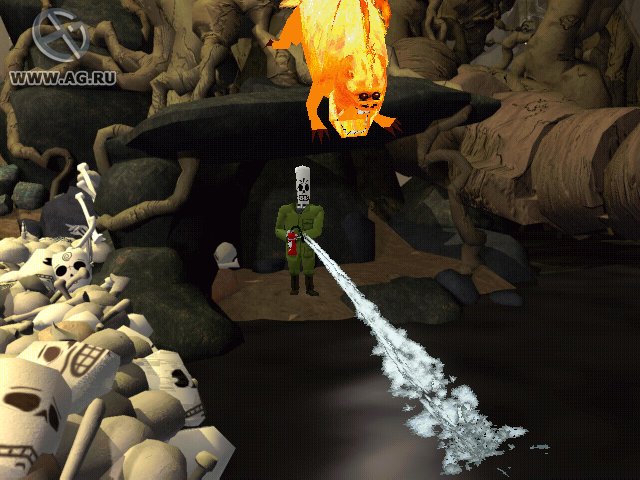
LucasArts’ adventure classic, Grim Fandango, presented a unique vision of the afterlife, blending film noir aesthetics with Mexican folklore. Its intricate puzzles, sharp dialogue, and unforgettable characters showcased the pinnacle of the point-and-click genre's narrative potential. The game proved that adventure titles could tackle mature themes with wit and style, pushing boundaries of character design and world-building that felt truly original and deeply melancholic.
5. killer7
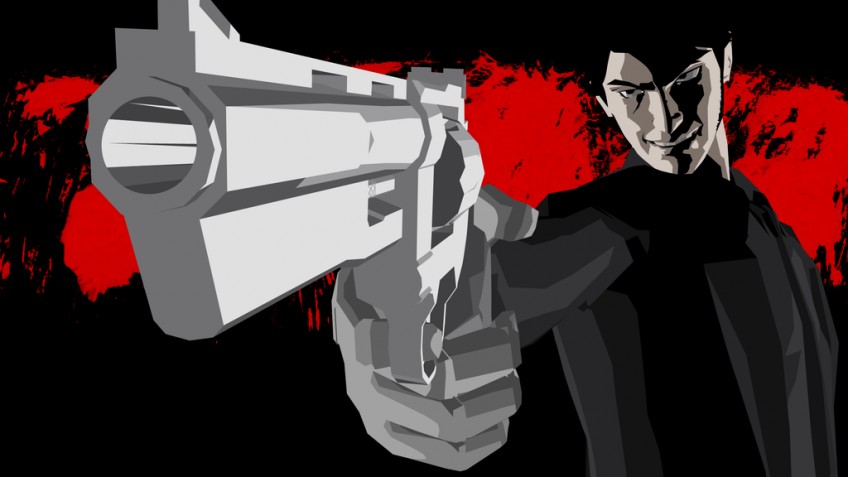
Goichi Suda's killer7 was an audacious experiment, blending on-rails shooting with visual novel elements and a deeply surreal narrative. Its distinctive cel-shaded art style and fragmented storytelling tackled themes of political conspiracy and identity with a provocative, almost psychedelic flair. It was divisive, certainly, but its willingness to defy genre categorization and deliver a singular, uncompromising artistic vision left an undeniable mark on game design.
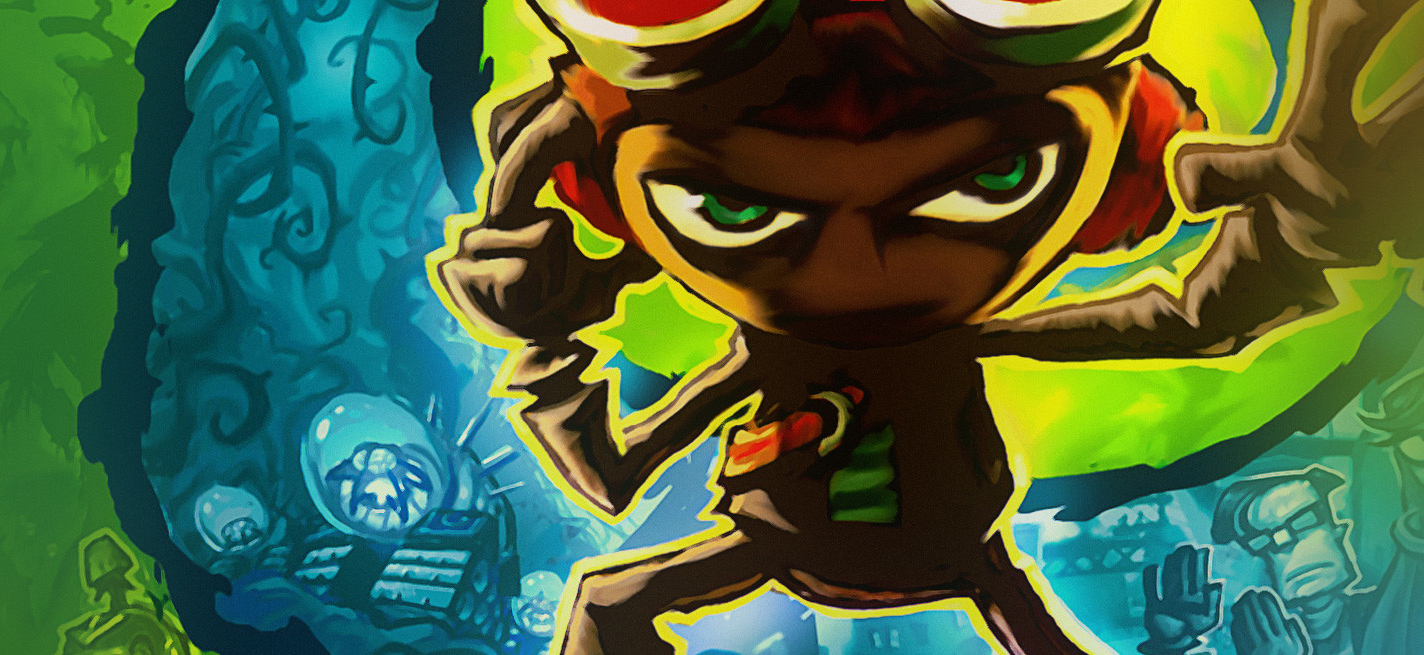
6. Psychonauts
This platformer took players on a journey into the twisted, imaginative landscapes of various characters' minds. Psychonauts excelled in its creativity, offering varied level design that perfectly matched the mental quirks of its inhabitants. Its sharp writing, memorable cast, and genuinely funny dialogue elevated it beyond a simple collect-a-thon. It reminded us that platformers could have both ingenious mechanics and profound emotional depth.