
1. Belladonna of Sadness
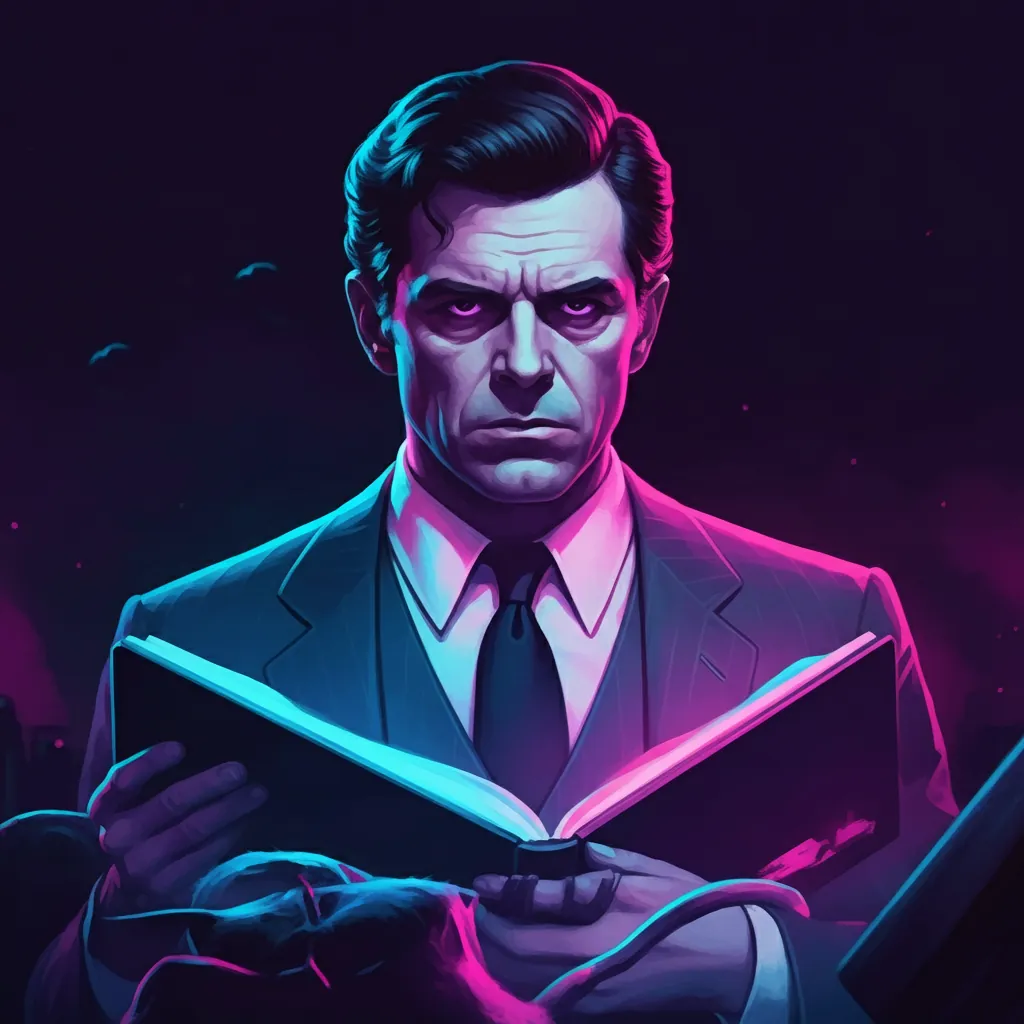
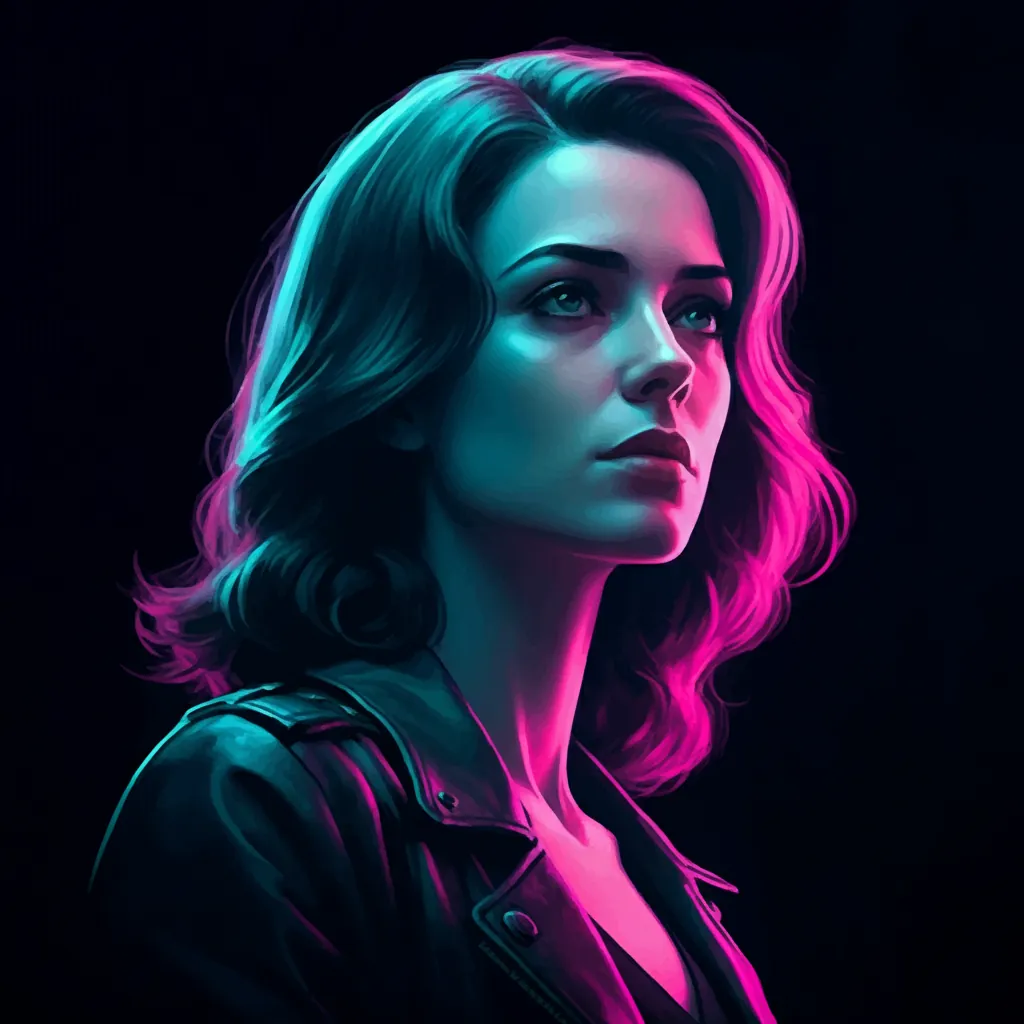
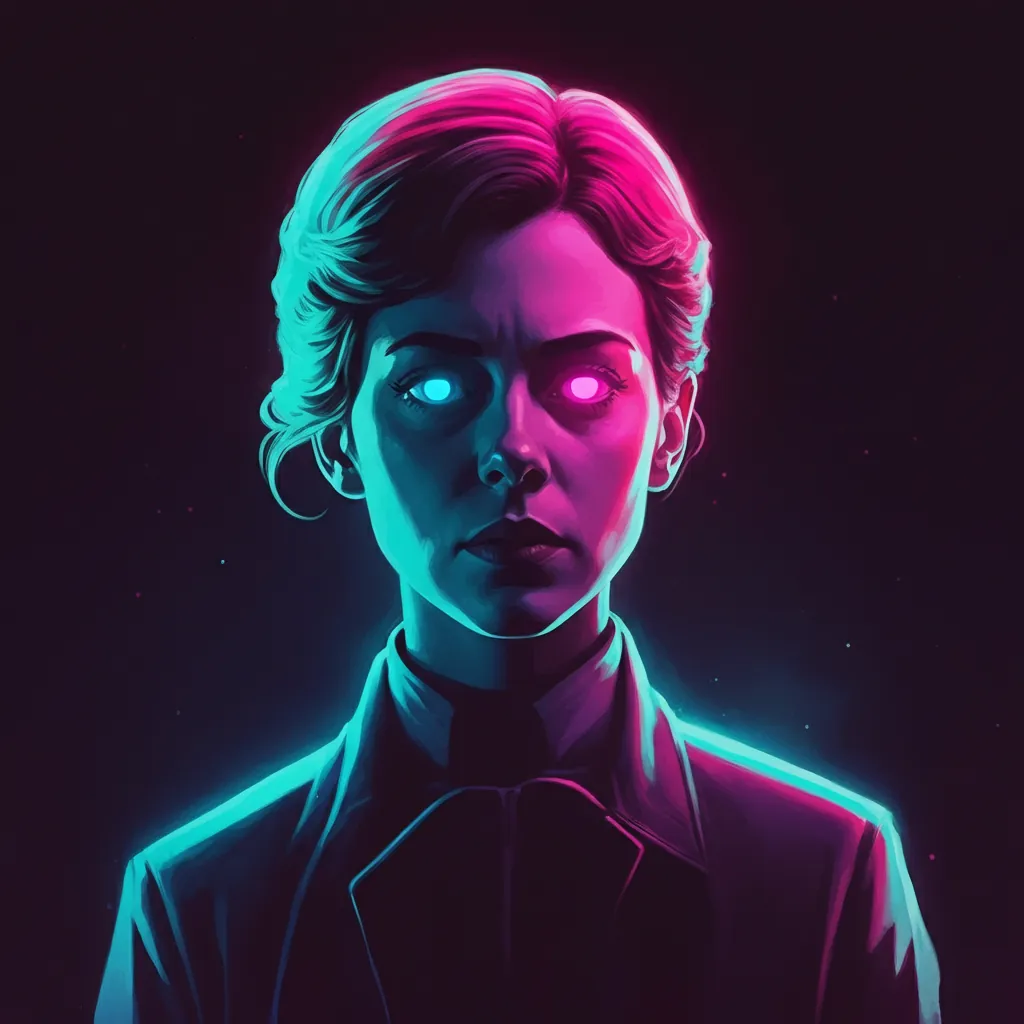
Belladonna of Sadness (1973) is a visual trip, a hand-painted anime that feels like a fever dream. And, it really makes you think about how AI could push animated storytelling. Imagine if generative AI could craft visuals that flow and morph with a narrative, creating an entirely adaptive, emotional world around you in VR. This film's experimental style is a blueprint for truly immersive, ever-changing animated experiences, where the art itself is a character, responding to every beat of the story.
2. Satantango
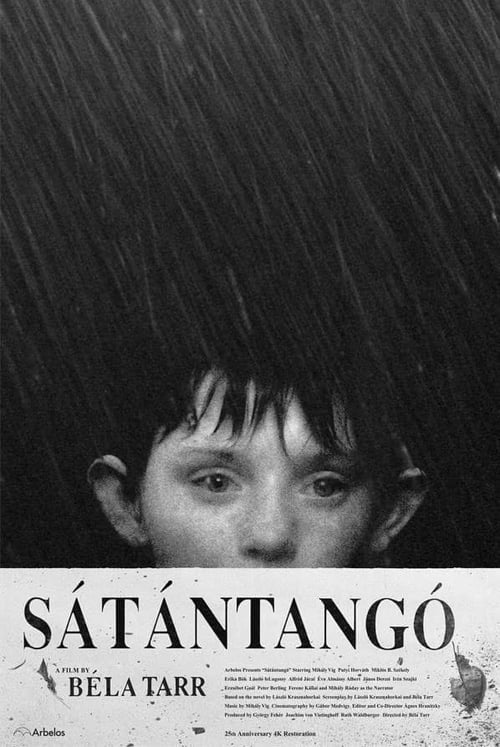
Satantango (1994) is an almost eight-hour Hungarian epic, famous for its incredibly long takes and demanding pace. And yeah, it’s a lot. But, it makes you wonder about the future of narrative scale in VR. Could AI help us navigate these vast, slowly unfolding worlds, maybe even offering personalized paths or insights into its dense, atmospheric scenes? It truly pushes the boundaries of cinematic endurance, giving us a glimpse into stories that demand our full, extended presence, a real challenge for our next-gen attention spans.

3. Harakiri
Harakiri (1962) is a masterclass in samurai drama, a story of honor, betrayal, and profound tragedy. And, its meticulously crafted narrative and emotional depth really highlight what AI could bring to character-driven storytelling. Think about an AI that could dynamically generate consequences based on character choices, crafting a branching narrative with the same emotional weight and historical precision. This film's sharp critique of rigid systems could even be mirrored in AI-driven ethical dilemmas within future interactive experiences, pushing our understanding of complex human nature.
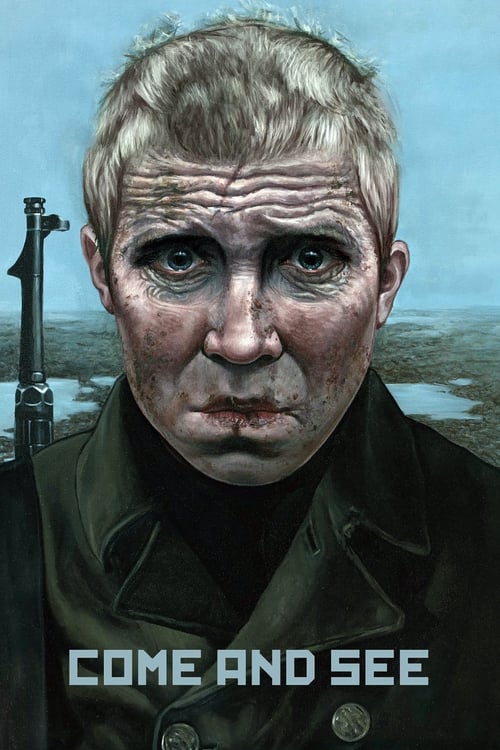
4. Come and See
Come and See (1985) is an unflinching, visceral journey into the horrors of war, leaving you absolutely shaken. And, it’s a powerful reminder of how immersive experiences can shape our understanding of history. Imagine an AI-driven VR experience that could adapt its narrative to teach empathy, dynamically showing the human cost of conflict with such raw realism. This film sets a benchmark for creating emotionally profound, almost unbearable immersion, pushing us to consider how future tech can educate and move us beyond simple entertainment, demanding our full emotional engagement.
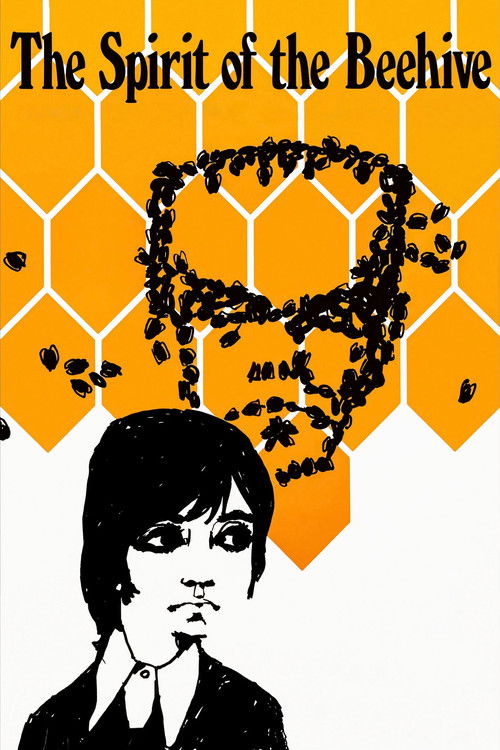
5. The Spirit of the Beehive
The Spirit of the Beehive (1973) is a beautiful, melancholic look at childhood wonder amidst post-war Spain, blending reality with a child's vivid imagination. And, its dreamlike symbolism really sparks ideas for AI-driven narratives that adapt to individual perceptions. Imagine an AI crafting personalized symbolic worlds within VR, reflecting your inner state or interpreting your emotional journey, much like this film does for young Ana. It’s a masterclass in subtle, psychological storytelling, showing how profound meaning can emerge from seemingly simple, yet deeply felt, experiences.

6. Possession
Possession (1981) is pure, raw, psychological horror, a relationship meltdown taken to the absolute extreme with surreal body horror. And, its chaotic energy and visceral performances hint at the potential for AI-driven emotional intensity in VR. Imagine an AI that could dynamically generate environments reflecting a character's psychological breakdown, where the world itself is a manifestation of their terror. This film’s fearless dive into the depths of human despair and its unpredictable narrative structure could inspire truly unsettling, adaptive horror experiences in the future.

7. House
House (1977) is a wild, psychedelic, and absolutely bonkers Japanese horror-comedy that defies all explanation. And, its constantly evolving, surreal visuals are a total blueprint for what generative AI could achieve in interactive content. Imagine an AI crafting entire fantastical environments and visual effects on the fly, making the very fabric of reality shift and morph with the story in VR. This film shows how pure imagination, unrestrained by conventional logic, can create unforgettable, visually dynamic experiences that future tech can totally amplify.
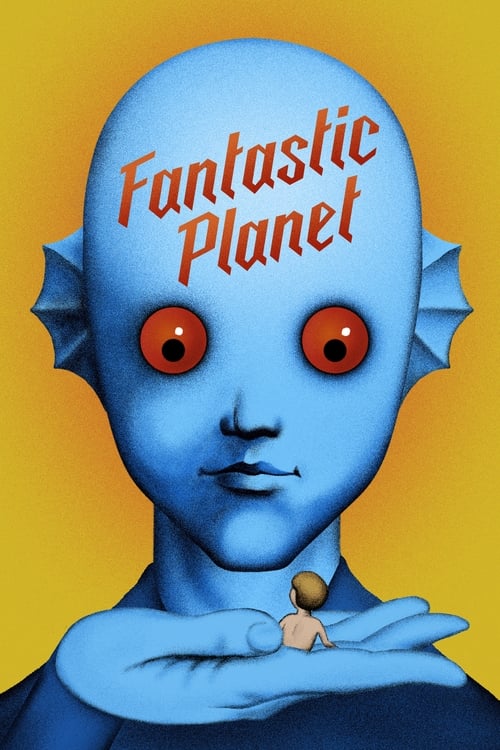
8. Fantastic Planet
Fantastic Planet (1973) is this super cool animated sci-fi flick with a distinct, otherworldly style and a deep allegorical story. And, its unique visual language is exactly what AI-driven art generation could elevate for future animated narratives. Imagine an AI creating entire alien ecosystems and cultures in VR, each with its own unique artistic aesthetic, dynamically reacting to your exploration. This film showed us how animation can build entire, meaningful worlds with a powerful message, inspiring future creators to use tech to craft similarly impactful, stylized realities.

9. The Holy Mountain
The Holy Mountain (1973) is a wild, surreal, and deeply symbolic journey by Alejandro Jodorowsky, challenging perceptions of reality and spirituality. And, its avant-garde approach to narrative is exactly what AI-driven content could tap into for truly personalized, profound experiences. Imagine an AI crafting unique spiritual quests or symbolic narratives in VR, adapting to your own philosophical questions and interpretations. This film pushes the boundaries of cinematic storytelling into the realm of personal enlightenment, showing how future tech could facilitate deeply introspective, adaptive journeys for everyone.

10. Seconds
Seconds (1966) is a chilling psychological thriller about a man who fakes his death for a new identity, exploring themes of alienation and the true cost of escape. And, its deep dive into identity is super relevant for AI-driven narratives in VR. Imagine an AI crafting complex 'what if' scenarios, allowing you to explore alternate lives or digital personas, pushing the boundaries of self-discovery. This film’s unsettling look at existential dread and the desire for reinvention serves as a powerful foundation for future interactive stories about who we truly are.

11. Picnic at Hanging Rock
Picnic at Hanging Rock (1975) is a haunting Australian mystery, draped in ambiguity and an almost tangible atmosphere of dread. And, its power comes from what's *unseen*, which is a goldmine for AI-driven narrative design. Imagine an AI crafting mysteries in VR where the answers are never explicit, instead focusing on generating subtle clues and evolving enigmas that play on your perceptions. This film proves that sometimes the most profound stories are those that leave us pondering, inspiring future interactive experiences to master the art of the beautifully unexplained.