

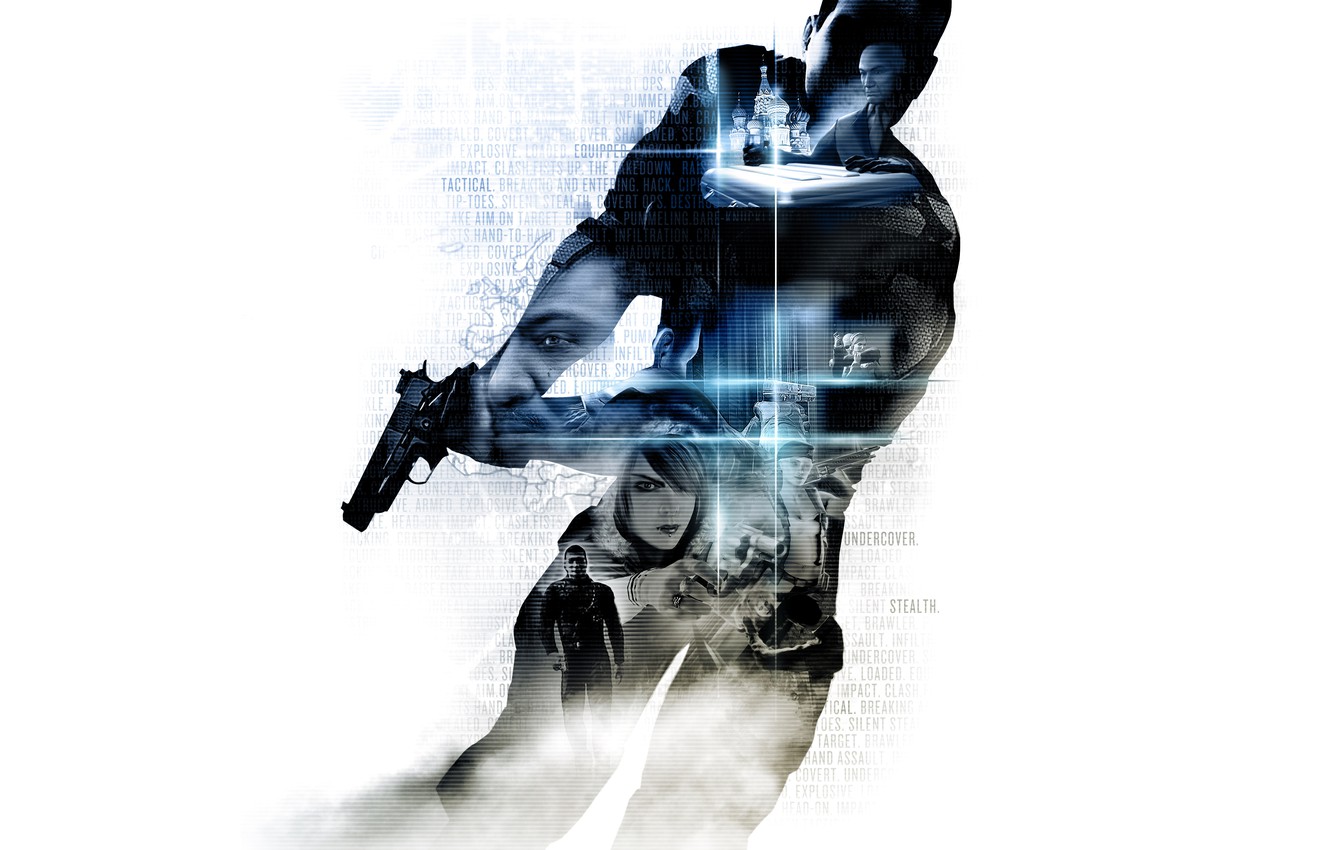
1. Alpha Protocol
Obsidian's spy RPG, *Alpha Protocol*, was a clunky mess in parts, let's be honest. But man, did it understand player agency. Your choices, your dialogue, your relationships – they genuinely branched the narrative in ways most AAA games still only dream of. It was a proper RPG, not just a shooter with skill points, and it felt like your unique Jason Bourne story. A cult classic for a reason, proving that mechanics can be forgiven if the story respects your intelligence.
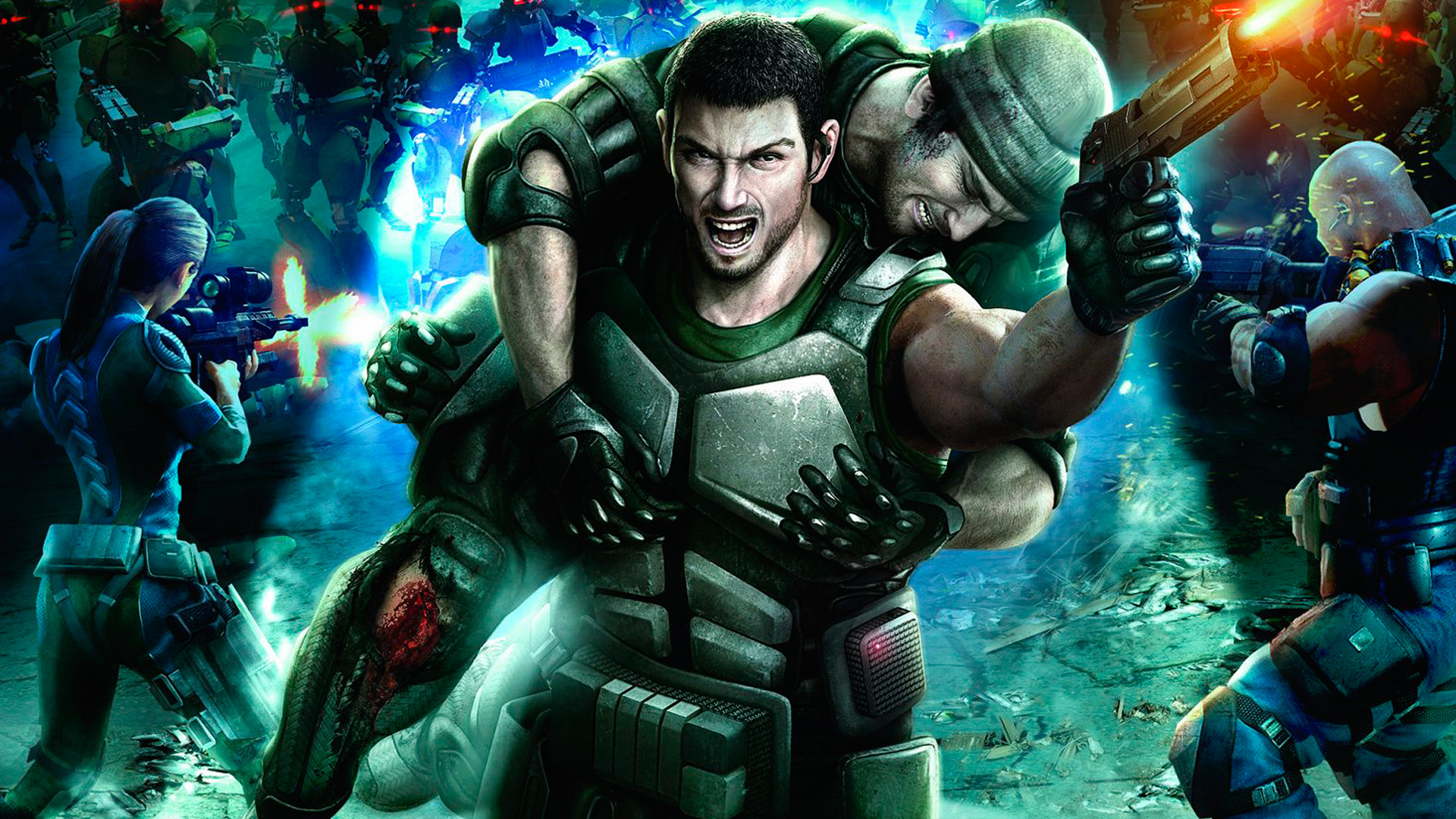
2. Binary Domain
*Binary Domain* was a glorious, robot-shredding anomaly. Think Gears of War but with a bonkers Japanese sensibility and a voice command system that *actually* mattered for team morale. It was loud, it was brash, and it had a surprisingly thoughtful narrative exploring what it means to be human in a world of increasingly sophisticated AI. This game didn't chase trends; it carved its own path with an infectious energy that's sorely missed in today's assembly-line shooters.
3. Eternal Darkness: Sanity's Requiem
*Eternal Darkness: Sanity's Requiem* on the GameCube was a masterclass in psychological horror, proving you don't need photorealism to scare the absolute pants off players. Its sanity effects were legendary, messing with your perception of the game and even your console itself, long before "fourth wall breaks" became a tired trope. This game respected intelligence, delivering a deep, unsettling narrative that still stands as a benchmark for how to truly innovate in the horror genre without resorting to cheap jump scares or endless loot boxes.
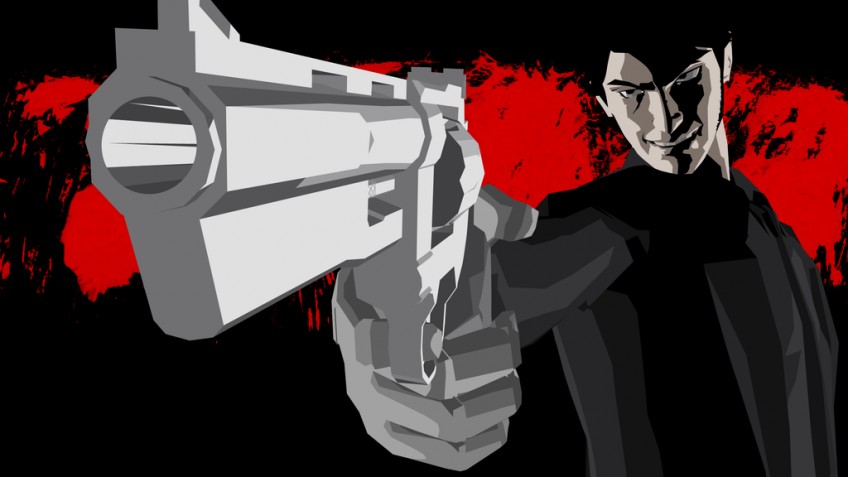
4. killer7
Suda51's *killer7* is less a game and more a playable art installation, a cel-shaded fever dream that still puzzles and captivates decades later. Its on-rails movement and bizarre, almost rhythm-based combat were singular, but it was the story—a Lynchian, geopolitical nightmare—that truly cemented its legend. This game was pure, unadulterated artistic vision, unapologetically weird and experimental, a kind of bold, unfiltered design that rarely survives the corporate gauntlet of modern publishing.
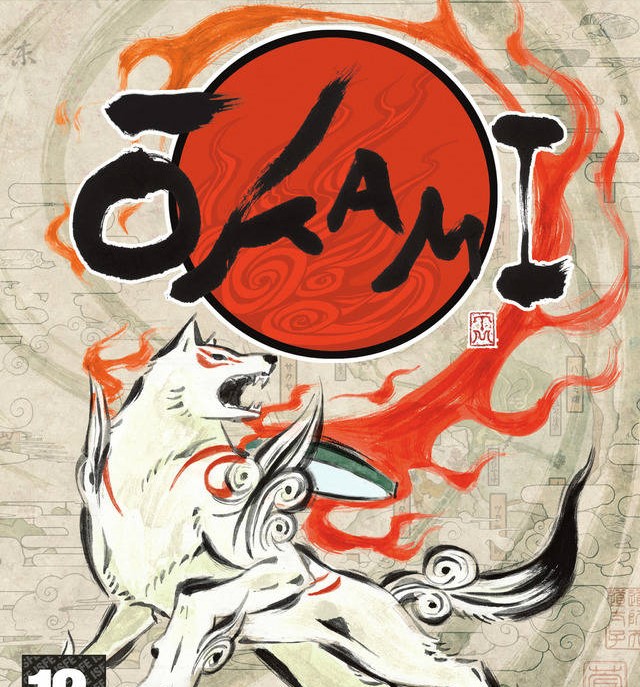
5. Okami
*Okami* was, and remains, an absolute masterpiece, a vibrant love letter to Japanese folklore wrapped in a stunning sumi-e art style. While often compared to Zelda, its Celestial Brush mechanic offered a truly unique way to interact with the world, making combat and puzzle-solving feel incredibly fresh. This game oozed charm and artistic integrity from every frame, a stark contrast to the bland, focus-grouped aesthetics dominating much of today's market. It’s pure, unadulterated creative brilliance.
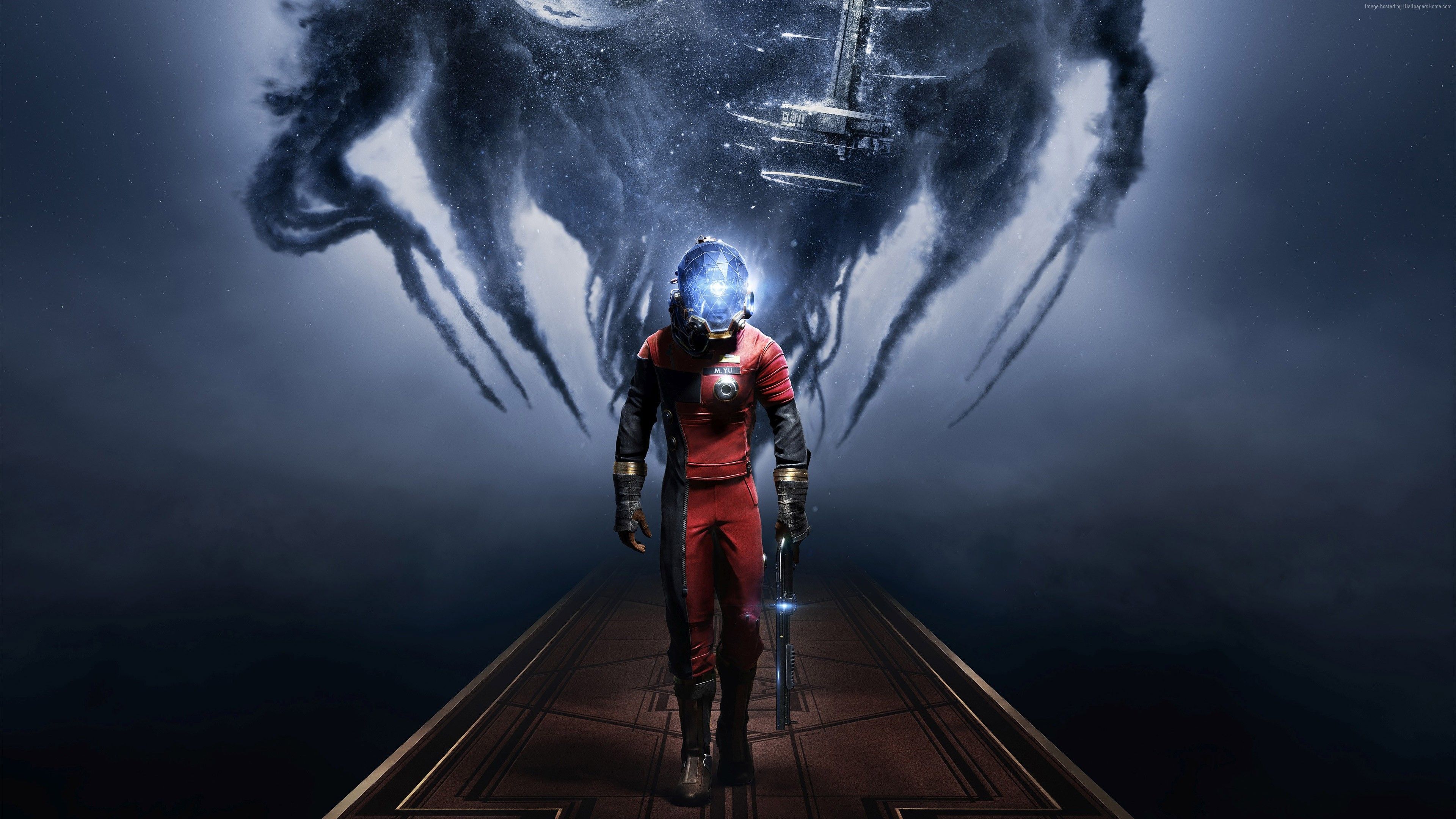
6. Prey
Arkane's *Prey* was a magnificent, mind-bending immersive sim that channeled the best of *System Shock* while forging its own identity. Talos I was a character in itself, brimming with environmental storytelling and multiple, inventive ways to tackle every obstacle. It respected player intelligence, offering genuine freedom and emergent gameplay, rather than just funneling you down a corridor. This game proved that thoughtful design, intricate world-building, and profound player choice can still thrive, even when the market screams for battle passes.