

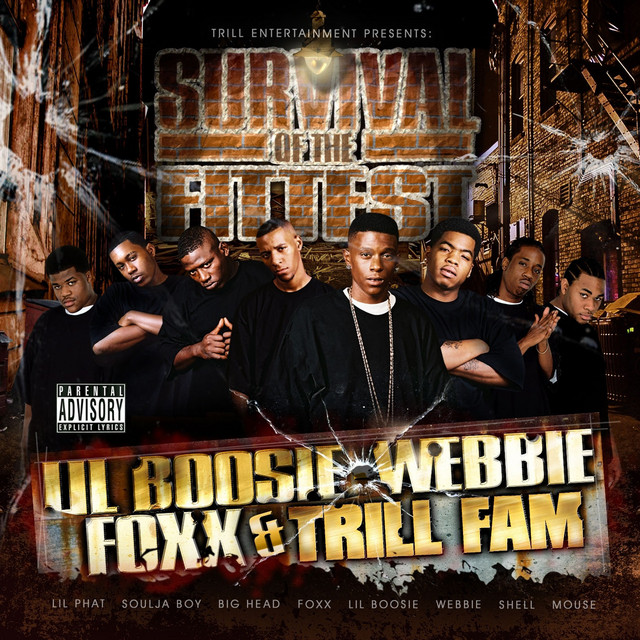
1. Survival Of The Fittest
This isn't just Herbie Hancock's backing band; this 1975 offering is a fully realized funk manifesto. From the greasy clavinet lines to Harvey Mason's impeccable pocket drumming, it epitomizes the raw, organic groove that digital studios would later struggle to replicate. The basslines are pure, unadulterated analog warmth, driving each track with an undeniable kinetic energy. It’s the sound of musicians pushing boundaries, merging jazz improvisation with street-level rhythm, all captured with a natural, breathing quality only found on magnetic tape.

2. Hand Made
Tony Williams, post-Miles, was a force, and his 1970 album "Hand Made" showcased a raw, untamed fusion that few dared touch. Larry Young's organ is a snarling beast, complementing John McLaughlin's jagged guitar work. It’s aggressive, often dissonant, yet undeniably virtuosic. The whole thing feels like a livewire circuit, brimming with spontaneous energy and the distinct grit of early 70s analog recording. This wasn't polite jazz-rock; this was a statement, a blueprint for pushing electric instrumentation to its absolute limits.
3. Faust IV (Deluxe Edition)
Faust's 1973 "IV" remains a bewildering, brilliant artifact. It’s less a collection of songs and more a series of sonic experiments, recorded with a playful disregard for convention. The "Deluxe Edition" merely underscores the original's chaotic charm: found sounds, repetitive motorik rhythms, and distorted guitars coalesce into a truly psychedelic experience. The analog tape hiss and inherent imperfections are crucial to its avant-garde appeal, capturing a raw, unpolished spirit that feels both alien and deeply human.

4. Learning Songs
Mark Stewart and company, on this 1980 release, tore apart post-punk's nascent forms, injecting them with a furious, angular funk. "Learning Songs" is a visceral, often unsettling listen, where abrasive guitars clash with propulsive, almost danceable basslines and drums. The production, though raw, captures an intense energy; it’s a controlled chaos that predates industrial dance trends. This isn't easy listening; it's a confrontational, politically charged rhythmic assault that demands your attention with its sheer sonic audacity.
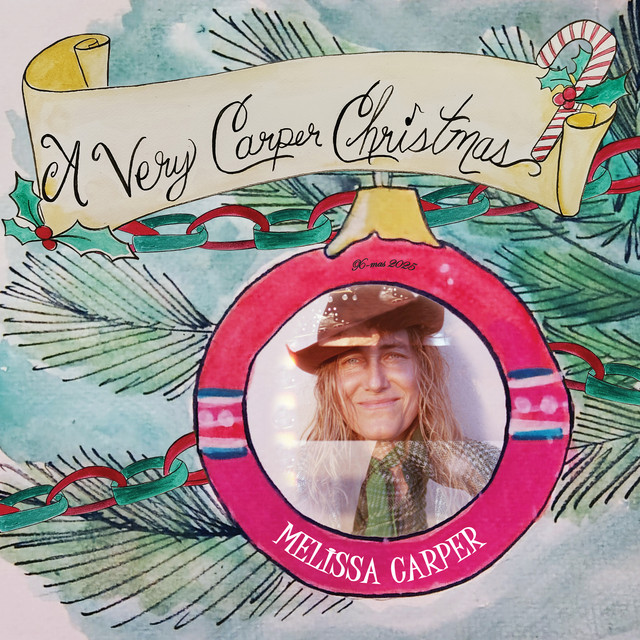
5. A Very Carper Christmas
Oh, this one. A truly peculiar 1980s offering, "A Very Carper Christmas" is less about festive cheer and more about experimental, almost industrial-tinged holiday soundscapes. Imagine rudimentary synth textures layered over tape loops of carols, with a detached, almost ironic vocal delivery. It feels like a lost artifact from a fringe art collective, recorded on rudimentary four-track equipment. It's certainly not traditional, but its sheer oddity, and the analog warmth of its lo-fi production, grants it a strange, unsettling charm.
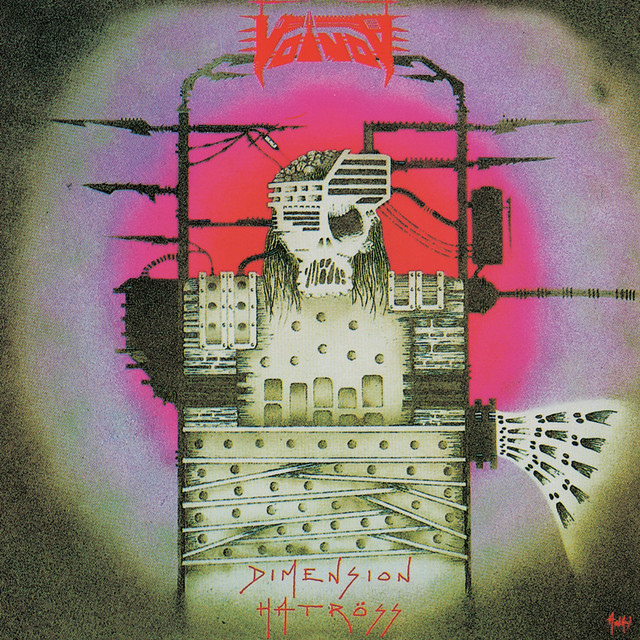
6. Dimension Hatröss
Voivod's 1988 "Dimension Hatröss" is a masterclass in progressive thrash, a concept album that pushed metal's boundaries. Snake's unique vocal delivery, Piggy's dissonant, almost jazz-inflected guitar riffs, and Away's intricate drumming created a soundscape unlike anything else. The analog production here is key, providing a depth and natural compression that digital formats often miss, allowing the complex arrangements to breathe without sounding sterile. It’s a dense, challenging listen, rewarding repeated exploration of its dystopian themes.

7. Tin Drum
Japan's 1981 "Tin Drum" was a pivotal moment, synthesizing art-rock sophistication with emerging synth-pop sensibilities and distinct oriental textures. David Sylvian's enigmatic vocals drift over stark, often minimalist arrangements dominated by Mick Karn's distinctive fretless bass and Richard Barbieri's pioneering use of synthesizers. The analog recording gives it a lush, yet icy sheen, capturing a refined, exotic atmosphere. It's a testament to how electronic instruments, when handled with vision, could create profound, atmospheric music.
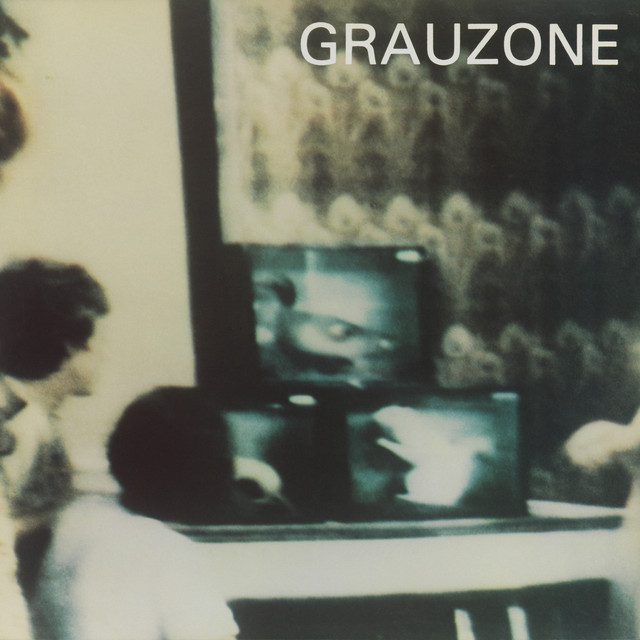
8. Grauzone
The self-titled 1981 album from Swiss band Grauzone is a quintessential coldwave document. Its sparse, angular guitar lines, repetitive drum machine rhythms, and detached, spoken-word vocals create an atmosphere of stark, almost chilling beauty. The analog synth pads are used with a minimalist precision, carving out desolate soundscapes. It’s a testament to less-is-more, a deeply influential record that defined a particular strain of post-punk gloom, proving that evocative power didn't require complex arrangements, just potent atmosphere.
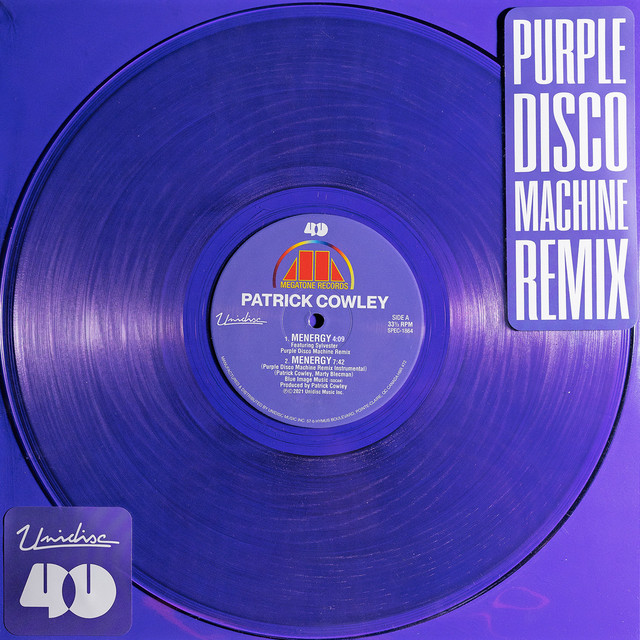
9. Menergy (Purple Disco Machine Remix)
Patrick Cowley’s 1981 "Menergy" was a seismic event in electronic dance music, a hi-NRG masterpiece that laid groundwork for future genres. Its relentless, propulsive synth basslines, driving arpeggios, and crisp, analog drum machine programming created an irresistible, futuristic sound. Cowley's mastery of synthesizers, particularly the Oberheim OB-Xa, is evident in every pulsating beat. This track isn't just a party anthem; it's a technical marvel of analog synthesis and sequencing, a blueprint for sophisticated club production.
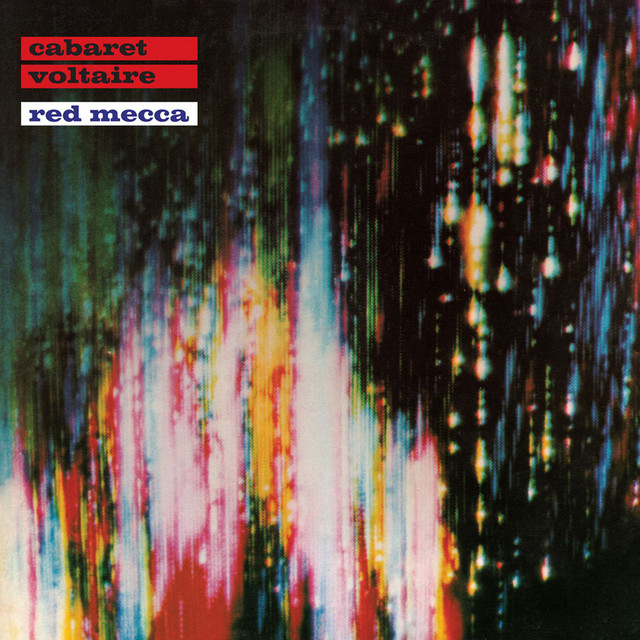
10. Red Mecca
The Comsat Angels' 1981 sophomore effort, "Red Mecca," is a bleak, brooding masterpiece of post-punk. Its sound is characterized by echoing guitars, tightly wound rhythms, and Stephen Fellows' desperate, impassioned vocals. The analog production emphasizes its starkness, providing a tangible depth to the cavernous soundscapes and a raw edge to the instrumentation. It’s an album that perfectly captures the anxiety and disillusionment of the early 80s, a testament to the power of atmosphere forged through precise, minimalist arrangements.
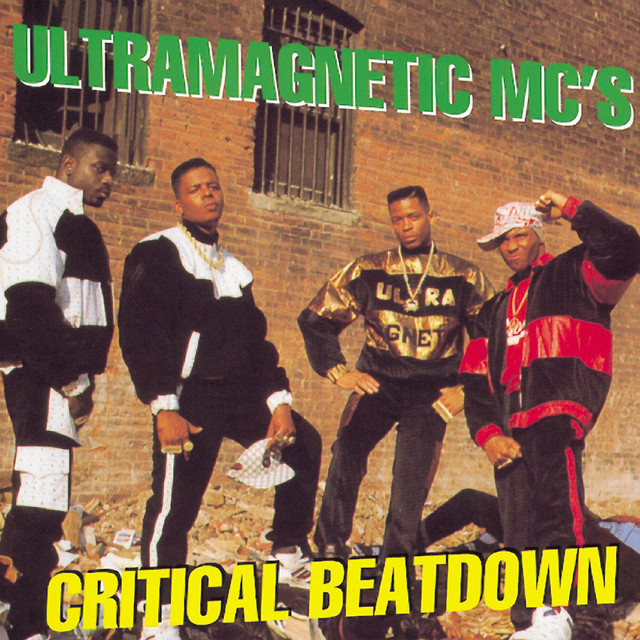
11. Critical Beatdown
Ultramagnetic MCs' 1988 debut, "Critical Beatdown," was a revelation for its time, pushing the boundaries of early hip-hop with its complex rhymes and innovative sampling. Ced Gee's production, rooted in analog drum machines and gritty, often obscure samples, created a dense, almost psychedelic sonic tapestry. This wasn't just about loops; it was about intricate layering and rhythmic precision. The raw, unfiltered sound captures the energy of the streets, predating the digital sheen that would later define much of the genre.
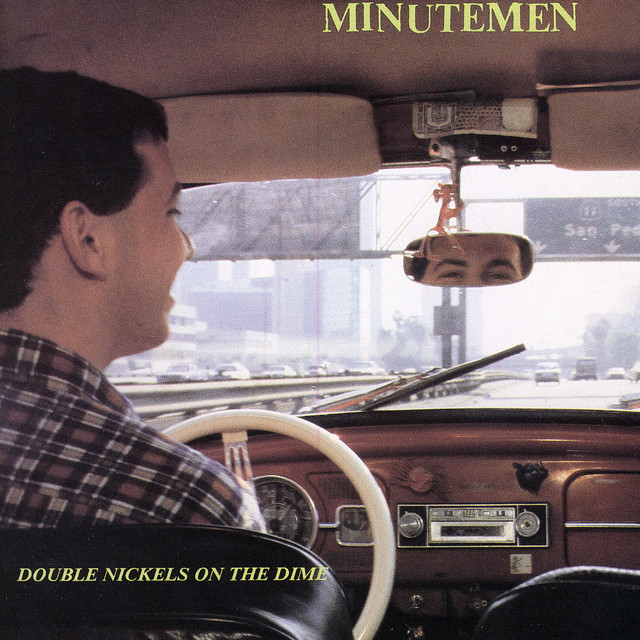
12. Double Nickels on the Dime
Minutemen's sprawling 1984 opus, "Double Nickels on the Dime," is a defiant rejection of genre boundaries. It’s punk, but it’s also funk, jazz, and spoken word, all played with an undeniable urgency. D. Boon's distinctive guitar, Mike Watt's elastic bass, and George Hurley's precise drumming create a sound that’s both raw and incredibly tight. The analog recording perfectly captures their kinetic energy, preserving the spontaneous feel of a band pushing the limits of what a hardcore band could achieve.