


1. Ege Bamyasi (Remastered Version)
Can's 'Ege Bamyasi' is where their rhythmic sorcery truly coalesced. This remastered version clarifies the deep, almost telepathic interplay between Czukay's bass and Liebezeit's drumming, a relentless, organic pulse that felt like a living entity in the studio. The tape manipulations and Damo Suzuki's evocative non-sequiturs are sharpened, revealing the intricate texture of their psychedelic-funk offshoot. It's a testament to pre-digital production, capturing raw improvisation with astonishing fidelity, shaping rock's rhythmic future without ever losing its loose, hypnotic groove.
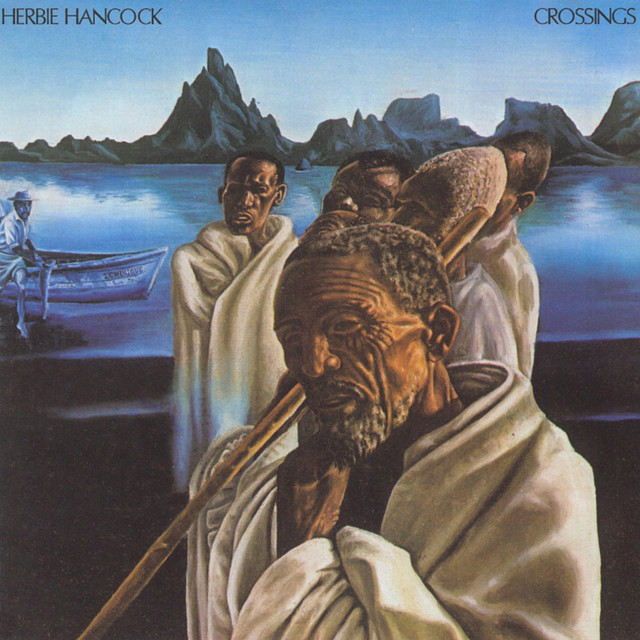
2. Crossings
Herbie Hancock's 'Crossings' from the Mwandishi era is a journey into jazz-fusion's most adventurous reaches. Here, the Moog and ARP synthesizers aren't just novelty; they're integral to the expansive, almost cosmological soundscapes. The studio work on this record is a masterclass in blending acoustic and electronic textures, creating vast sonic panoramas. It’s dense, yet never opaque, a fluid conversation between intricate horn arrangements and nascent electronic pulses, all captured with an analog warmth that modern digital techniques often struggle to replicate.
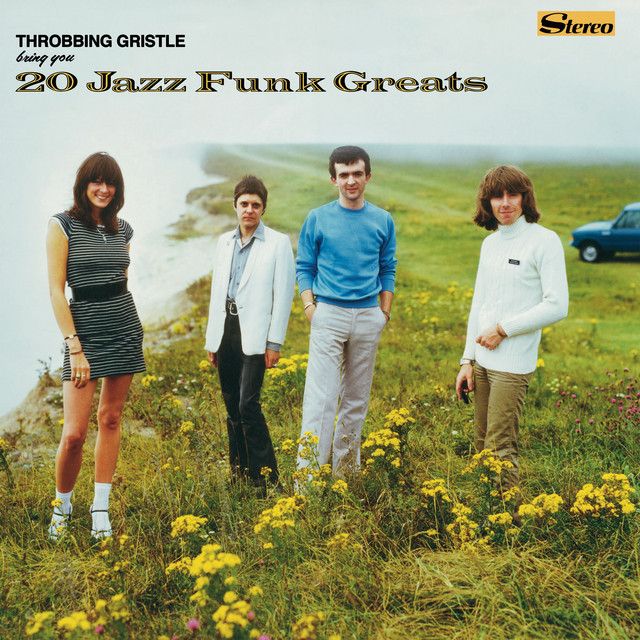
3. 20 Jazz Funk Greats (Remastered)
This remastered '20 Jazz Funk Greats' strips away some of the original's murky sheen, exposing the stark, unsettling core of Throbbing Gristle's industrial blueprint. It’s a deliberately confrontational artifact, where primitive drum machines and tape loops create a coldwave rhythm section, underpinning Cosey Fanni Tutti's abrasive textures and Genesis P-Orridge's detached pronouncements. The album's calculated ugliness, its anti-aesthetic, was painstakingly constructed in an analog domain, proving that true sonic innovation often stems from a rejection of traditional beauty.
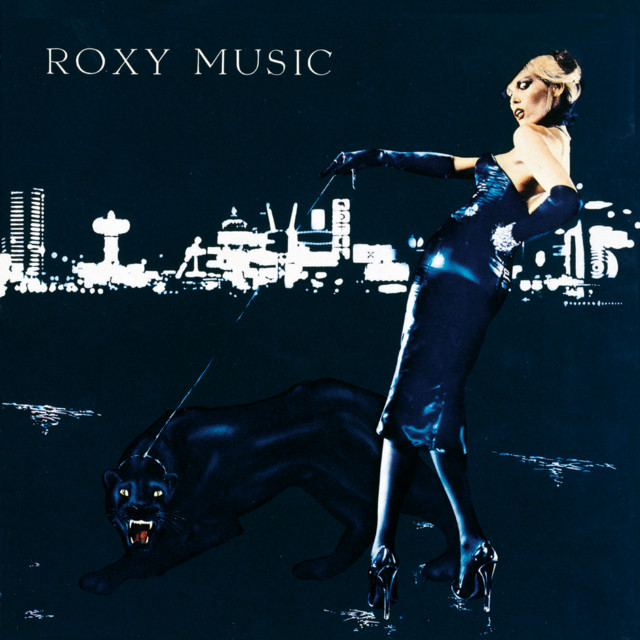
4. For Your Pleasure
Roxy Music's 'For Your Pleasure' is art-rock at its most decadent and self-aware. Bryan Ferry's croon, Manzanera's jagged guitar, and Eno's synth treatments coalesce into a sophisticated, yet unsettling, sonic architecture. The studio manipulation here is subtle but crucial, creating an atmosphere of elegant unease. It’s a record that understands the power of space and texture, using early electronic elements to paint vivid, theatrical scenes, proving that rock could be both intellectually challenging and undeniably chic, all captured with remarkable clarity.

5. Fireside Favourites
The Residents' 'Fireside Favourites' is a prime example of avant-garde audacity. This album, a collection of bizarre, warped interpretations, pushes the boundaries of perception. Their meticulous, almost surgical approach to sound collage and manipulation, all achieved with tape and early synthesizers, creates truly disorienting narratives. It’s a testament to the pre-digital era's ingenuity, where sonic landscapes were crafted through painstaking, physical means, resulting in a sound that remains both utterly unique and deeply unsettling, a true psychedelic offshoot.
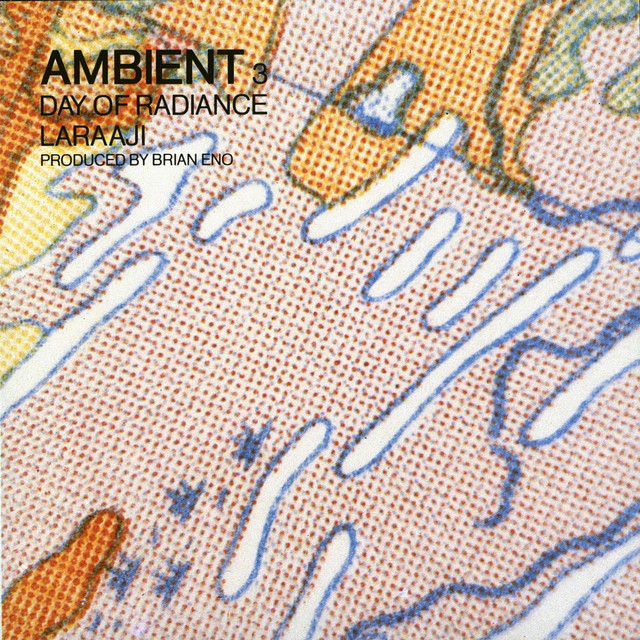
6. Ambient 3: Day Of Radiance
Brian Eno and Laraaji's 'Ambient 3: Day Of Radiance' offers a masterclass in sonic tranquility. The zither's sustained tones, treated with Eno's signature tape delays and reverbs, create an almost spiritual resonance. This pre-digital ambient work isn't just background noise; it's a carefully constructed environment, designed for deep listening and contemplation. The warmth of the analog recording process imbues the sound with a natural, organic quality, a stark contrast to later, often sterile, digital attempts at similar textures.

7. Squawk (2013 Remaster)
The Fall’s 'Squawk', even in its 2013 remastered form, retains its primal, post-punk rawness. Mark E. Smith’s lyrical snarl and the band’s deliberately abrasive, repetitive guitar lines are amplified, showcasing their early, uncompromising vision. This wasn't about studio polish; it was about capturing a visceral energy, a defiant anti-rock stance. The remaster simply clarifies the grit and angularity, preserving the essential, unvarnished sound of a band forging a new path, rejecting mainstream rock’s conventions with pure, unadulterated noise.
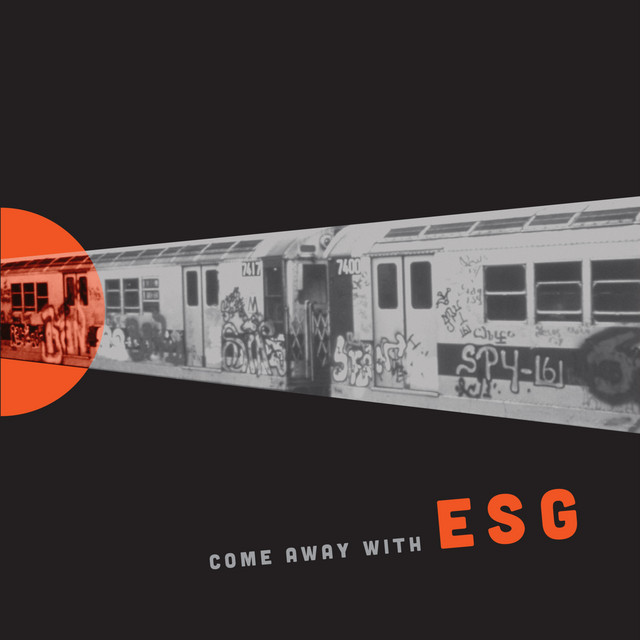
8. Come Away with ESG
ESG's 'Come Away with ESG' is a foundational text in minimalist funk and early rhythmic patterns of rap. The interlocking basslines, sparse percussion, and tight, almost telepathic interplay between instruments create an irresistible groove. Recorded with a raw, unadorned aesthetic, it’s a brilliant example of how much impact can be generated with so few elements. The pre-digital studio captured their live, kinetic energy, influencing countless acts across post-punk, hip-hop, and early house music with its undeniable, stripped-down potency.
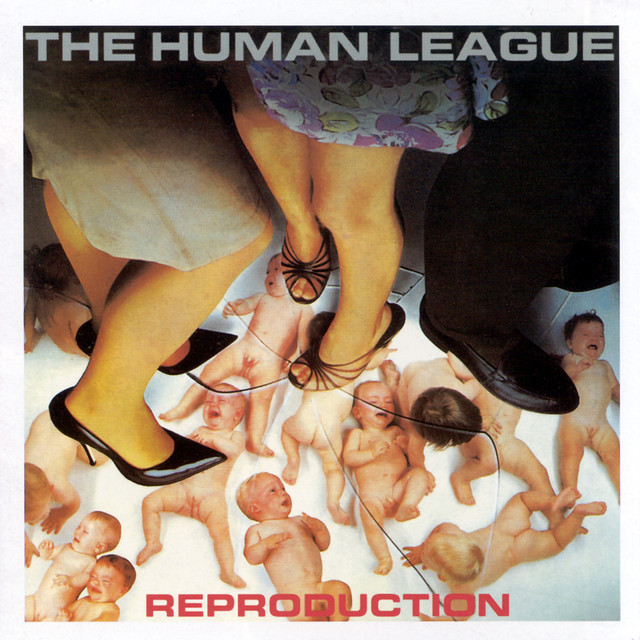
9. Reproduction
The Human League's 'Reproduction' is a vital, albeit stark, document of early synth-pop. Before the glossy production of their later work, this album reveals a darker, more experimental side, heavily reliant on analog synthesizers and primitive drum machines. The cold, mechanical textures and detached vocals felt genuinely futuristic at the time. It showcases the painstaking process of crafting electronic music in the pre-MIDI era, assembling sequences and sounds with a meticulous, almost scientific approach that laid groundwork for an entire genre.
10. World Of Echo
Arthur Russell's 'World Of Echo' is a singular achievement, a deeply personal exploration of cello and voice, treated with delays and reverbs. It’s an ambient, almost spiritual experience, where each note hangs in the air, resonating with profound melancholy. The simplicity of the instrumentation belies the complexity of the sonic landscape created through carefully applied analog effects. This album stands as a testament to the power of a single artist pushing the boundaries of sound, capturing an entire universe within a minimal, intimate framework.
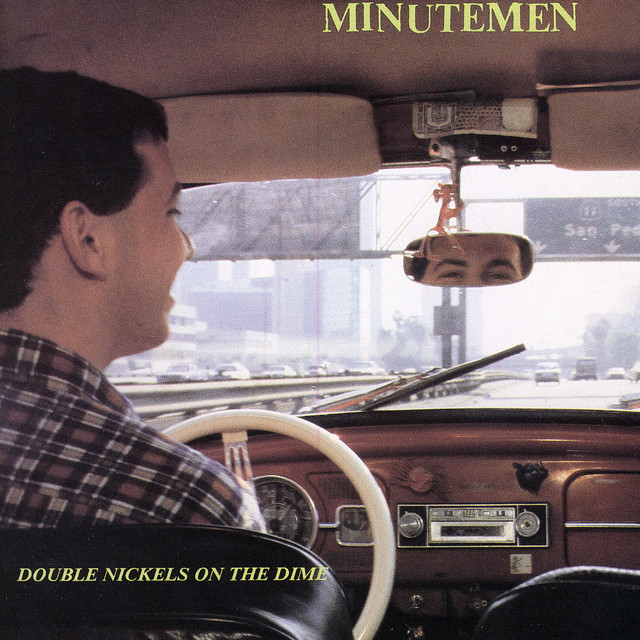
11. Double Nickels on the Dime
Minutemen's 'Double Nickels on the Dime' is a sprawling, restless masterpiece of post-hardcore. Their unique blend of punk, funk, and jazz elements, filtered through D. Boon's distinctive guitar and Mike Watt's propulsive bass, is captured with an urgent, raw immediacy. The album's sheer scope, featuring 45 tracks, was an audacious statement. It's a prime example of independent spirit, recorded on a shoestring budget but brimming with sonic ideas, proving that ingenuity and raw talent could outshine any major label polish.