
1. Naked City
This wasn't your father's cop show. Filmed right there on the streets of New York, "Naked City" gave you a raw, almost newsreel feel, a far cry from the usual soundstage fare. Each week, a new story, a new set of lives caught in the city's churn. It felt real, even through that fuzzy picture, showing a side of police work and urban struggle that was genuinely groundbreaking. You saw the city breathe, not just a backdrop, but a character itself.
2. Route 66
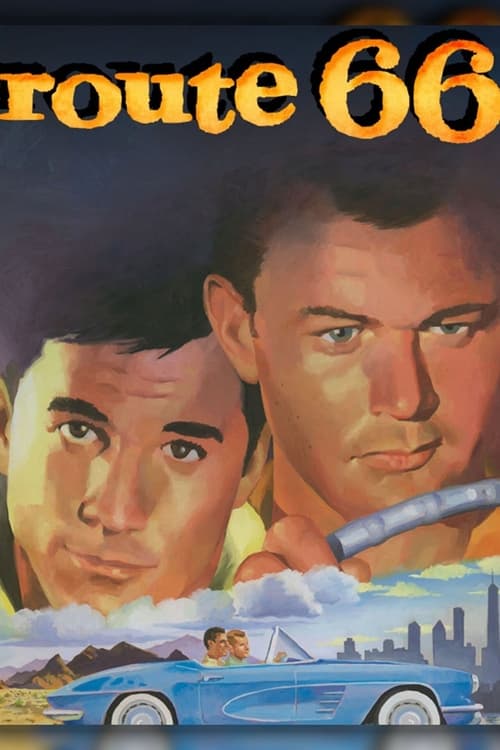
Now, this was something else. Two young fellas, Buz and Tod, just driving that fancy Corvette across the country. Every town, a new story, a new problem, a new face. It was an anthology, really, but with these two constant drifters pulling you through. You got to see America, the good and the bad, the changing landscapes, all from a perspective we hadn't really seen before on the tube. The black-and-white added to that wanderlust, somehow.
3. The Defenders
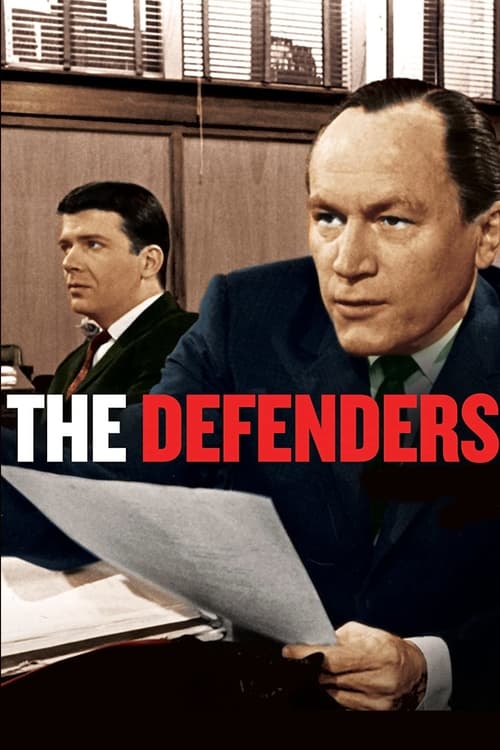
"The Defenders" didn't shy away from the tough stuff. Here were these lawyers, father and son, taking on cases that made you think, really think, about justice and morality. They weren't just winning arguments; they were exploring the thorny issues of the day, things other shows wouldn't touch with a ten-foot pole. It was intelligent, mature drama, pushing the boundaries of what you could discuss in your living room, even with the picture flickering.
4. East Side/West Side
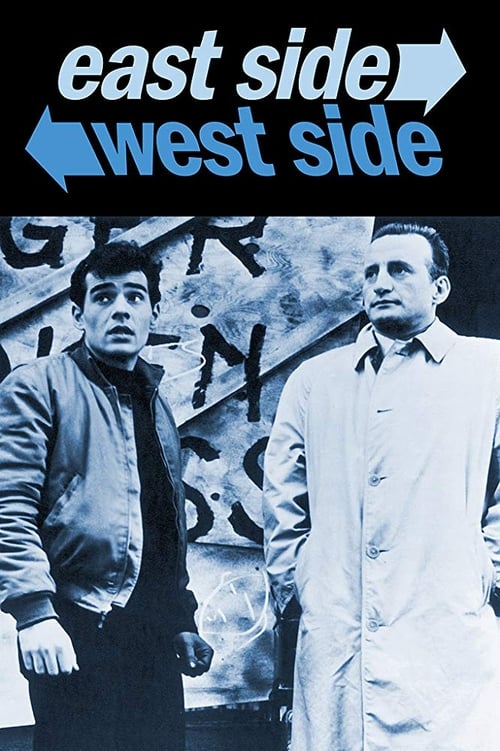
Boy, "East Side/West Side" was a tough watch, but an important one. George C. Scott as a social worker, right there in the thick of things in New York. This show didn't sugarcoat anything; it showed you the harsh realities of poverty, prejudice, and urban decay with unflinching honesty. Maybe too honest for some, as it didn't last long. But the performances, and that raw, documentary-like feel, stuck with you. It was potent drama.
5. Kolchak: The Night Stalker
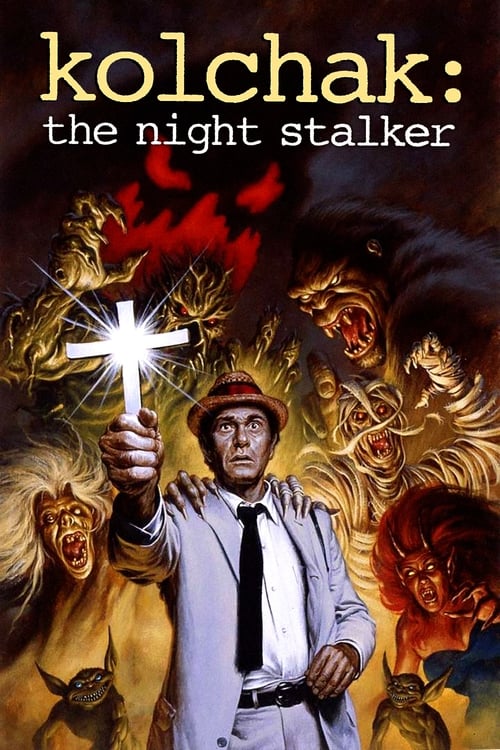
Carl Kolchak, that rumpled reporter, always stumbling onto something weird. Vampires, werewolves, aliens – you name it. This show had a fantastic knack for taking the ordinary and twisting it into something chilling. It was episodic, sure, but Kolchak's persistent, often exasperated quest for the truth gave it a unique through-line. You were never quite sure what impossible creature he'd chase next, but you knew it'd be a wild ride, even with the 70s color looking a bit muted.
6. Mary Hartman, Mary Hartman
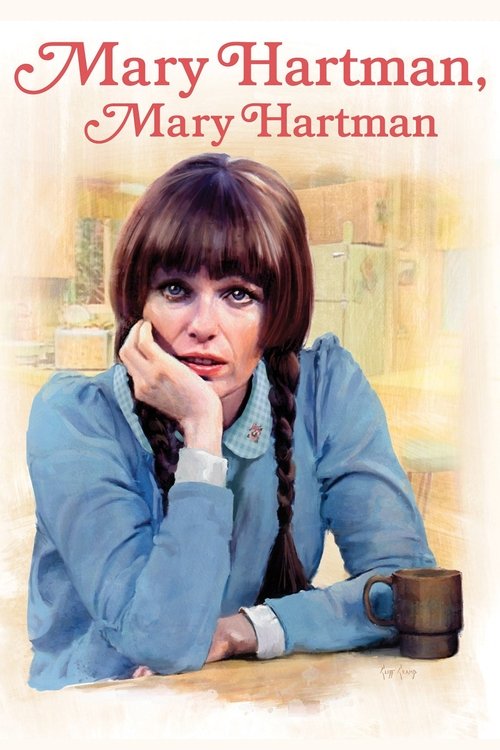
Now, "Mary Hartman, Mary Hartman" was just plain peculiar, and in the best way. It was a soap opera, yes, but turned completely on its head. Mary, with her perfectly clean kitchen floor, navigating the most bizarre, tragic, and hilarious events imaginable. Norman Lear really pushed the envelope here, blurring the lines between satire and genuine pathos. It was serialized, demanding you tune in nightly, a real experiment in how long-form storytelling could be done, even if it looked like it was filmed in a living room.
7. Frank's Place
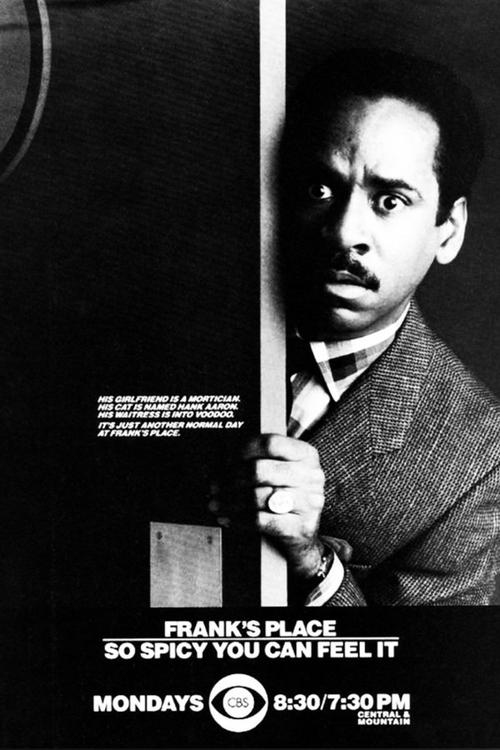
"Frank's Place" was a smart one. It was a sitcom, supposedly, but it felt more like a drama with a great sense of humor, set in a New Orleans restaurant. The characters, the atmosphere, the way the stories unfolded over time – it wasn't your usual weekly setup-punchline fare. This show understood continuity, letting relationships and problems develop naturally. It was warm, witty, and had a real sense of place, a welcome change from the canned laughter factory.

8. Wiseguy
"Wiseguy" was a game-changer for television drama. Forget those weekly, clean-cut cases; this show followed an undercover agent, Vinnie Terranova, deep into the criminal underworld for *arcs* that lasted for weeks, sometimes months. You got invested in the villains, too, and the stakes felt incredibly real. It was dark, intense, and showed you just how compelling long-form storytelling could be, really pushing the boundaries of what a TV series could achieve. The picture might have been standard def, but the depth was high.