

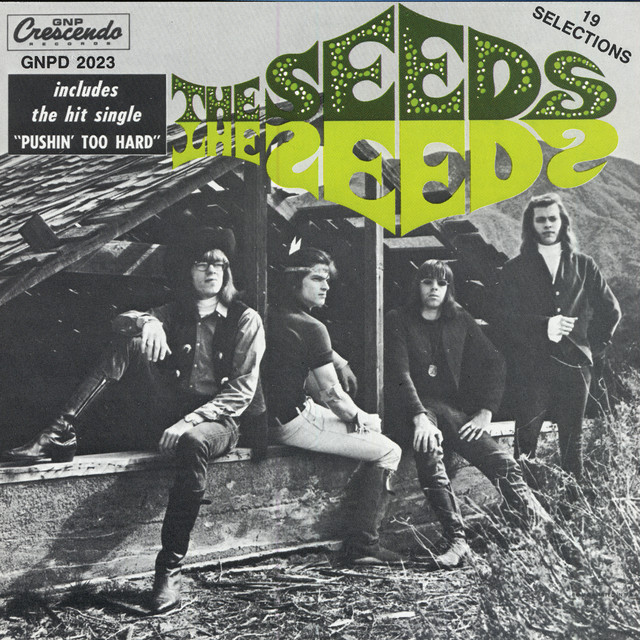
1. The Seeds
Look, before punk had its proper name, there was this primal scream. The Seeds, man, they weren't about refinement; they were about raw, unvarnished garage rock. 'Pushin' Too Hard' perfectly encapsulates that sneering, snot-nosed energy. It was crude, it was loud, and it absolutely rejected the saccharine pop of its day. This wasn't some polished studio affair; it was the sound of three chords and a bad attitude, sparking a whole lineage of independent noise in cramped clubs and basements. Essential, really.
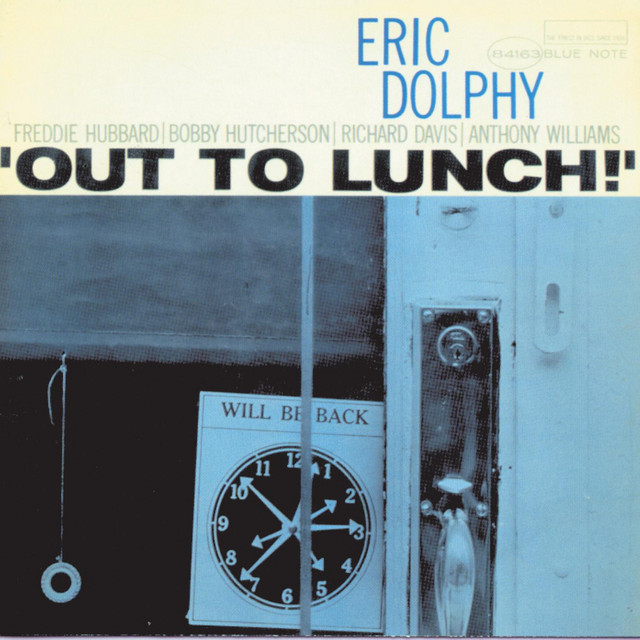
2. Out To Lunch (The Rudy Van Gelder Edition)
Dolphy’s statement. This ain't your grandpappy's swing, nor even the cool bop that preceded it. This is 'out.' The compositions are angular, the solos are exploratory, pushing the boundaries of what a horn could even articulate. Rudy Van Gelder’s touch here is crucial, bringing a crispness to the chaos, letting every dissonant chord and soaring improvisation breathe. It's an intellectual challenge, sure, but also a pure, unadulterated dive into uncharted sonic territory, laying groundwork for decades of avant-garde pursuits.

3. The Best of Mississippi Fred Mcdowell
This ain't just blues, this is *the* blues. Fred McDowell, he wasn't playing for the charts; he was playing for survival, for truth. His slide guitar work is haunting, a sermon in every bent note, and his voice carries the weight of generations. You hear the deep roots of gospel intertwined with a secular sorrow that just cuts right through you. This sound, man, it’s the bedrock. It’s where rock and roll stole its soul, before it got all slick and polished.

4. Yen
Yen Records, Haruomi Hosono's brainchild, was a true laboratory. It fused early electronic minimalism with a distinctly Japanese sensibility, creating something otherworldly yet profoundly influential. You hear elements of krautrock's rhythmic precision and Eno's ambient textures, but twisted through LinnDrum machines and nascent synthesizers. It wasn't about mainstream pop; it was about crafting intricate sonic landscapes, laying foundations for synth-pop, electro, and all manner of leftfield electronic explorations that still resonate in the underground.

5. Suicide Squad: The Album
Alright, so this one's a bit outside my usual stomping grounds, innit? A modern film soundtrack, designed for mass consumption. It pulls from contemporary pop and hip-hop, sure, but it lacks that raw, unpolished edge, that deliberate rejection of the mainstream that defined the real underground. It’s too... curated. The grit feels manufactured, not earned. It doesn't build a new sonic architecture; it assembles existing blocks for a franchise. Not really what we’re talking about when we say 'underground'.

6. Kollaps
Einstürzende Neubauten, they weren't just making music; they were tearing down the damn walls. *Kollaps* is a brutalist masterpiece. Scrap metal, drills, custom-built instruments—this was industrial music before it was even properly codified. It's dissonant, percussive, and utterly uncompromising. The vocals are more like primal screams or guttural pronouncements. This wasn't for dancing; it was for challenging, for disturbing, for reflecting the harsh realities of a crumbling world. A blueprint for noise and industrial's harshest edges.
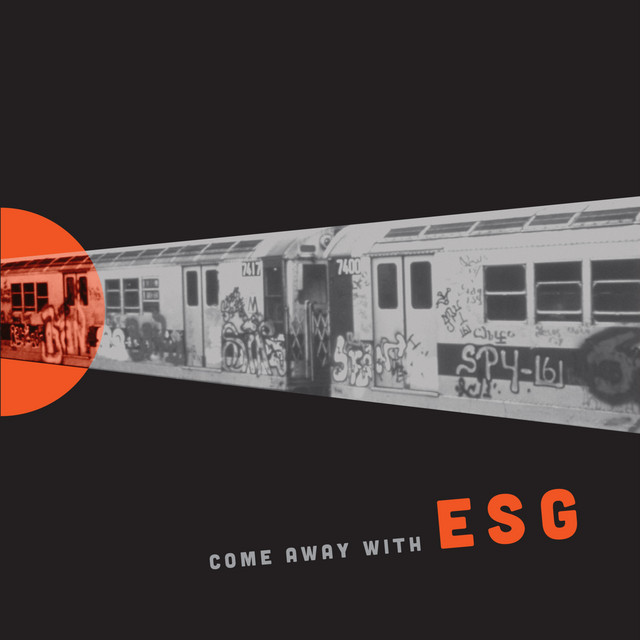
7. Come Away with ESG
ESG just *grooved*, man. Their sound was stripped-down, skeletal, yet impossibly funky. It's post-punk minimalism meeting early New York dance culture, all sparse basslines, sharp drums, and chanted vocals. There’s a directness, an almost childlike simplicity to their approach that belies its profound influence on house, hip-hop, and indie dance. No frills, no fuss, just pure, unadulterated rhythmic propulsion that still makes you want to move, decades later. A true underground gem.
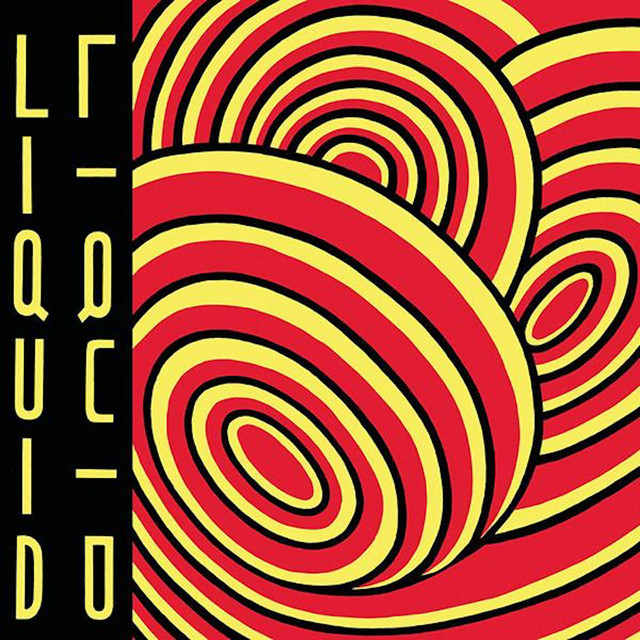
8. Optimo
Optimo, the club night and the label, ain't just a party; it's an institution dedicated to the weirder corners of the dancefloor. Drawing from industrial's grit, post-punk's angularity, and krautrock's hypnotic pulse, it's a living archive of sounds that never quite broke into the mainstream. It’s about challenging expectations, pushing boundaries, and reminding you that electronic music can be as abrasive as it is alluring. A vital conduit for sounds that truly earned their 'underground' stripes.
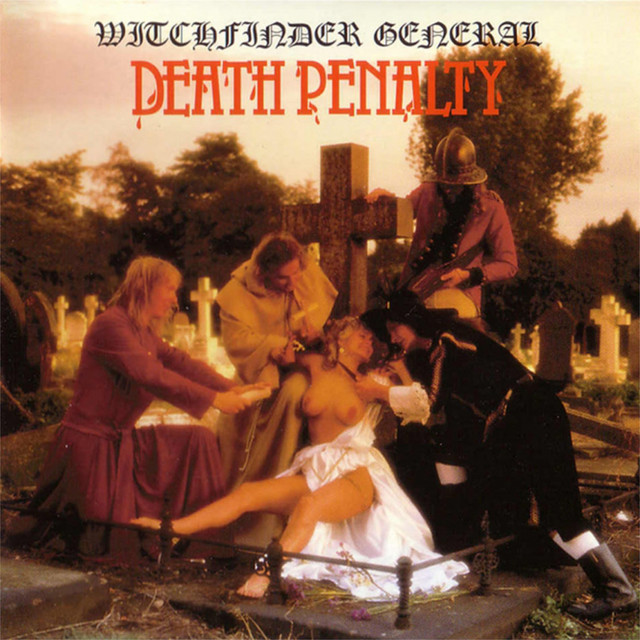
9. Death Penalty
Witchfinder General, man, they were heavy. This ain't thrash yet, but it's got that undeniable doom metal crawl. Slow, grinding riffs, a thick, suffocating atmosphere, and a vocal delivery that sounds like it’s emanating from a crypt. You hear the nascent structures of what would become a whole subgenre of metal here, steeped in Sabbath's darkness but with an even more pronounced sense of dread. Raw, uncompromising, and absolutely essential for understanding metal's darker origins.
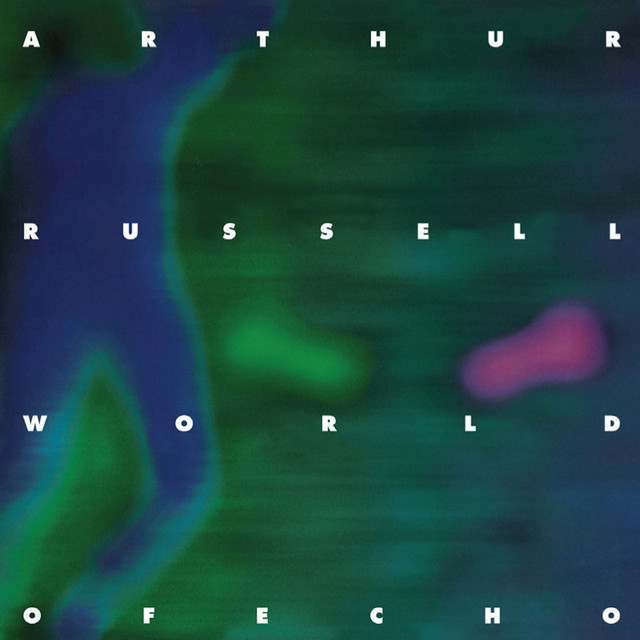
10. World Of Echo
Arthur Russell’s *World of Echo* is a singular, haunting statement. Just cello, voice, and a whole lot of echo, it’s early electronic minimalism taken to its most intimate. He builds these delicate, almost spiritual soundscapes that feel both ancient and futuristic. It’s not about grand gestures; it’s about micro-textures and sustained moods. This record exists in its own beautiful, melancholy universe, proving that true experimentation can be profoundly personal, carving out a unique space that few have ever dared to inhabit.