
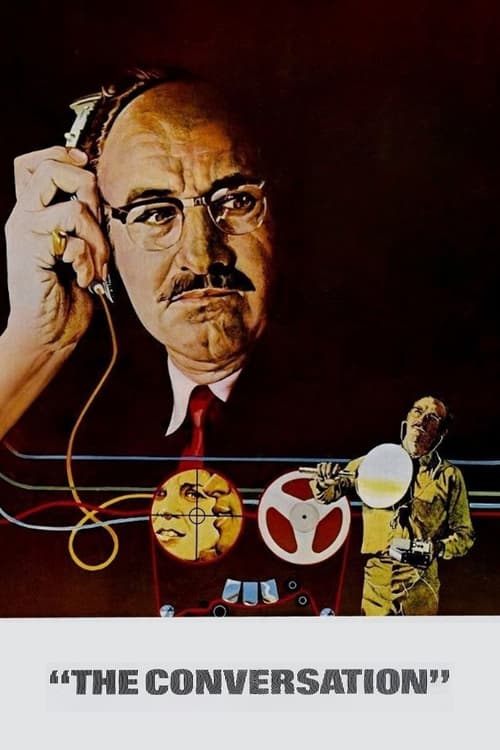
1. The Conversation
Francis Ford Coppola’s masterful psychological thriller, released between his *Godfather* epics, delves into the paranoia of surveillance. Gene Hackman’s Harry Caul, a meticulous but guilt-ridden eavesdropper, grapples with the moral implications of his work. It’s a chilling, introspective character study, dissecting trust and isolation in a world where privacy is a myth. The film’s tension builds through sound design, making every whisper a potential revelation.
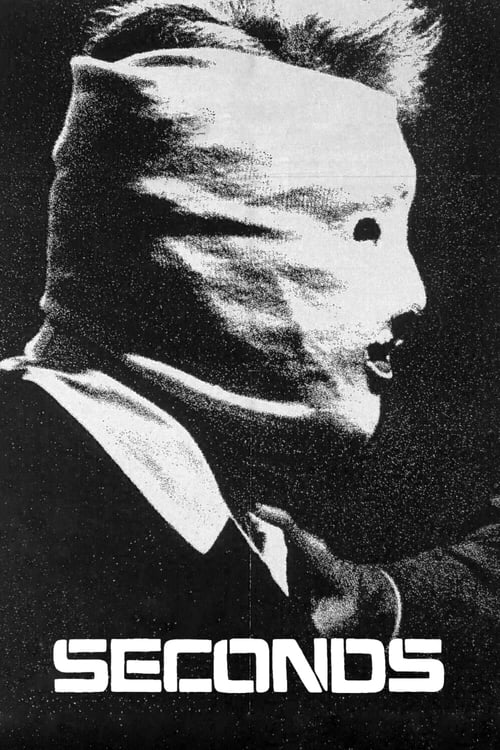
2. Seconds
John Frankenheimer’s unsettling science fiction thriller is a disquieting look at identity and the pursuit of a second chance. Rock Hudson, in a remarkable departure, plays a man who fakes his death to undergo radical plastic surgery and assume a new life. But this Faustian bargain reveals a superficial existence, devoid of true connection. The film’s audacious visual style and existential dread make it a profoundly disturbing commentary on conformity and dissatisfaction.

3. Possession
Andrzej Żuławski’s utterly unhinged and unforgettable film is less a horror movie and more a fever dream of marital collapse. Isabelle Adjani and Sam Neill deliver raw, visceral performances as a couple whose separation unravels into something monstrous and inexplicable. Set against a bleak, divided Berlin, it explores extreme emotional states with a relentless, almost operatic intensity. It’s a challenging, confrontational piece, demanding an audience willing to be utterly overwhelmed.

4. Withnail & I
Bruce Robinson’s darkly comedic cult classic captures the squalor and despair of two unemployed actors in late 1960s London. Richard E. Grant's Withnail is an iconic, perpetually inebriated cynic, while Paul McGann's "I" (Marwood) serves as his exasperated foil. Their disastrous country retreat is a brilliant exploration of friendship, failure, and the fading dreams of a generation, all delivered with razor-sharp wit and quotable dialogue.
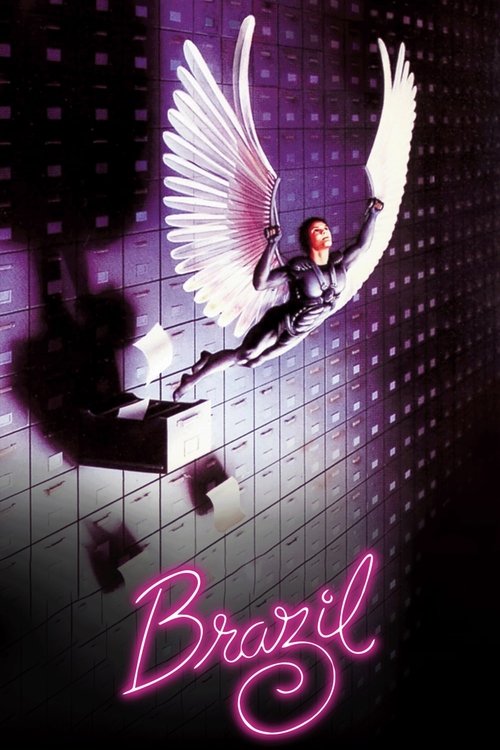
5. Brazil
Terry Gilliam’s dystopian masterpiece is a surreal, darkly humorous critique of bureaucratic overreach and technological dehumanization. Jonathan Pryce plays Sam Lowry, a well-meaning cog in a nightmarish, paper-pushing machine, who dreams of freedom and romance. Its intricate, steam-punk aesthetic and fantastical visual design create a unique, suffocating world. *Brazil* remains a profoundly relevant and imaginative work, a powerful warning against unchecked systems.
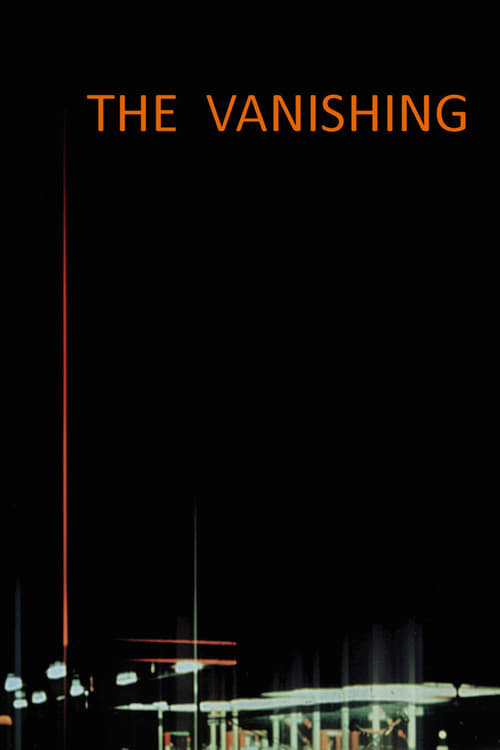
6. The Vanishing
George Sluizer's original Dutch-French film is a chilling, meticulously constructed psychological thriller that preys on the audience’s deepest fears. A man’s girlfriend vanishes at a rest stop, and his obsessive search for her leads him into a horrifying game of cat and mouse with her abductor. It’s a film that eschews graphic violence for pure dread, exploring the nature of evil and the terrifying allure of knowing the truth, no matter the cost.
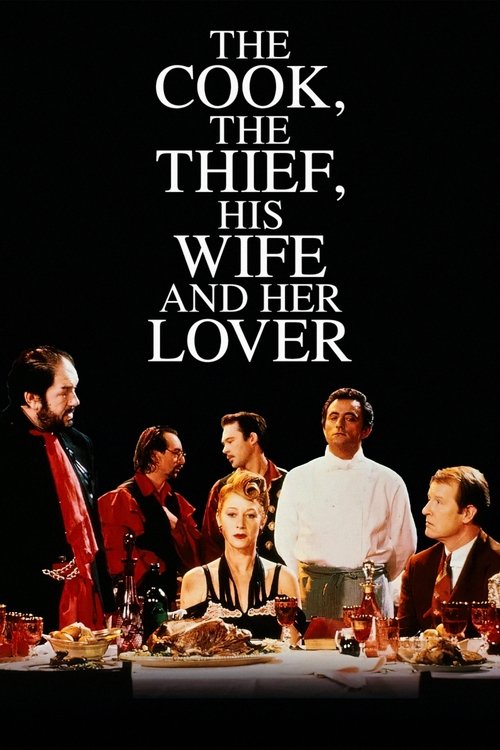
7. The Cook, the Thief, His Wife & Her Lover
Peter Greenaway’s audacious, baroque film is a visually stunning, allegorical descent into gluttony, cruelty, and revenge. Michael Gambon's brutish gangster dominates a lavish French restaurant, oblivious to his wife's affair with a quiet bibliophile. The film’s meticulously composed frames, vibrant color palette, and operatic score create an unforgettable, if often discomforting, cinematic experience. It’s a powerful, visceral commentary on power dynamics and human consumption.
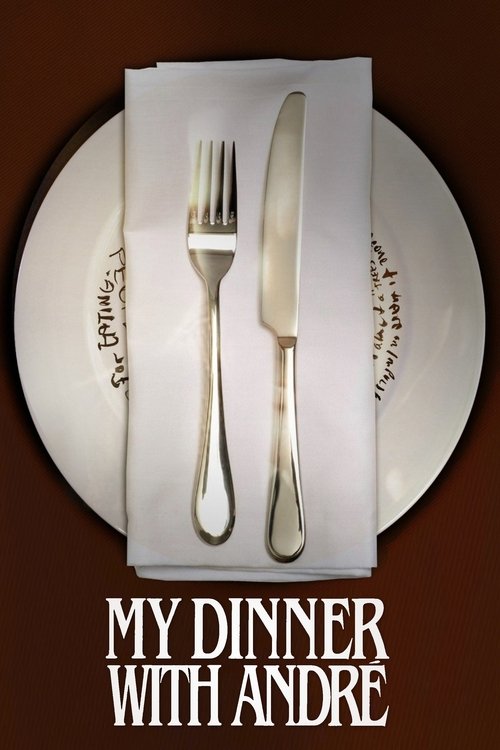
8. My Dinner with Andre
Louis Malle’s singular film is essentially a philosophical conversation between two men over dinner. Wally Shawn and Andre Gregory, playing fictionalized versions of themselves, engage in a sprawling, intimate dialogue about life, art, spiritualism, and the search for meaning. Despite its minimalist premise, the film is utterly captivating, proving that compelling ideas and brilliant performances are all that’s needed to create profound cinema. It’s a quietly profound intellectual exercise.

9. Killer of Sheep
Charles Burnett's landmark independent film offers a raw, poetic, and deeply humanistic portrayal of working-class life in Watts, Los Angeles. Stan, a slaughterhouse worker, struggles with the emotional toll of his job and the quiet despair of his surroundings. Shot in stark black and white, it’s a powerful, neorealist masterpiece, capturing fragments of joy, sorrow, and dignity in ordinary lives. Its artistry and profound empathy cement its place in American cinema.