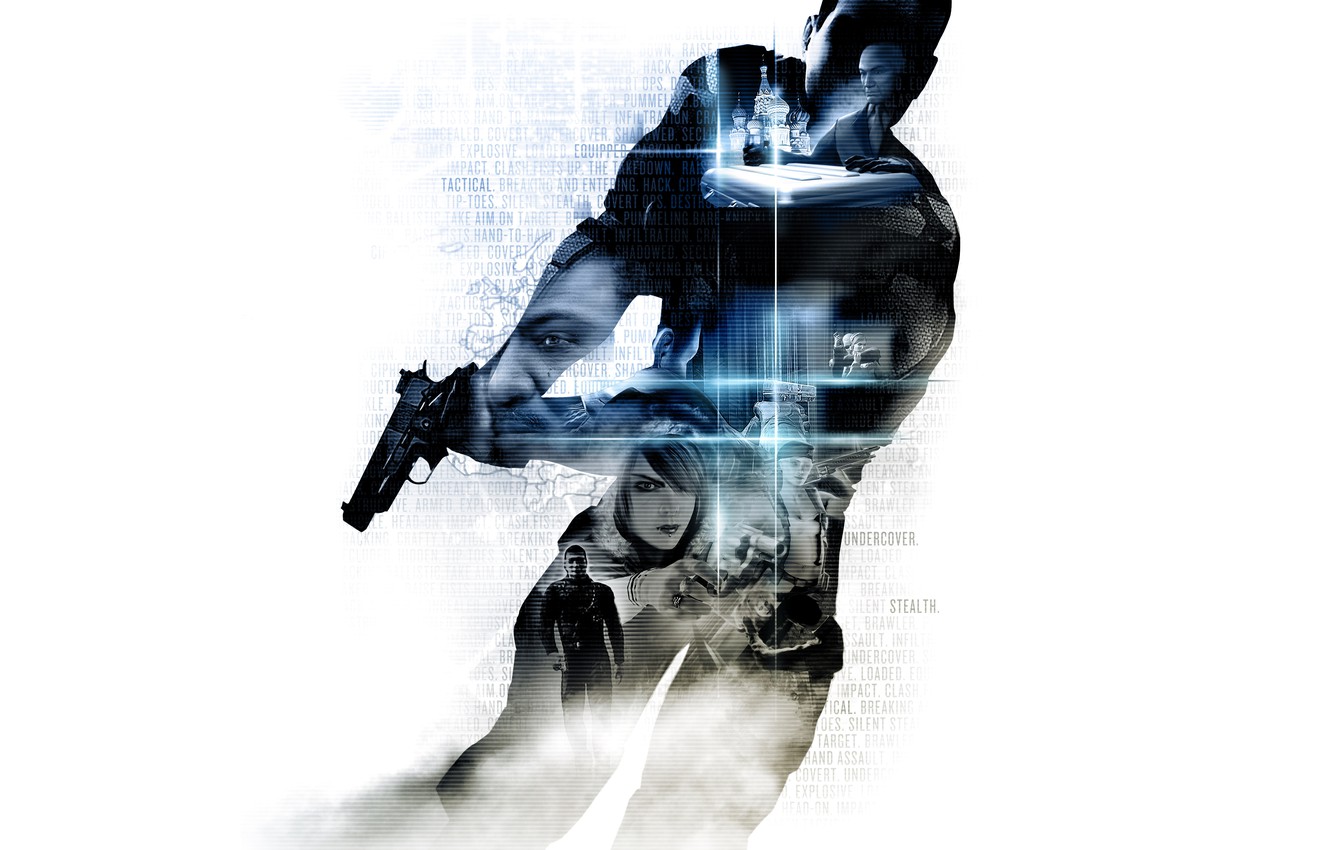
1. Alpha Protocol
This spy RPG truly understood player choice and consequence, a rarity in an era obsessed with linear narratives disguised as freedom. Sure, the combat was a bit clunky, but every dialogue option felt weighty, every alliance fragile. It dared to let you fail forward, creating a personalized espionage tale that few modern 'choice-driven' games can match. It was a shame Obsidian’s bold vision got overlooked, proving that sometimes, narrative ambition trumps polish.
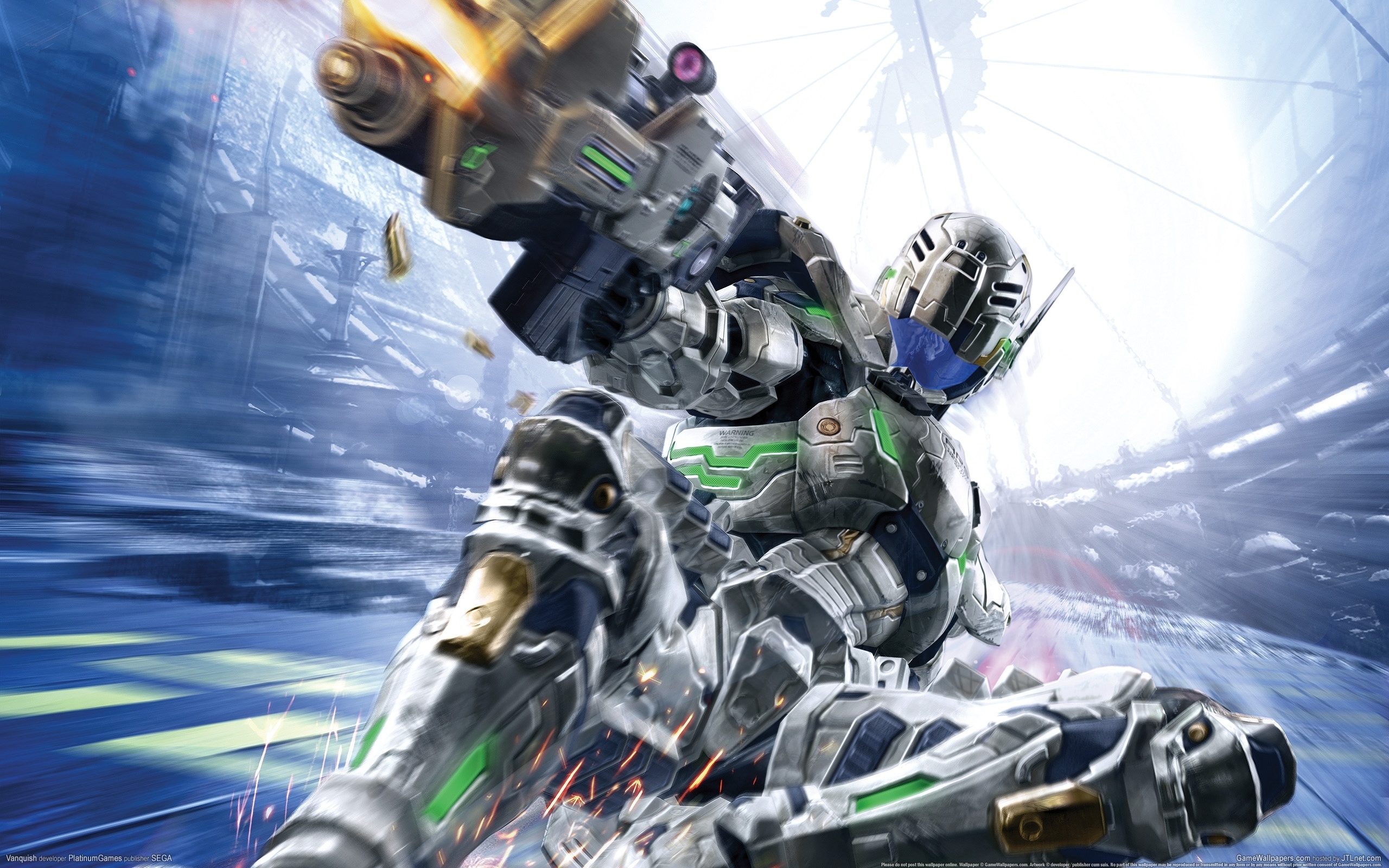
2. Vanquish
PlatinumGames’ magnum opus of pure, unadulterated speed and style. This isn't just another third-person shooter; it's a ballet of rocket-powered slides, slow-motion evasions, and gloriously over-the-top boss fights. It rejected slow, cover-based realism for exhilarating, momentum-driven combat that few have attempted since. Vanquish proved that gameplay *can* be the star, a lesson many developers seem to forget in their quest for cinematic excess, prioritising flash over substance.
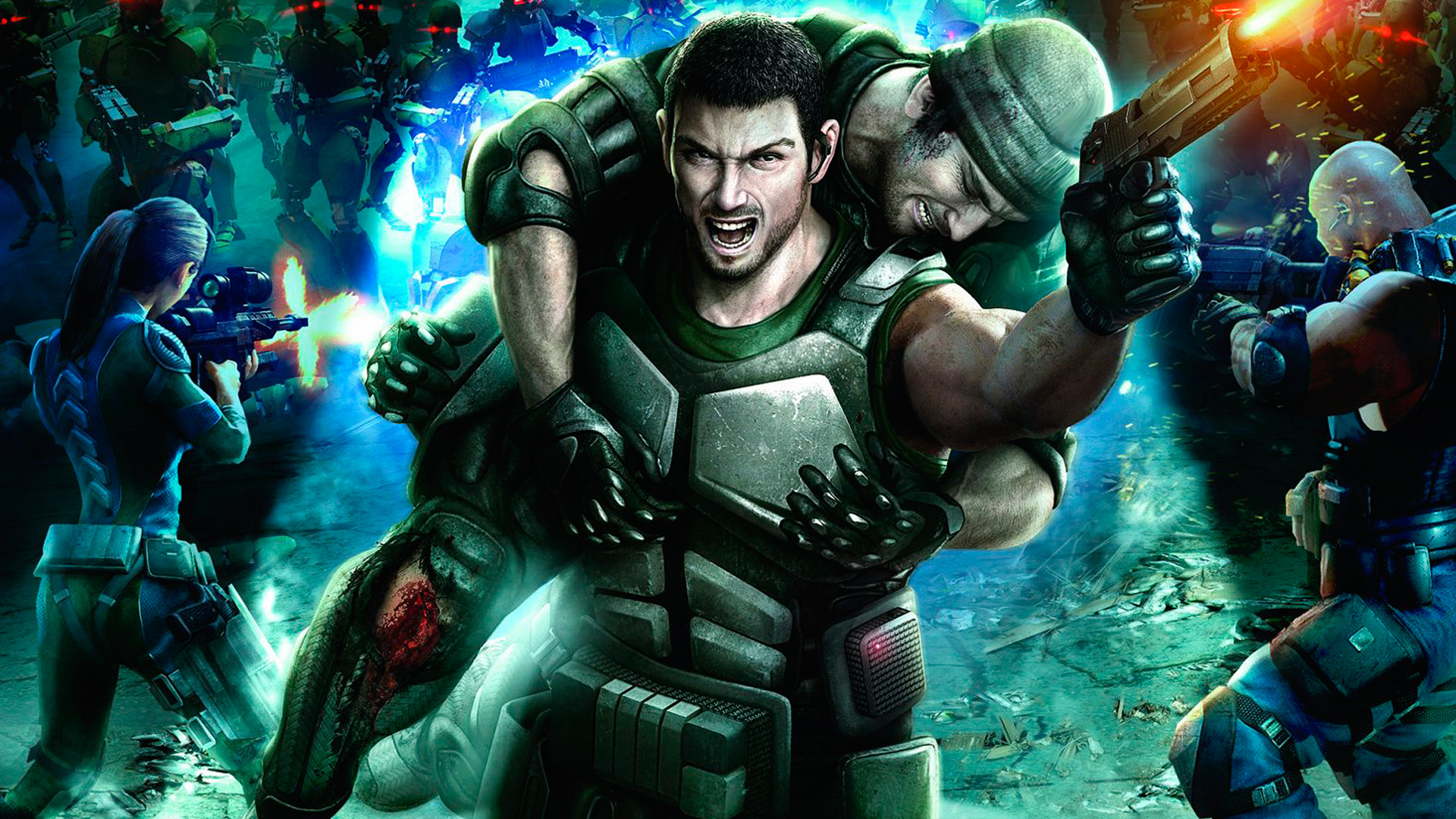
3. Binary Domain
A brilliant sci-fi shooter that pushed the boundaries of squad-based combat with its innovative "Consequence System." Your actions and dialogue choices genuinely affected squad trust, impacting AI performance. Fighting hyper-realistic robots, watching them realistically shatter under fire, felt viscerally satisfying. It delivered a surprisingly poignant story about humanity and AI, proving that a shooter could also have a brain and a heart, a genuine standout that deserved far more recognition.
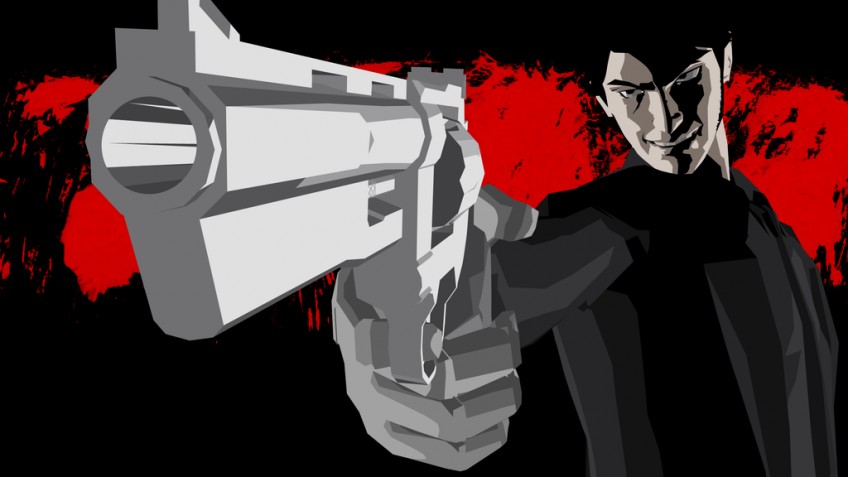
4. killer7
Suda51 and Grasshopper Manufacture delivered something truly singular here. On-rails, yes, but calling it just a "shooter" misses the point entirely. Its stark, cel-shaded visuals, utterly bizarre narrative, and surreal character designs create an unforgettable, aggressive experience. It’s a game that demands interpretation, a jarring, Lynchian fever dream that refused to conform to any genre box. Modern gaming, chasing mass appeal, rarely dares to be this defiantly artistic and weird.
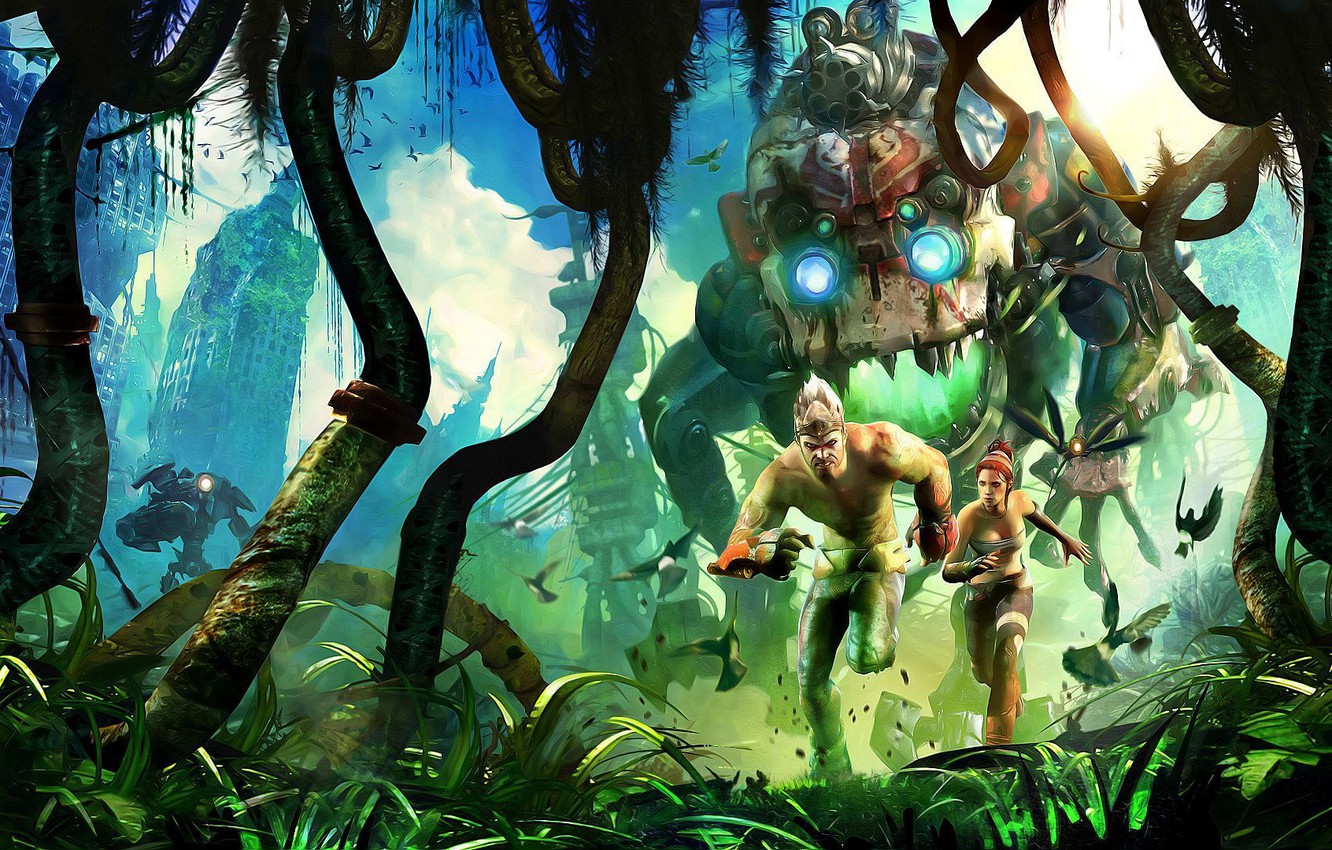
5. Enslaved: Odyssey to the West
Ninja Theory crafted a gorgeous, emotional journey through a post-apocalyptic America. The chemistry between Monkey and Trip felt earned, driving a narrative that prioritized character development over endless fetch quests. Its platforming and combat were solid, but the heart of the game was its stunning visuals and heartfelt storytelling. It’s a testament to how genuine character interactions can elevate an action-adventure, a quality often sacrificed for open-world bloat today.
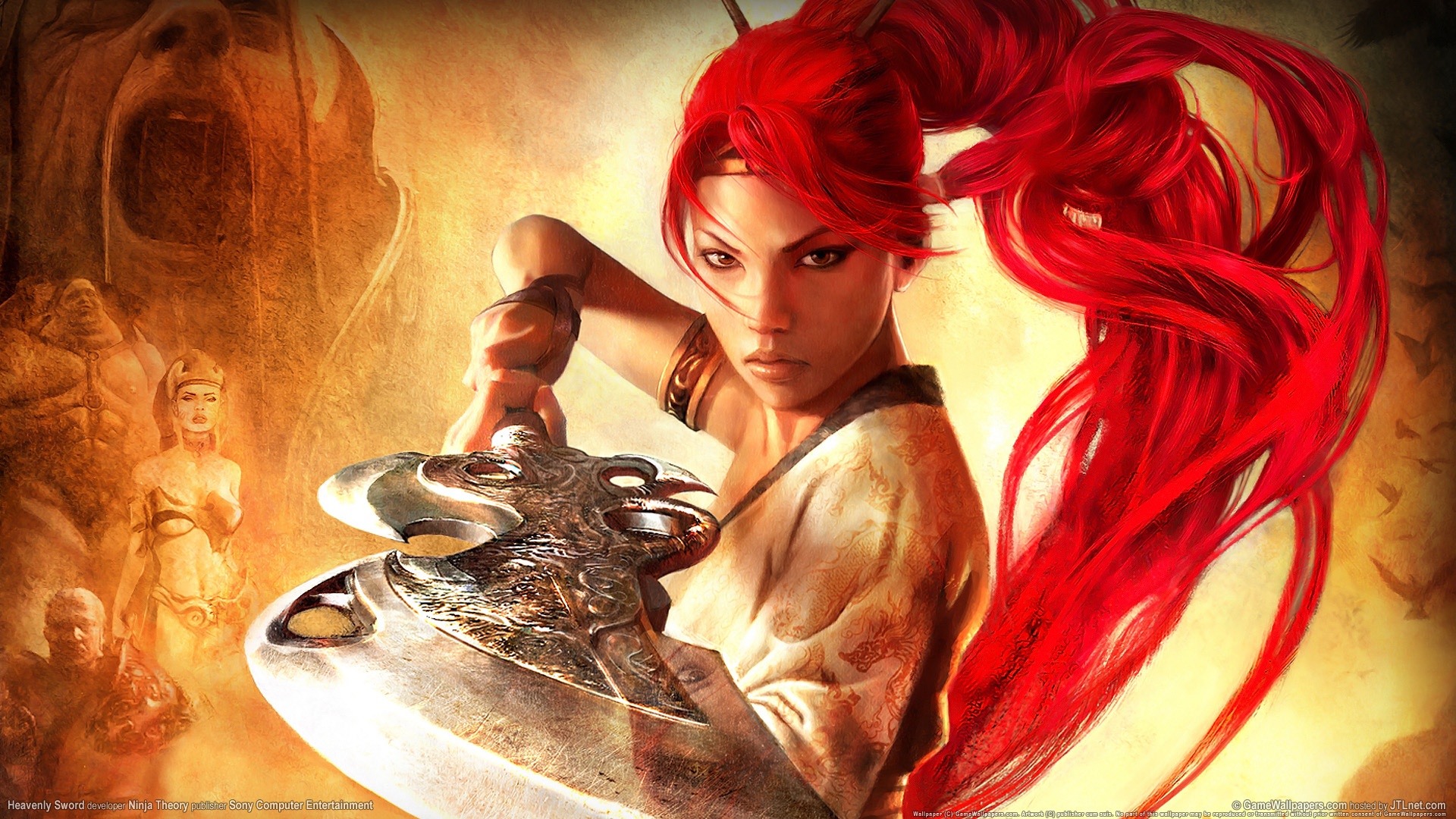
6. Heavenly Sword
An early PlayStation 3 spectacle that, while short, left a lasting impression with its cinematic flair and groundbreaking motion capture. Nariko’s tragic tale and the fluid, weapon-switching combat were a technical marvel for its time. It proved that a concise, character-driven narrative could be more impactful than a sprawling, unfocused epic, a stark contrast to today's open-world bloat. Its focused, artistic vision feels almost revolutionary now.
7. Spec Ops: The Line
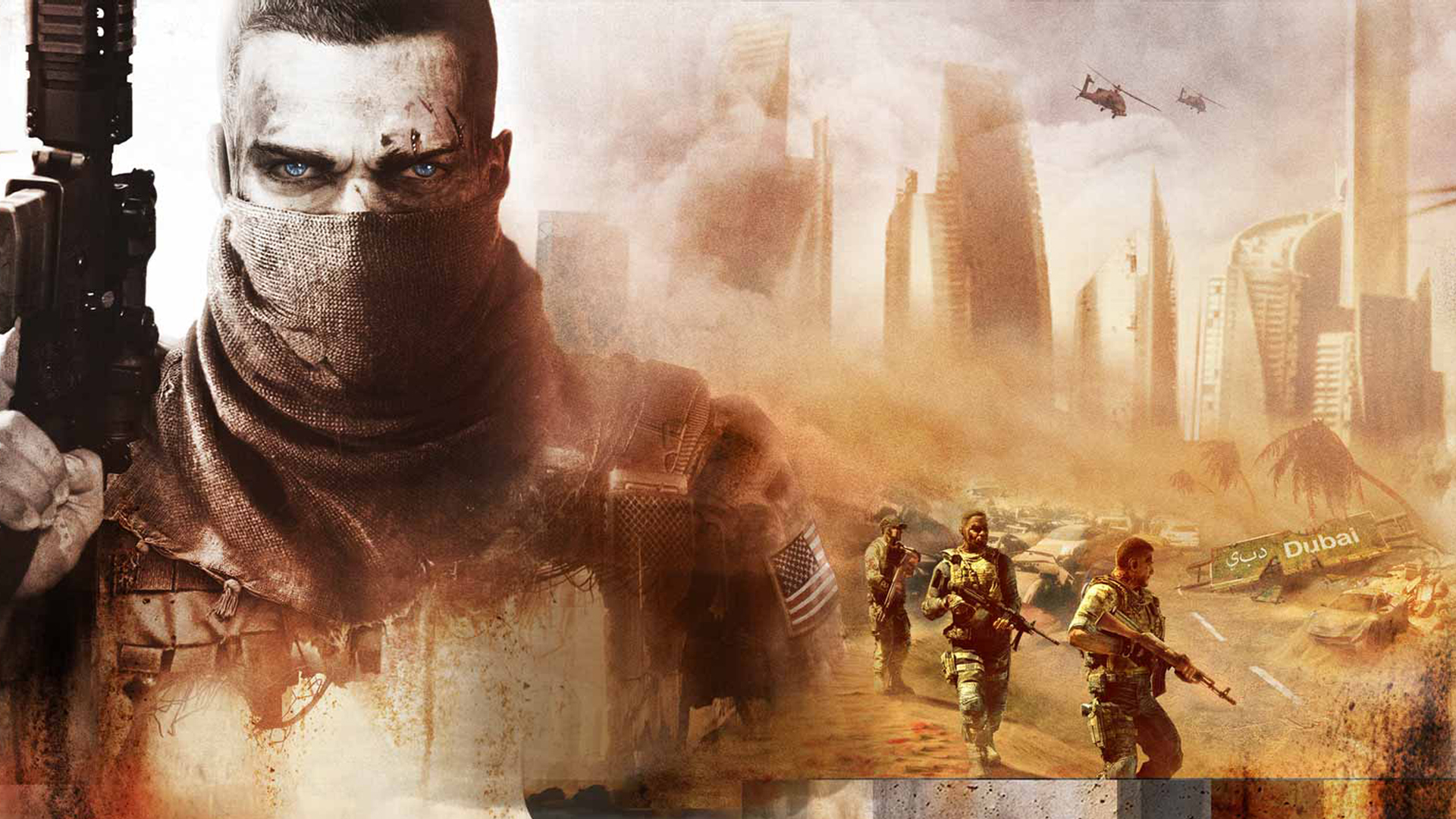
This game isn't just an FPS; it's a psychological gut punch that dissects the morality of war and the player's role in it. It lures you in with familiar shooter tropes, then systematically dismantles them, forcing uncomfortable reflection on every pull of the trigger. Its critique of military glorification and the player-as-hero fantasy remains vital, a brave, provocative narrative that the industry, sadly, rarely attempts with such unflinching honesty anymore.

8. Deadly Premonition
Forget polish; embrace absolute, glorious weirdness. This survival horror detective game, famously divisive, is a masterclass in atmosphere and charm despite its technical shortcomings. It crafts a bizarre, Twin Peaks-esque world filled with unforgettable characters and a story that genuinely gets under your skin. It’s a cult classic because it dared to be utterly unique, proving that artistic vision and personality can transcend jank, a lesson many perfectly competent but soulless games could learn.
9. Okami
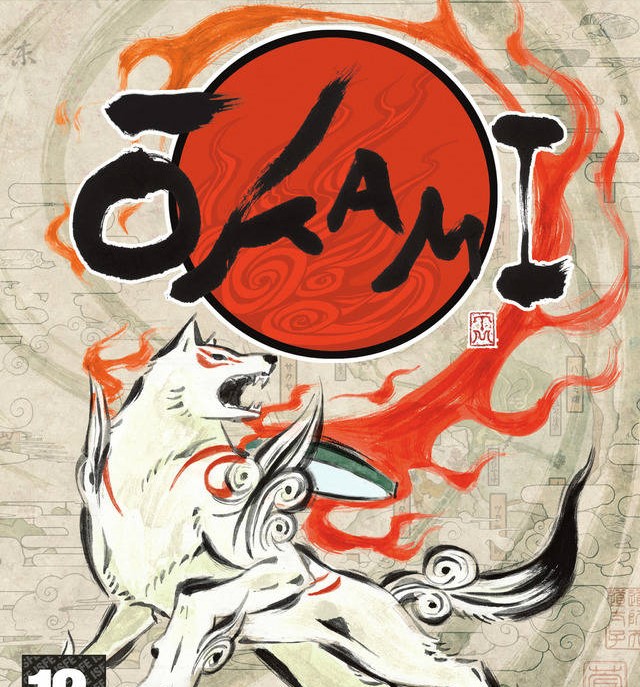
Capcom delivered an artistic masterpiece, blending Japanese folklore with a beautiful cel-shaded aesthetic. More than just a "Zelda-clone," its Celestial Brush mechanics offered a truly unique way to interact with the world and combat. Every frame is a painting, every encounter a delight. It’s a timeless example of how creativity and a strong artistic vision can transcend hardware limitations, a game that still feels fresh and innovative decades later.