

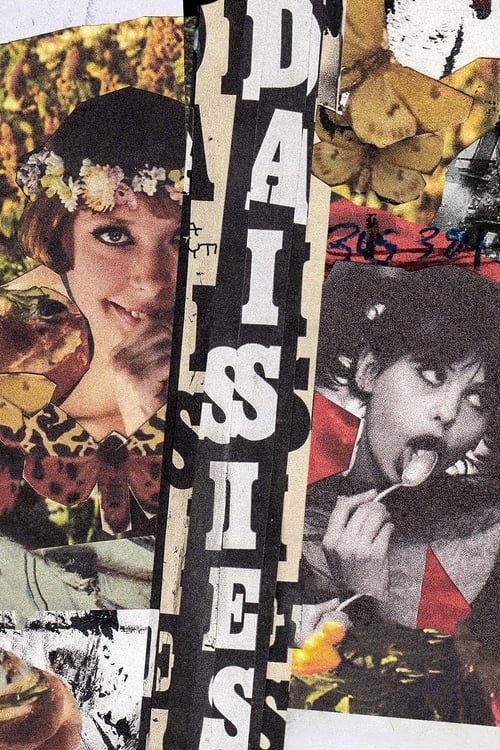
1. Daisies
Věra Chytilová's Czech New Wave gem, *Daisies*, was initially dismissed as nonsensical fluff. But its anarchic spirit and surreal imagery, following two young women indulging in gleeful destruction, is a sharp, feminist critique of societal expectations. It's a playful yet profound rebellion, a vibrant middle finger to patriarchal norms masquerading as a sugar rush. This 1966 film is far from lightweight; it's a revolutionary act.
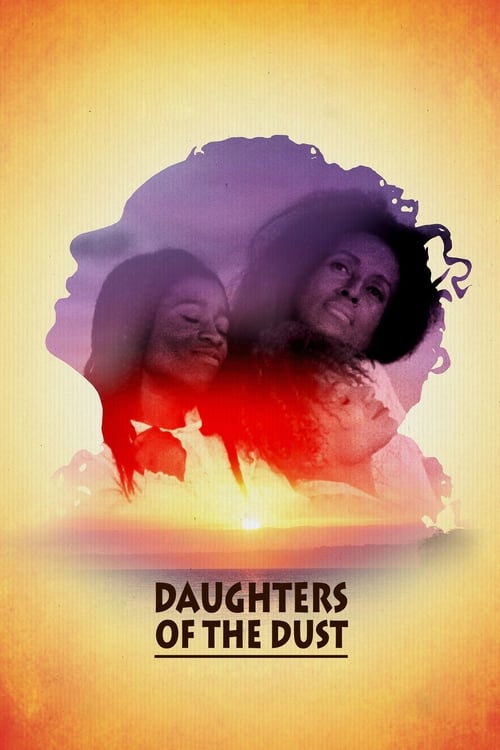
2. Daughters of the Dust
Julie Dash's *Daughters of the Dust* from 1991, often labeled as "slow" or "niche," is a breathtaking, lyrical masterpiece. It explores the Gullah community's struggle to maintain their cultural identity on the cusp of migration. Through stunning visuals and poetic dialogue, it crafts a deeply spiritual and historical narrative, asserting Black womanhood and heritage with profound beauty and resilience. It's a foundational piece of cinema.

3. Possession
Andrzej Żuławski's 1981 *Possession* is frequently pigeonholed as a bizarre cult film, but that misses its raw, visceral power. This post-divorce horror-drama, featuring Isabelle Adjani's legendary performance, delves into the terrifying depths of a disintegrating relationship, using creature-feature elements as potent metaphors for emotional devastation. It’s an aggressive, unforgettable exploration of human anguish, not just shock value. It demands attention.
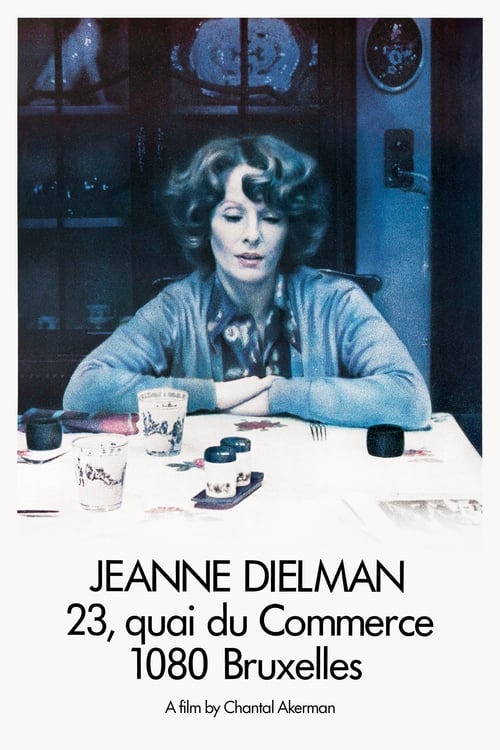
4. Jeanne Dielman, 23, quai du Commerce, 1080 Bruxelles
Chantal Akerman’s 1976 epic, *Jeanne Dielman*, might seem like a three-hour portrait of mundane domesticity. But dismissing it as merely "slow" ignores its radical power. This film meticulously exposes the crushing routine of a widow's life, subtly revealing the quiet desperation and simmering rage beneath the surface. It’s a profound, groundbreaking feminist statement on labor, domesticity, and female existence, demanding patience and rewarding deeply.
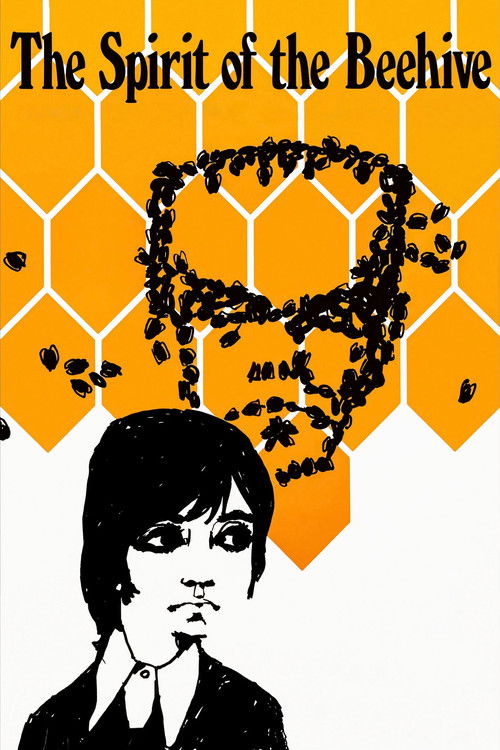
5. The Spirit of the Beehive
Víctor Erice's 1973 film *The Spirit of the Beehive* is often seen as a gentle, melancholic child's fantasy. However, this Spanish masterpiece is a haunting allegory of post-Civil War Spain, viewed through the eyes of a young girl obsessed with Frankenstein. Its quiet, atmospheric beauty masks a deep exploration of innocence, fear, and the lingering trauma of a nation, resonating far beyond its surface.

6. Sweet Sweetback's Baadasssss Song
Melvin Van Peebles' 1971 *Sweet Sweetback's Baadasssss Song* was considered controversial and raw, sometimes dismissed as crude exploitation. Yet, it's a fiercely independent, revolutionary work that redefined Black cinema. This uncompromising narrative about a Black man on the run from the law is a defiant cry for liberation, a vital, groundbreaking cultural artifact that paved the way for future Black filmmakers and narratives.
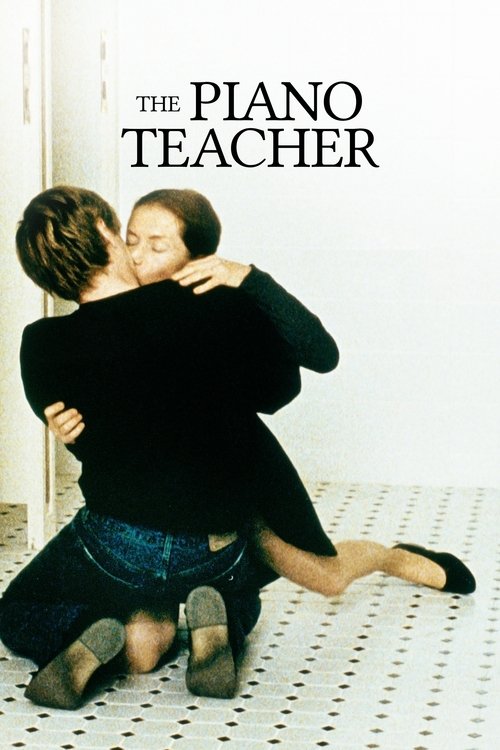
7. The Piano Teacher
Michael Haneke’s 2001 *The Piano Teacher* is often misconstrued as simply provocative or disturbing. But beneath its unflinching portrayal of sexual repression and sadomasochism, it’s a devastating psychological study. Isabelle Huppert's performance as Erika Kohut is a masterclass in portraying a woman tormented by her desires and upbringing. It’s a stark, brilliant examination of control, vulnerability, and the destructive nature of unaddressed trauma.
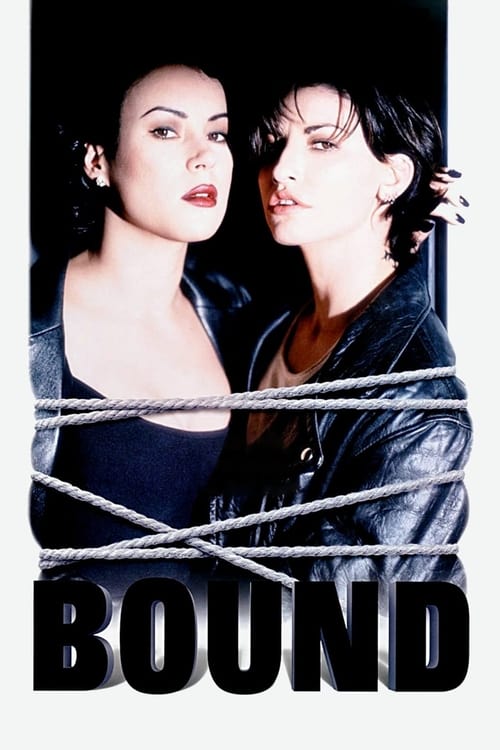
8. Bound
The Wachowskis' 1996 debut, *Bound*, was sometimes overlooked as merely a stylish crime thriller. Yet, it’s a groundbreaking neo-noir, a tightly coiled caper where two women orchestrate a heist and fall in love. Its sharp dialogue, intricate plot, and unapologetic queer romance elevated it far beyond genre fare, proving that mainstream cinema could be both thrilling and radically inclusive. It's an intelligent, sexy, and impactful film.
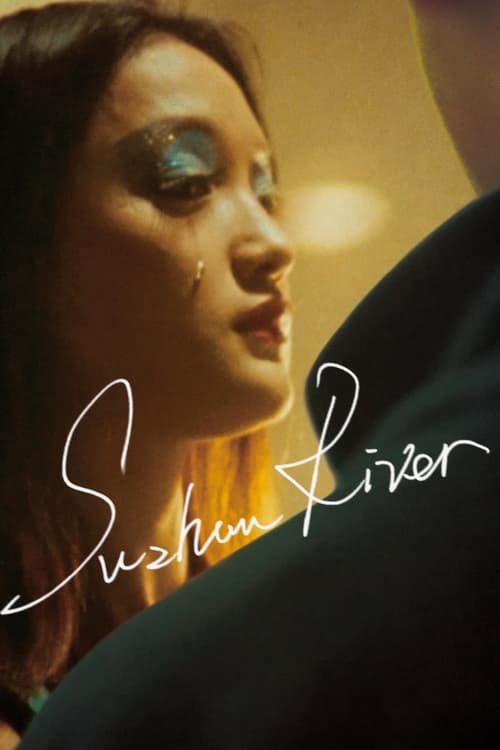
9. Suzhou River
Lou Ye’s 2000 film *Suzhou River* might seem like a straightforward romantic thriller, but it's much more. This Shanghai neo-noir is a mesmerizing, melancholic tale of obsession, identity, and elusive love, weaving together multiple perspectives with a dreamlike fluidity. Often compared to *Vertigo*, it’s a deeply atmospheric and existential exploration of memory and longing, far from superficial and deeply affecting. It stays with you.
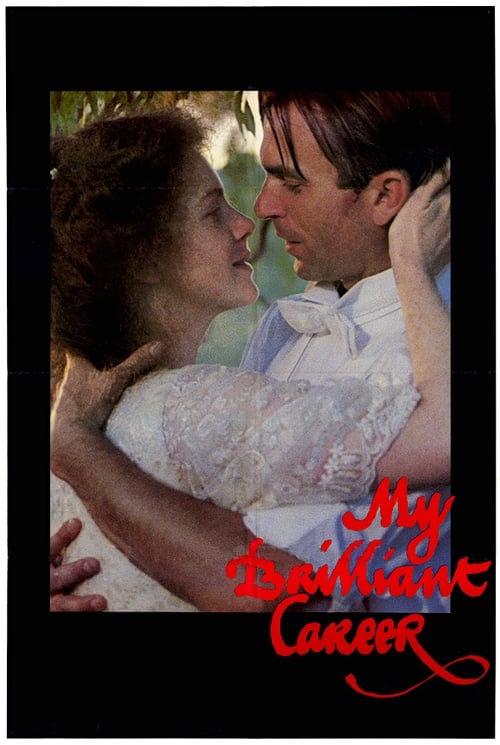
10. My Brilliant Career
Gillian Armstrong’s 1979 *My Brilliant Career* is sometimes dismissed as just another period drama. However, this Australian film is a vibrant, proto-feminist declaration. It follows Sybylla Melvyn, an aspiring writer who defies societal pressures and romantic expectations to forge her own path. It’s an inspiring, spirited portrayal of female independence and artistic ambition in a restrictive era, a truly enduring and relevant story.