1. Drakengard 3
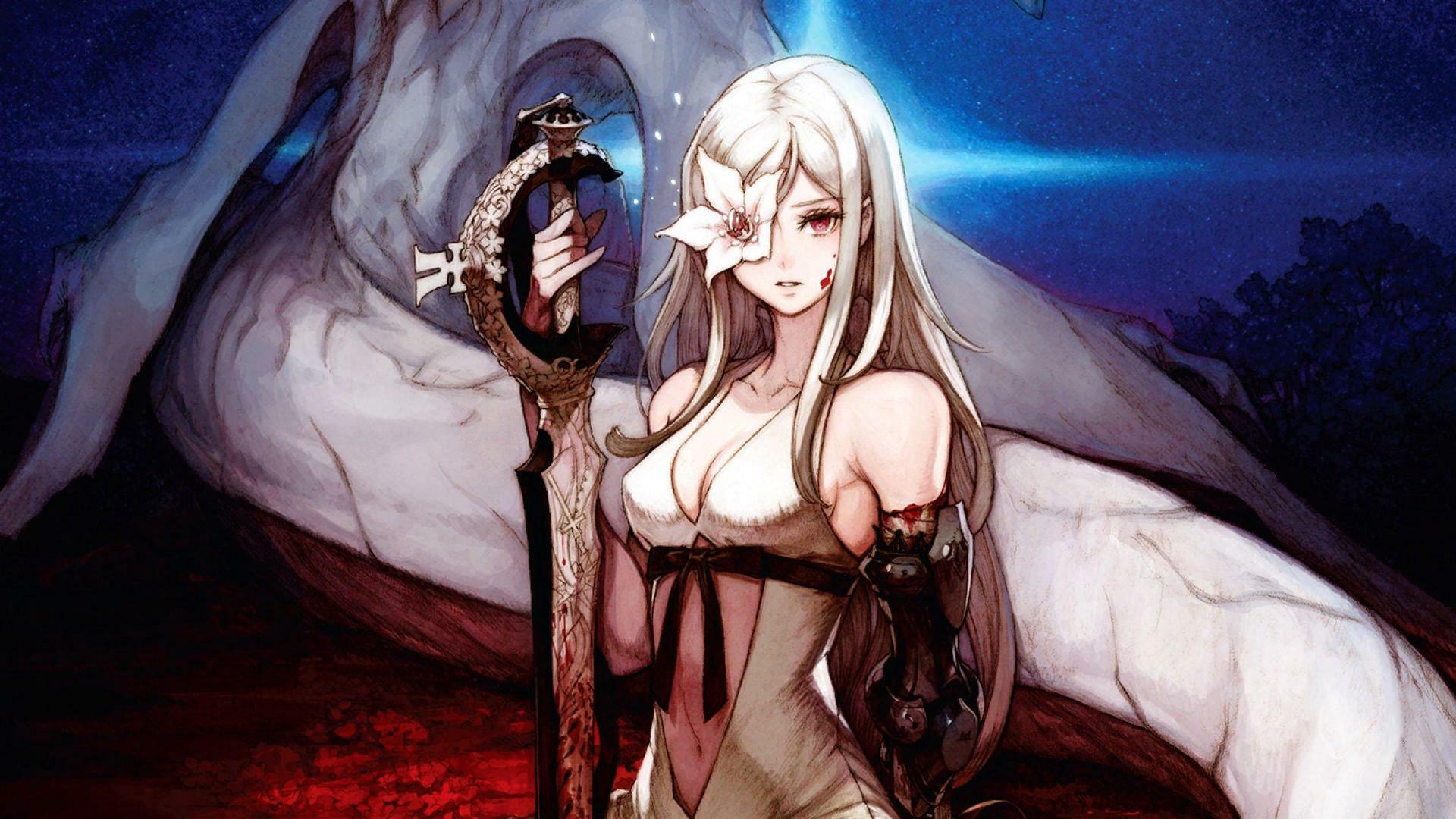
Drakengard 3, man, it’s a beautiful, broken mess. A prequel to the original, it’s got protagonist Zero, a flower-eyed goddess on a murderous rampage, slaying her sisters. The combat’s janky, the framerate tanks, but the story? Yoko Taro’s signature blend of nihilism, dark humor, and philosophical angst is *chef’s kiss*. It dares to be ugly and uncomfortable, forcing players to confront genuinely disturbing themes. This game is pure, unadulterated creative vision, even if the engine couldn't always keep up. A true cult classic for those who appreciate art over polish.
2. Alpha Protocol
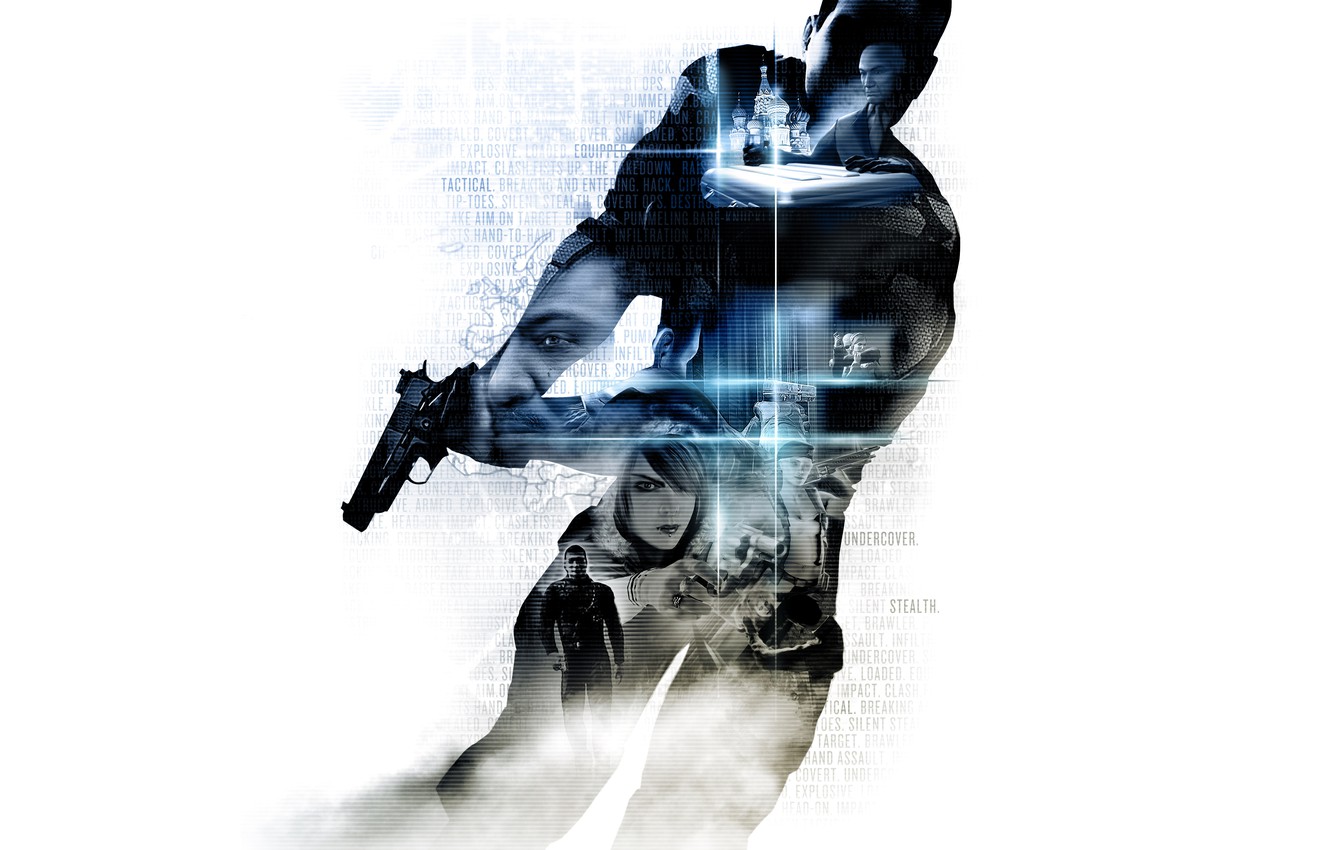
Alpha Protocol was Obsidian’s attempt at a modern spy RPG, and bless its janky heart, it delivered. The combat was clunky, sure, but the branching narrative? Unparalleled. Your choices, dialogue options, and even failures genuinely mattered, shaping Michael Thorton's alliances and character in profound ways. It felt like a true role-playing experience where agency wasn't just a buzzword. Publishers probably saw the rough edges and panicked, but we saw a game with more heart and consequence than many AAA titles combined.
3. Jade Empire
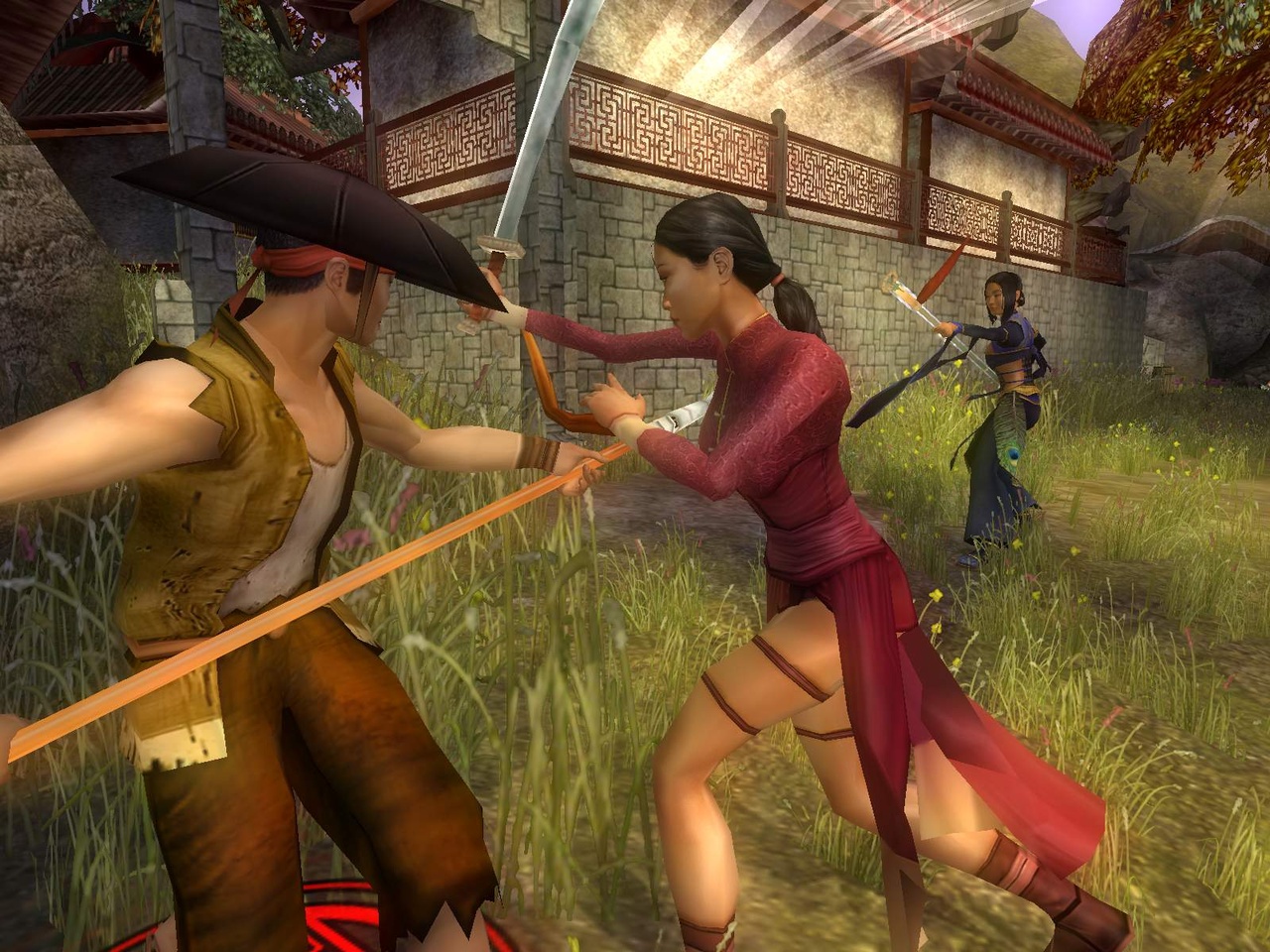
Jade Empire, BioWare’s often-forgotten gem, transports you to a vibrant, martial arts fantasy world. It’s got that classic BioWare charm: compelling companions, a gripping good-vs-evil narrative, and meaningful choices that impact your journey. But instead of space opera or high fantasy, it’s steeped in Eastern mythology and wuxia aesthetics. Maybe it launched too close to their other titans, or perhaps the real-time combat wasn’t for everyone. Still, its unique setting and character development make it a standout for those who dig deep enough.
4. The Legend of Dragoon
The Legend of Dragoon on the PS1 was Sony's answer to Final Fantasy, an ambitious JRPG with an epic scope and a distinctive combat system. The "Addition" timing mechanics kept you engaged, and the story of Dart and his fellow Dragoons fighting evil was genuinely compelling. It was a massive undertaking, spread across four discs, yet somehow it got lost in the shuffle of the PS1's incredible RPG library. For those who played it, though, its memory and influence linger, a testament to its forgotten grandeur.
5. Vagrant Story (2000)
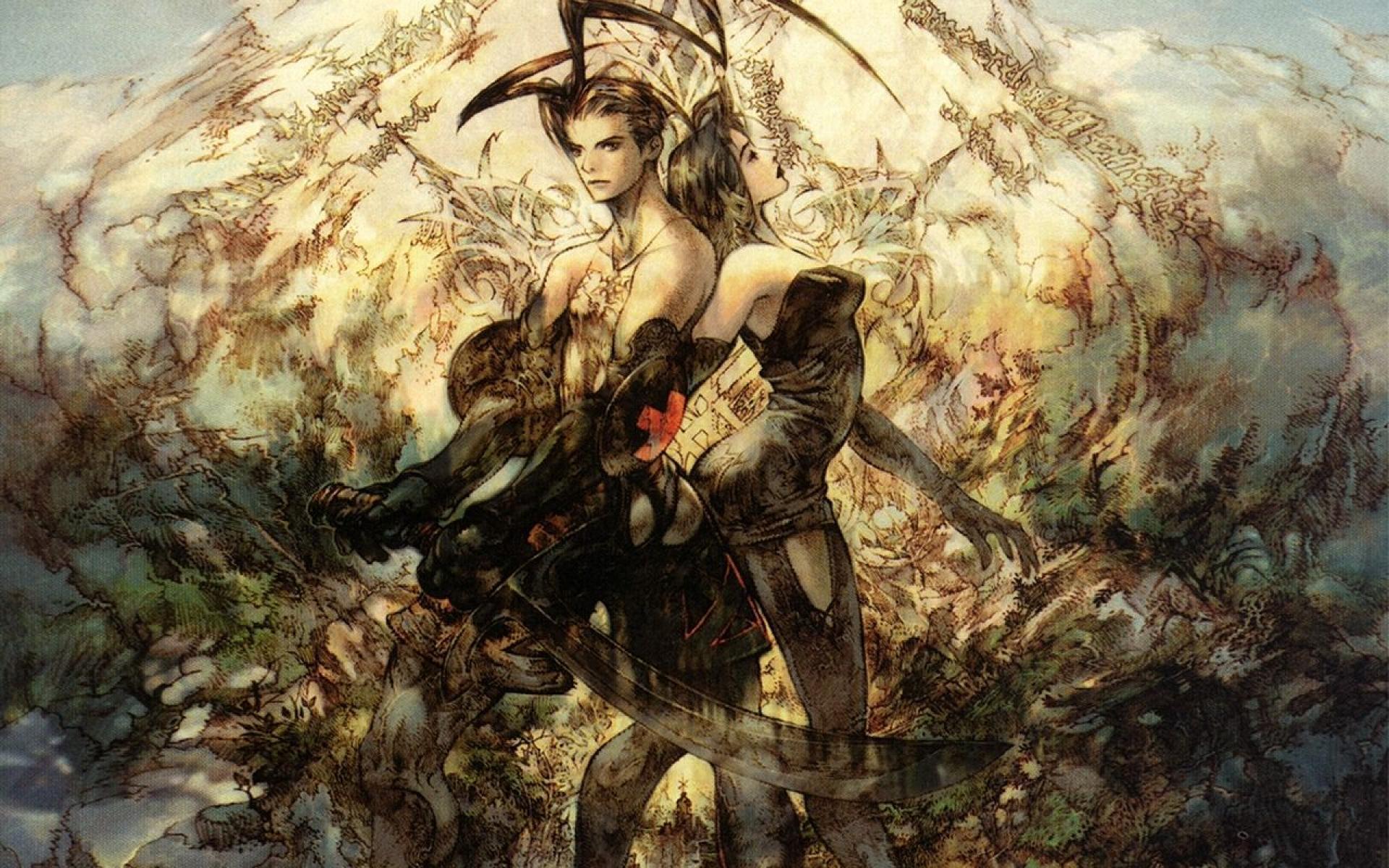
Vagrant Story, released in 2000, is a dark fantasy masterpiece from Square, a game so complex and ahead of its time it practically dared you to understand it. Its intricate weapon crafting, grid-based combat with body part targeting, and a mature, Shakespearean narrative were absolutely groundbreaking. But man, it was dense. No towns, no shops, just Ashley Riot navigating the cursed city of Leá Monde. It never found a massive audience, but its profound depth and artistic vision earned it legendary status among those who truly appreciate gaming as an art form.
6. Otogi: Myth of Demons
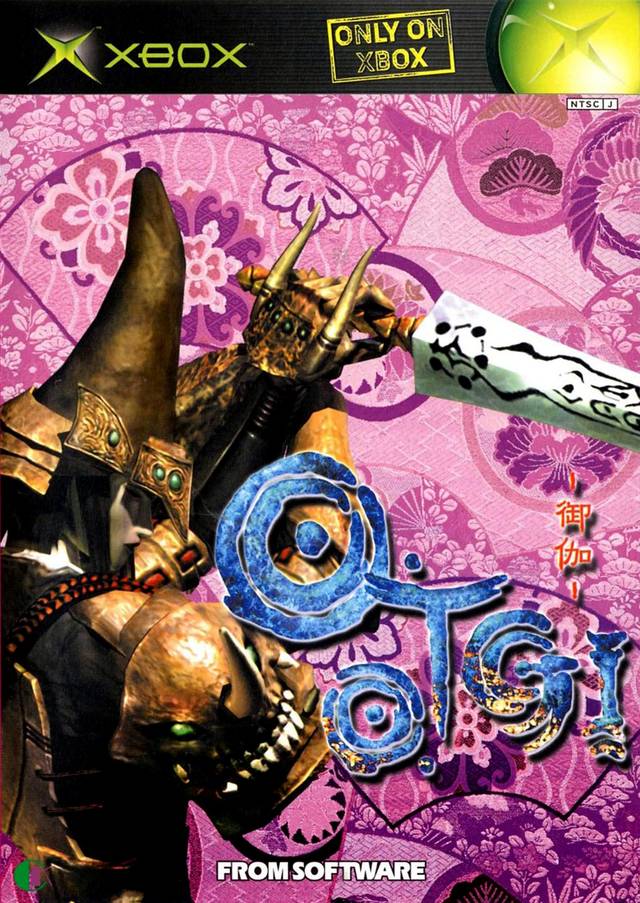
Before Dark Souls conquered the world, FromSoftware gave us Otogi: Myth of Demons on the original Xbox. As the undead warrior Raikoh, you hack and slash through gorgeous, destructible environments inspired by Japanese mythology. The combat is fluid, the sense of power is palpable, and the sheer aesthetic of destruction as you carve through ancient castles is still impressive. It was an Xbox exclusive, a bit niche, and perhaps overshadowed by other titles. But its unique atmosphere and satisfying gameplay prove FromSoft was always cooking up something special.
7. The Saboteur
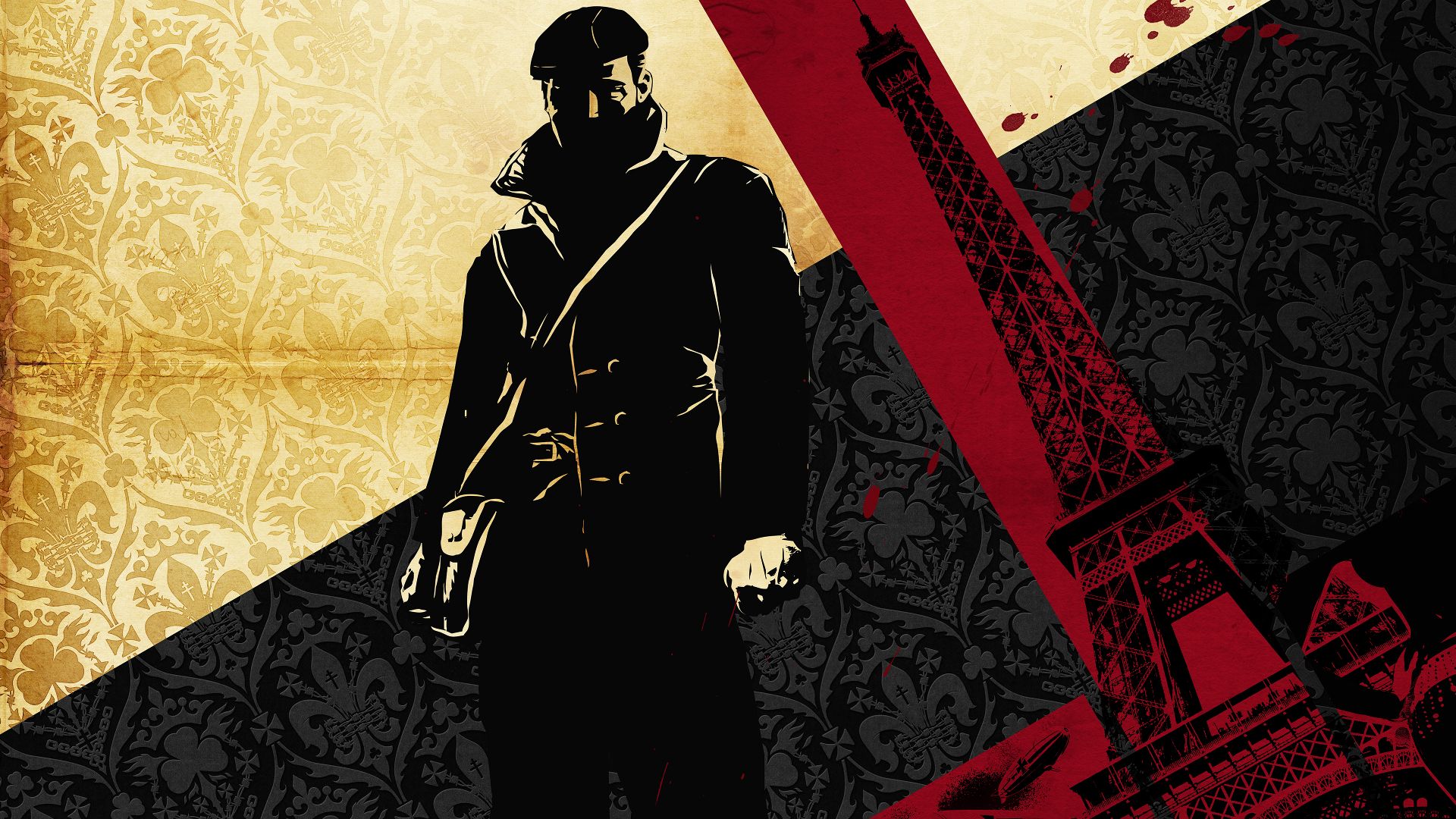
The Saboteur was Pandemic Studios' swan song, an open-world action-adventure set in Nazi-occupied Paris. Its unique visual style, where areas under Nazi control are monochromatic until you inspire resistance, was pure genius. It had a pulp fiction charm, satisfying stealth and action, and a genuinely engaging story about fighting oppression with flair. Maybe it launched too late in the Xbox 360/PS3 cycle, or perhaps its slightly janky physics held it back. But man, that game had style, heart, and an unforgettable atmosphere.
8. Deadly Premonition
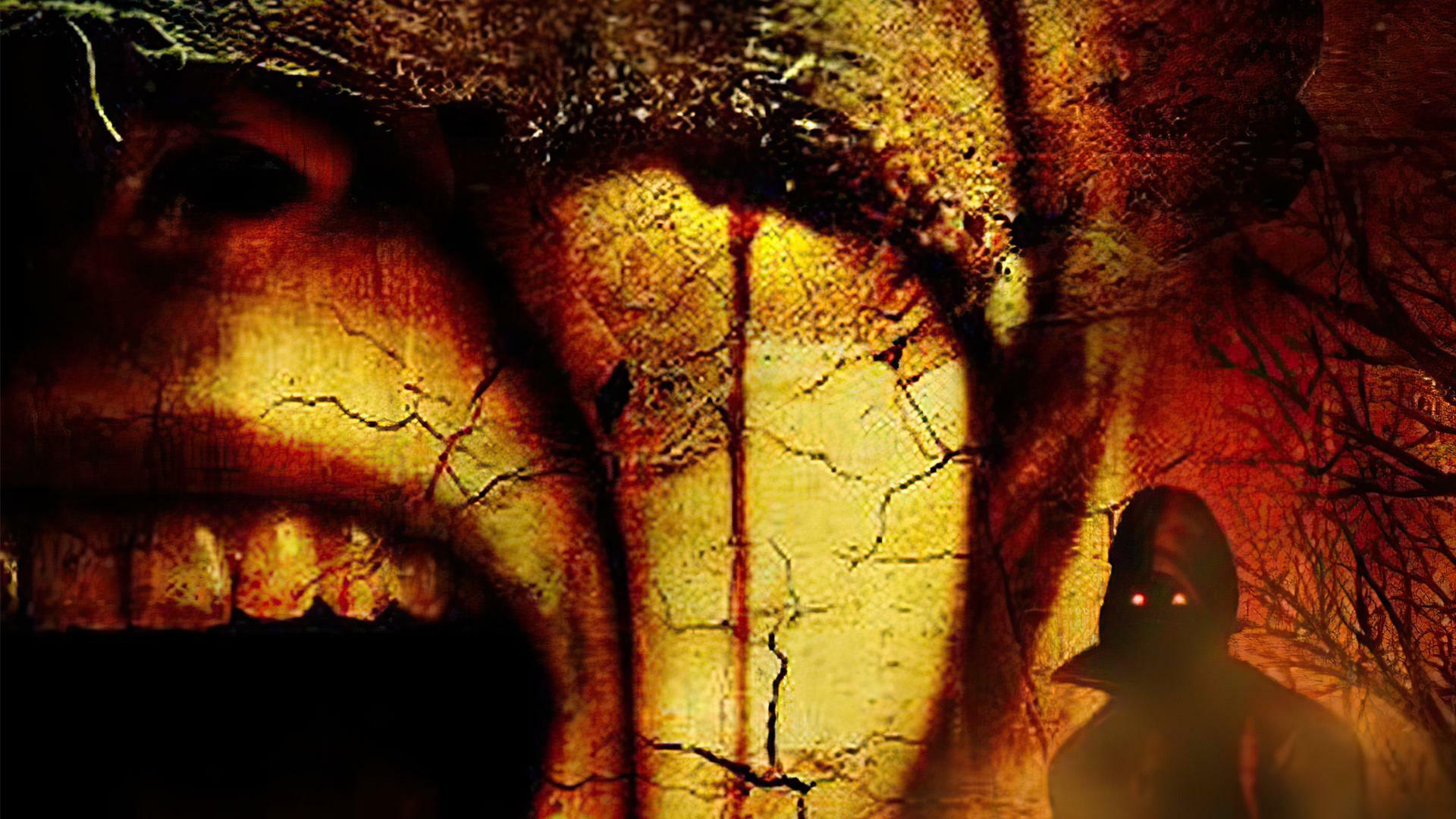
Deadly Premonition is a game that defies explanation, a true enigma. It's a survival horror detective story that’s technically a mess, with clunky controls, dated graphics, and janky combat. Yet, its bizarre narrative, Twin Peaks-esque atmosphere, and utterly unforgettable characters, especially Agent Francis York Morgan, make it a profound, unique experience. It’s the gaming equivalent of a B-movie cult classic; a game so utterly singular in its vision and execution that its flaws become part of its charm.