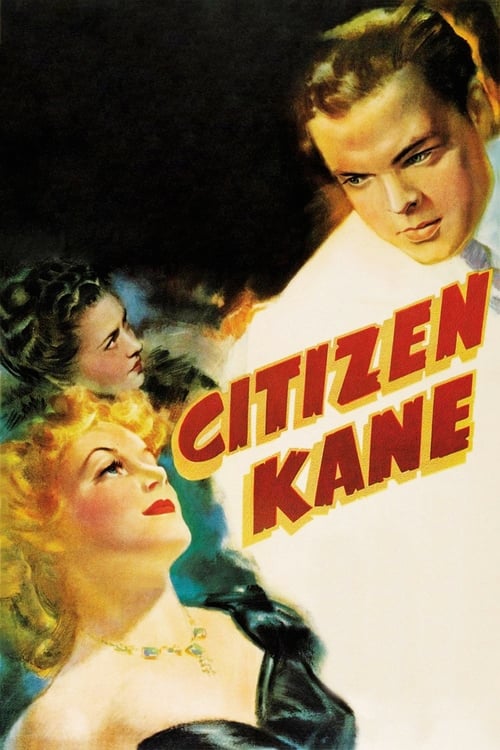
1. Citizen Kane
Orson Welles' debut remains a monumental achievement, not merely for its innovative deep-focus cinematography or non-linear narrative, but for its audacious deconstruction of the American dream. And yet, beyond the technical marvels, it offers a profound, almost tragic, examination of power, loneliness, and the elusive nature of truth. It irrevocably shifted cinematic language, proving film could be as complex and layered as any novel, influencing generations of auteurs.
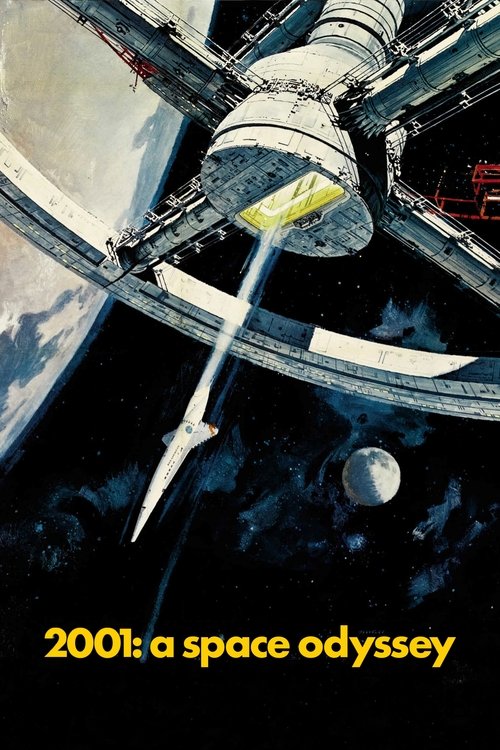
2. 2001: A Space Odyssey
Stanley Kubrick's enigmatic masterpiece transcends traditional storytelling, offering a meditation on evolution, artificial intelligence, and humanity's place in the cosmos. Through its meticulously crafted visuals and sparse dialogue, it compels viewers to grapple with profound existential questions. Indeed, its deliberate pacing and groundbreaking special effects set a new benchmark for cinematic ambition, demonstrating film's capacity for pure, awe-inspiring abstraction.
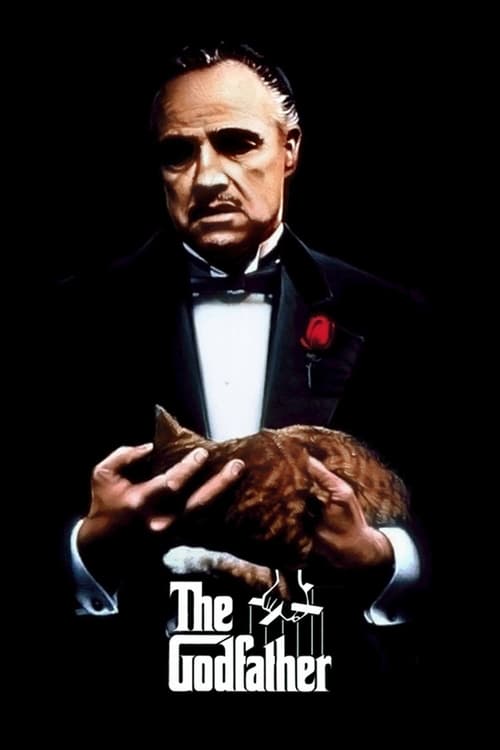
3. The Godfather
Francis Ford Coppola’s epic redefined the gangster genre, elevating it into a sprawling American saga of power, family, and corruption. And so, it delves deep into the moral compromises inherent in the pursuit of wealth and influence, presenting characters of Shakespearean complexity. Its masterful storytelling, iconic performances, and rich visual palette cemented its status, proving cinema could explore societal structures with operatic grandeur.
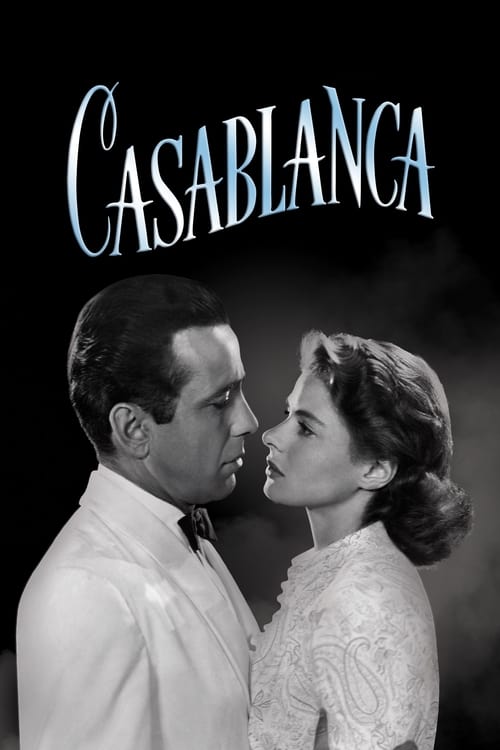
4. Casablanca
This enduring classic, born from the pressures of the Hollywood studio system during wartime, somehow transcends its production origins. Its timeless romance, underscored by themes of sacrifice and political idealism, resonates with universal human emotions. Indeed, the sharp dialogue and iconic performances, particularly from Humphrey Bogart and Ingrid Bergman, create a powerful blend of personal drama and historical context, defining an era of cinematic storytelling.
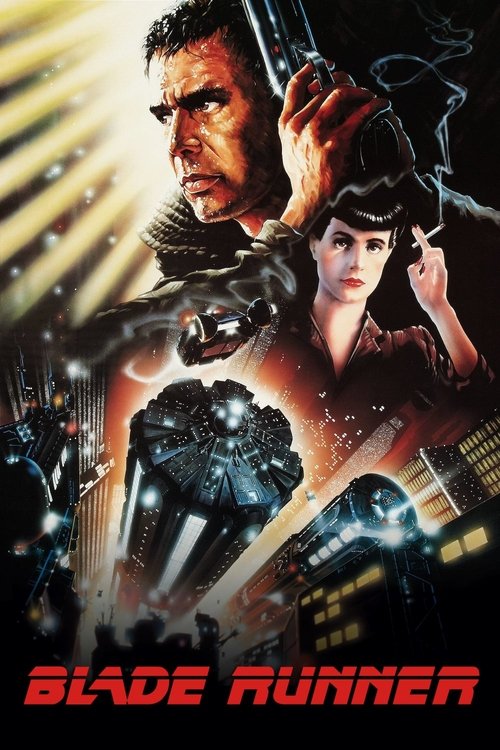
5. Blade Runner
Ridley Scott’s neo-noir vision of a dystopian future presented a world saturated in rain-slicked neon and existential dread, indelibly shaping cyberpunk aesthetics. And yet, beyond its breathtaking visual design, it provocatively interrogates what it means to be human in an age of manufactured life. Its philosophical depth and ambiguous narrative continue to spark debate, solidifying its place as a seminal work of speculative fiction.

6. Seven Samurai
Akira Kurosawa’s sprawling epic of honor and survival not only influenced countless action films, but also delved into the intricacies of community, class, and leadership. And so, its dynamic cinematography and masterful character development created a blueprint for ensemble storytelling, proving that a three-hour runtime could be utterly engrossing. Its exploration of moral codes amidst chaos remains profoundly resonant, a testament to Kurosawa's auteurial vision.
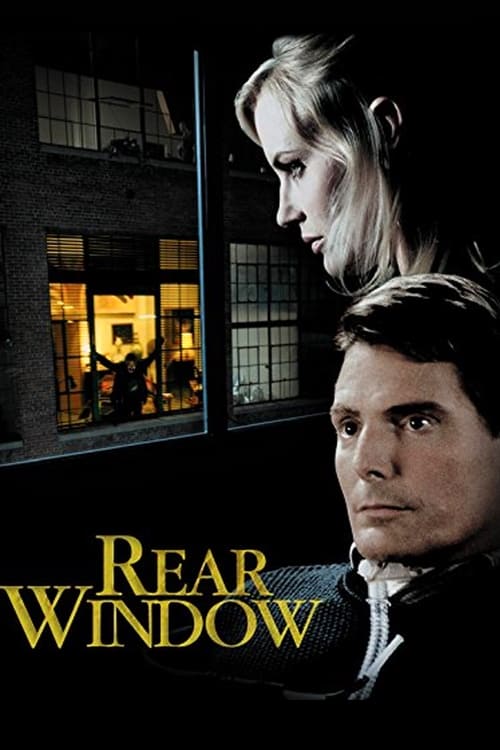
7. Rear Window
Alfred Hitchcock's masterful exercise in suspense brilliantly exploits the concept of voyeurism, limiting the audience's perspective to a single apartment window. And yet, through this confined lens, he dissects human nature, desire, and the deceptive nature of appearances. It’s a clinic in cinematic tension and spatial storytelling, demonstrating how constraints can unlock unparalleled creative ingenuity, making the audience complicit in the protagonist's gaze.
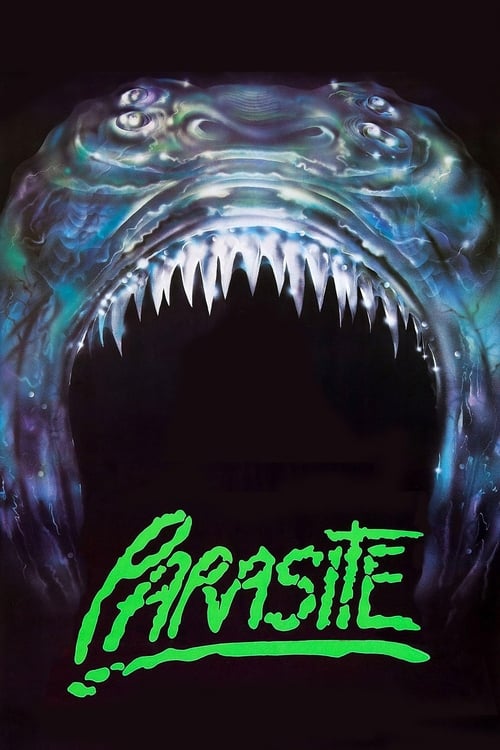
8. Parasite
Bong Joon-ho's razor-sharp social satire dismantled class structures with audacious precision, blending dark comedy, thriller, and drama into a genre-defying experience. And so, its shocking twists and profound critiques of systemic inequality resonated globally, proving that accessible entertainment could simultaneously be deeply intellectual. It became a cultural phenomenon, prompting conversations far beyond the confines of the cinema hall.
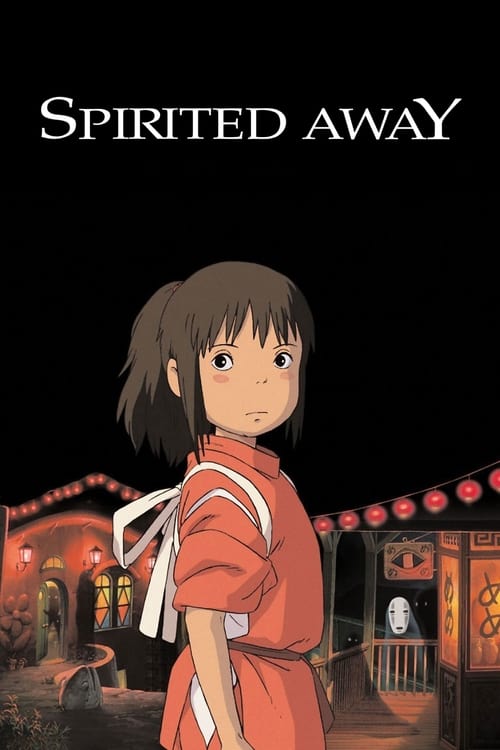
9. Spirited Away
Hayao Miyazaki's enchanting animated epic transports viewers into a fantastical spirit world, weaving a deeply personal coming-of-age journey with rich Japanese folklore. And yet, beneath its breathtaking visual artistry and imaginative creatures, it explores themes of environmentalism, identity, and resilience with profound emotional intelligence. It solidified Studio Ghibli's global reputation, affirming animation's power as a serious, multifaceted art form.
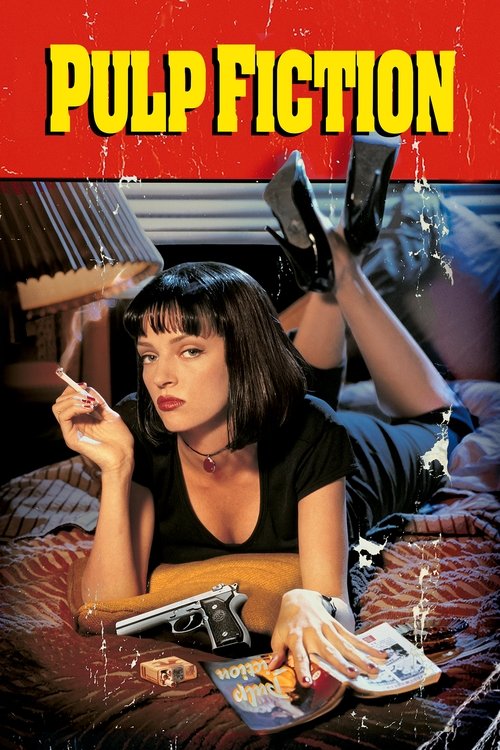
10. Pulp Fiction
Quentin Tarantino's explosive mosaic of crime stories reinvented cinematic narrative, unapologetically embracing non-linear storytelling and sharp, idiosyncratic dialogue. And so, its audacious blend of pop culture references, shocking violence, and unexpected humor revitalized independent cinema. It proved that genre conventions could be playfully subverted and reassembled, creating a fresh, unforgettable viewing experience that continues to influence.
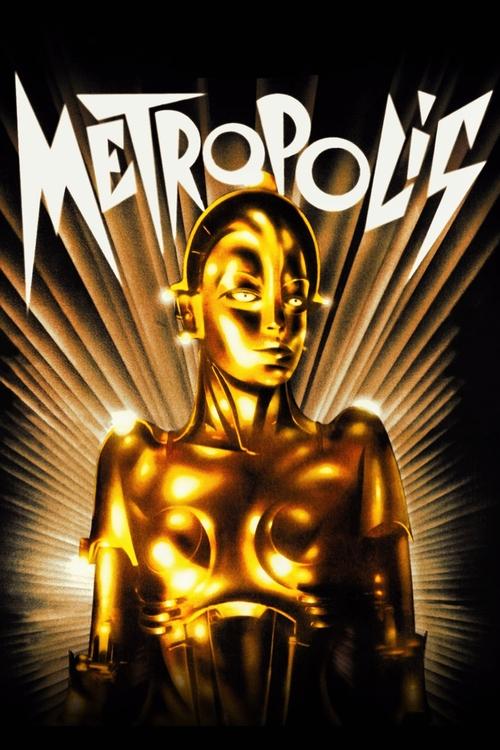
11. Metropolis
Fritz Lang's visionary silent film remains a towering achievement of German Expressionism, depicting a stark future where class division is literally layered. And yet, beyond its groundbreaking special effects and monumental set design, it offers a cautionary tale of industrialization and dehumanization that still resonates. It’s a foundational text for dystopian science fiction, showcasing film's early power to construct entire, complex worlds.
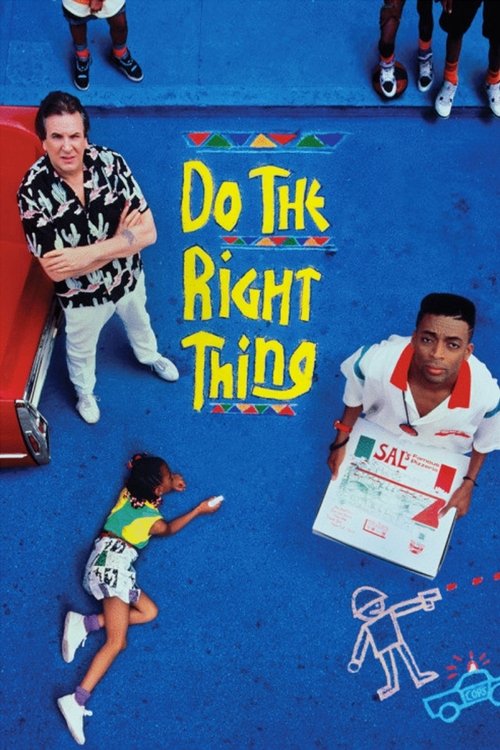
12. Do the Right Thing
Spike Lee's scorching portrait of racial tension on a sweltering Brooklyn day is more than just a film; it’s a vital, confrontational conversation starter. And so, its vibrant cinematography, dynamic characters, and ambiguous ending force viewers to confront uncomfortable truths about prejudice and systemic injustice. It exemplifies cinema’s capacity to reflect and challenge society, urging critical self-examination rather than offering easy answers.