1 / 9
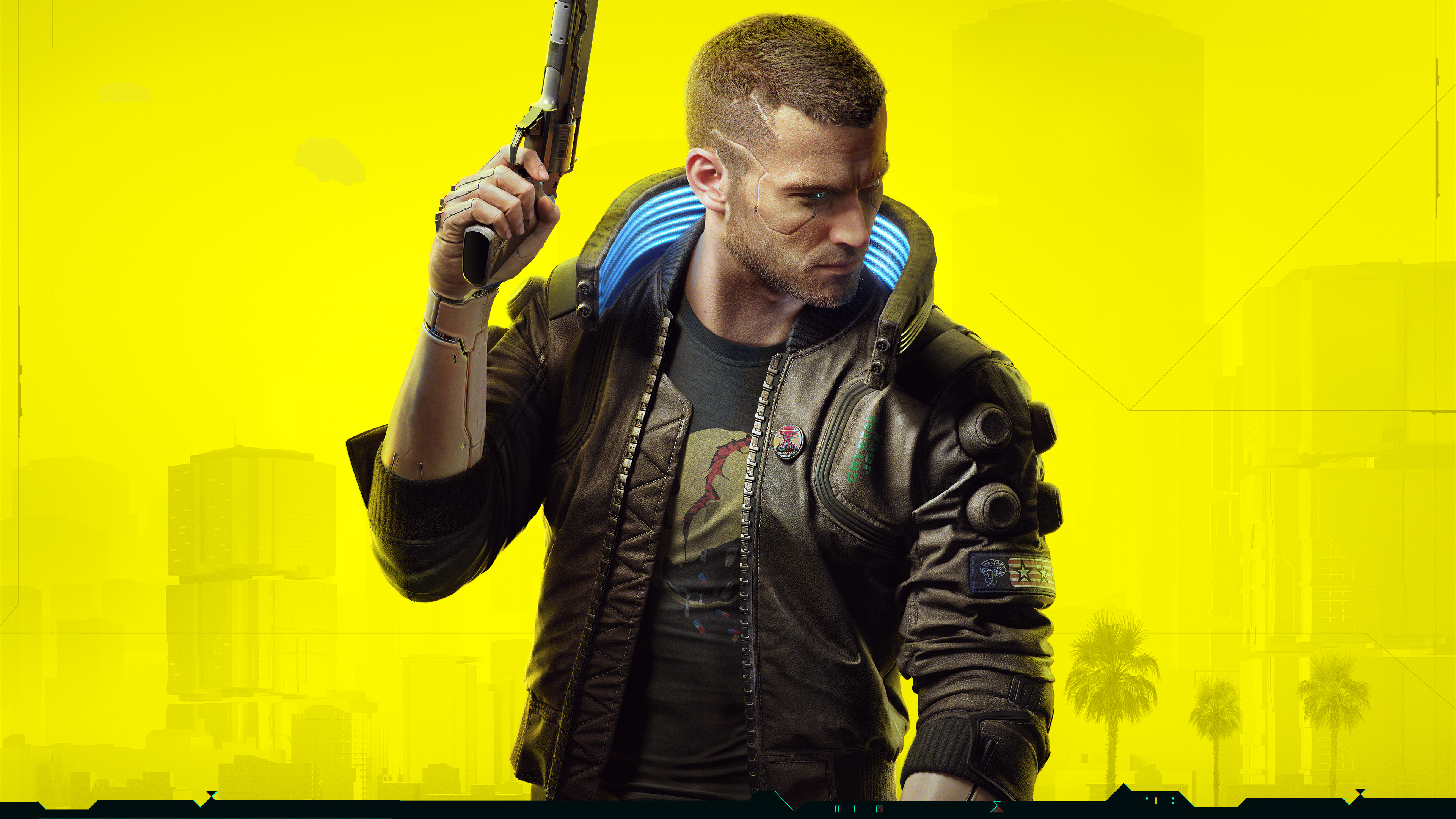
1. Cyberpunk 2077
Remember those E3 demos? Night City felt alive, every choice mattered. We believed CDPR after *The Witcher 3*. Then launch hit, especially on last-gen consoles, and it was a tech demo for a game that wasn't finished. The promise of a groundbreaking, immersive RPG dissolved into a glitch-ridden mess, forcing refunds and leaving a sour taste. It's better now, but that initial trust? Clapped back hard, leaving a phantom limb of what could've been.
2 / 9
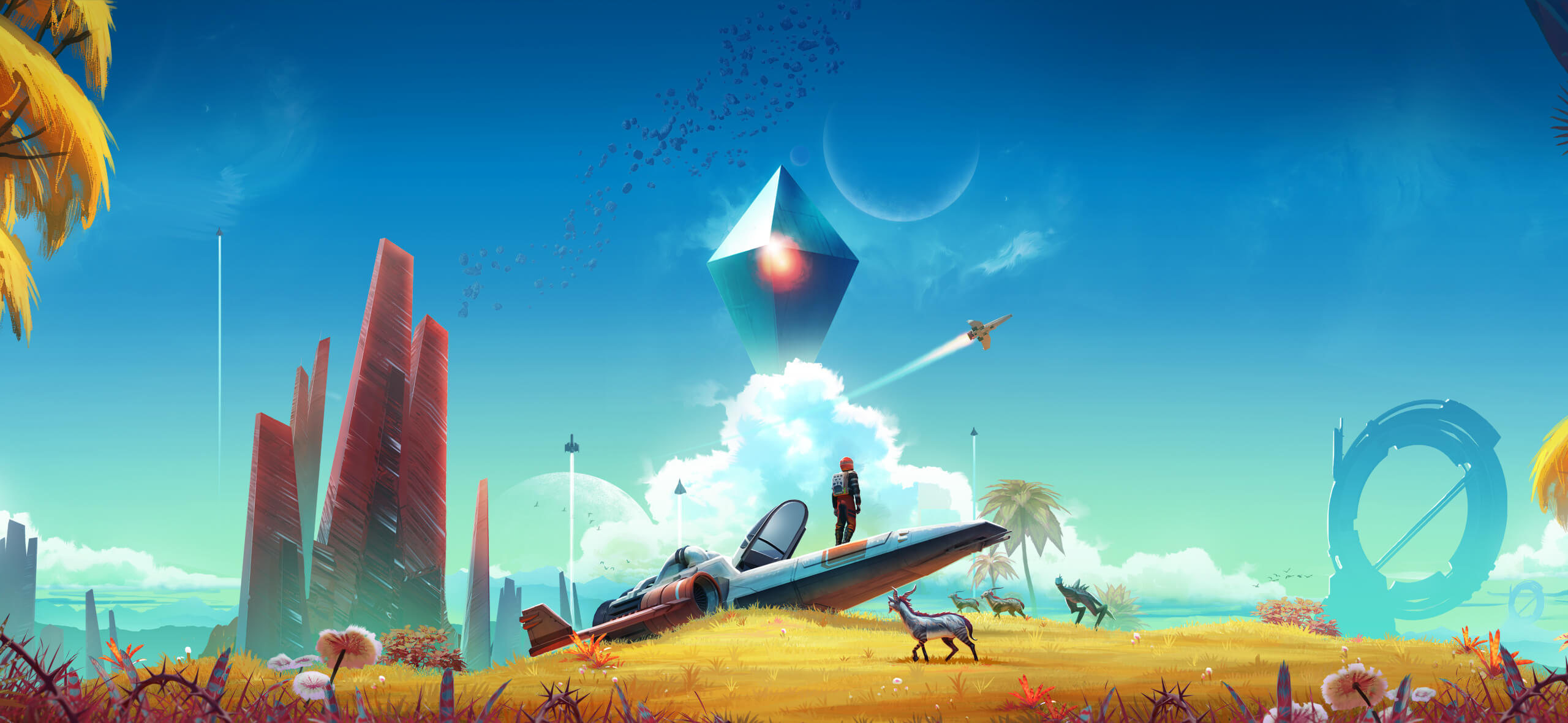
2. No Man's Sky
Sean Murray's pre-launch interviews painted a picture of endless wonder, but we got procedural emptiness. The core loop was thin, multiplayer was a lie, and the hype train derailed spectacularly. It was the poster child for broken promises. And yet, Hello Games actually *fixed* it. They built the game they promised, and then some, becoming a redemption story. Still, that initial sting? Oof, a lesson in managing expectations.
3 / 9
3. Anthem
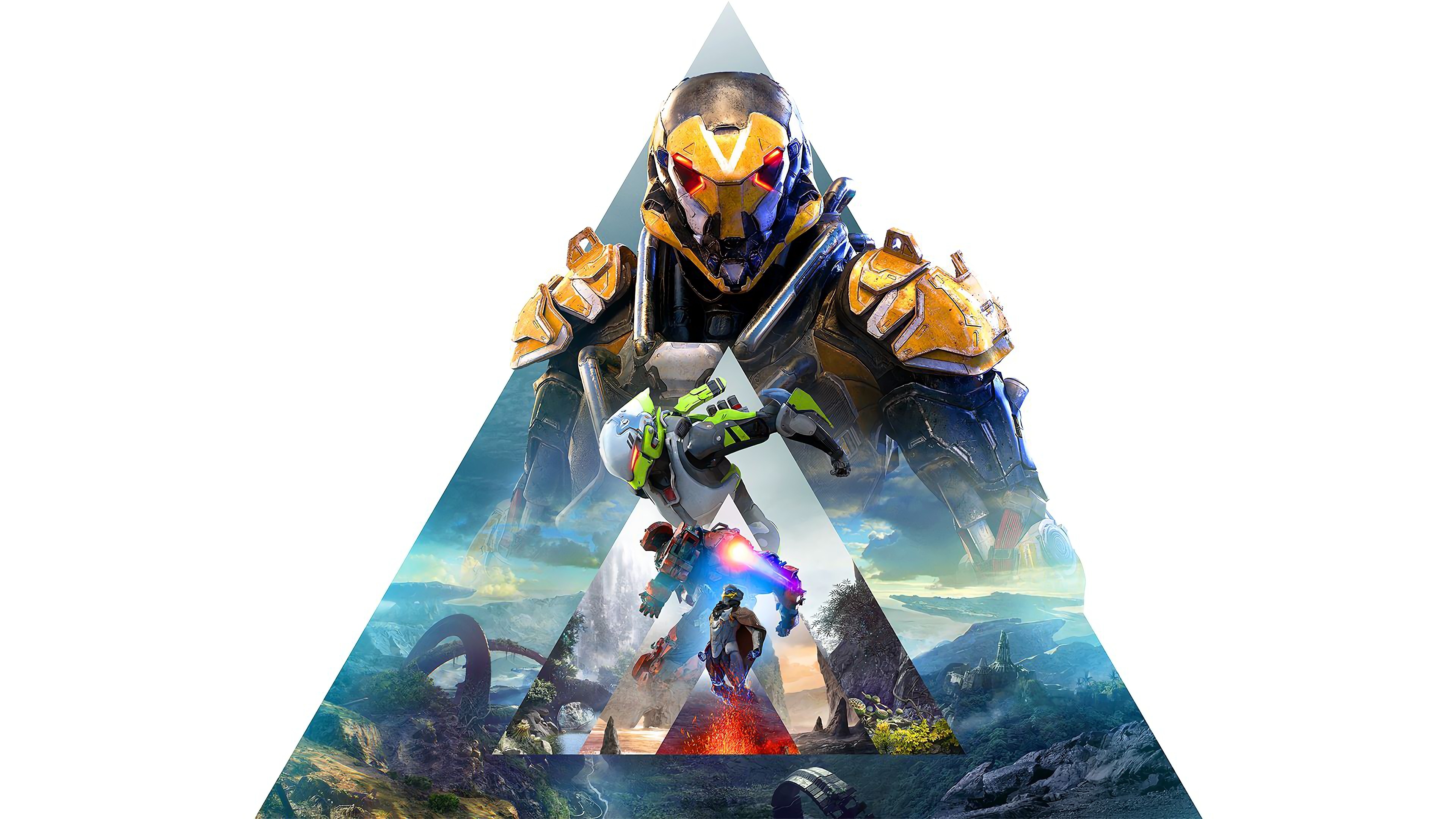
BioWare, the RPG masters, were doing a *Destiny*-killer. Flying Iron Man suits, epic loot, a compelling story – that's what they sold us. What we got was a gorgeous but hollow grind, paper-thin content, and a live-service model that felt manipulative from day one. The 'BioWare magic' was nowhere to be found. It was a textbook example of a great concept suffocated by corporate pressure and a lack of vision. Died an ignominious death.
4 / 9
4. Marvel’s Avengers
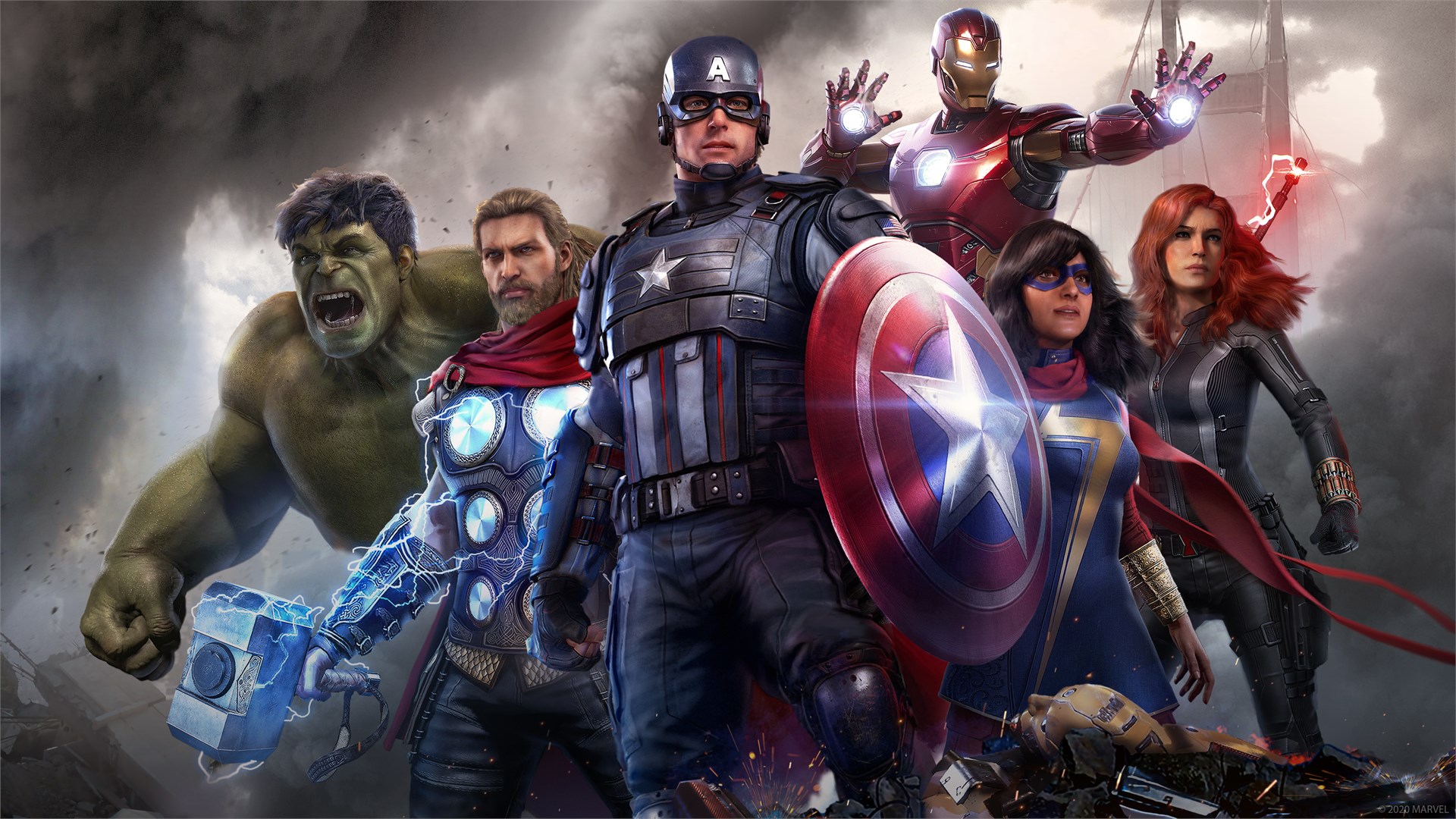
A superhero game developed by Crystal Dynamics, the *Tomb Raider* folks? Sounded like a slam dunk. Instead, we got a live-service title nobody asked for, riddled with repetitive missions, an uninspired loot grind, and microtransactions for cosmetics that should've been earnable. It failed to capture the fantasy of being Earth's Mightiest Heroes, feeling more like a chore than an adventure. The Avengers assembled, then promptly disbanded from boredom.
5 / 9
5. Fallout 76
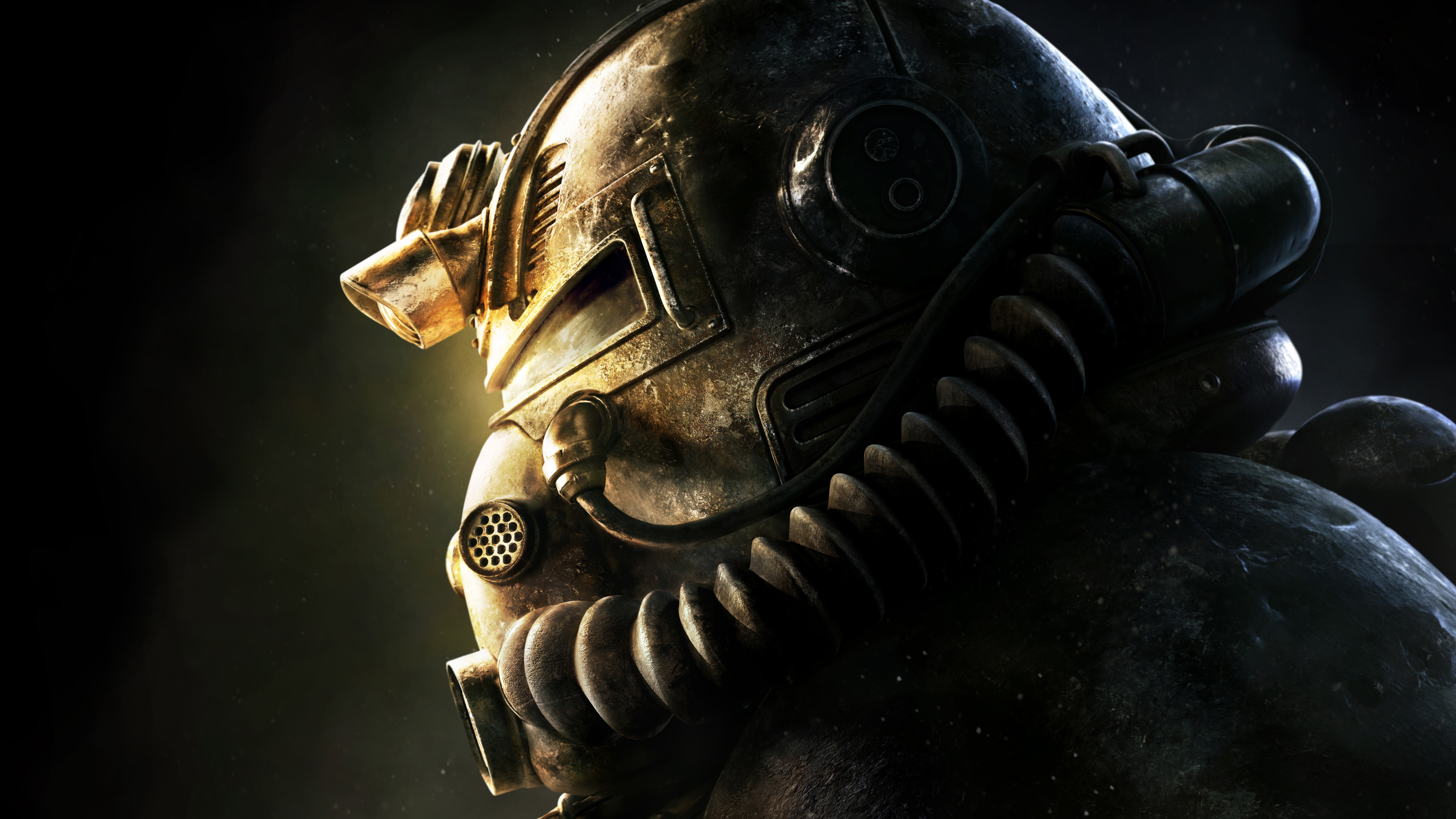
An online *Fallout*? Okay, maybe. But Bethesda promised a sprawling wasteland experience, and delivered a buggy, empty map devoid of NPCs, filled with progression issues and a battle royale mode nobody requested. The controversy over the Power Armor Edition bag and later, the 'Fallout 1st' subscription, just poured salt on the wound. It was a betrayal of the series' single-player roots, evolving slowly but painfully.
6 / 9
6. Redfall
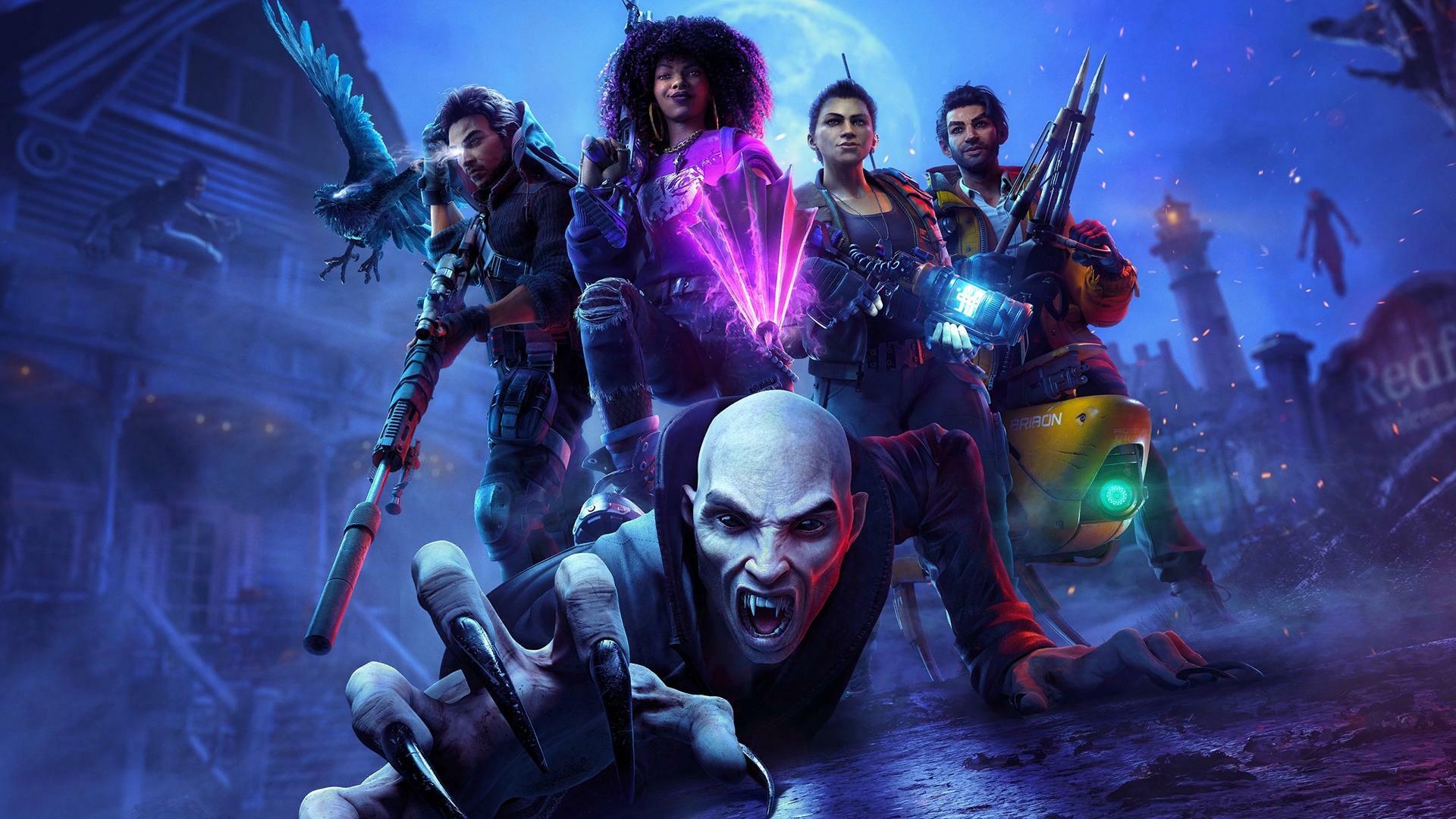
Arkane, the masters of immersive sims like *Dishonored* and *Prey*, making a co-op vampire shooter? The pitch sounded... different. The reality was a generic, technically shoddy open-world shooter with uninspired enemies and a fundamental misunderstanding of what makes Arkane games special. It felt like a forced live-service pivot, missing the intricate level design and player agency we expected. A truly disappointing misfire.
7 / 9

7. The Day Before
This game was a masterclass in vaporware. Promising a gritty, open-world zombie MMO, it amassed millions of wishlists through deceptive trailers and vague promises. Multiple delays, questions about its legitimacy, then a launch that revealed an asset-flipped, broken mess that looked nothing like the marketing. It was pulled from sale almost immediately, an industry embarrassment and a stark warning about unchecked hype.
8 / 9
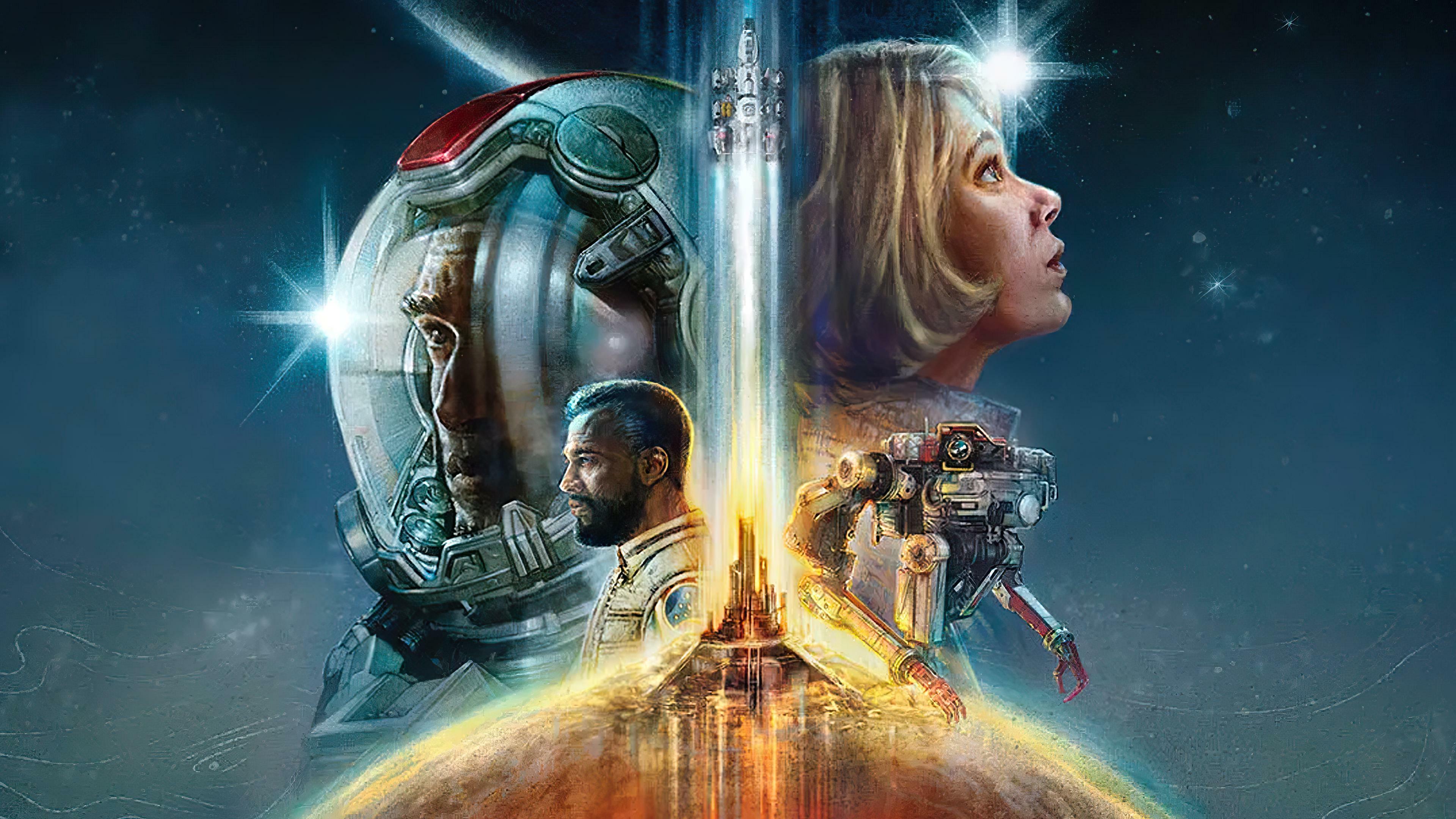
8. Starfield
Bethesda promised us 'Skyrim in space,' a new universe to get lost in. We got a vast, often beautiful, but fundamentally empty experience peppered with constant loading screens and a surprising lack of compelling exploration. The procedural generation felt like a substitute for handcrafted wonder, and the main story lacked punch. It's a big game, sure, but the magic of truly discovering something new felt… absent.
9 / 9
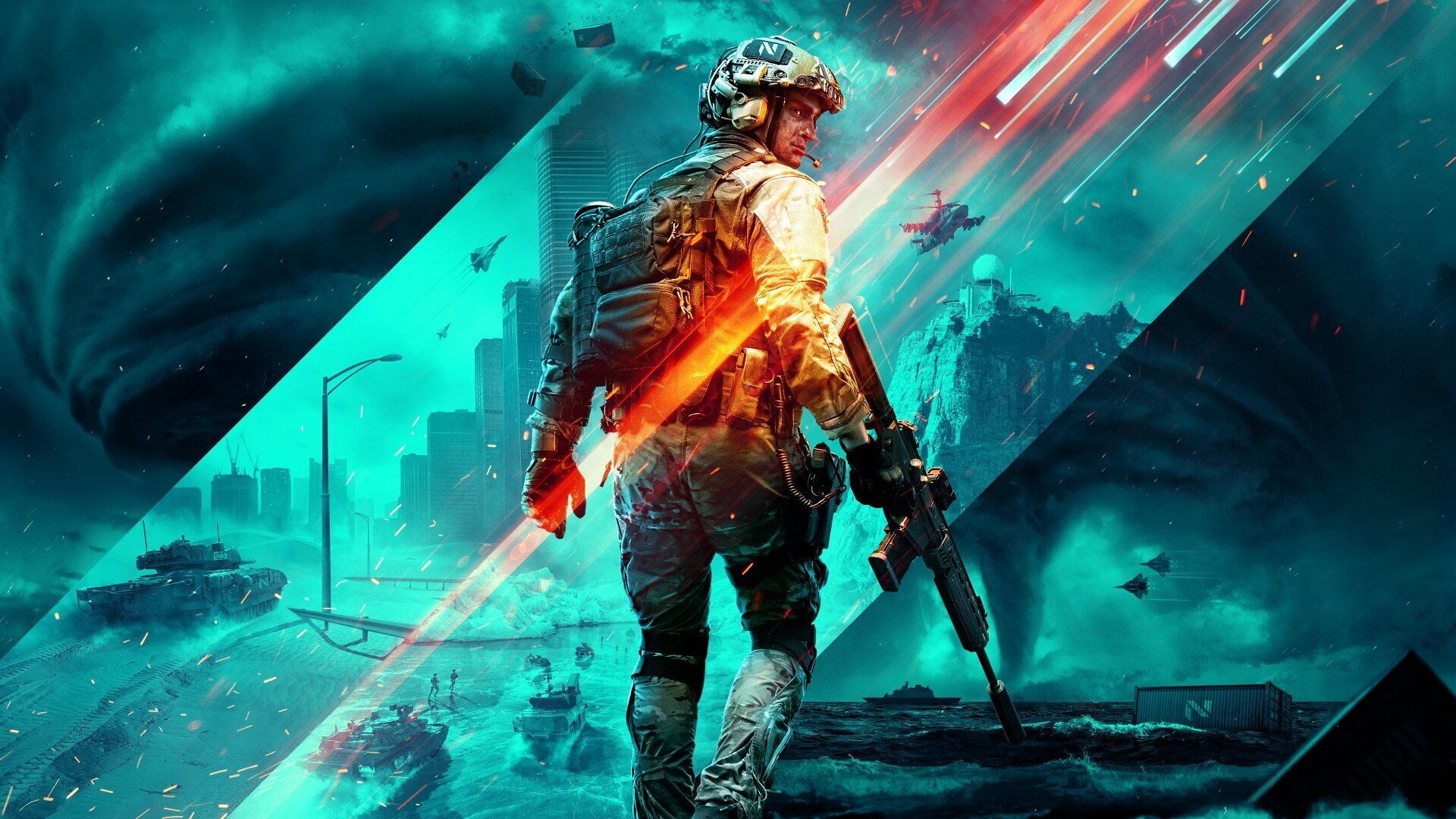
9. Battlefield 2042
After a few missteps, Dice promised *Battlefield* was back, bigger and better than ever. We got a game stripped of core features like a scoreboard, saddled with specialists nobody wanted, and launched in a state of utter technical disarray. The maps were too big for infantry, the gunplay felt off, and the identity crisis was palpable. It felt less like a passion project and more like a rushed corporate mandate.