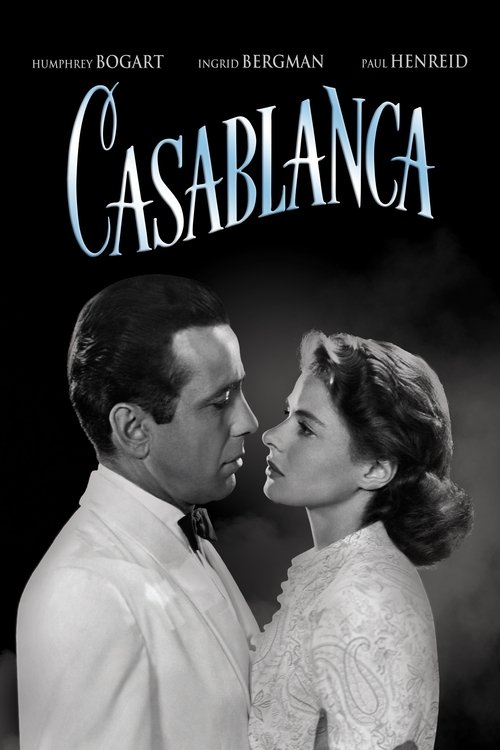
1. Casablanca
Bogart and Bergman, in "Casablanca," forged an emotional crucible where duty battled desire. Their glances, pregnant with unspoken history, transcended mere performance, embedding a tragic romance into the very fabric of cinematic myth. It wasn't just a love story; it was a reflection of wartime's impossible choices, a poignant tableau of sacrifice etched into celluloid, defining an era's romantic ideal with a single, knowing look.

2. When Harry Met Sally...
Rob Reiner's "When Harry Met Sally..." thrives on the electric, often exasperated, interplay between Billy Crystal and Meg Ryan. Their rapid-fire, intellectual sparring, punctuated by moments of profound vulnerability, redefined the modern romantic comedy. They made the journey from cynical friendship to inevitable love feel both earned and utterly charming, illustrating how genuine connection often hides behind witty banter and shared neuroses.
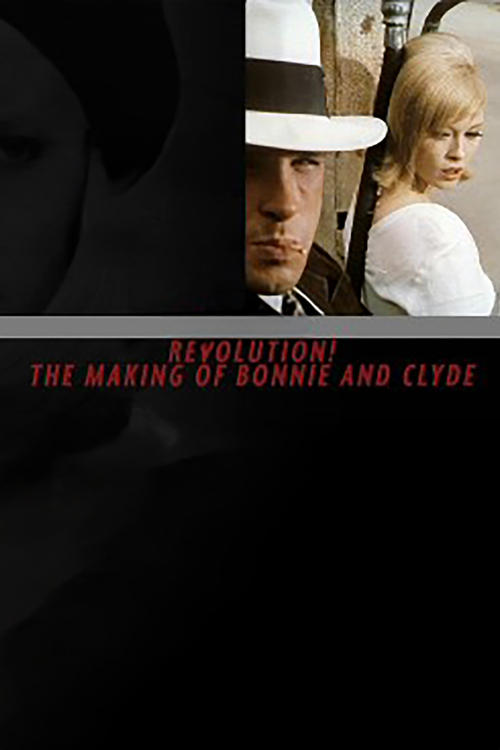
3. Revolution! The Making of 'Bonnie and Clyde'
Warren Beatty and Faye Dunaway in "Bonnie and Clyde" ignited a cultural firestorm, portraying outlaw lovers with a seductive blend of glamour and desperation. Their palpable, dangerous chemistry wasn't just about romance; it was a defiant middle finger to convention, reflecting a generation's rebellious spirit. They became archetypes, their tragic dance of violence and passion immortalized, influencing countless cinematic portrayals of anti-heroes and doomed romance.

4. Before Sunrise
Richard Linklater's "Before Sunrise" is a masterclass in conversational intimacy, largely thanks to Ethan Hawke and Julie Delpy. Their unscripted-feeling dialogue and evolving connection felt profoundly real, capturing the fleeting magic of a chance encounter. This isn't grand romance; it's the quiet, intellectual blossoming of two souls over a single night, a testament to how authentic human connection can be built through nothing more than words and shared moments.
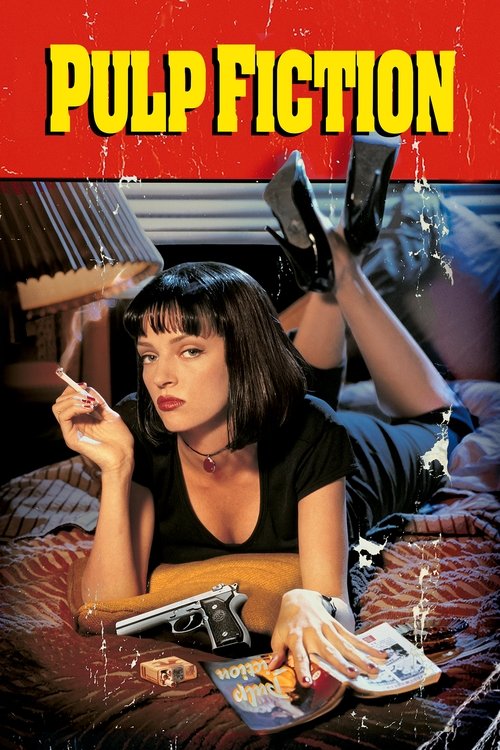
5. Pulp Fiction
Quentin Tarantino's "Pulp Fiction" offers many unforgettable pairings, but Vincent and Jules, played by John Travolta and Samuel L. Jackson, stand paramount. Their effortlessly cool, philosophically charged banter, even amidst extreme violence, created a unique rhythm. This duo didn't just deliver lines; they performed a ballet of street-level existentialism, making their criminal escapades feel simultaneously mundane and mythic, cementing their place in the pantheon of iconic gangster teams.
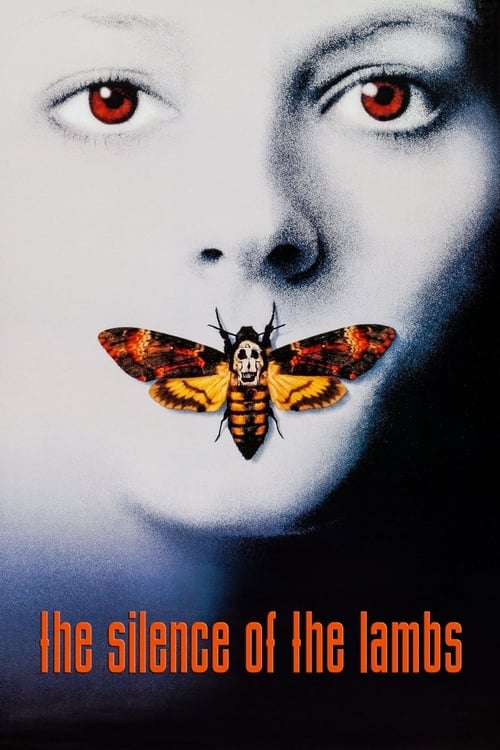
6. The Silence of the Lambs
The chilling rapport between Jodie Foster's Clarice Starling and Anthony Hopkins' Hannibal Lecter in "The Silence of the Lambs" is a psychological masterpiece. Their intellectual duel, a dance of manipulation and vulnerability, defined the modern thriller. It’s a testament to the power of suggestion and unspoken menace, where the absence of physical proximity amplified their terrifying and deeply unsettling connection, creating a legendary dynamic that continues to resonate.
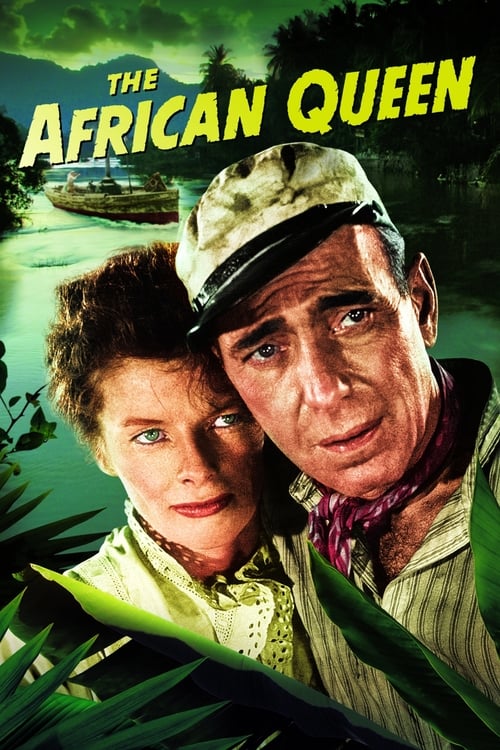
7. The African Queen
Humphrey Bogart and Katharine Hepburn, under John Huston's direction in "The African Queen," crafted a delightful, often hilarious, study in opposites attracting. Her prim missionary and his gruff skipper bickered and bonded amidst treacherous river rapids. Their evolving respect and reluctant affection, born from shared peril, exemplifies how true partnership can emerge from the most unlikely pairings, creating a timeless adventure-romance and enduring cinematic magic.
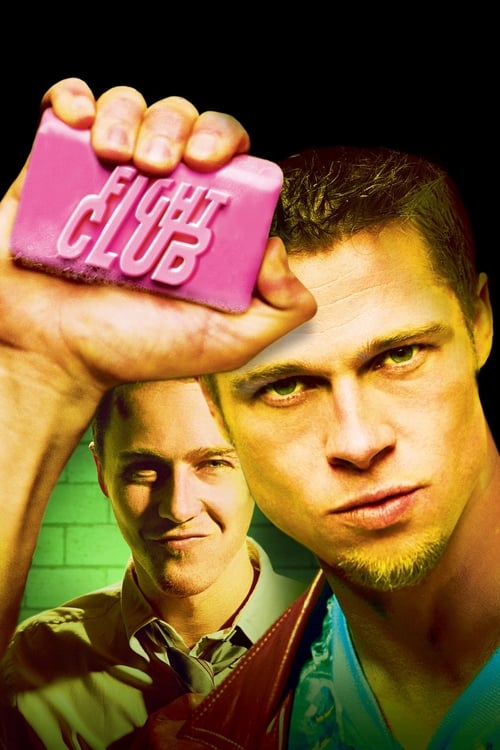
8. Fight Club
The unsettling, symbiotic relationship between Edward Norton's Narrator and Brad Pitt's Tyler Durden in "Fight Club" is a cornerstone of late-90s cinema. Their dualistic portrayal of repressed angst and anarchic id challenged societal norms, making audiences question reality itself. This isn't merely a duo; it's a fractured psyche made manifest, a provocative examination of masculinity and consumerism that continues to spark fervent debate and interpretation.
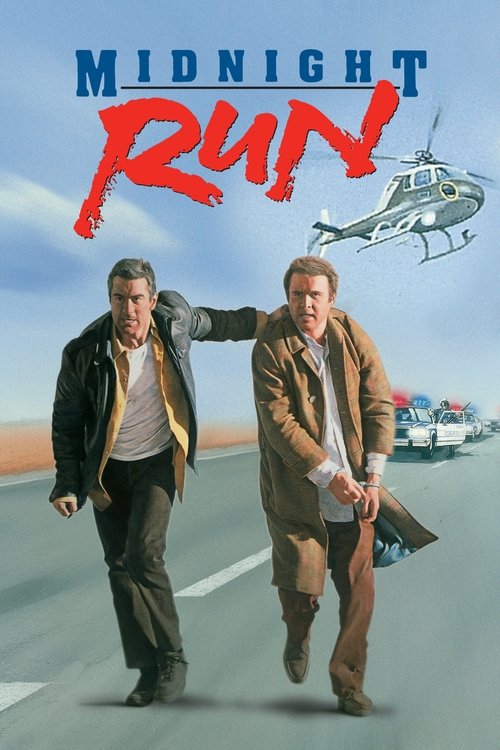
9. Midnight Run
"Midnight Run" masterfully blends action and comedy through the unlikely pairing of Robert De Niro's gruff bounty hunter and Charles Grodin's fastidious accountant. Their constant bickering, punctuated by moments of begrudging respect, created a template for the buddy-cop subgenre. It's the friction between their diametrically opposed personalities, rather than their external adventures, that truly drives the film, making their journey an enduring comedic classic.

10. Lethal Weapon
Mel Gibson's manic Riggs and Danny Glover's grounded Murtaugh in "Lethal Weapon" defined the modern buddy-cop film. Their contrasting styles—one a wild card, the other a family man nearing retirement—created an explosive, yet deeply human, partnership. Their chemistry transcended mere action, injecting heart and humor into the genre, solidifying a franchise and cementing their place as one of cinema's most beloved, if volatile, police duos.