


1. Pong (1972)
Pong wasn't just a game; it was a phenomenon, distilling sports into basic pixels. It introduced millions to interactive digital entertainment, laying the groundwork for the entire arcade industry and, eventually, home consoles. Its simple premise sparked competitive play and consumer demand, proving that video games could be a viable, compelling form of amusement. Essentially, it showed us what was possible with two paddles and a dot, forever altering entertainment.
2. Space Invaders (1978)
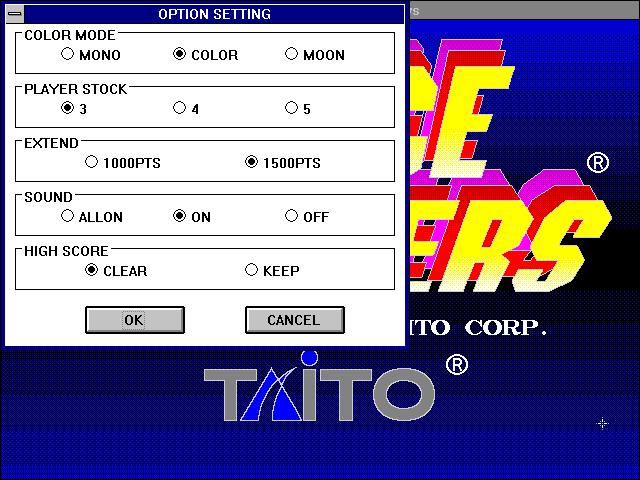
Space Invaders ignited the arcade craze, captivating a generation with its relentless march of alien adversaries and iconic sound design. It popularized the high-score chase, transforming public spaces into competitive arenas. This game wasn't just about shooting; it tapped into a primal urge for survival and mastery, creating a global obsession that defined early gaming culture and established video games as a powerful, addictive form of mass entertainment.
3. Super Mario Bros.
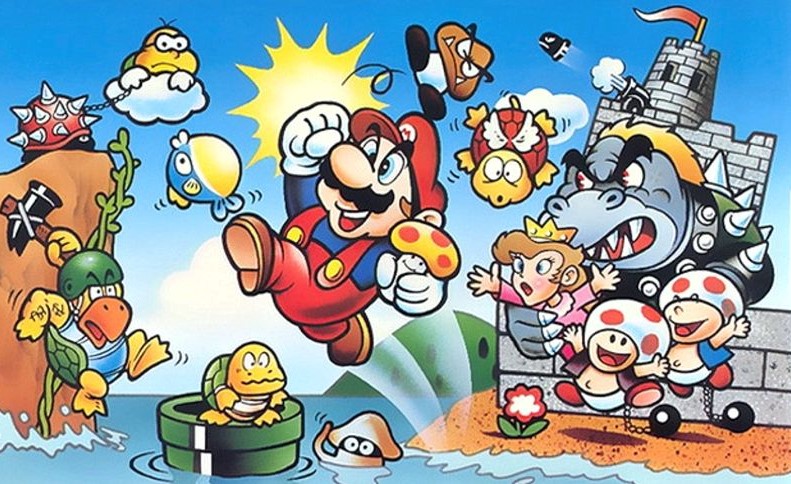
Super Mario Bros. didn't just save the console market; it redefined what a video game could be. Its intricate level design, responsive controls, and vibrant world set the gold standard for platformers, influencing countless games that followed. Mario became an icon, a symbol of joyful exploration and ingenuity. And, it proved that depth and personality could emerge from simple mechanics, establishing Nintendo's enduring legacy in shaping game design principles.

4. Tetris (1984)
Tetris transcended cultural and language barriers, proving that a puzzle game could achieve universal appeal. Its simple, addictive loop of falling blocks and spatial reasoning became a global phenomenon, particularly with the advent of handheld gaming. It demonstrated the power of elegant design, creating a timeless experience that continues to captivate players. Tetris solidified the notion that games didn't need complex narratives to be profoundly engaging and impactful.
5. The Legend of Zelda: Ocarina of Time
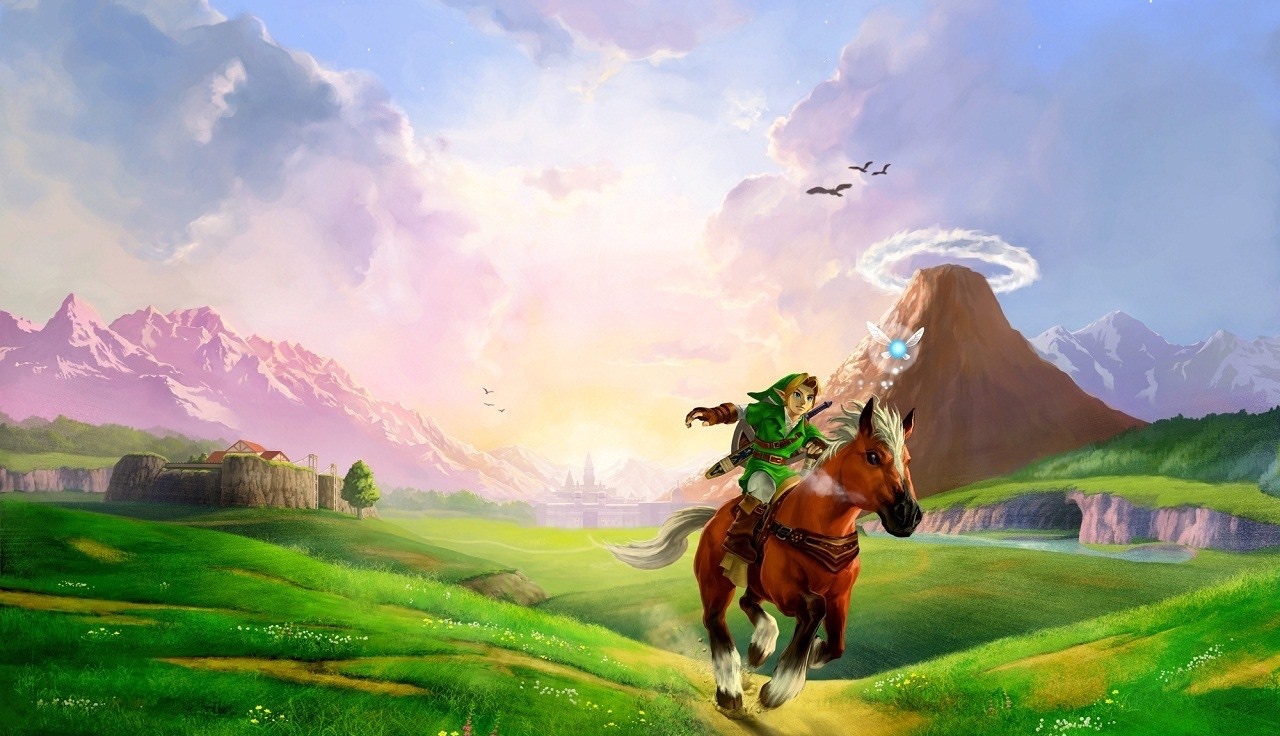
Ocarina of Time didn't just transition a beloved series into 3D; it wrote the playbook for 3D adventure games. Its innovative Z-targeting system, contextual controls, and vast, interconnected world set new benchmarks for environmental storytelling and player immersion. It crafted a sense of epic scale and emotional depth previously unseen, profoundly influencing how developers approached camera control, combat, and narrative progression in the evolving 3D landscape.
6. DOOM (2016)
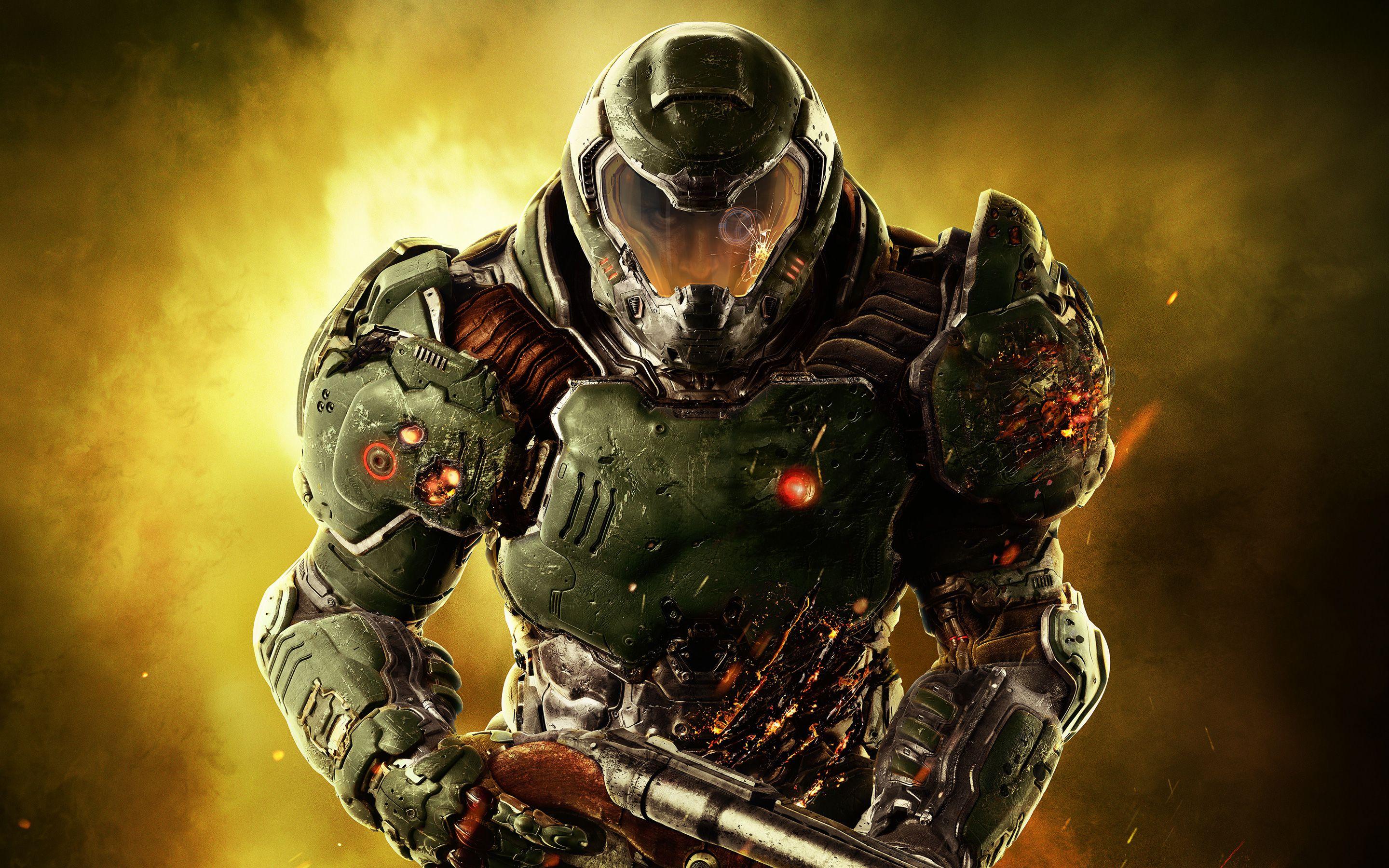
When DOOM (2016) arrived, it wasn't merely a reboot; it was a masterclass in re-evaluating a classic. It discarded modern FPS trends, instead doubling down on frantic, aggressive combat and a heavy metal aesthetic. This revitalized formula proved that a single-player, linear shooter could still deliver an unparalleled adrenaline rush, influencing subsequent action titles to embrace speed and player agency over cover-based mechanics, reminding us what made the genre great.
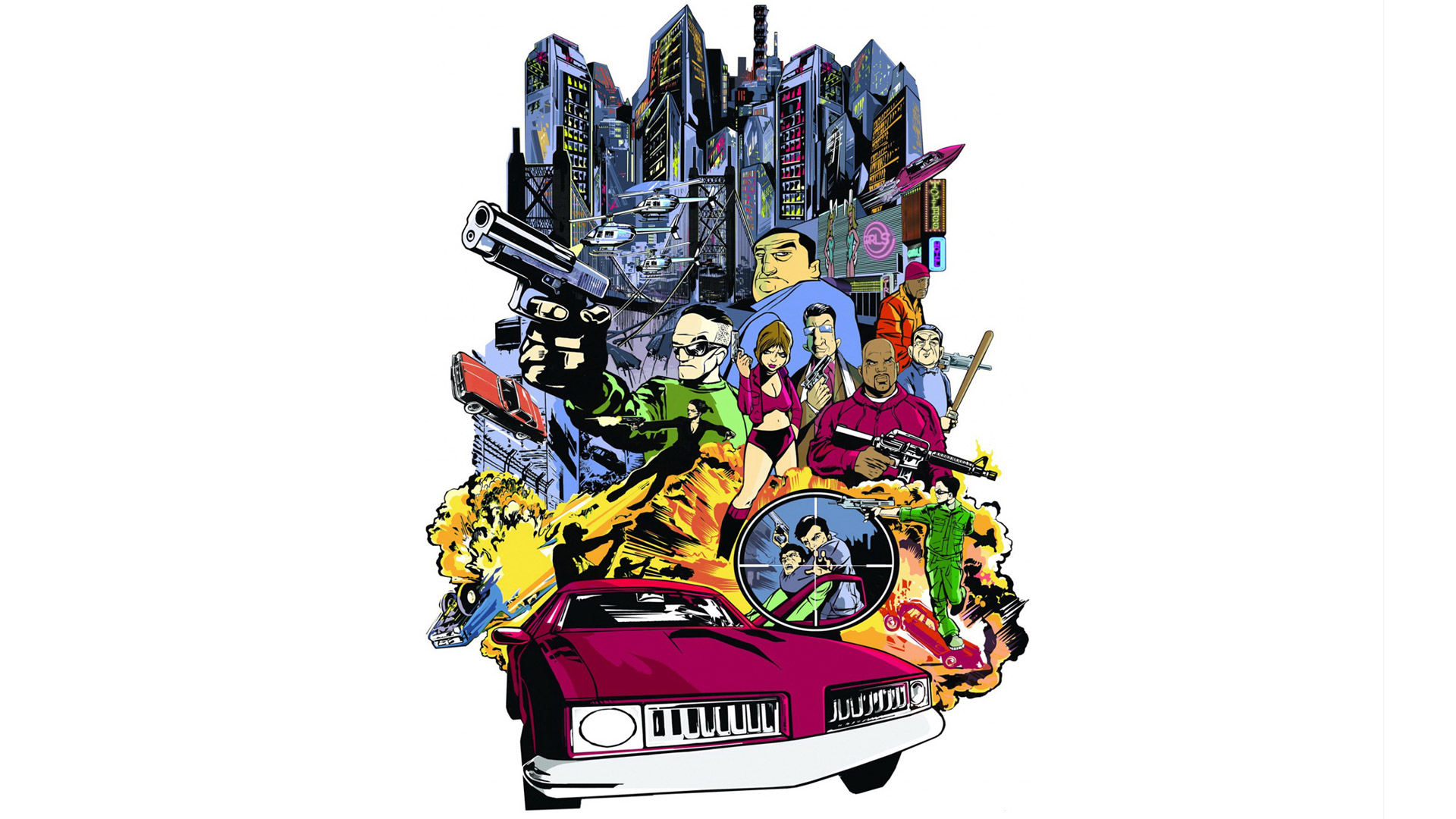
7. Grand Theft Auto III
Grand Theft Auto III was a seismic event, ushering in the era of true 3D open-world sandbox games. Its sprawling, living city, mature themes, and unprecedented freedom shocked and delighted players in equal measure. It sparked heated debates about violence in media, but also proved that games could offer complex, player-driven narratives and emergent gameplay on a grand scale, irrevocably altering expectations for freedom and scope in game design.
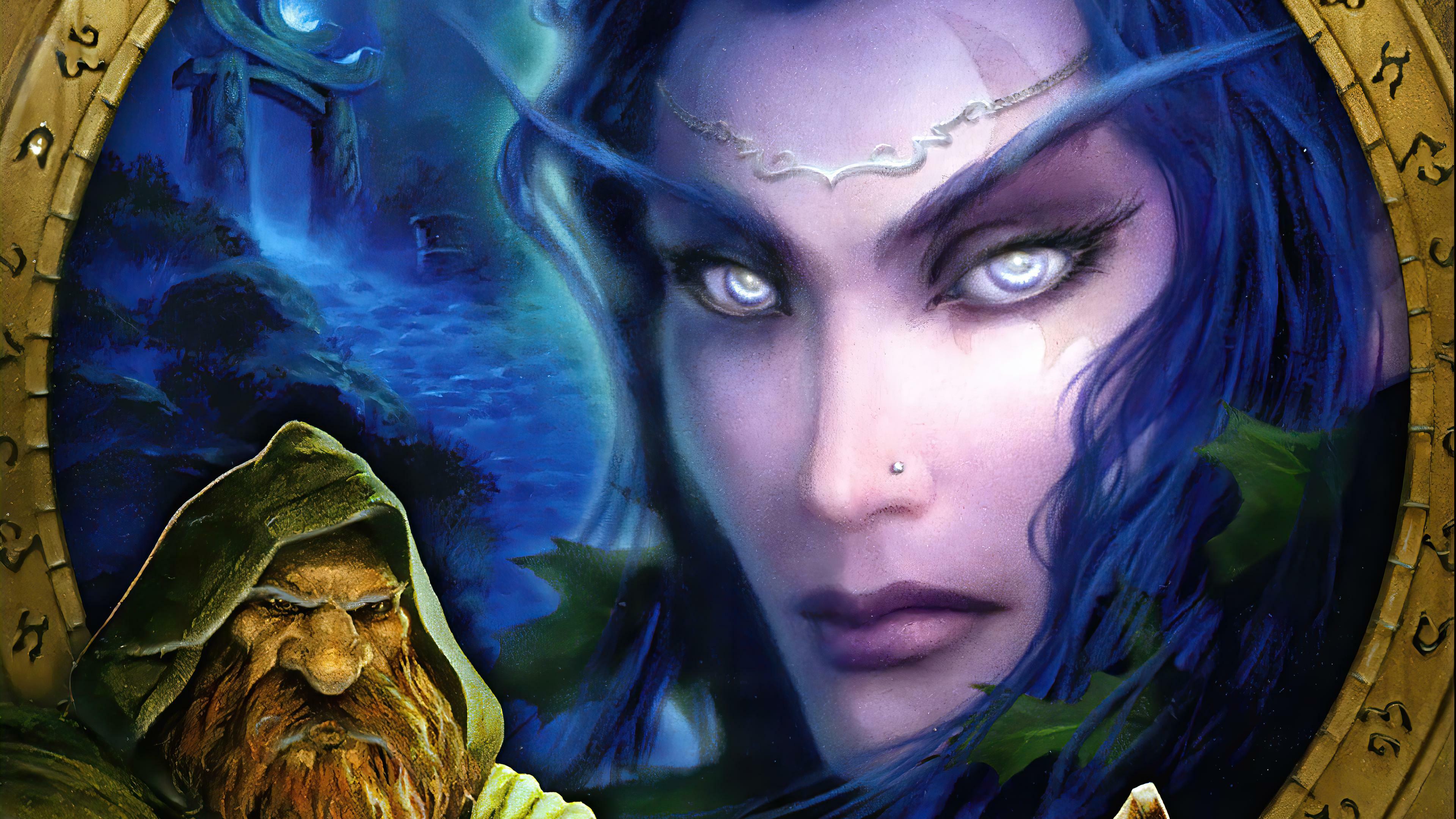
8. World of Warcraft
World of Warcraft didn't just dominate the MMO landscape; it defined an entire generation of online gaming. Its accessible yet deep mechanics, persistent world, and unparalleled social infrastructure forged communities that endured for years. It proved the viability of the subscription model on an epic scale and embedded online cooperative play into mainstream consciousness. WoW became more than a game; it was a virtual society, a cultural touchstone.
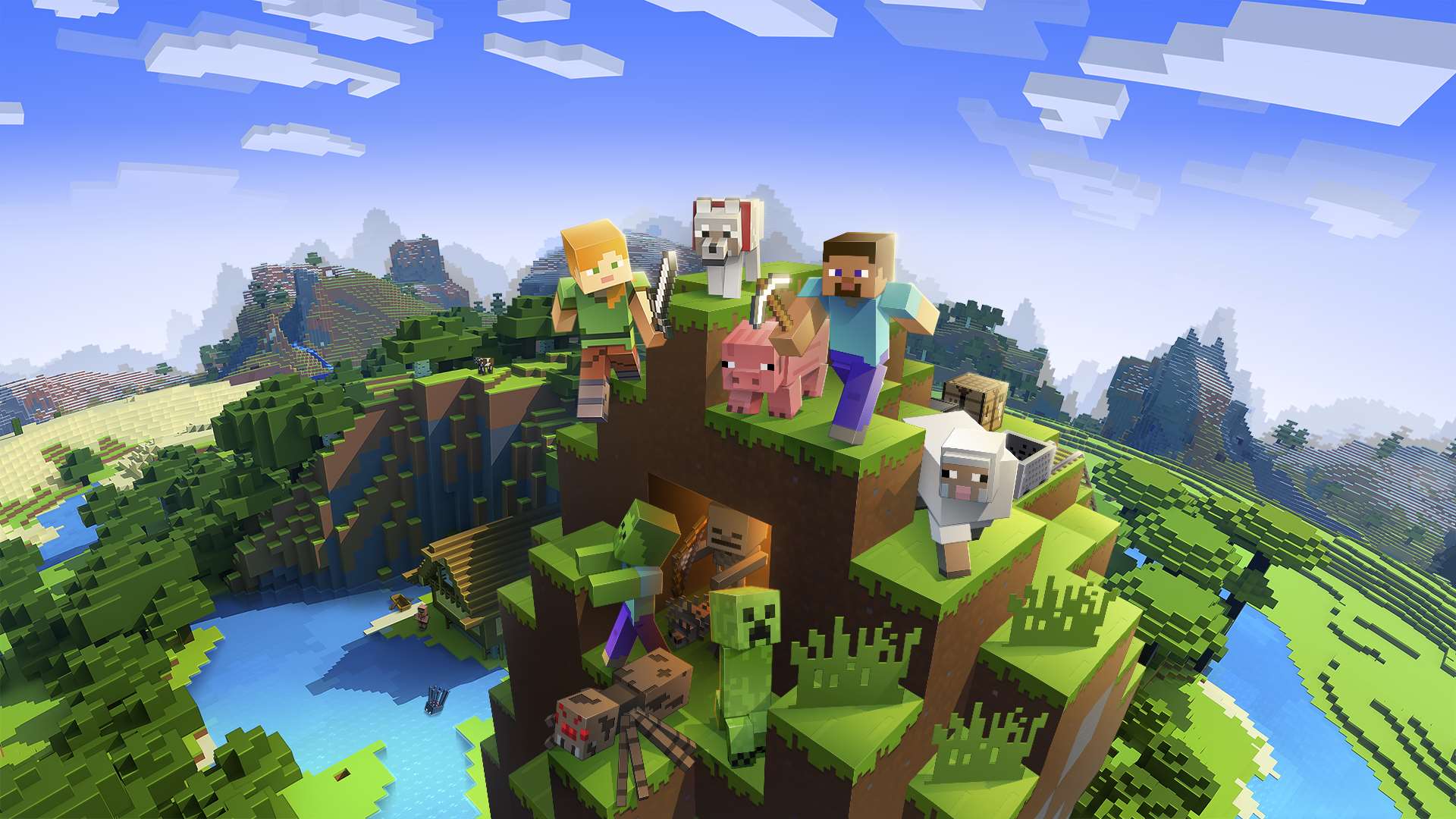
9. Minecraft
Minecraft redefined creativity in gaming, empowering millions to build, explore, and imagine without limits. Its blocky aesthetic and procedural generation fostered an explosion of user-generated content, from simple homes to elaborate digital worlds. It demonstrated the profound appeal of emergent gameplay and sandbox design, crossing generational divides. Minecraft became a global platform for expression and collaboration, fundamentally altering perceptions of what a game could be.
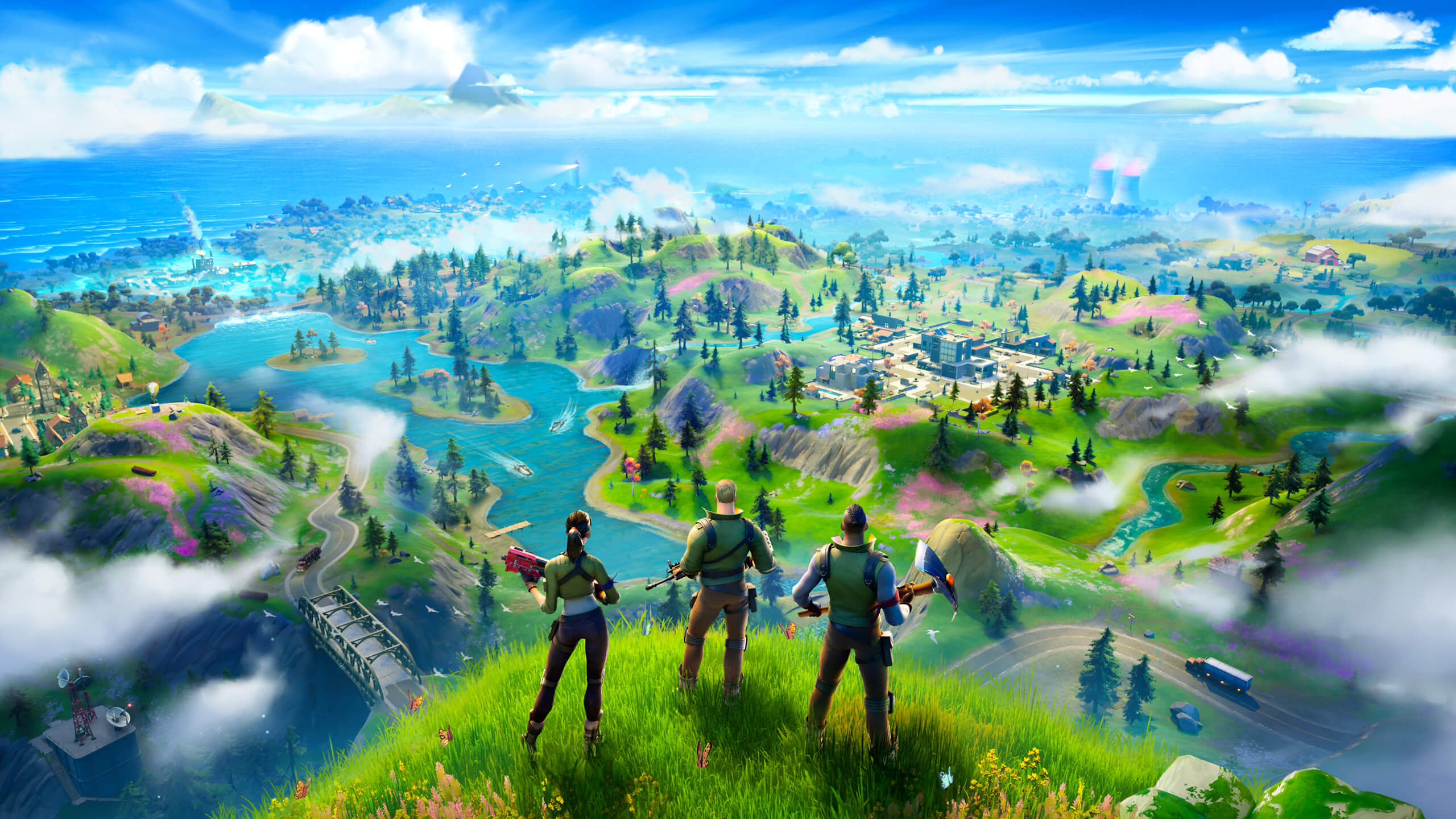
10. Fortnite Battle Royale
Fortnite Battle Royale wasn't the first, but it perfected the free-to-play, live-service model and propelled the genre into the global spotlight. Its cross-platform accessibility, frequent updates, and innovative building mechanics fostered a massive, engaged player base. It seamlessly integrated pop culture through emotes and collaborations, becoming a phenomenon beyond gaming, demonstrating how games could become dynamic, ever-evolving cultural hubs for millions worldwide.

11. Pokémon Red, Blue, Yellow
Pokémon's initial trio created a cultural juggernaut, introducing the 'catch 'em all' mentality and revolutionizing handheld gaming. Its blend of RPG mechanics, strategic battling, and the social element of trading monsters fostered an unparalleled sense of community and collection. Pokémon proved that portable games could support deep, engaging experiences and build a sprawling, multi-media empire, leaving an indelible mark on how we play and connect.