
1. High and Low
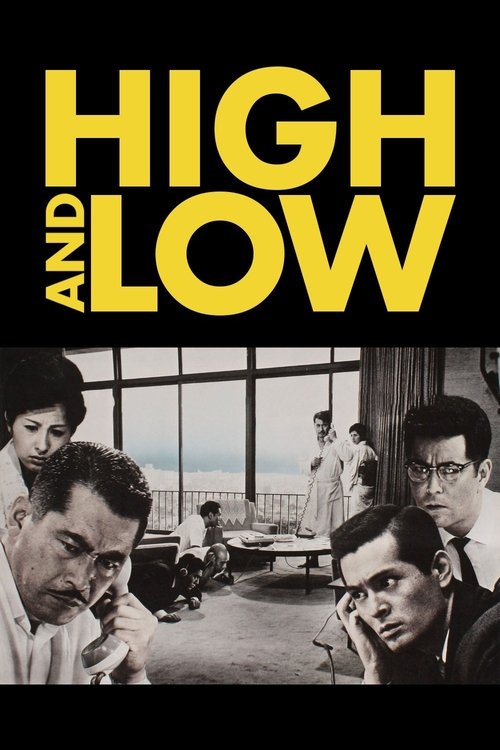
Kurosawa’s meticulous procedural is a masterclass in moral quandary and escalating tension. Shifting from the claustrophobia of a wealthy man’s mansion to the gritty, unseen underbelly of Yokohama, it interrogates class disparity and the nature of justice with stark, unrelenting precision. Mifune’s performance grounds this social commentary, making the ethical tightrope walk intensely personal, ultimately revealing the hidden costs of prosperity and the corrosive effects of desperation in post-war Japan.
2. The Umbrellas of Cherbourg
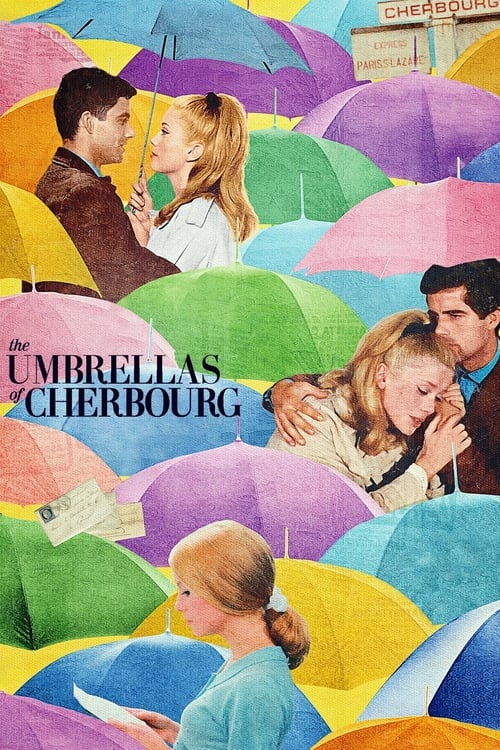
Jacques Demy's audacious musical is a vibrant, heartbreaking confection, where every line of dialogue is sung. Technicolor bursts across the screen, painting a world of youthful romance and inevitable heartbreak with a dreamlike, yet deeply earnest, quality. It's a bold artistic statement, a stylized elegy to first loves and missed opportunities, demonstrating how profound emotional truths can be conveyed through the most artificial of cinematic forms.
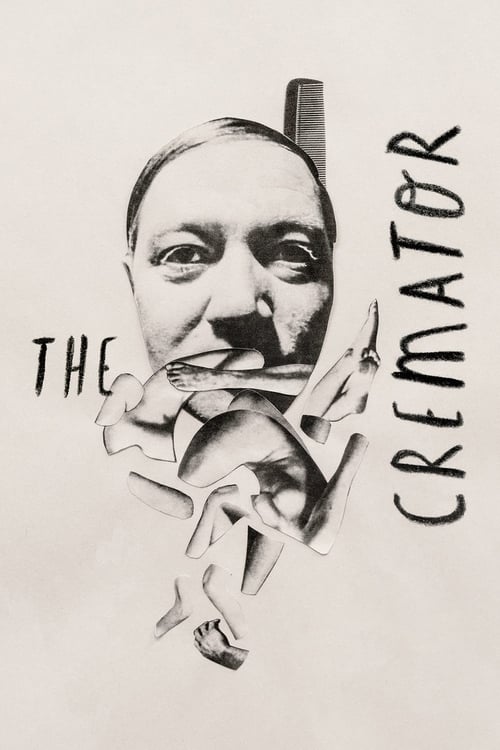
3. The Cremator
Juraj Herz’s chilling black comedy from the Czechoslovak New Wave is a descent into bureaucratic madness and escalating horror. Karel Kopfrkingl, an affable cremator, transforms into a chilling instrument of totalitarian evil, convinced of his morbid mission. The film’s grotesque humor and Expressionistic visuals create a disorienting, nightmarish atmosphere, serving as a scathing, prescient allegory for the seductive power of ideology and the complicity of the seemingly ordinary man.
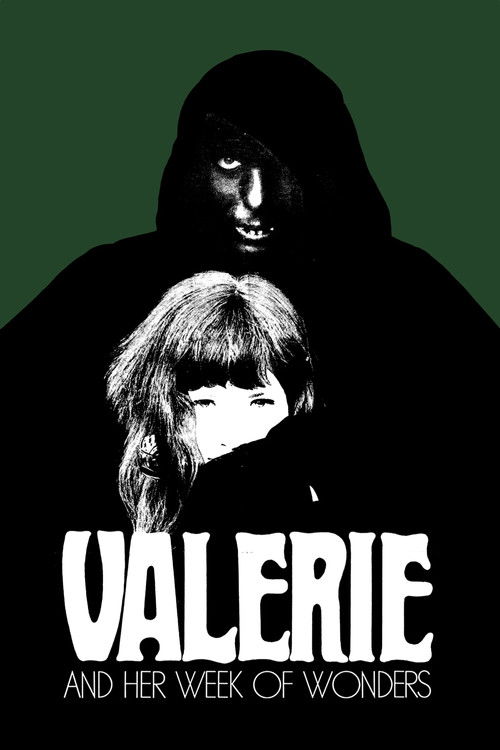
4. Valerie and Her Week of Wonders
A poetic, surreal coming-of-age fable, Jaromil Jireš’s film is a phantasmagoria of Freudian dream logic and gothic imagery. Young Valerie navigates a sensuous, unsettling world of vampires, priests, and predatory adults, blurring the lines between innocence and burgeoning sexuality. It's less a narrative and more an experience, a series of exquisitely composed, symbolic vignettes that capture the anxieties and wonders of adolescence with intoxicating, often disturbing, beauty.
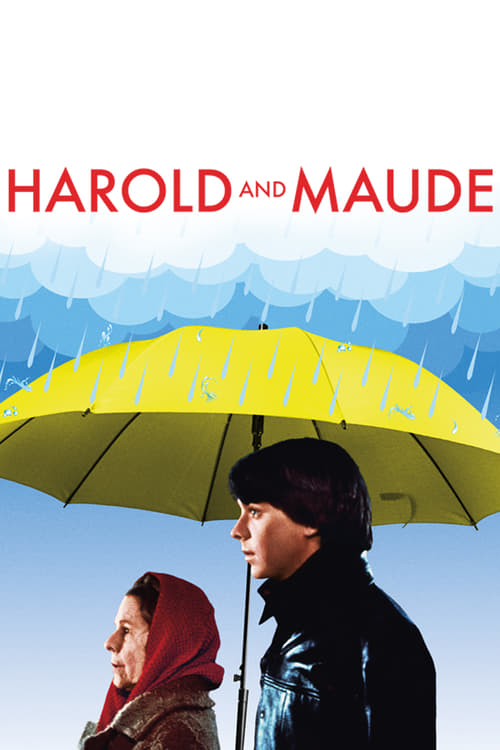
5. Harold and Maude
Hal Ashby’s singular black comedy is a profound, unconventional romance that celebrates life in the face of death. Harold, obsessed with faking suicides, finds an unexpected muse in Maude, an octogenarian who embraces existence with exhilarating abandon. Their unlikely bond challenges societal norms, delivering a poignant, darkly humorous ode to individuality, finding joy in the ephemeral, and the transformative power of genuine connection, even beyond expected boundaries.
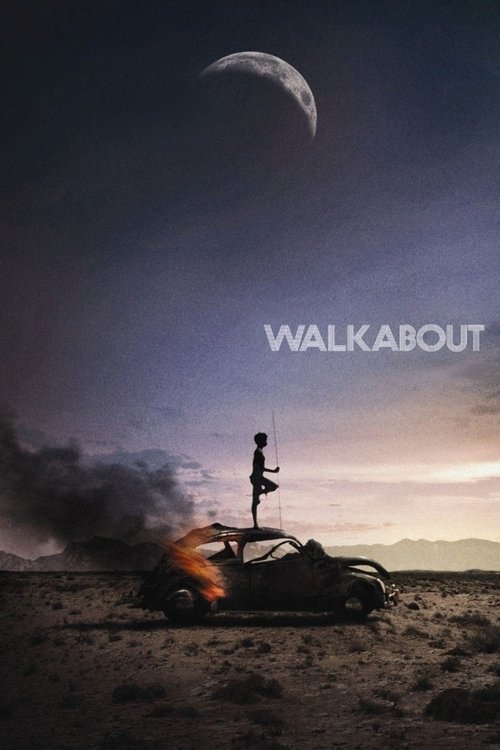
6. Walkabout
Nicolas Roeg's visually stunning, allegorical survival story contrasts civilization's artifice with the brutal purity of the Australian outback. Two lost British children are saved by an Aboriginal boy on his "walkabout," leading to a profound, often tragic, cultural collision. Roeg’s elliptical editing and breathtaking cinematography create a dreamlike, primal experience, exploring themes of innocence lost, colonialism's impact, and humanity's uneasy relationship with the natural world.
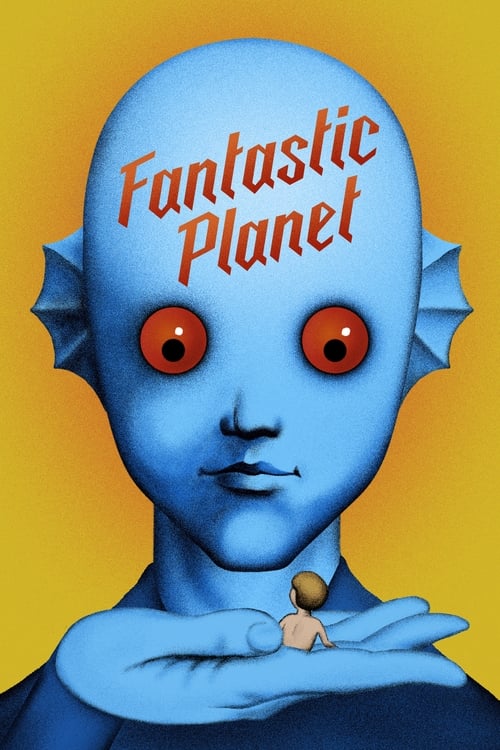
7. Fantastic Planet
René Laloux’s unique animated feature is a mesmerizing, allegorical sci-fi vision. With its distinct, cutout-like animation and surreal creature designs, it tells the story of human 'Oms' oppressed by giant 'Draags' on a distant world. It functions as a potent, timeless commentary on prejudice, intellectual superiority, and the struggle for freedom, all wrapped in an aesthetically singular package that remains arresting and thought-provoking decades later.
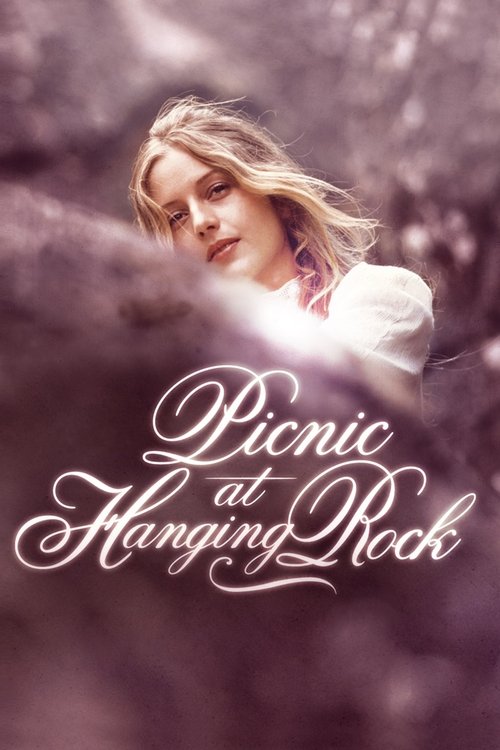
8. Picnic at Hanging Rock
Peter Weir's atmospheric masterpiece is less a mystery to be solved and more an existential dread to be felt. On a sweltering Australian day, schoolgirls vanish at a monolithic rock formation, leaving an unsettling void. Weir masterfully uses dreamlike imagery and a haunting score to evoke a sense of disquiet, probing the fragility of colonial order against an ancient, indifferent landscape, and the inexplicable nature of loss.
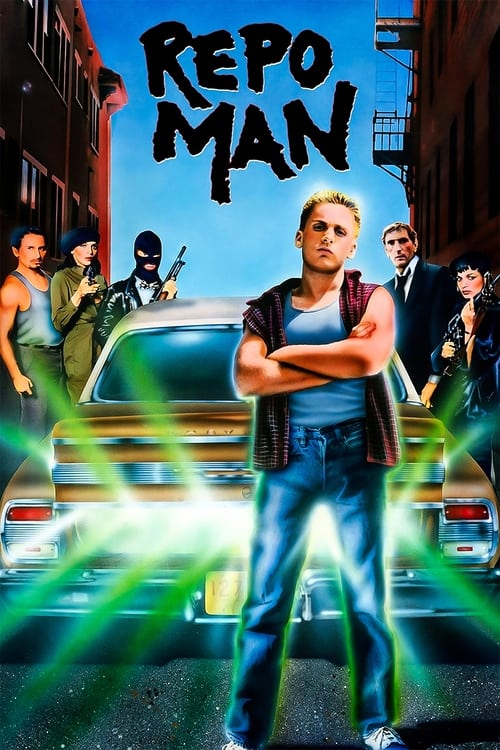
9. Repo Man
Alex Cox’s cult classic is a delightfully chaotic, punk rock odyssey through Reagan-era Los Angeles. Otto, an aimless youth, falls into the bizarre world of car repossession, uncovering government conspiracies, alien technology, and a distinct philosophy of existence. Its blend of sci-fi absurdity, deadpan humor, and anti-establishmentarianism, accompanied by a legendary soundtrack, cemented its status as a quintessential, unapologetically weird, underground touchstone.
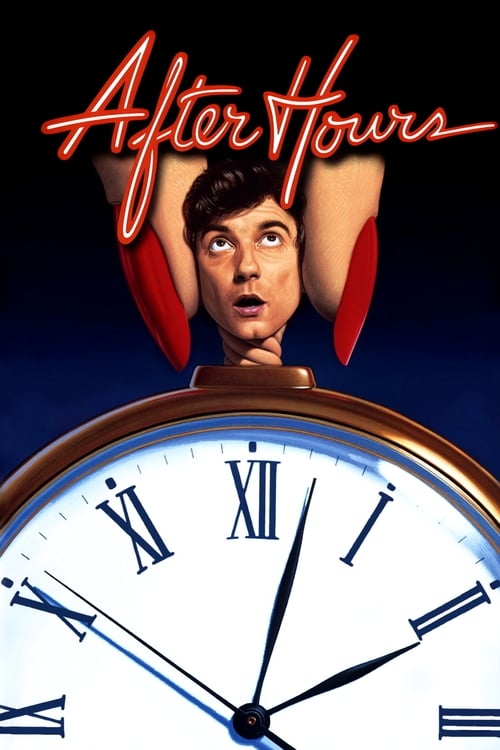
10. After Hours
Martin Scorsese, stepping away from his usual grand narratives, crafts a claustrophobic, darkly comedic nightmare. Paul Hackett's innocent one-night foray into SoHo turns into an escalating, Kafkaesque ordeal of misunderstandings, eccentric characters, and growing paranoia. It's a masterclass in urban anxiety, demonstrating how a simple wrong turn can lead to a terrifying unraveling of reality, a relentless, often hilarious, descent into the absurd.
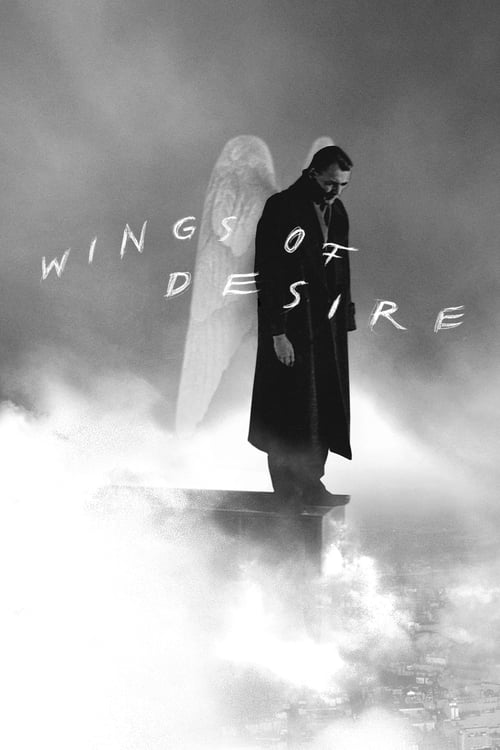
11. Wings of Desire
Wim Wenders’ poetic meditation on human experience unfolds through the eyes of two trench-coated angels observing Cold War Berlin. Shot in evocative black and white, punctuated by bursts of color when angels desire mortality, it’s a philosophical inquiry into connection, loneliness, and the simple joys of earthly existence. This film beautifully explores the yearning for tangible life, and the profound weight of human emotion.

12. Jacob's Ladder
Adrian Lyne's psychological horror delves into the fractured mind of a Vietnam veteran experiencing terrifying, hallucinatory visions. This isn't jump-scare horror; it's a profound, disturbing journey through trauma and the unraveling of reality. The film's unsettling imagery and pervasive sense of dread effectively convey the lingering psychological scars of war, blurring the lines between reality, memory, and a descent into personal hell.