1. Urban Chaos
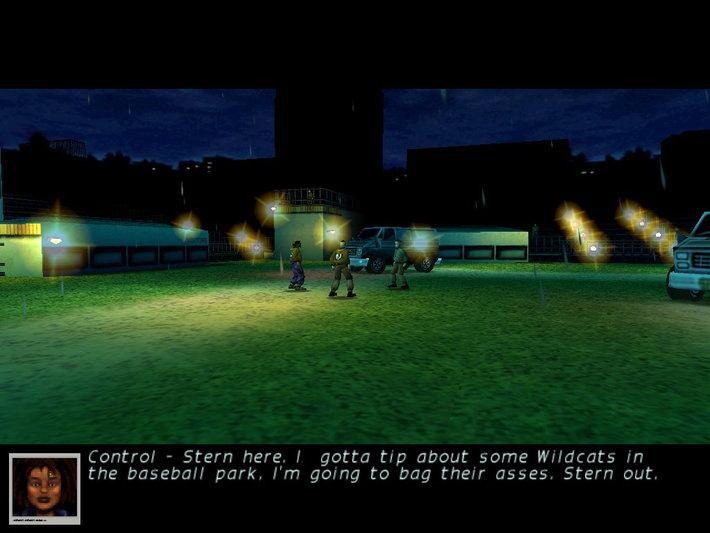
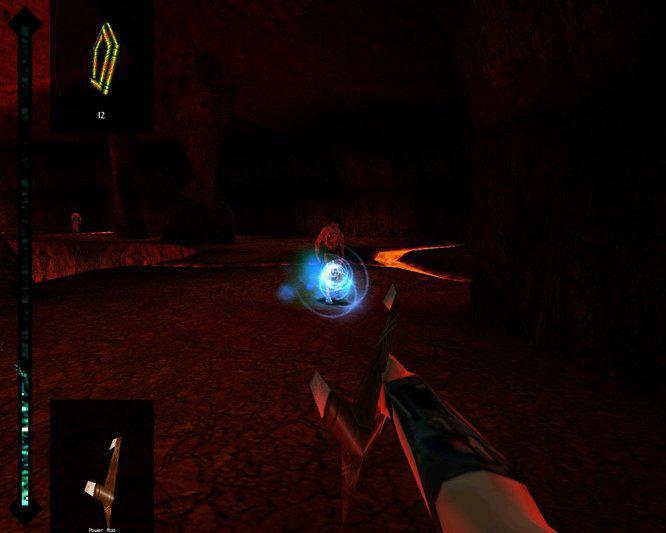
This one had open-world ambition before it was common, dropping you into a dynamic city as a cop or vigilante. Its blend of third-person action, platforming, and emergent gameplay, especially with destructible environments and realistic physics, felt genuinely groundbreaking. The city felt alive, a place where systems interacted, rather than just a backdrop. It was clunky, sure, but its vision for urban sandbox play was certainly forward-looking.
2. Omikron: The Nomad Soul
David Bowie's involvement wasn't just a cameo; he was integral to this genre-bending experience. Omikron blended adventure, fighting, FPS, and even a unique reincarnation mechanic across a dystopian, cyberpunk world. Its ambitious scope, narrative depth, and seamless transitions between gameplay styles were truly audacious for its era. It aimed for an immersive, interactive narrative that few games dared attempt, laying groundwork for future cinematic adventures.
3. The Operative: No One Lives Forever
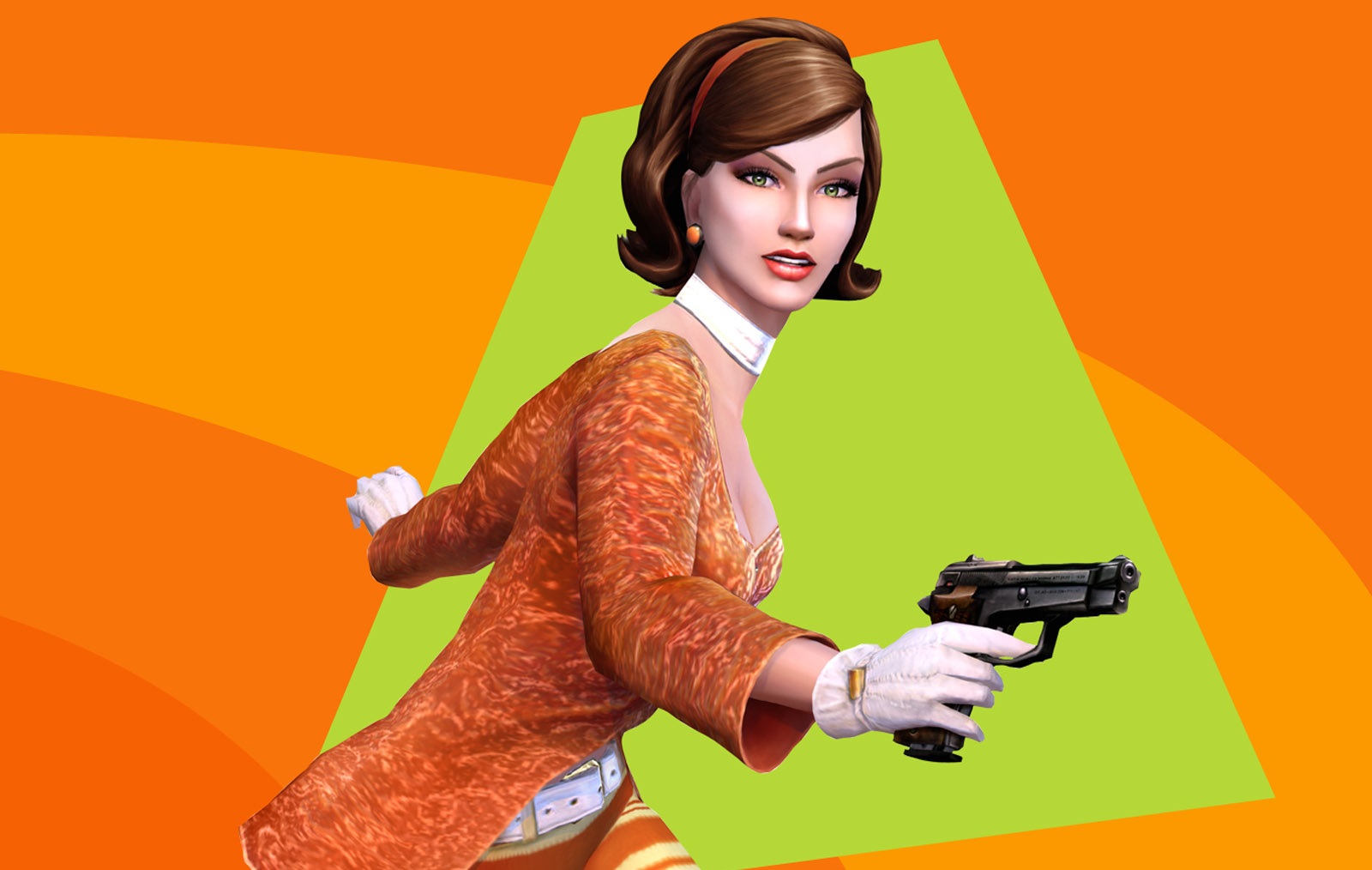
NOLF was a masterclass in style, humor, and varied gameplay. It wasn't just a stealth shooter; it was a parody of spy thrillers, packed with clever gadgets and genuinely witty dialogue. The level design offered multiple approaches, from stealth to full-on gunfights, all wrapped in a vibrant 1960s aesthetic. Its commitment to character, narrative, and diverse gameplay mechanics set a high bar that many contemporary shooters struggled to meet.
4. Vagrant Story (2000)
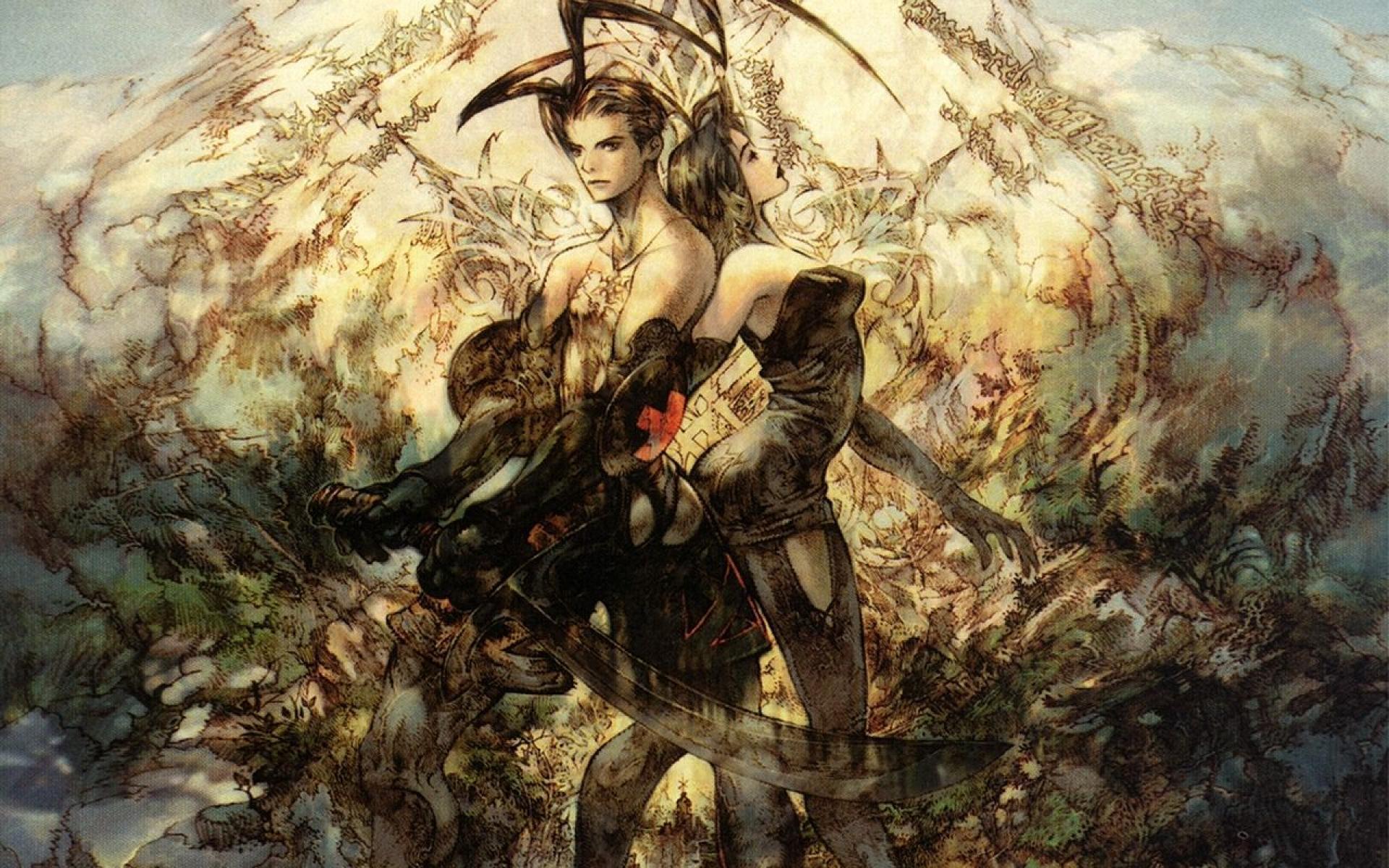
Squaresoft's dark fantasy RPG was a different beast entirely. It featured a complex, interconnected combat system reliant on chaining attacks, weapon crafting, and an elaborate risk/reward mechanic. The narrative, told through in-engine cutscenes, was dense and mature, focusing on political intrigue rather than high fantasy tropes. Its unique approach to combat, deep customization, and sophisticated storytelling made it stand out, even among its esteemed PlayStation peers.
5. Rez
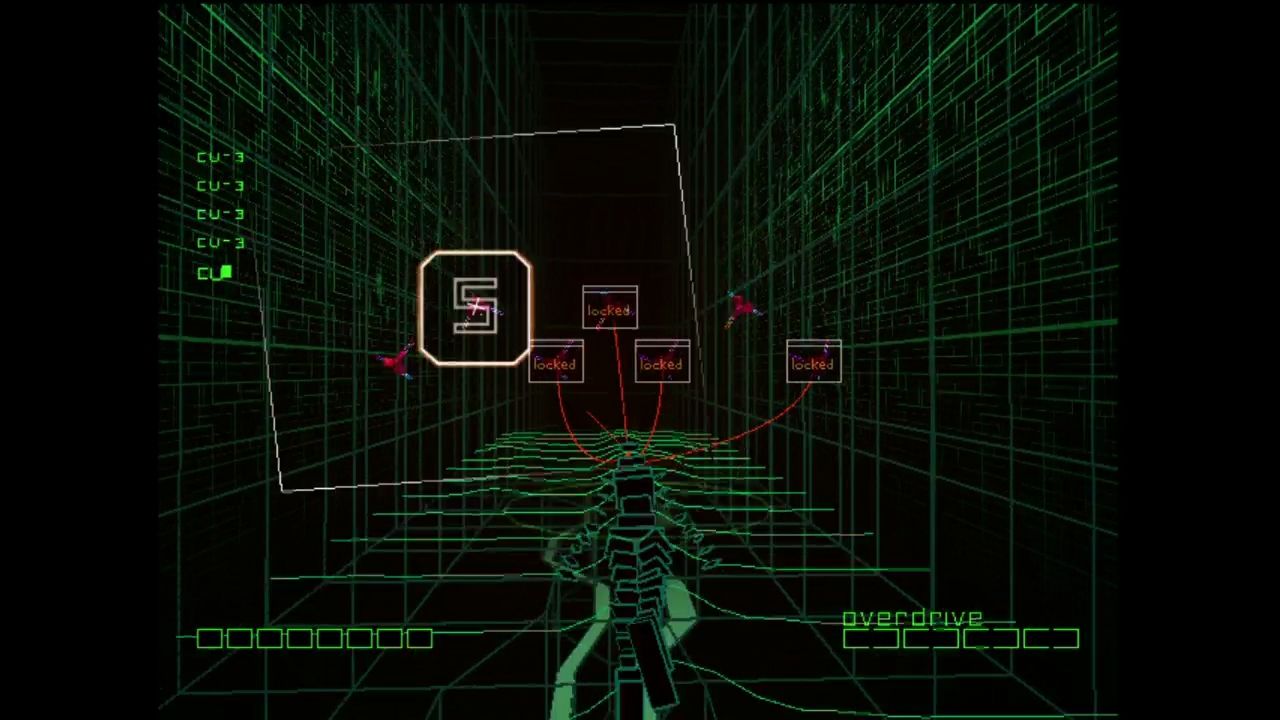
This wasn't just a rhythm game; it was a synesthetic experience. Rez seamlessly blended music, visuals, and gameplay into a singular, hypnotic flow. Players 'shoot' at enemies, and each action adds to the evolving musical score, creating a feedback loop of sight and sound. Its abstract, minimalist aesthetic and focus on sensory immersion were revolutionary, hinting at the potential for games to transcend traditional genre boundaries and become pure interactive art.
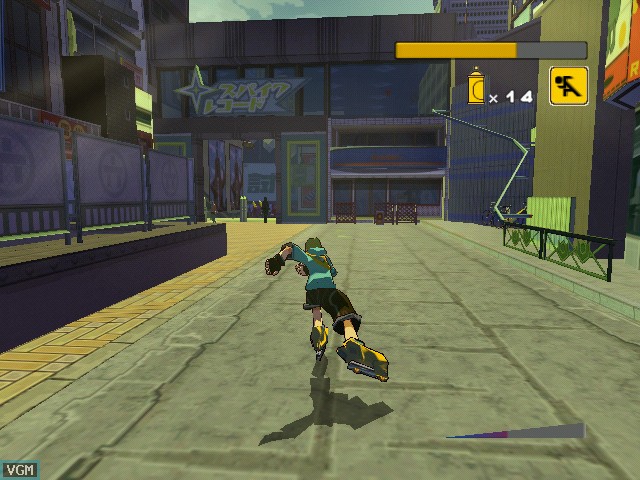
6. Jet Set Radio Future
JSRF took its predecessor's unique cel-shaded style and amplified it, delivering an open-world Tokyo-to-future experience focused on graffiti, speed, and rebellious attitude. Its vibrant art direction, iconic soundtrack, and fluid movement system were unmatched. The game encouraged exploration and mastery of its skating mechanics, a pure joy to play. It was a stylish, trendsetting title that pushed graphical boundaries and embodied a specific, cool counter-culture aesthetic.
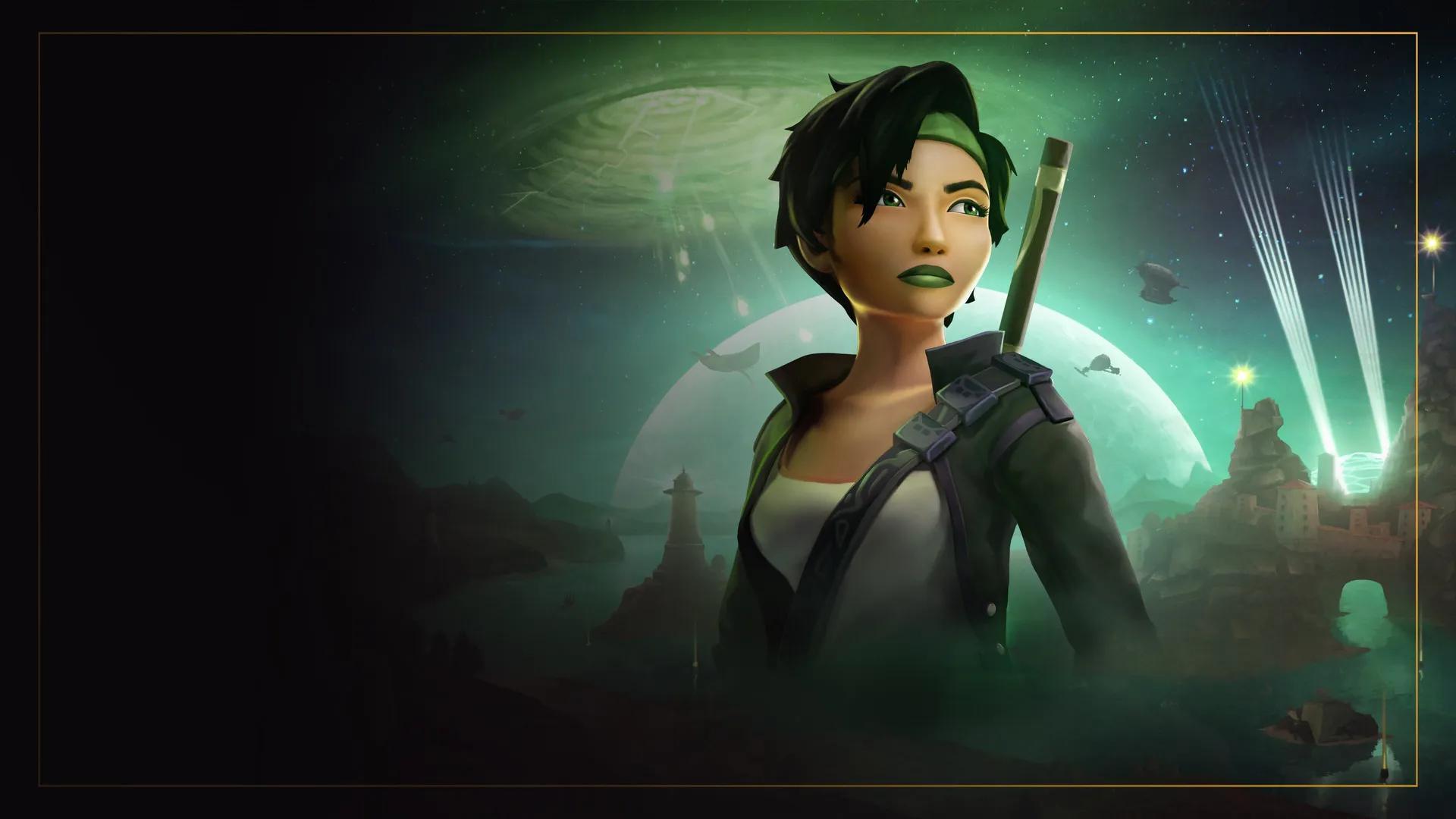
7. Beyond Good & Evil - 20th Anniversary Edition
The original *Beyond Good & Evil* was critically acclaimed for its blend of stealth, combat, puzzle-solving, and photography, all wrapped in a compelling narrative about media manipulation. This Anniversary Edition revisits that masterpiece, highlighting its ahead-of-its-time character development and environmental storytelling. Its thematic depth and genre-mixing approach were ambitious, creating a unique world that felt lived-in and truly special, far beyond its modest commercial success.
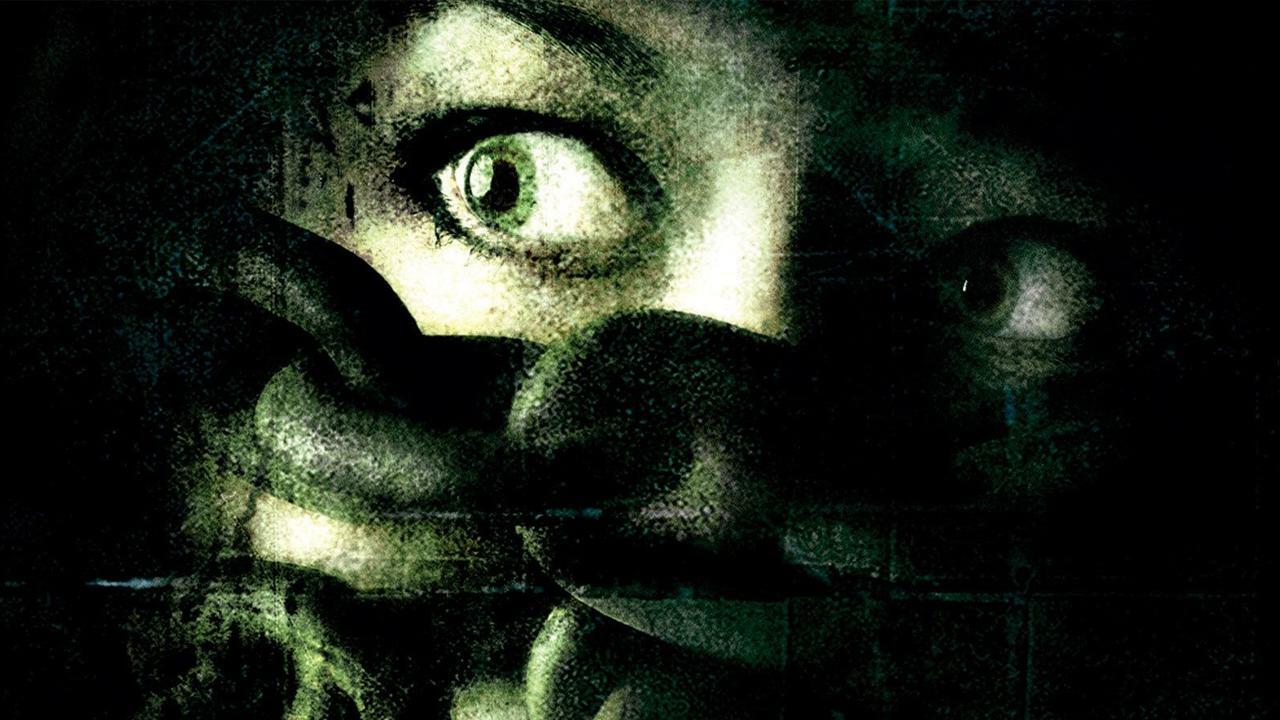
8. Condemned: Criminal Origins
Condemned brought a brutal, visceral edge to first-person horror. Its focus on melee combat, environmental puzzle-solving, and forensic investigation created an oppressive atmosphere unmatched by most shooters. The game's grimy urban settings and psychological terror, rather than cheap jump scares, felt genuinely groundbreaking. It committed to a realistic, uncomfortable vision of horror, pushing boundaries for how violent and disturbing a console game could be.
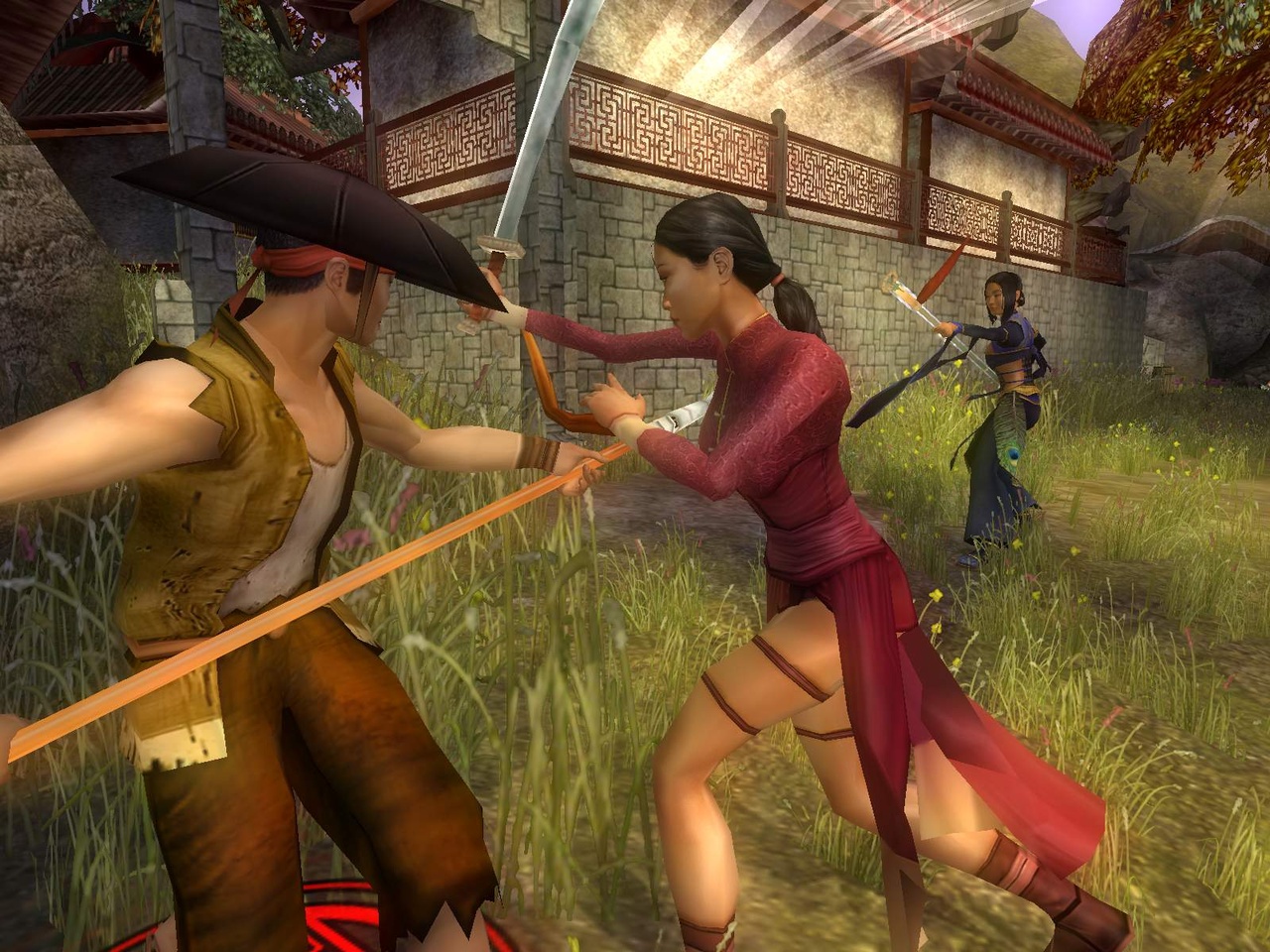
9. Jade Empire
BioWare's foray into martial arts RPGs offered a richly detailed world inspired by Chinese mythology. It combined real-time combat with deep character development, moral choices affecting the narrative, and a captivating 'Open Palm/Closed Fist' philosophy system. The game’s dynamic combat, memorable companions, and emphasis on player agency within a unique cultural setting showcased BioWare's storytelling prowess long before it became standard for the genre.
10. Psychonauts
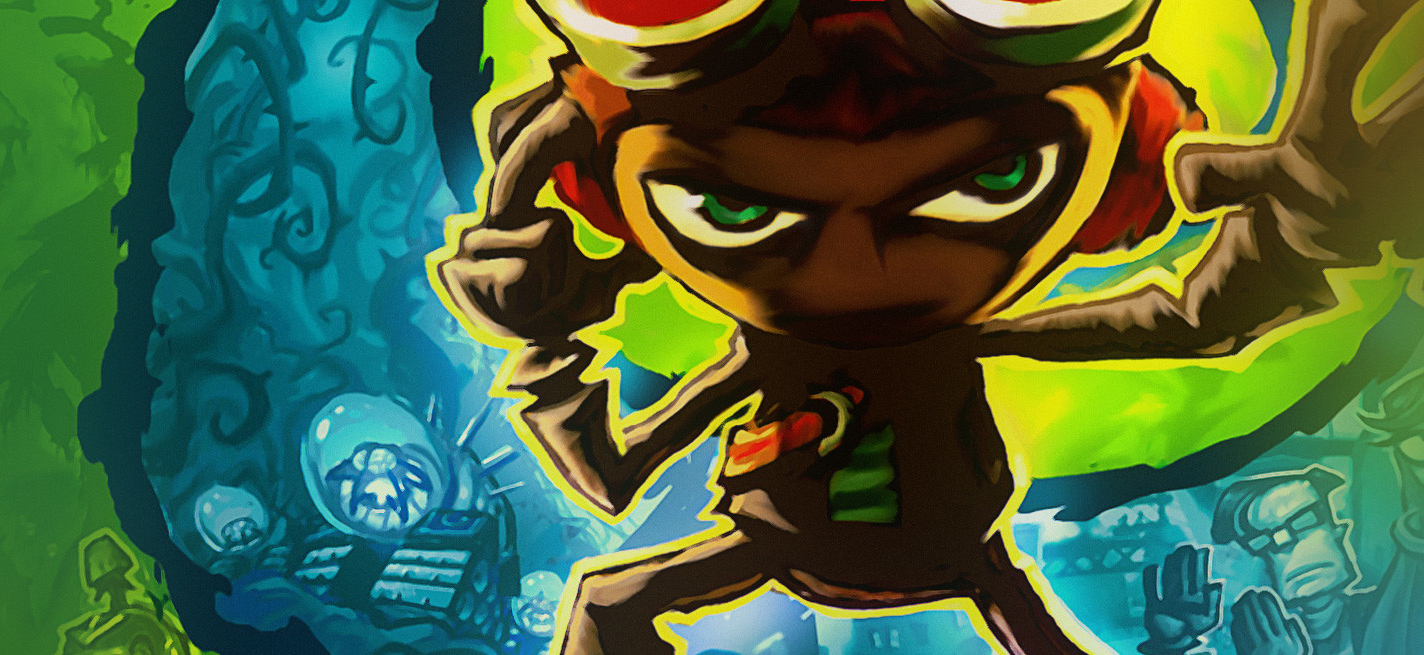
This platformer dove into the literal minds of characters, translating psychological concepts into wildly creative level design. Its unique premise, sharp writing, and genuinely funny dialogue made it a cult classic. The way it explored mental health themes through imaginative, surreal worlds was incredibly innovative, proving that games could tackle complex subjects with wit and heart while still delivering engaging gameplay.
11. The Saboteur
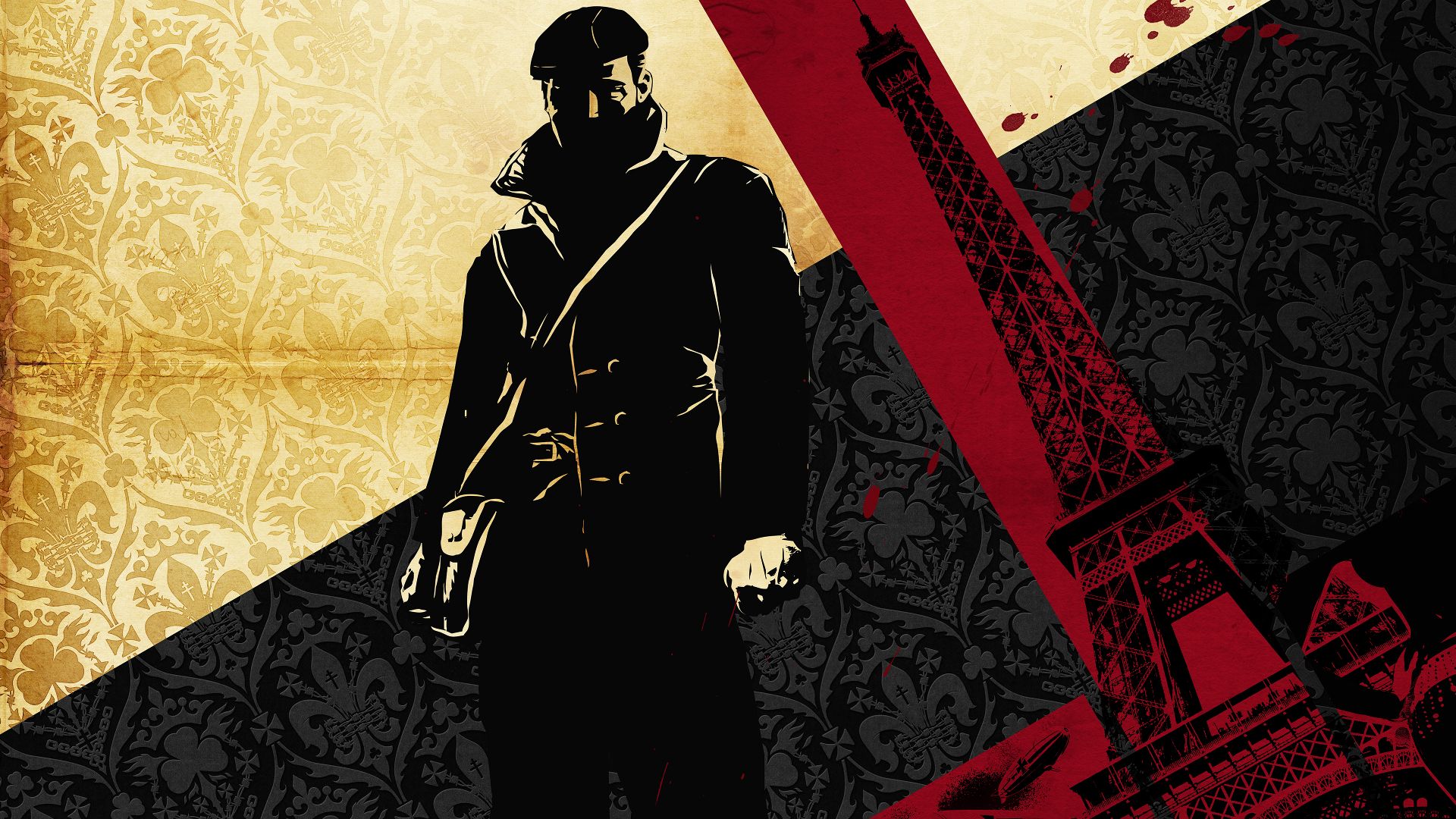
Set in Nazi-occupied Paris, The Saboteur uniquely blended stealth, open-world exploration, and a striking visual style where color returned to areas freed from Nazi control. Its parkour mechanics and emphasis on player freedom to undermine the occupation were compelling. It combined a gritty war narrative with a distinctive aesthetic choice that felt both artistic and functional, offering a fresh take on the open-world action genre.
12. Pathologic 2
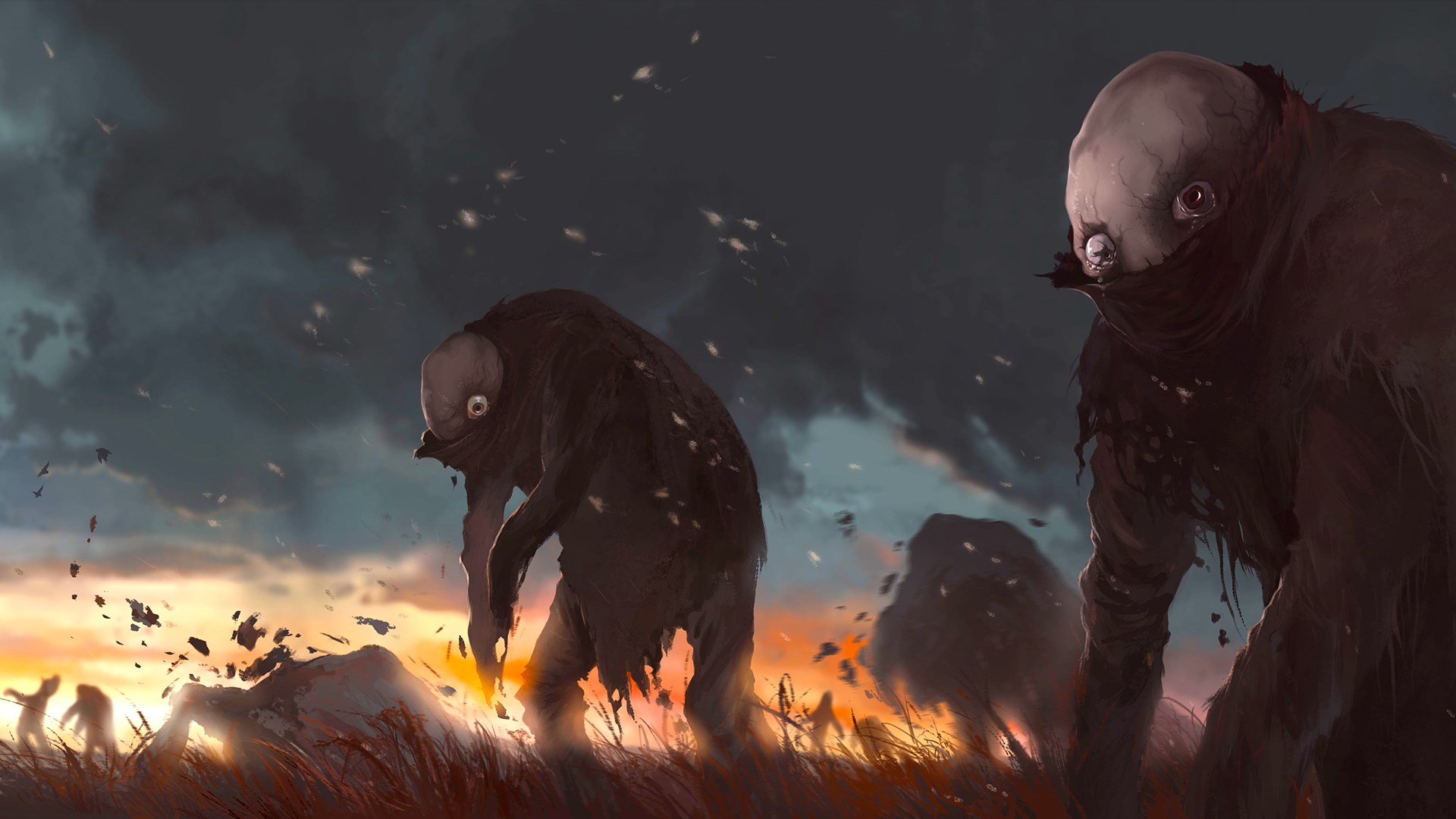
While a sequel, *Pathologic 2* refined its predecessor's unique brand of psychological survival horror. It's an uncompromising, intentionally difficult experience focused on resource management, moral dilemmas, and a deeply unsettling narrative set in a plague-stricken town. Its narrative ambiguity, complex character interactions, and brutal mechanics were designed to evoke discomfort and despair, pushing the boundaries of what a game could demand from its player.