

1. The Holy Mountain
Alejandro Jodorowsky's 1973 vision is less a film and more a cinematic ritual. It's a dazzling, often unsettling, allegorical journey through spiritual enlightenment and societal decay, presented with a visual vocabulary unparalleled in its audacity. The film’s striking imagery and esoteric themes invite multiple interpretations, demanding active engagement rather than passive viewing. Its critique of materialism and quest for transcendence remain profoundly relevant, making it a cornerstone of experimental cinema.

2. Possession
Andrzej Żuławski’s 1981 masterwork is a visceral, operatic exploration of a marriage collapsing under extreme duress. Isabelle Adjani's raw, almost animalistic performance anchors this psychological horror, set against the backdrop of Cold War-era Berlin. It delves into themes of identity, betrayal, and the monstrous aspects of human emotion with an unrelenting intensity. This is not merely a genre film; it is a profound, disturbing meditation on the destructive nature of love and separation.
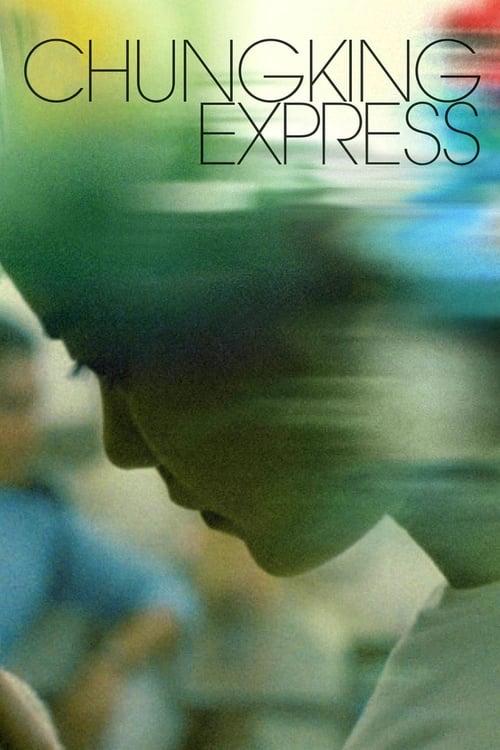
3. Chungking Express
Wong Kar-wai's 1994 film captures the fleeting, wistful romances and urban isolation of Hong Kong with an inimitable style. Its two interconnected stories, driven by yearning police officers and enigmatic women, unfold with a kinetic energy and dreamlike aesthetic. The film masterfully employs slow-motion, vibrant color, and an iconic soundtrack to evoke a profound sense of melancholy and the beauty of transient connections. It’s a stylish, deeply romantic meditation on coincidence and missed opportunities.

4. Withnail & I
Bruce Robinson's 1987 black comedy is a cult classic for good reason. It chronicles the misadventures of two unemployed, alcoholic actors fleeing 1960s London for a disastrous country retreat. The film is a masterclass in acerbic wit, quotable dialogue, and the bleak humor of desperation. Richard E. Grant and Paul McGann deliver iconic performances, crafting a poignant, hilarious portrayal of friendship, failure, and the inevitable end of an era.
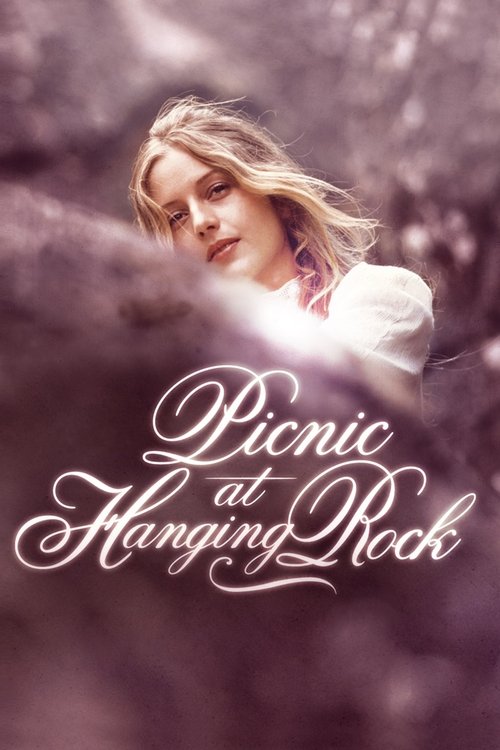
5. Picnic at Hanging Rock
Peter Weir’s 1975 film is a haunting, atmospheric mystery that eschews easy answers. Set in colonial Australia, it depicts the inexplicable disappearance of schoolgirls during an outing, unsettling the genteel facade of society. The film's power lies in its suggestion and mood rather than resolution, exploring themes of repressed sexuality, nature's indifference, and the fragility of human order. Its dreamlike visuals and unsettling score create an enduring, hypnotic experience.
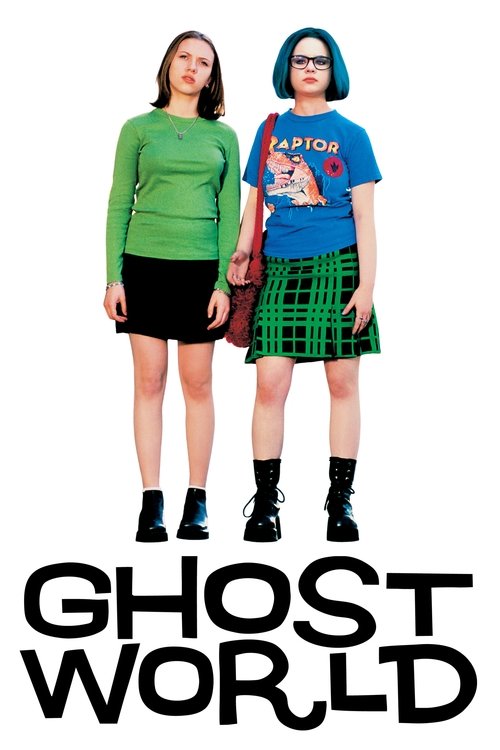
6. Ghost World
Terry Zwigoff’s 2001 adaptation perfectly captures the sardonic wit and existential ennui of its graphic novel source. Following the disaffected post-high school lives of Enid and Rebecca, it’s a poignant, darkly comedic exploration of outsiderdom and the awkward transition to adulthood. Thora Birch and Scarlett Johansson deliver memorable performances, embodying the alienation and nascent self-discovery of young women navigating a world they disdain. It’s a sharp, honest portrayal of suburban malaise.
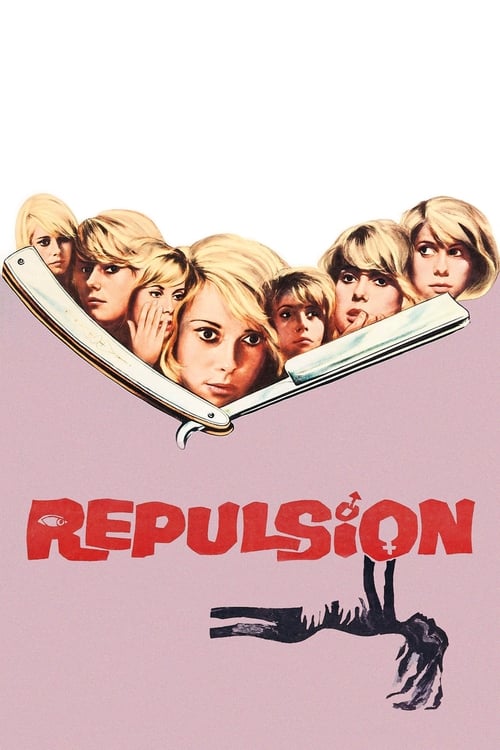
7. Repulsion
Roman Polanski's 1965 psychological thriller plunges the viewer into the deteriorating mind of Catherine Deneuve’s Carole. As she descends into paranoia and hallucination in her isolated London apartment, the film masterfully uses sound design and claustrophobic visuals to externalize her internal torment. It’s a chilling, uncompromising study of mental breakdown, sexual anxiety, and urban alienation, a stark precursor to later psychological horrors.

8. Mikey and Nicky
Elaine May’s 1976 film is a raw, unflinching look at male friendship and betrayal within the criminal underworld. The spontaneous, often improvised performances by John Cassavetes and Peter Falk lend an astonishing authenticity to this night-long odyssey of two small-time gangsters. May’s directorial vision is one of gritty realism, capturing the desperation and fragile loyalties that define their lives. It's a masterclass in character-driven drama, often overlooked for its uncompromising style.
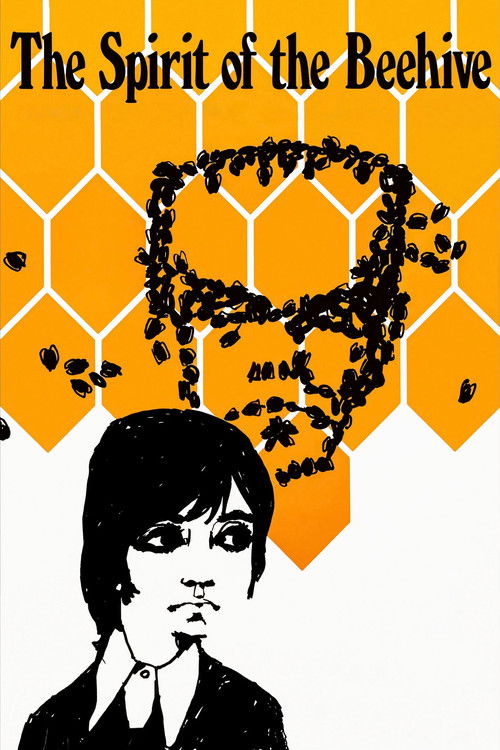
9. The Spirit of the Beehive
Víctor Erice’s 1973 Spanish classic is a lyrical, melancholic portrayal of childhood innocence confronting the lingering shadows of the Spanish Civil War. Through the eyes of young Ana, fascinated by *Frankenstein*, the film blends reality and fantasy to explore themes of fear, loneliness, and the power of imagination. Its exquisite cinematography and deliberate pacing create a hauntingly beautiful and deeply resonant experience, a quiet masterpiece of atmospheric cinema.