
1. Legend of Legaia
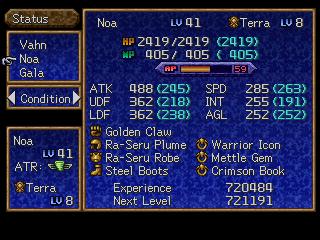
Man, *Legend of Legaia* on the PS1, that was a proper JRPG experience. While everyone was hyping *Final Fantasy VII* (rightfully so, don't get me wrong), this one offered a truly innovative, almost fighting-game-like combat system with its "Tactical Arts System." It felt clunky at times, sure, but mastering those combo inputs for devastating attacks was incredibly satisfying. Plus, the lore and the mist-devouring world had a real charm. It's a shame it never got the widespread recognition it deserved, proof that sometimes quality gets lost in the marketing noise.
2. Jade Empire
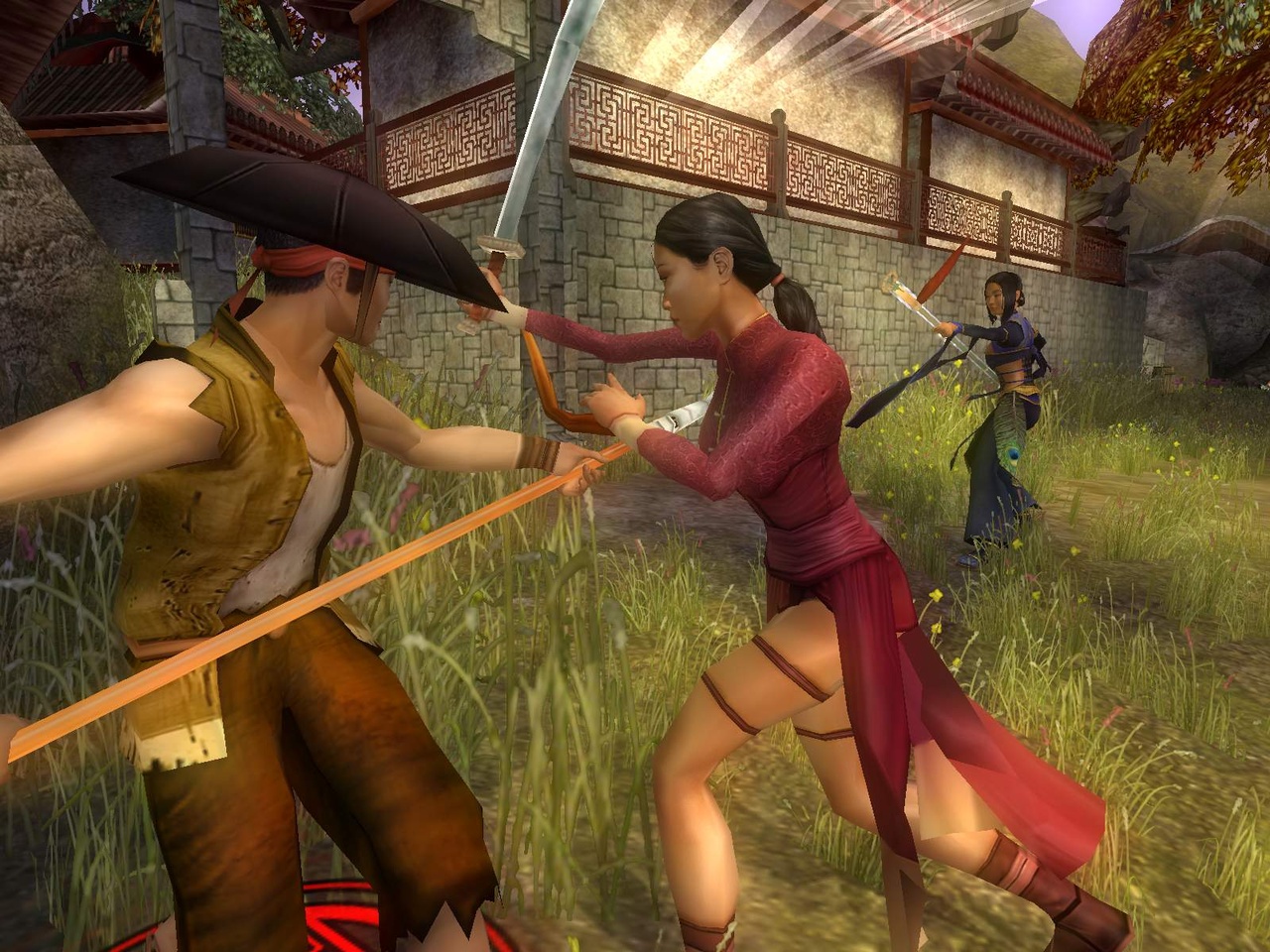
BioWare made *Jade Empire* before *Mass Effect* consumed their entire brand, and honestly, it’s criminal how many people skipped this. It’s an action RPG steeped in mythical ancient China, letting you master various martial arts styles and make genuinely impactful moral choices. The combat was fluid and fun, the companions were memorable, and the world just felt incredibly unique. It showed BioWare could build amazing new IP outside of sci-fi or high fantasy, but it got overshadowed by the next big thing, proving that even great developers sometimes miss their moment.
3. Spec Ops: The Line
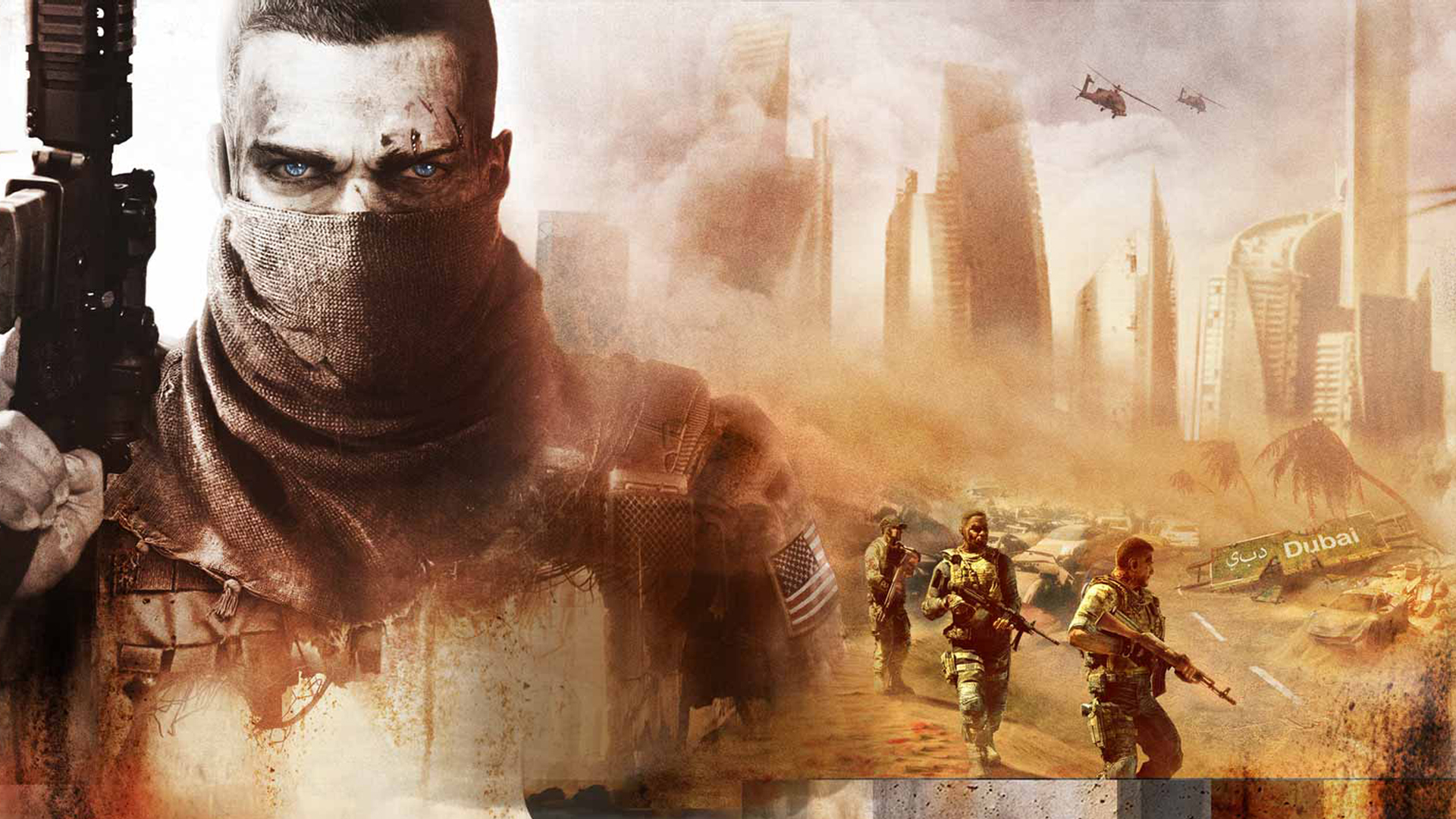
*Spec Ops: The Line* is less a game and more a psychological experiment disguised as a third-person shooter. While the market was flooded with generic military power fantasies, *Spec Ops* dared to ask uncomfortable questions about player agency and the true cost of war. It deliberately makes you feel awful, twisting the typical hero narrative into something truly dark and thought-provoking. People often dismissed it as just another cover shooter, but missing its profound, self-aware critique of the genre is a massive oversight. It’s a gut-punch, and sometimes you need that from games.
4. Alpha Protocol
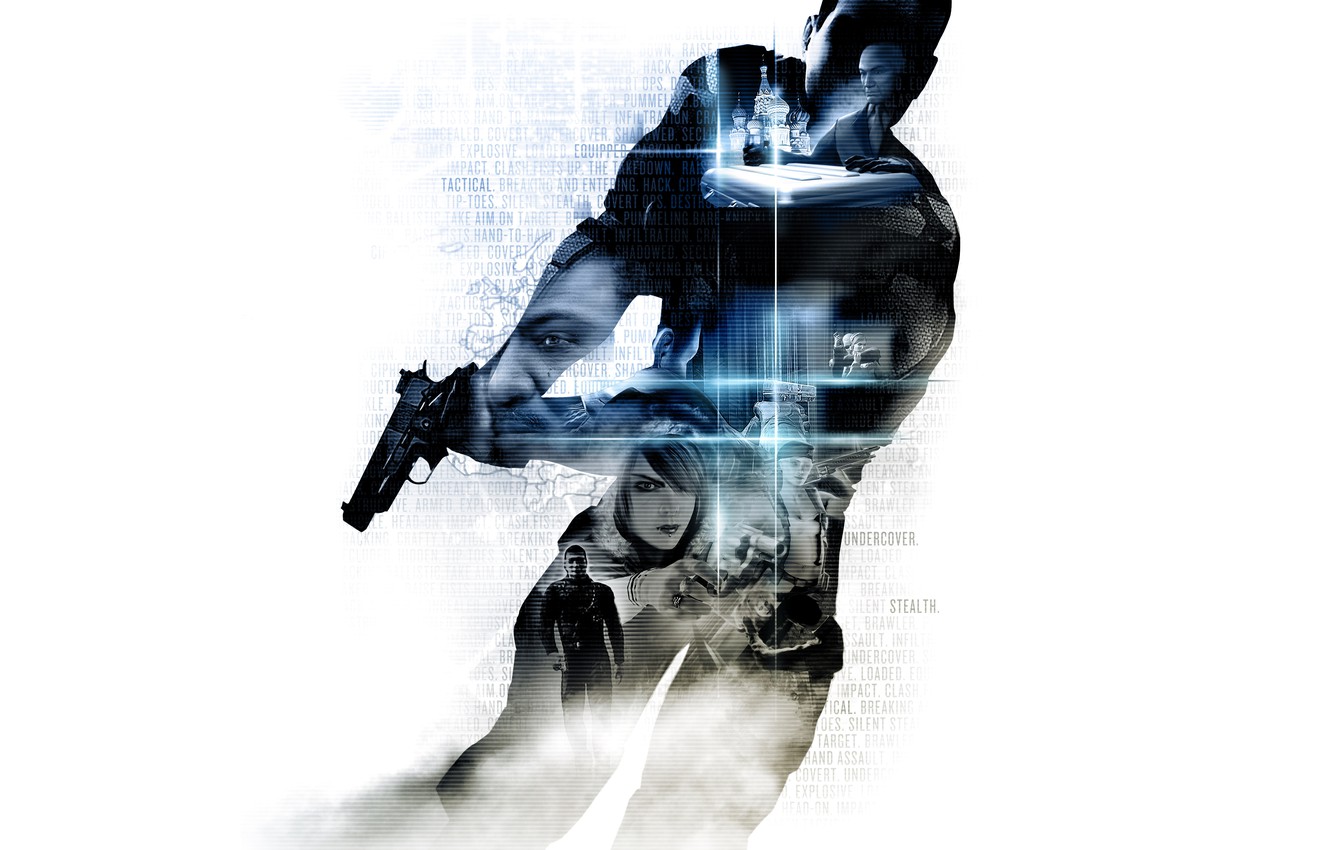
Ah, *Alpha Protocol*. Obsidian's famously janky, yet utterly brilliant, espionage RPG. It released to lukewarm reviews because its combat was a bit rough around the edges, but man, the *story* and *choices* were unparalleled. Your decisions, big or small, had genuine, cascading consequences. Dialogue options often felt like real conversations, not just flavor text. It was a game ahead of its time in player agency, a stark reminder that sometimes ambition and narrative depth are worth more than polished mechanics, especially when publishers rush development.

5. Cryostasis: Sleep of Reason
*Cryostasis: Sleep of Reason* is a genuinely unsettling first-person horror experience you probably never heard of. Set on a frozen, derelict nuclear icebreaker in the Arctic, its core mechanic revolved around finding heat sources to survive the biting cold and monstrous inhabitants. It was clunky, sure, and the narrative was a bit abstract, but the atmosphere was suffocatingly oppressive. It proved that true horror doesn't need jump scares; it needs an environment that constantly makes you feel vulnerable and alone, something many modern "horror" games forget.
6. Transistor
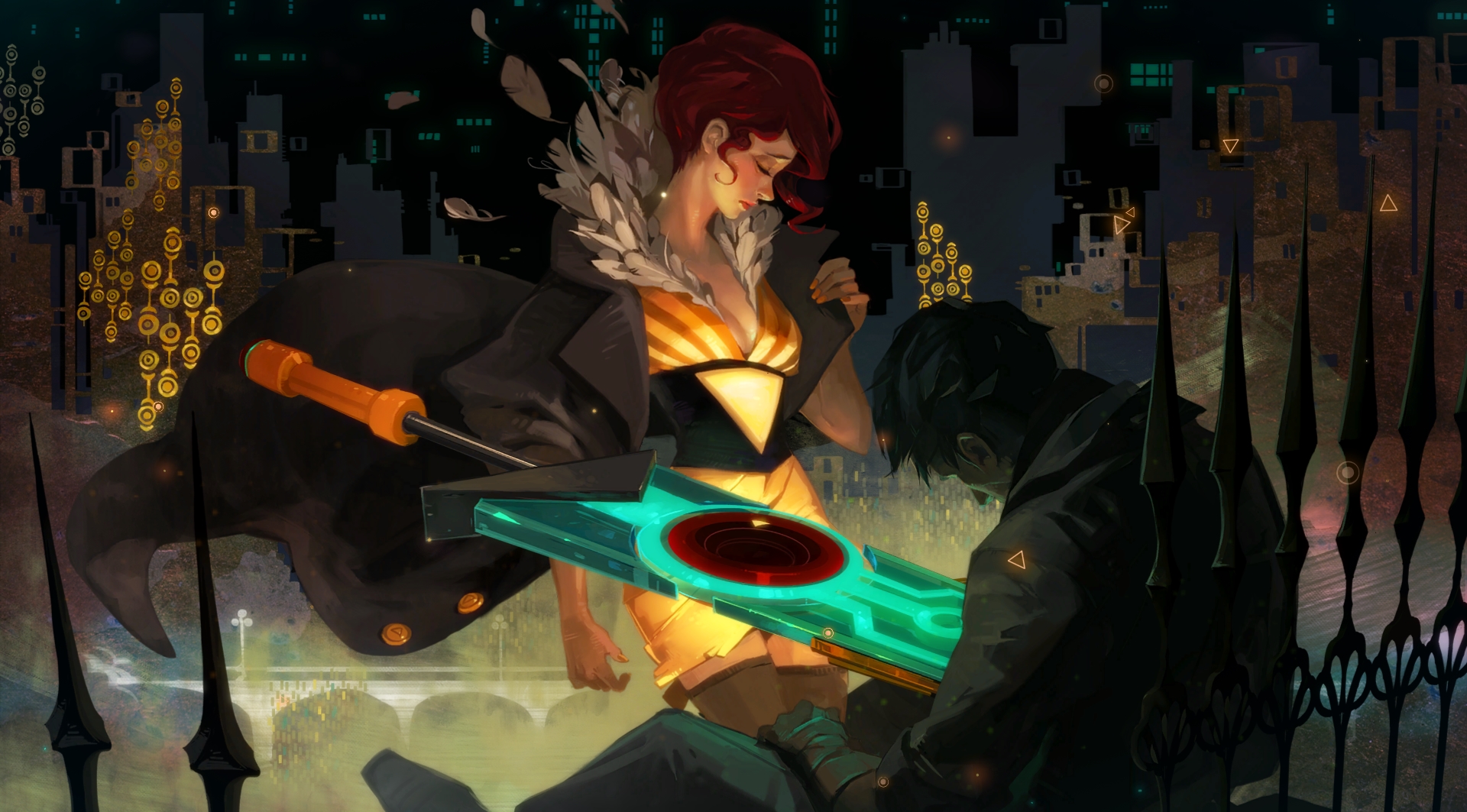
Supergiant Games followed up *Bastion* with *Transistor*, and it’s just as, if not more, brilliant. This action RPG boasts an absolutely stunning art style, a hauntingly beautiful soundtrack, and a combat system that blends real-time action with strategic planning, letting you freeze time to line up devastating combos. The story is melancholic and introspective, telling a poignant tale of love and loss in a gorgeous cyberpunk-esque world. It’s a masterclass in atmospheric storytelling and tight gameplay, often overlooked because *Bastion* had already set such a high bar.
7. The World Ends With You DS
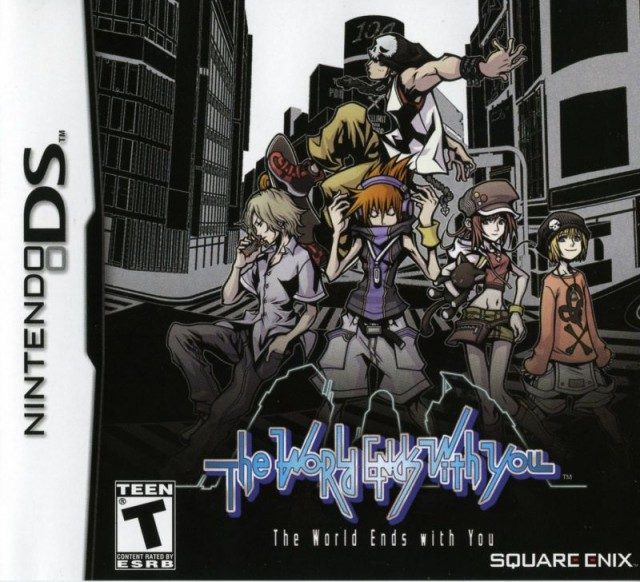
*The World Ends With You* on the DS was an absolute revelation. While everyone was busy with their usual RPGs, Square Enix dropped this stylish, sound-driven action RPG with a combat system that used *both* screens and the stylus simultaneously. It was chaotic, innovative, and perfectly captured the vibrant, chaotic energy of Shibuya. The music, the fashion, the attitude – it all coalesced into an unforgettable experience that few games, even today, manage to replicate. It was pure, unadulterated DS genius.