1. Metropolis
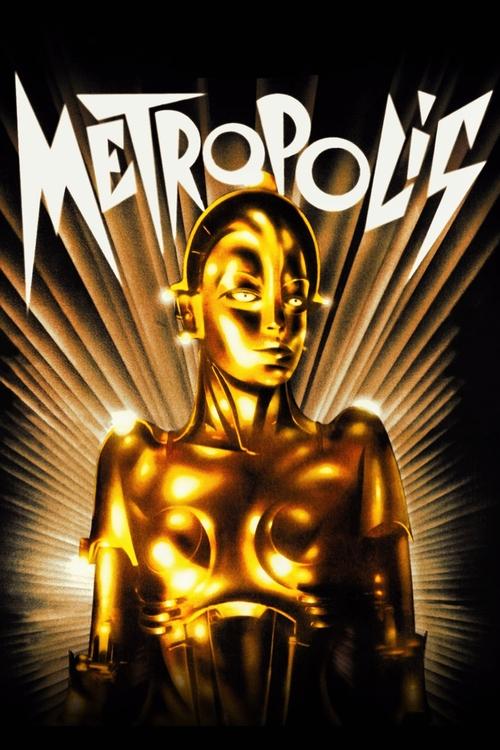
Fritz Lang's monumental silent epic, a titan of German Expressionism, showcases a future built on societal stratification. Its original 1927 score, often lost or reinterpreted, is crucial to its narrative power, amplifying the visual grandeur and dystopian dread. A live orchestra could reclaim the film's intended sensory assault, allowing the audience to fully grasp its prescient commentary on industrialization and class struggle, making Maria's plight and Rotwang's madness resonate with renewed, thundering intensity.
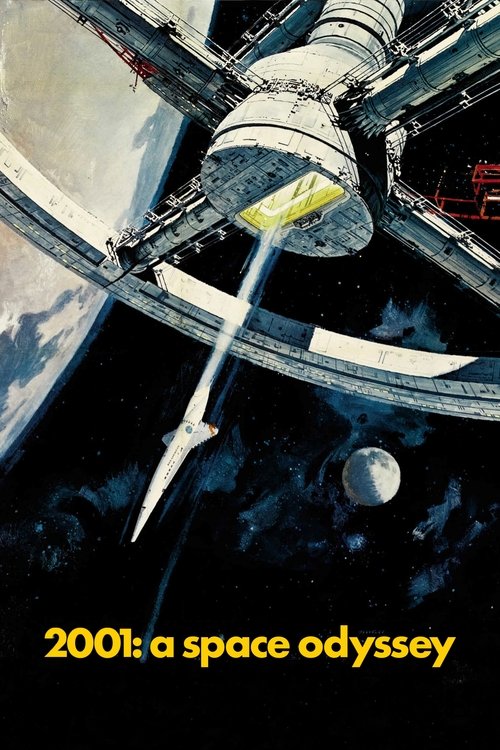
2. 2001: A Space Odyssey
Kubrick's masterpiece is inseparable from its meticulously curated classical score. The soaring strains of Richard Strauss's "Also sprach Zarathustra" or the elegant waltz of "The Blue Danube" are not mere accompaniment; they are integral to the film's transcendent, intellectual ambition. Experiencing this cosmic ballet with a live symphony would elevate its already profound exploration of evolution, artificial intelligence, and humanity's place in the universe, transforming a screening into a truly sublime, even spiritual, event.
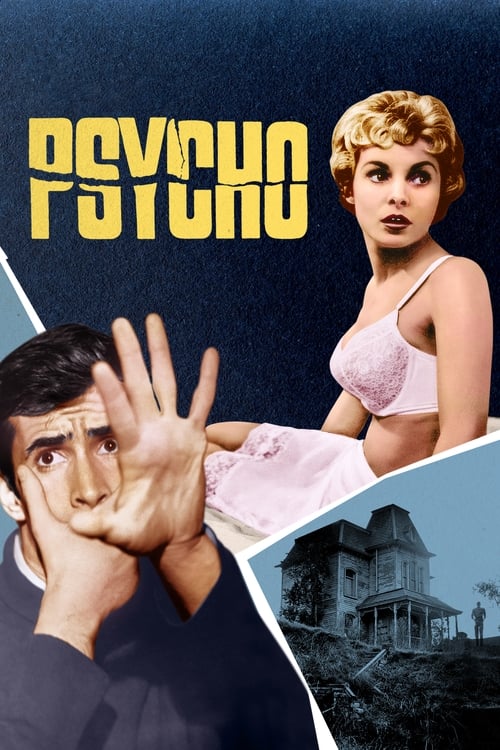
3. Psycho
Bernard Herrmann's iconic, all-string score for Hitchcock's psychological thriller is a masterclass in cinematic terror. The shrieking violins during the infamous shower scene are etched into the collective consciousness, practically defining suspense. A live orchestral performance would not just reproduce the sound; it would amplify the visceral shock, the psychological unease, and the sheer, relentless tension, making audiences physically recoil as Marion Crane's fate unfolds, moment by agonizing moment.
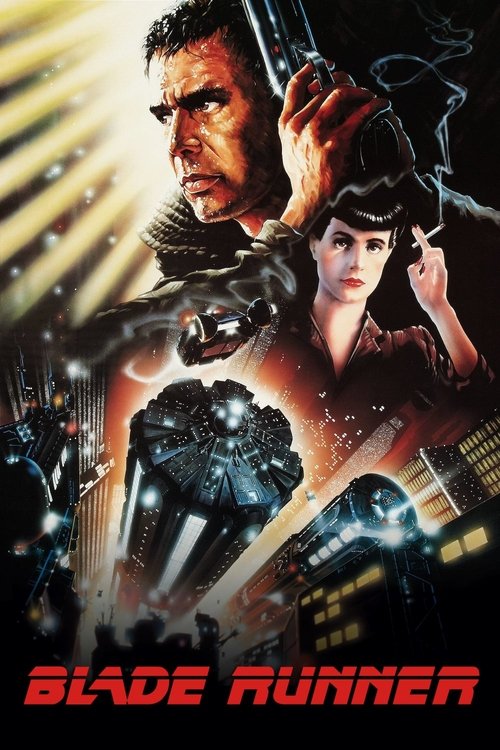
4. Blade Runner
Vangelis's melancholic, ethereal electronic score is the very soul of Ridley Scott's neo-noir sci-fi classic. Its haunting synths and ambient textures craft the rain-soaked, neon-drenched Los Angeles of 2019, deepening the film's existential questions about humanity and artificial life. A live performance, perhaps with a contemporary electronic ensemble, would immerse viewers even further into Deckard's contemplative journey, making the film's profound beauty and sorrow feel palpably, tragically real.
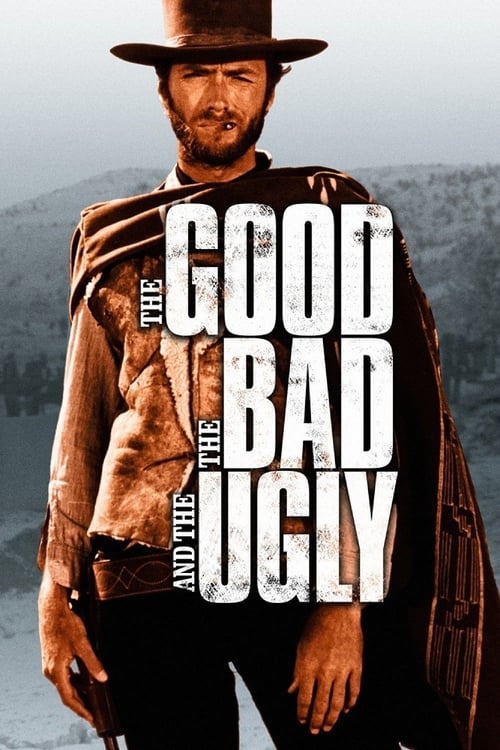
5. The Good, the Bad and the Ugly
Ennio Morricone's revolutionary score for Sergio Leone's spaghetti western magnum opus is arguably as famous as the film itself. The distinctive whistling, the guttural chants, the electric guitar — these elements don't just accompany; they become characters, defining the desolate landscapes and the stoic anti-heroes. A live orchestra would transform every tense standoff and sweeping vista into an even grander, more operatic spectacle, making the legend of Clint Eastwood's 'Man with No Name' truly sing.

6. Nosferatu
F.W. Murnau's Expressionist horror, an unauthorized adaptation of 'Dracula,' relies on its unsettling atmosphere and Max Schreck's terrifying portrayal of Count Orlok. While original scores vary, the film's visual poetry—shadows, stark compositions, and grotesque imagery—begs for a live, chilling accompaniment. A specially composed or faithfully reconstructed live score would amplify the film's gothic dread and its profound influence on horror cinema, making its silent terror speak volumes to a modern audience.
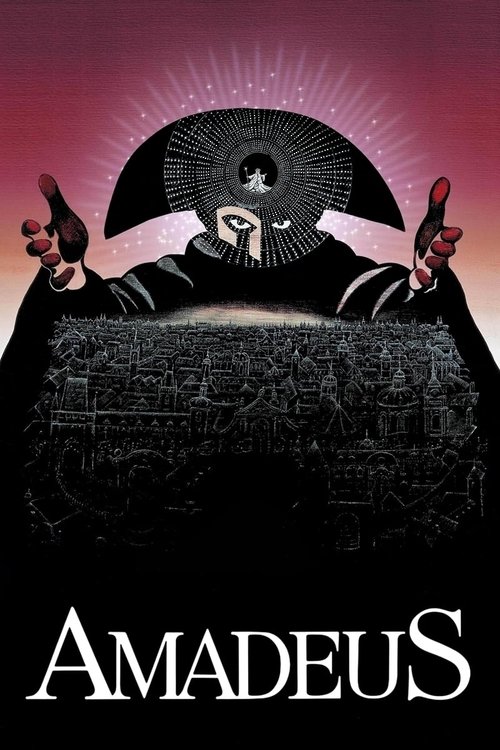
7. Amadeus
Miloš Forman's sumptuous portrayal of Mozart's genius and Salieri's envy is a film steeped in the very music it depicts. The narrative unfolds alongside some of the most sublime compositions in history. A live orchestral performance accompanying the film would blur the lines between cinema and concert, offering an unparalleled immersion into the creative process, the tragic beauty of art, and the dramatic interplay between jealousy and inspiration that defines this period masterpiece.
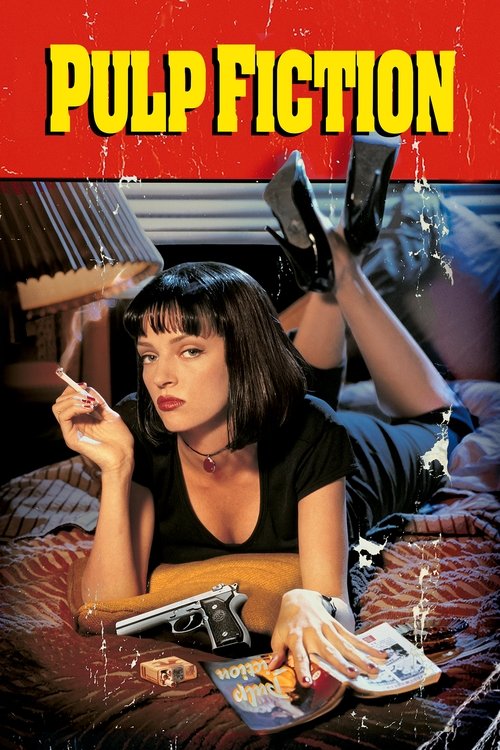
8. Pulp Fiction
Quentin Tarantino's non-linear crime epic is defined by its audacious, anachronistic soundtrack. While not a traditional score, the film's needle drops—surf rock, soul, and pop—are intrinsically woven into its anarchic fabric and stylish dialogue. A live band performing these iconic tracks in sync with the film's vignettes would transform a viewing into a vibrant, raucous communal experience, amplifying the cool, chaotic energy that cemented its place in cinematic history.
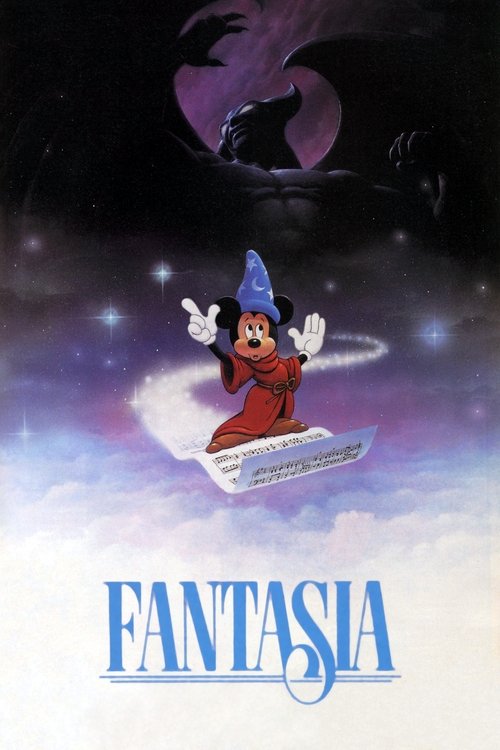
9. Fantasia
Walt Disney's groundbreaking animation is a direct, audacious marriage of visual artistry and classical music. Conceived for a grand, immersive auditory experience, it was ahead of its time. A live performance by a full symphony orchestra would fulfill its original artistic intention, allowing the audience to witness the raw power and intricate beauty of the music as it guides the animated spectacle, creating a truly transportive and mesmerizing cinematic event.
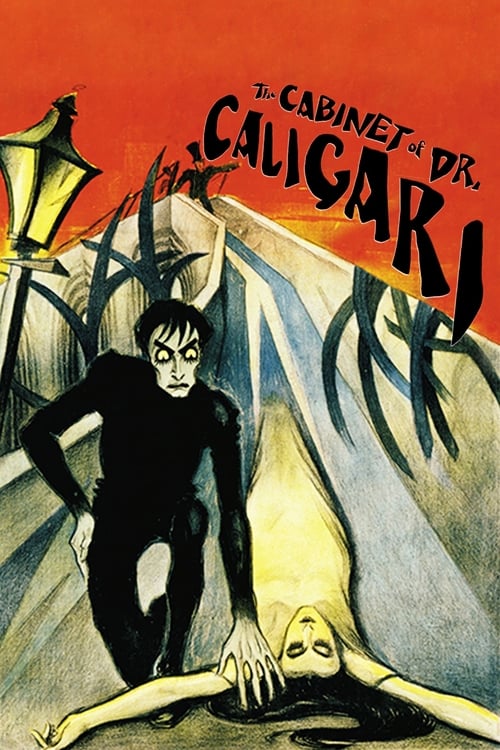
10. The Cabinet of Dr. Caligari
Robert Wiene's seminal work of German Expressionism is a hallucinatory journey into madness, with its distorted sets and stark lighting creating a nightmarish aesthetic. Like its silent film contemporaries, its original musical accompaniment is often subject to interpretation. A live, unsettling, and avant-garde musical score would heighten the film's psychological horror and its chilling exploration of authority, perception, and societal control, making its profound influence on cinema profoundly felt once more.