1 / 9
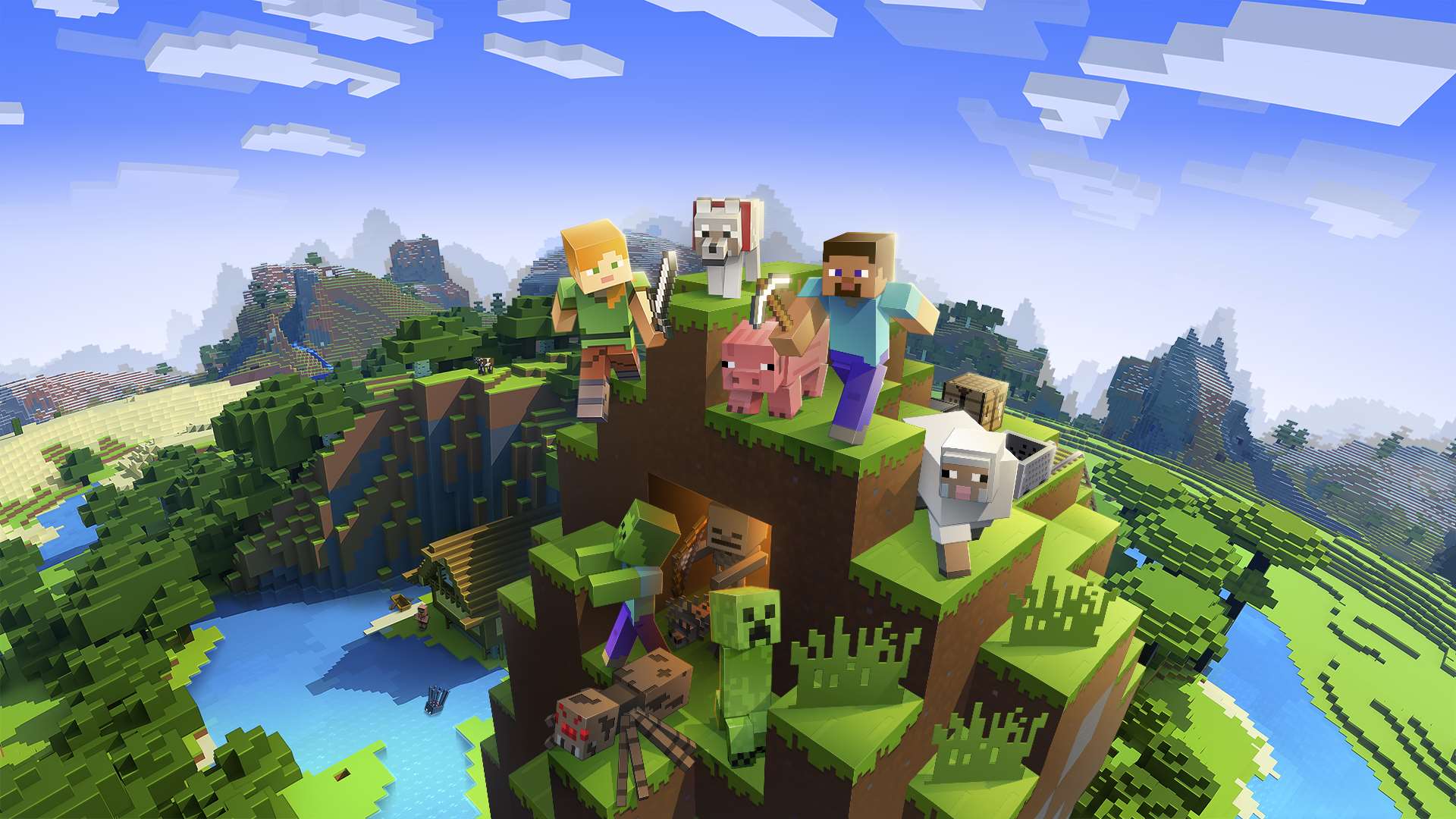
1. Minecraft
This game fundamentally changed how we think about digital creation. It wasn't just about playing; it was about building, sharing, and even learning in a virtual space. Its blocky aesthetic became iconic, fostering a community that valued ingenuity and collaboration. Minecraft's open-ended design democratized game development, showing that player-driven content could sustain a cultural phenomenon for over a decade, influencing everything from education to online identity. It proved that sometimes the simplest tools yield the most complex results.
2 / 9
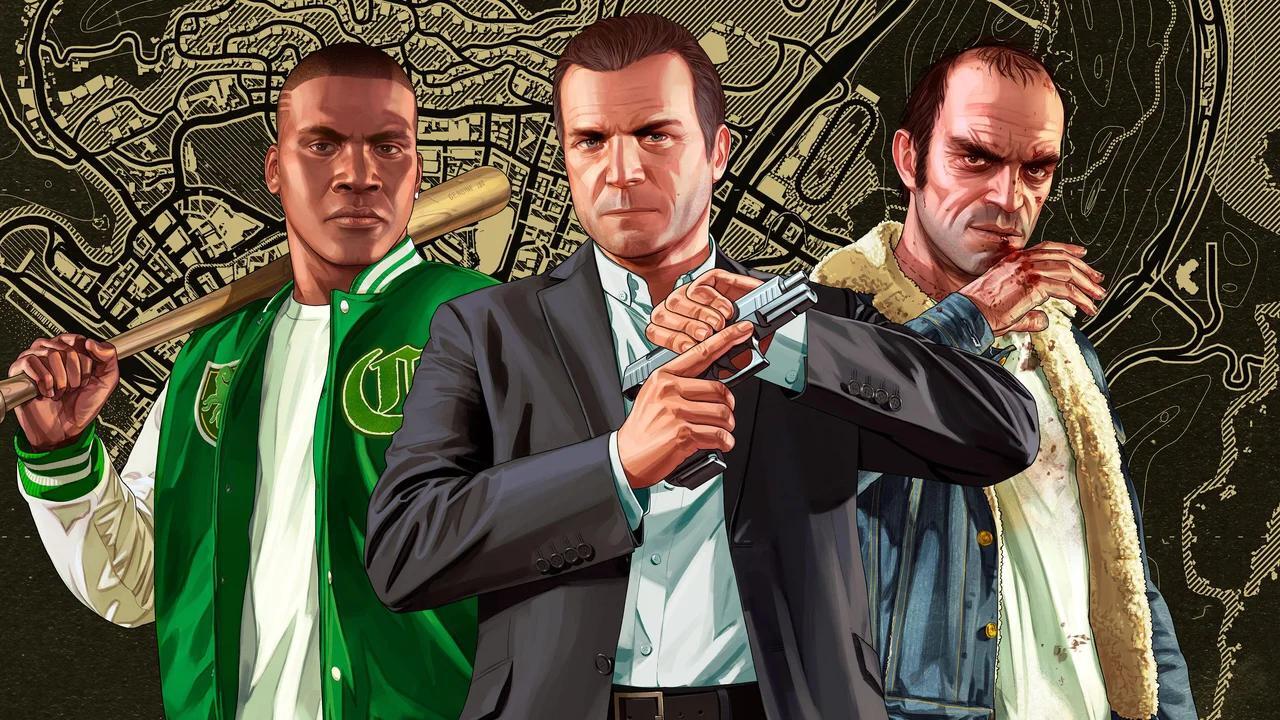
2. Grand Theft Auto V
GTA V refined the open-world formula to an unprecedented scale, offering a satirical mirror to American society. Its intricate narrative, coupled with the expansive, living world of Los Santos, set new benchmarks for environmental storytelling and player agency. But it was GTA Online that truly solidified its cultural footprint, transforming it into a persistent social hub where millions role-played, competed, and simply existed. It became more than a game; it was a digital playground, a lifestyle, and a continuous experiment in virtual economies and social dynamics.
3 / 9
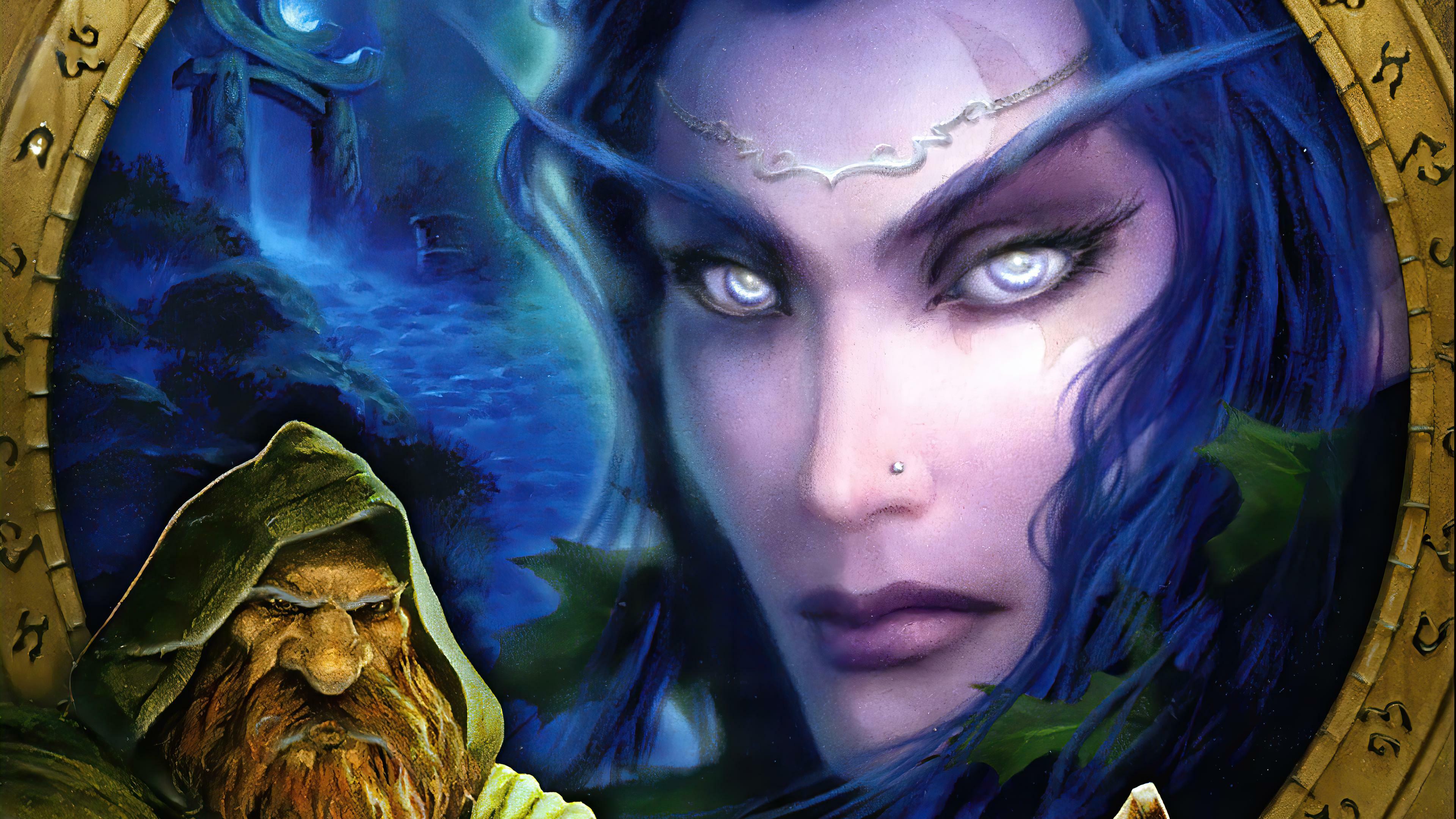
3. World of Warcraft
WoW wasn't just a massively multiplayer online role-playing game; it was a societal experiment. Millions converged in Azeroth, forming guilds, forging economies, and battling dragons, yes, but also building genuine friendships and even real-world relationships. It pioneered the subscription model for online games on an epic scale and proved that virtual worlds could sustain entire communities. The game’s influence seeped into mainstream culture, demonstrating the profound social power and enduring appeal of shared digital experiences.
4 / 9
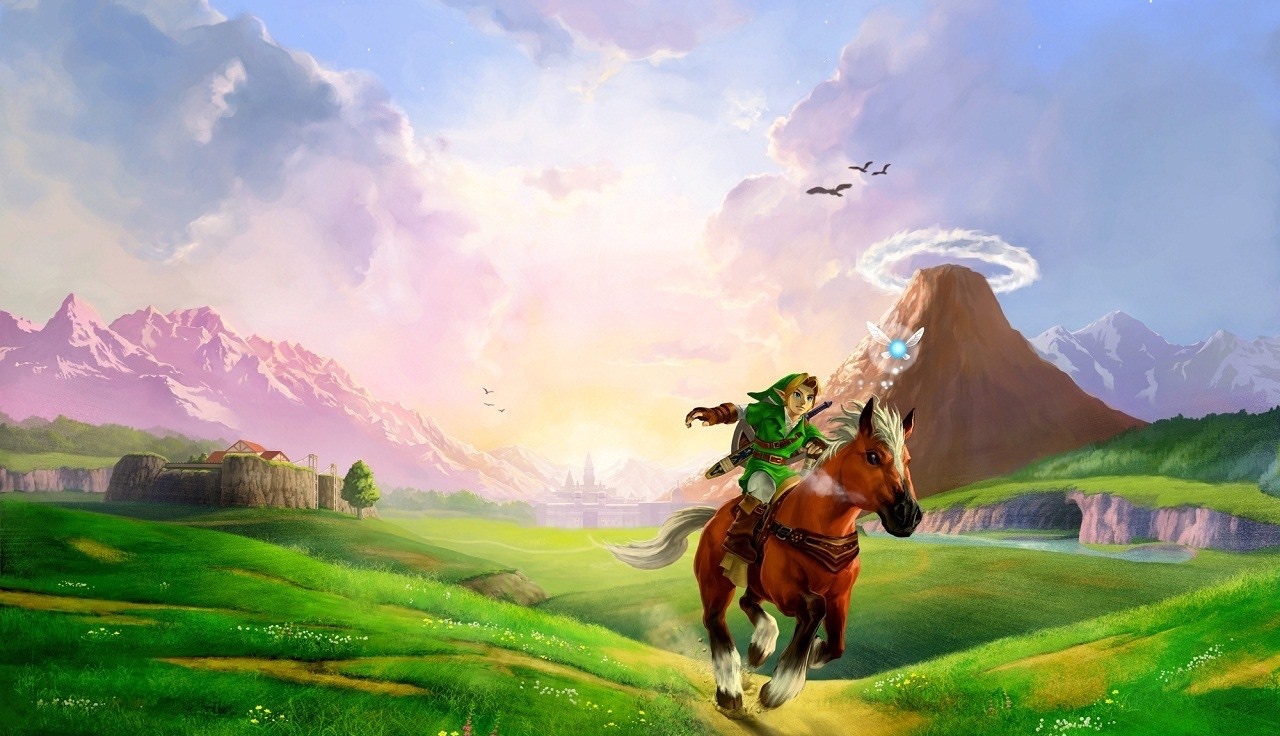
4. The Legend of Zelda: Ocarina of Time
This game didn't just define 3D adventure; it wrote the rulebook. Its innovative Z-targeting system, contextual controls, and a vast, interconnected world established conventions that persist today. Ocarina of Time demonstrated how a compelling narrative could be interwoven with sophisticated puzzles and exploration in a fully realized 3D environment. Its emotional depth and groundbreaking mechanics set a new standard for storytelling and player immersion, influencing countless games across generations and proving the enduring power of a well-crafted epic.
5 / 9

5. Pong (1972)
Before elaborate narratives or stunning graphics, there was Pong. This simple electronic tennis game wasn't just a novelty; it was the spark. It demonstrated the commercial viability of video games, moving them from research labs to arcades and eventually into homes. Pong’s minimalist design proved that interactive entertainment could captivate audiences with basic mechanics. It laid the foundational blueprint for an entire industry, showing that two paddles, a ball, and a score could ignite a global cultural shift towards digital play.
6 / 9
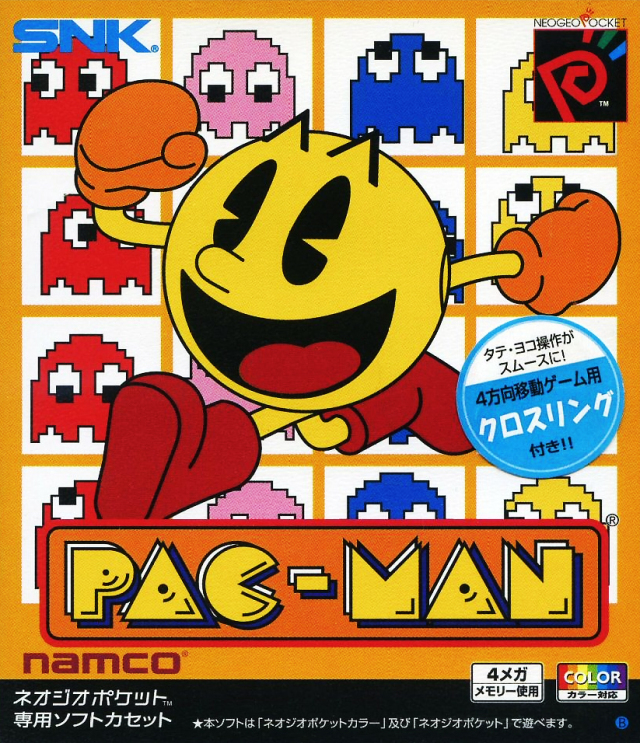
6. Pac-Man
Pac-Man transcended the arcade cabinet to become a global icon. Its simple, addictive gameplay and instantly recognizable character made it a pop culture phenomenon, proving that video game characters could be as famous as movie stars. It introduced power-ups and distinct enemy AI, creating a dynamic challenge. Pac-Man showed that games could appeal to a broad audience, including women, fundamentally expanding the perceived demographic for digital entertainment and solidifying the arcade as a social gathering place.
7 / 9
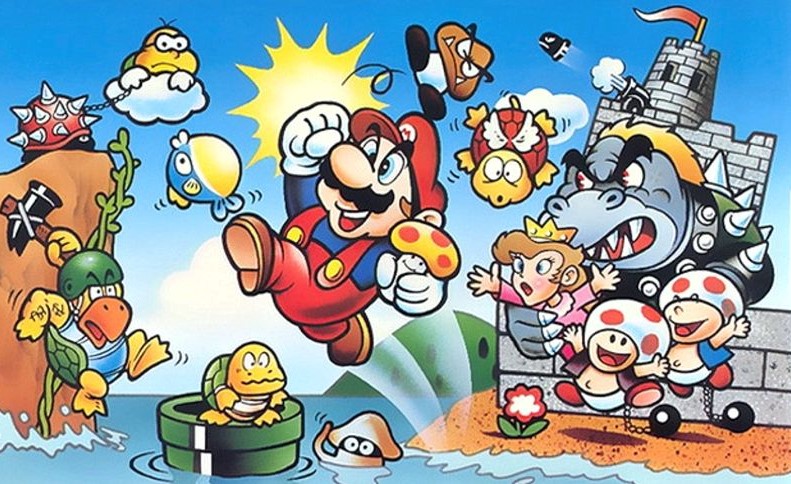
7. Super Mario Bros.
Super Mario Bros. was a seismic event for the gaming industry. It revitalized the home console market, proving that engaging, creative platformers could drive hardware sales. The game's ingenious level design, responsive controls, and iconic characters set the standard for 2D platforming. Mario's journey through the Mushroom Kingdom didn't just entertain; it taught a generation about progression, secrets, and the joy of discovery, cementing video games as a legitimate form of interactive storytelling and entertainment.
8 / 9

8. DOOM (2016)
While not the first DOOM, the 2016 iteration dramatically resurrected a dormant genre cornerstone. It redefined what a modern single-player FPS could be, focusing on aggressive, relentless combat and fluid movement rather than cover-based mechanics. DOOM (2016) proved that a classic franchise could be reimagined for contemporary audiences without sacrificing its core identity. Its "push-forward" combat philosophy and metal soundtrack created an intense, visceral experience that reset expectations for shooter design.
9 / 9
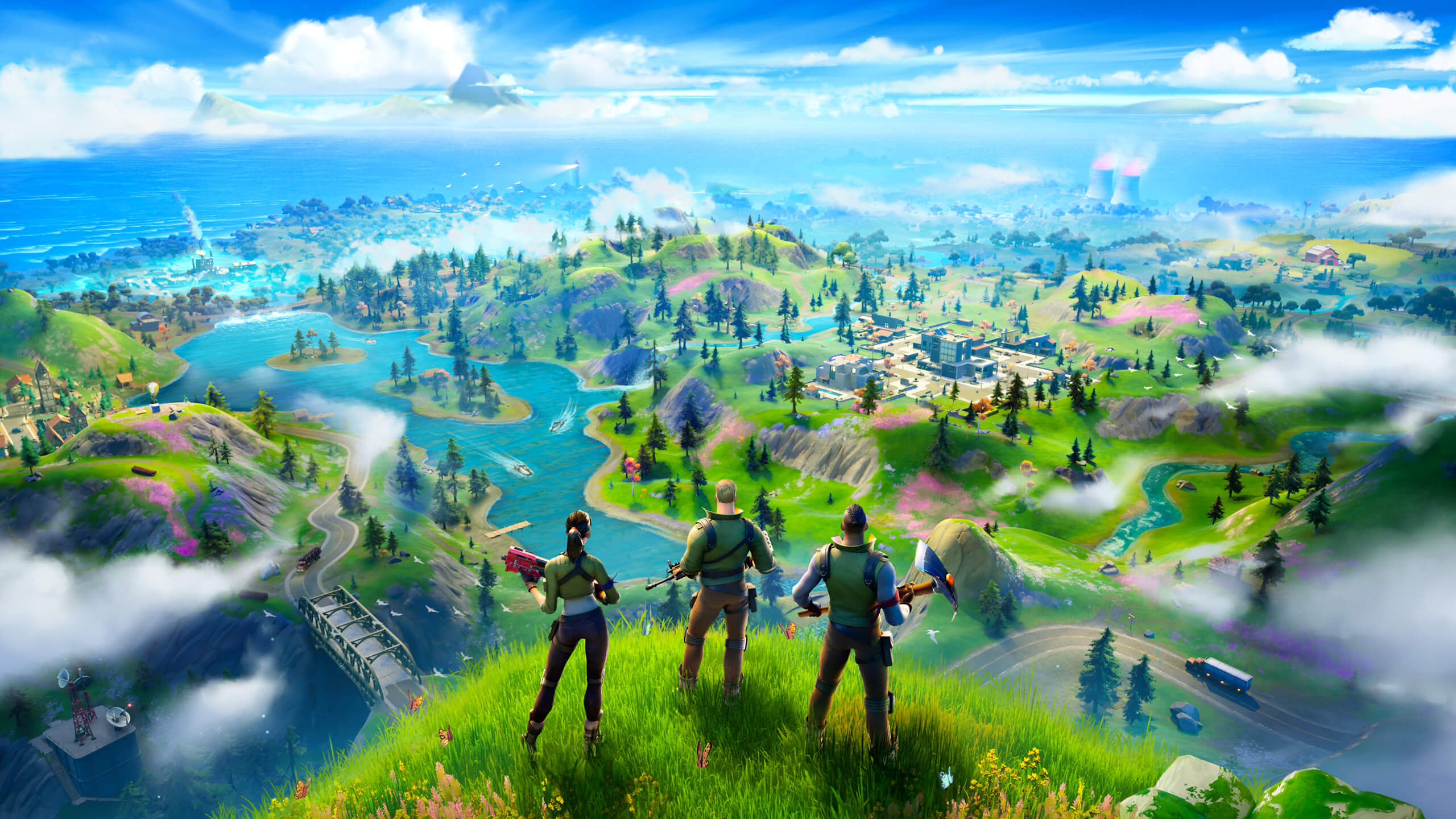
9. Fortnite Battle Royale
Fortnite didn't invent the battle royale, but it democratized it and turned it into a cultural juggernaut. Its free-to-play model, cross-platform accessibility, and constantly evolving live-service approach made it ubiquitous. Beyond the shooting and building, Fortnite became a virtual town square for concerts, movie premieres, and social gatherings. It demonstrated the power of a game as a social platform and a lifestyle brand, blurring the lines between play, entertainment, and digital identity.