
1 / 7
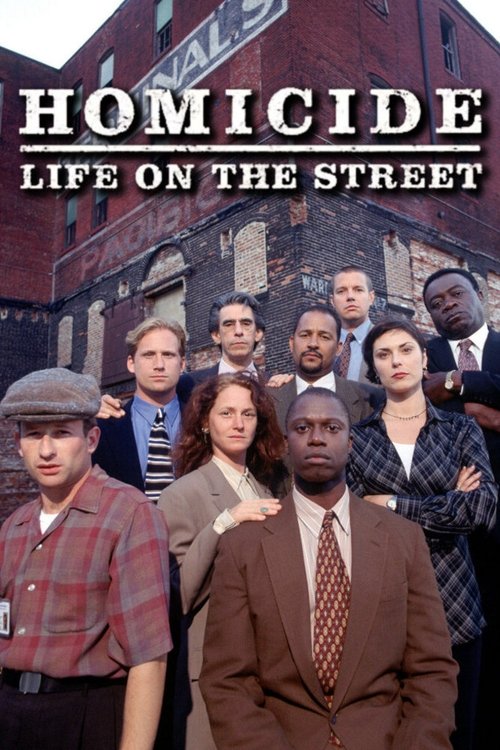
1. Homicide: Life on the Street
Before everyone was talking about The Wire, there was Homicide. This show practically invented the handheld, claustrophobic camera work that made network TV feel like an indie film. Its ensemble cast was killer, messy, and real, diving deep into the psychological toll of detective work. It wasn't just solving a case; it was living it, episode to episode, character by character. A true blueprint for sophisticated serialized drama.
2 / 7
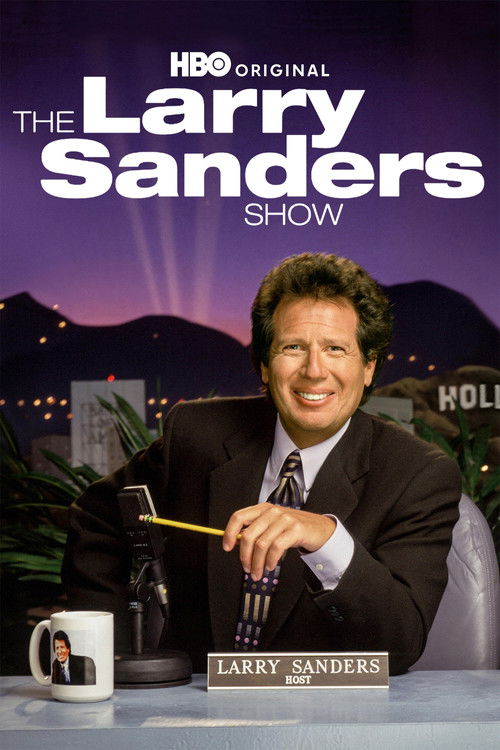
2. The Larry Sanders Show
Larry Sanders was doing "meta" before most people even knew what it meant. This wasn't just a sitcom; it was a painfully accurate, often uncomfortable mockumentary peeking behind the curtain of late-night television. Garry Shandling's genius lay in exposing the ego, insecurity, and sheer awkwardness of show business. It felt so real, you almost forgot it was scripted. A true cable pioneer in smart, dark comedy.
3 / 7
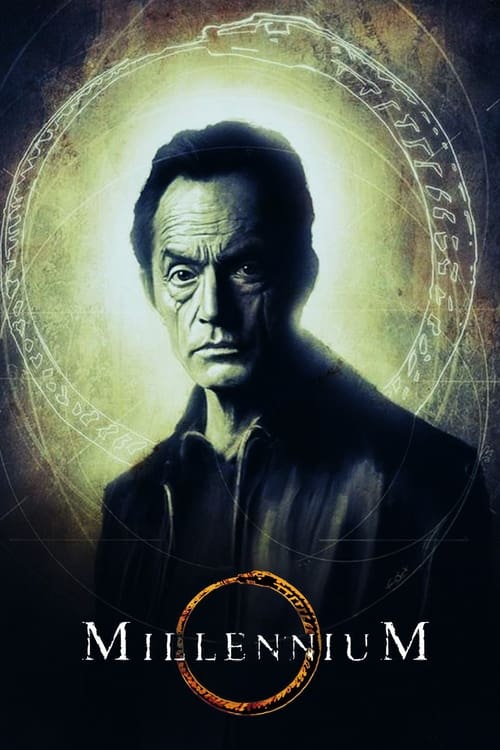
3. Millennium
From Chris Carter, yes, but Millennium was never The X-Files. It was darker, more psychological, and deeply unsettling. Frank Black's ability to see through the eyes of killers wasn't just a gimmick; it was a window into humanity's bleakest corners. This show leaned hard into a serialized, almost cinematic dread, pushing network boundaries with its intense themes and uncompromisingly grim atmosphere. It was a proper mind-bender.
4 / 7

4. Mr. Show with Bob and David
If you were into comedy that wasn't afraid to be weird, you were watching Mr. Show. Bob Odenkirk and David Cross weren't just doing sketches; they were dissecting and reassembling the very idea of sketch comedy. It was surreal, smart, often absurd, and utterly fearless. HBO let them get away with stuff network TV wouldn't touch, laying groundwork for a whole generation of alternative comedy and proving that smart, niche content had a home.
5 / 7
5. Spaced
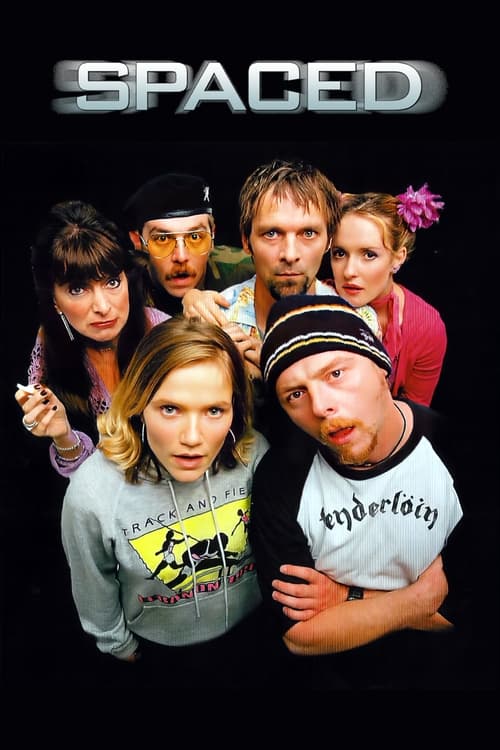
Edgar Wright and Simon Pegg before they hit the big screen. Spaced was this hyper-stylized, pop-culture-saturated sitcom that felt incredibly fresh. It used cinematic techniques – jump cuts, visual gags, genre parodies – in a way TV hadn't really done. It cultivated a rabid cult following, the kind of show you'd hunt down on early file-sharing or import DVDs, signaling how specific, niche content would later thrive on demand.
6 / 7
6. Boomtown
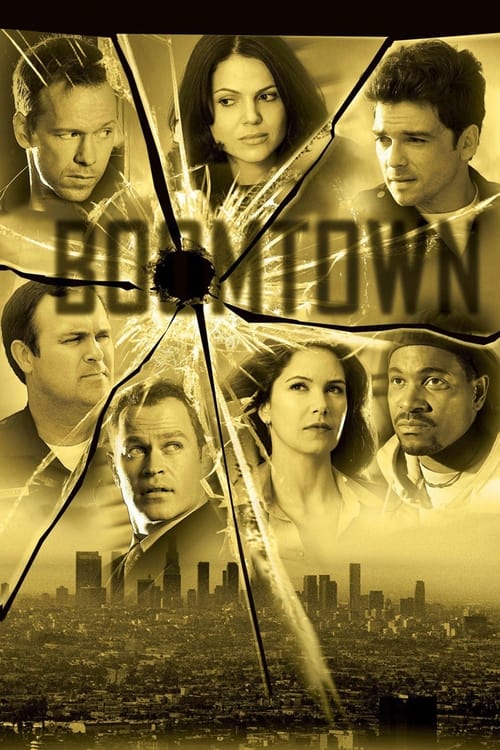
Boomtown was a cop show that broke all the rules. Each episode revisited a single crime from multiple perspectives – the victim, the perp, different detectives – in a non-linear, Rashomon-esque style. It was ambitious, intelligent, and demanded your attention. The cinematic scope and complex character work felt like something you'd see in a limited series today, but it was just trying to be a network procedural. Too smart for its own good, perhaps.
7 / 7

7. The Comeback
Lisa Kudrow's Valerie Cherish was a masterclass in cringe. The Comeback was a mockumentary about a faded sitcom star trying to revive her career, exposing the brutal realities of Hollywood with unflinching honesty. It was uncomfortable, hilarious, and deeply empathetic, a bold move for HBO. This show was doing the "unlikable female protagonist" thing years before it became a buzzword, pushing boundaries for character study and humor.