
1 / 7

1. System Shock 2
Released in 1999, System Shock 2 wasn't just a horror game; it was an architectural blueprint for future immersive experiences. Its atmospheric dread, combining sci-fi paranoia with deep RPG mechanics, crafted a truly unsettling world aboard the Von Braun. The game's narrative mastery, particularly its twists and character development, elevated it beyond mere survival. It taught us that environmental storytelling, coupled with emergent gameplay, could create profound, lasting psychological impact, influencing titles for decades without ever dominating mainstream sales charts. A true cult classic.
2 / 7

2. Vagrant Story (2000)
Square's 2000 PlayStation title, Vagrant Story, felt almost deliberately niche, a departure from their sprawling RPG epics. This was a dark, intricate action RPG, set in a beautifully rendered, decaying world. Its unique risk-reward combat system, weapon crafting, and deep customization were complex, demanding player investment. The narrative, presented with cinematic flair and mature themes, explored political intrigue and personal demons within a meticulously crafted, contiguous environment. It never chased broad appeal, instead forging a path for deep mechanics and artistic vision, quietly inspiring a generation of designers.
3 / 7

3. Okami
Okami, released in 2006, was a vibrant, artistic counterpoint to the era's increasingly realistic graphics. Its sumi-e ink wash art style, directly pulled from Japanese folklore, made every frame a painting. While often compared to Zelda, Okami carved its own path with the Celestial Brush mechanic, turning combat and puzzle-solving into creative acts. It celebrated traditional Japanese mythology with an infectious charm and memorable characters. Despite critical acclaim, it remained a sleeper hit, proof that unique artistic vision and heartfelt storytelling can leave an indelible mark, regardless of sales figures.
4 / 7

4. Star Control 2
Star Control 2, from 1992, remains a benchmark for space exploration and narrative choice. You piloted a lonely flagship through a vast, procedurally generated galaxy, encountering dozens of alien races, each with distinct personalities and motives. Its brilliance lay in the dialogue, which was consistently sharp, witty, and often morally ambiguous, making every diplomatic encounter a genuine puzzle. This was open-world before the term was commonplace, offering unparalleled freedom to explore, fight, trade, and forge alliances, proving that a compelling universe could be built more on words than polygons.
5 / 7
5. Omikron: The Nomad Soul
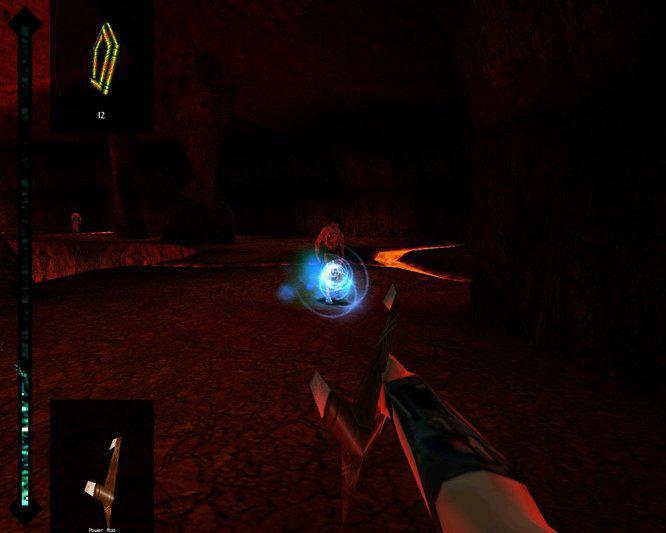
Released in 1999, Omikron: The Nomad Soul was an audacious, genre-bending experiment. It blended adventure, shooting, fighting, and even rhythm mechanics within a sprawling cyberpunk city. David Bowie's involvement, both in music and character design, added a unique layer of artistic ambition. While clunky in parts, its sheer scope and willingness to break conventions were remarkable. It pushed boundaries, allowing players to body-hop and explore a truly alien society, laying groundwork for future games that dared to fuse diverse gameplay styles into a cohesive, albeit imperfect, whole.
6 / 7
6. LISA
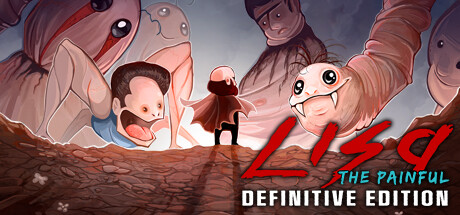
LISA: The Painful RPG, arriving in 2014, offered an unflinching look at a post-apocalyptic world devoid of women, where toxic masculinity ran rampant. Its seemingly crude art style belied a deeply emotional and often disturbing narrative. Players made agonizing choices, sacrificing party members or body parts to survive, each decision carrying genuine weight. It wasn't about heroism; it was about enduring brutality and the psychological toll of a broken world. LISA proved that a game could be truly impactful by embracing ugliness and forcing players to confront uncomfortable truths.
7 / 7

7. Condemned: Criminal Origins
Condemned: Criminal Origins, a launch title for the Xbox 360 in 2005, delivered a visceral, unsettling experience far removed from typical shooters. It pioneered a focus on brutal, first-person melee combat, where every swing and block felt impactful. The game's grimy urban environments, psychological horror elements, and forensic investigation mechanics crafted an atmosphere of pervasive dread. It wasn't about jump scares; it was about sustained tension and facing down depraved, desperate individuals. Condemned proved that horror could be effectively grounded in gritty realism and close-quarters brutality.