
1 / 12
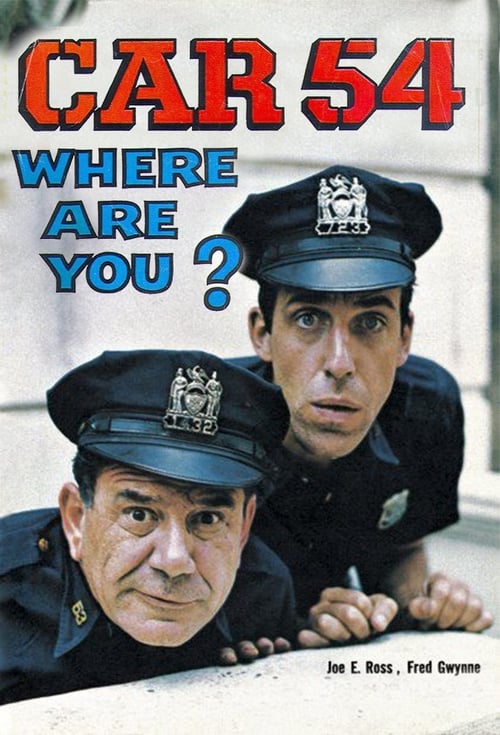
1. Car 54, Where Are You?
Oh, now there's a laugh riot from back when comedy was simple. Toody and Muldoon, those two New York finest, bumbling their way through the Bronx. Filmed in glorious black and white, it felt like a stage play sometimes, with those quick cuts and the way they played off each other. You could almost feel the studio audience in your living room. It was broad, sure, but it had heart. And no laugh track needed for that kind of timing.
2 / 12
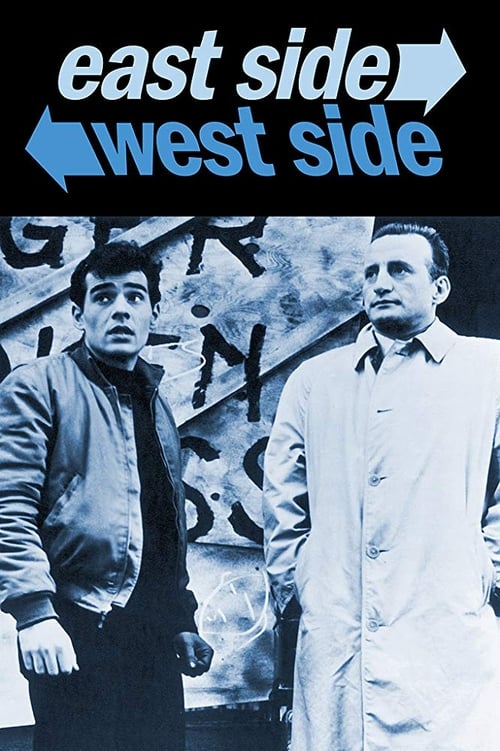
2. East Side/West Side
This one, starring George C. Scott, wasn't for folks looking for a simple laugh. It was stark, filmed in black and white, tackling the hard realities of New York City social work. Poverty, crime, prejudice – it didn't shy away. It felt like a documentary sometimes, with that raw, unflinching look at society's underbelly. A real brave show, ahead of its time, but maybe too much for audiences used to cheerier fare.
3 / 12
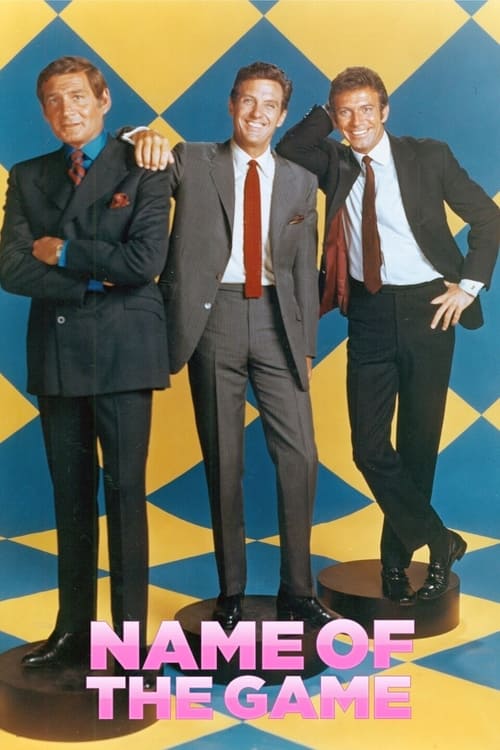
3. The Name of the Game
A big one, this was! Ninety minutes, rotating stars like Tony Franciosa, Robert Stack, and Gene Barry, each heading up a different segment for a publishing empire. It was ambitious, almost like three shows in one, giving you a taste of different genres every week. They were really trying to see how far they could stretch a TV drama, showing off what a big studio could do with a lot of film and a lot of stars.
4 / 12
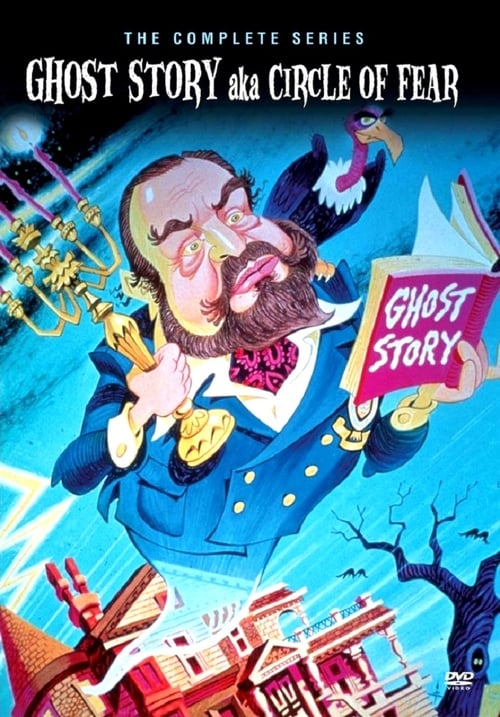
4. Ghost Story
Boris Karloff introducing frights, but then he passed on, and Sebastian Cabot took over. This was an anthology through and through, a new story of the supernatural every week, usually with a big name star. It was spooky, but not overly graphic, relying on atmosphere and the unknown. They tried to keep the scares coming, and for a short run, it delivered some genuinely chilling tales. Good for a late-night scare.
5 / 12
5. Police Story
This wasn't your typical cop show with clean-cut heroes. It was gritty, showing the daily grind, the moral ambiguities, and the real pressures on police officers. Each episode felt like a little movie, often focusing on different officers. Joseph Wambaugh, the real police officer, gave it an authenticity you just didn't see much of then. It paved the way for more realistic drama. Very influential.
6 / 12
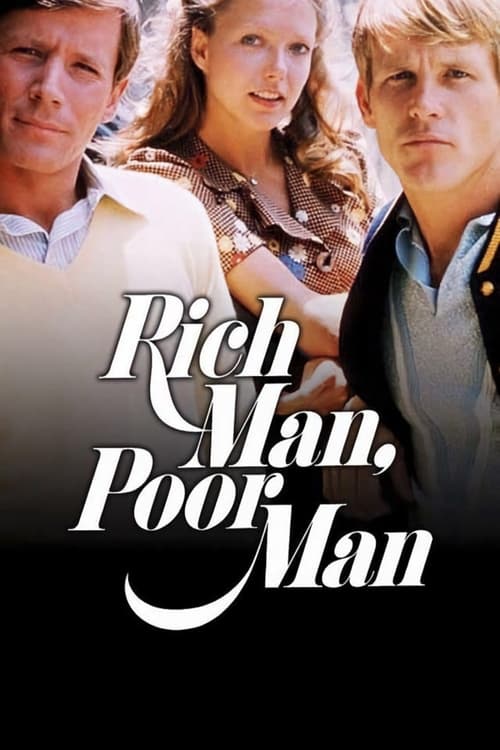
6. Rich Man, Poor Man
Now this was a phenomenon! Television had never seen anything quite like this epic miniseries before. Spanning generations, following the Jordache brothers through love, loss, and ambition. It kept everyone glued to their sets, week after week, proving that people would stick around for a story that unfolded over many hours, not just one. It was a true event, really changed how we watched TV.
7 / 12

7. Soap
Oh, the uproar this one caused! A sitcom, but it played like a soap opera, with cliffhangers and ludicrous plots. Incest, kidnapping, aliens – you name it. It was groundbreakingly absurd, and brilliantly funny for those who "got" the joke. It really pushed the boundaries of what you could do in a half-hour comedy, proving that audiences could handle serialization and a bit of a wink.
8 / 12
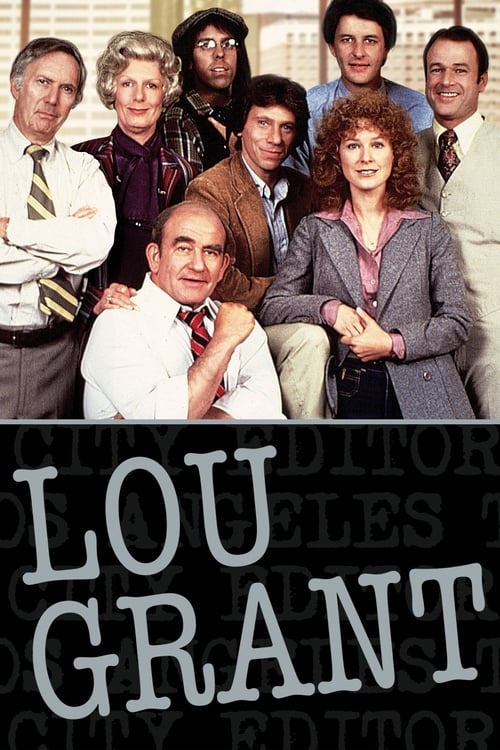
8. Lou Grant
Who'd have thought Mary Tyler Moore's boss would get his own serious drama? Ed Asner’s Lou Grant, now a city editor, tackled real-world journalistic issues, from corruption to censorship. It was smart, adult, and didn't shy away from complex stories. A rare example of a character transitioning from comedy to a completely different, dramatic tone, and pulling it off beautifully. Intelligent television.
9 / 12
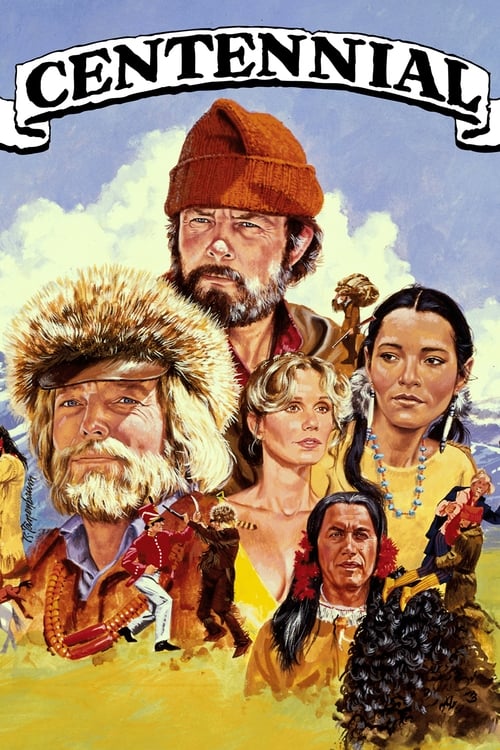
9. Centennial
Another colossal miniseries, following James Michener’s sprawling novel about the American West. From ancient times to modern day, it was a massive undertaking, filmed on location, with a huge cast. You learned history while being entertained. It was the kind of television event that brought families together in front of the set, watching generations unfold. Truly epic in scope and ambition.
10 / 12
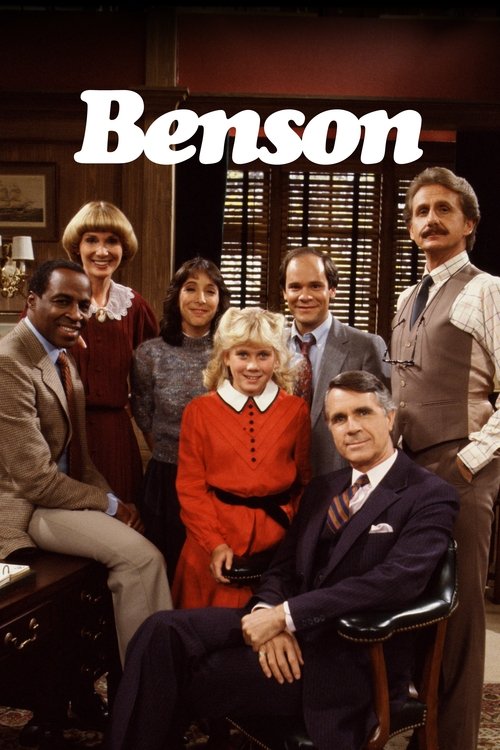
10. Benson
Robert Guillaume's Benson, from "Soap," got his own show, moving from butler to state budget director. It was a smart, witty sitcom that evolved, bringing in political storylines and showing Benson as a sharp, capable man. It was more than just laughs; it dealt with real issues, often with a subtle touch. A great example of a character growing and carrying a show with intelligence and charm.
11 / 12
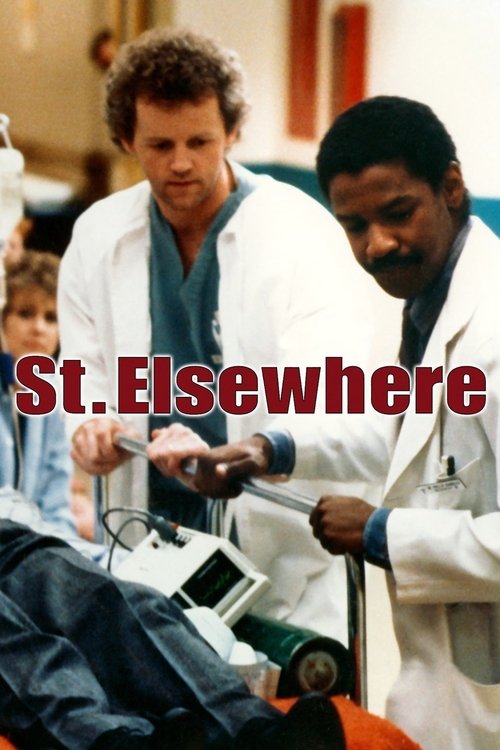
11. St. Elsewhere
This wasn't your father's "Marcus Welby." "St. Elsewhere" was a gritty, often cynical medical drama set in a rundown Boston hospital. It broke new ground with its serialized storytelling, dark humor, and willingness to kill off major characters. The ensemble cast was fantastic, and it felt more like life than television often did. And that ending… well, it certainly got people talking for years.
12 / 12
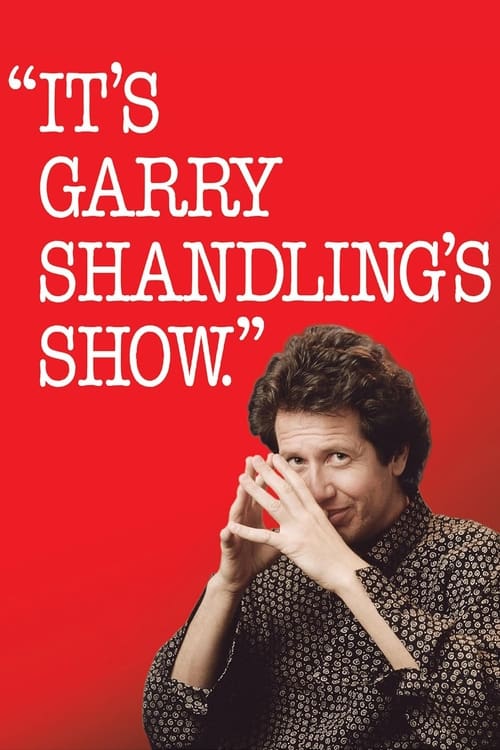
12. It's Garry Shandling's Show
Now this was something different! Garry Shandling, talking right to the audience, walking through the sets, even complaining about the show itself. It broke every rule of sitcoms, pulling back the curtain on television production. It was incredibly clever, a meta-comedy before anyone really used that term. It showed that a half-hour comedy could be smart, self-aware, and utterly unique. A real innovator.