

1 / 9
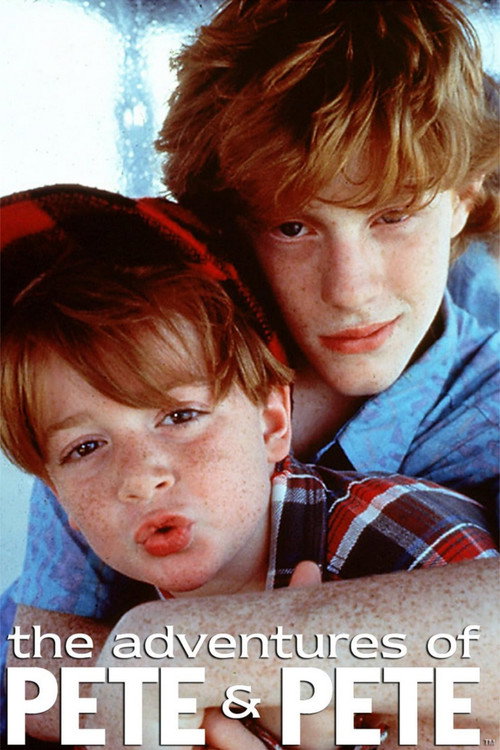
1. The Adventures of Pete & Pete
Nickelodeon's *Pete & Pete* wasn't just a kids' show; it was an entire aesthetic. This 1993 run felt like finding a secret channel, all skewed angles and off-kilter narratives. You got indie band soundtracks before that was a thing, practical visual oddities, and a world built on the pure, unadulterated weirdness of childhood. It was surreal, nostalgic, and absolutely singular, a true cable gem.
2 / 9
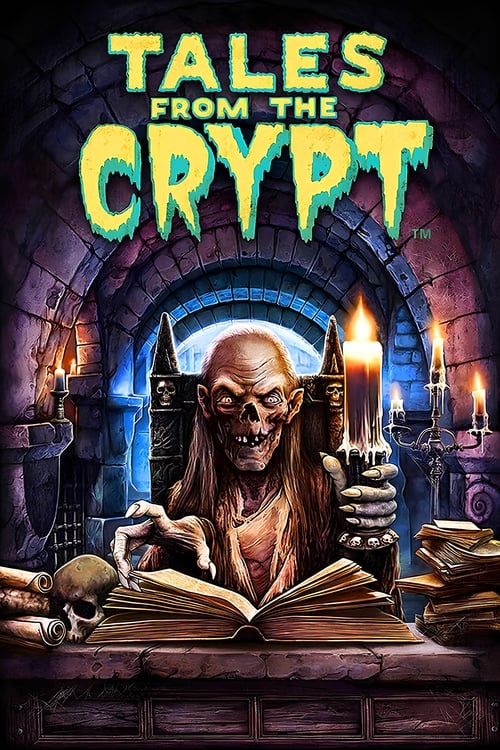
2. Tales from the Crypt
*Tales from the Crypt* on HBO, starting in '89, was pure, unadulterated cable gold. They took those EC Comics and just *went for it*. Practical effects were king, delivering genuinely gruesome and darkly comedic stories. And the Crypt Keeper? A total triumph of animatronics, voice work, and pun-slinging. It pushed boundaries, showing what premium cable could do when it wasn't afraid to get grimy, delivering perfect horror anthologies.
3 / 9
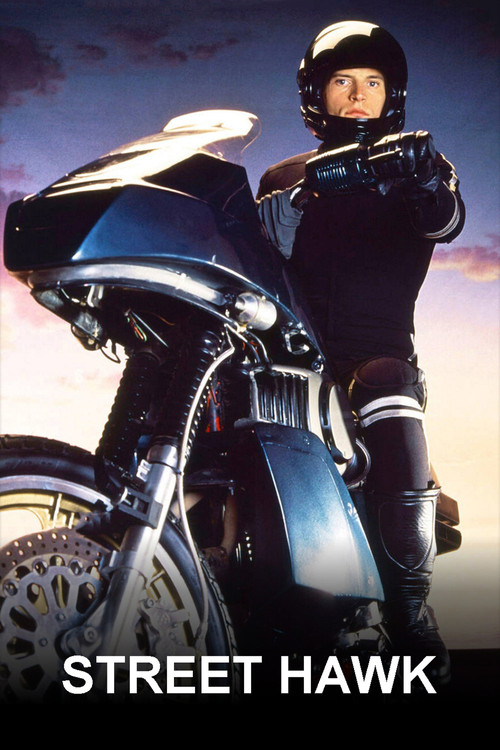
3. Street Hawk
*Street Hawk* in 1985 was *Knight Rider* on two wheels, but with a slightly grungier, more proto-cyberpunk edge. That super-bike, able to hit 300 MPH and pull off ridiculous jumps, was a marvel of practical effects and stunt work. Sure, the analog tech looked clunky sometimes, but it lent an authenticity to this vision of near-future street justice. It was pure, unadulterated 80s action, driven by a killer synth score.
4 / 9
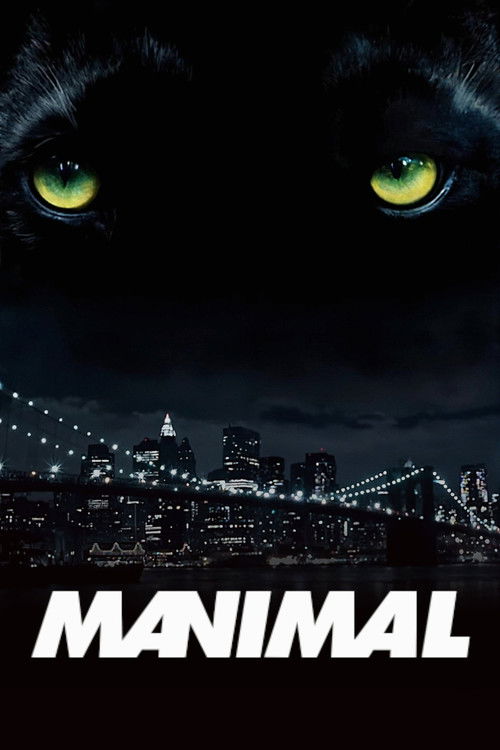
4. Manimal
Oh, *Manimal*. This 1983 gem was the ultimate 'what were they thinking?' show, and I loved it. A man who could transform into animals to fight crime. The transformation effects were wild practical effects, often a little rough, but completely committed. It was a glorious, bizarre experiment in network television, proto-genre hybrid stuff that just didn't quite land, but left an indelible mark.
5 / 9
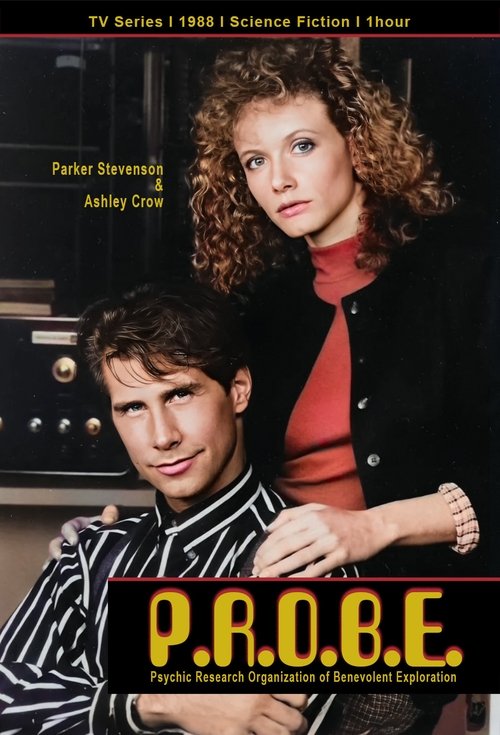
5. Probe
*Probe* was weird, even for NBC in '88. Isaac Asimov was involved, and it showed. A super-genius detective, obsessed with science, solving mysteries with a weirdly detached brilliance. It had this dry wit and intellectual edge you didn't see much. The practical effects and early computer graphics were clunky but charming, adding to its distinct, almost academic, sci-fi noir vibe. Totally ahead of its time.
6 / 9
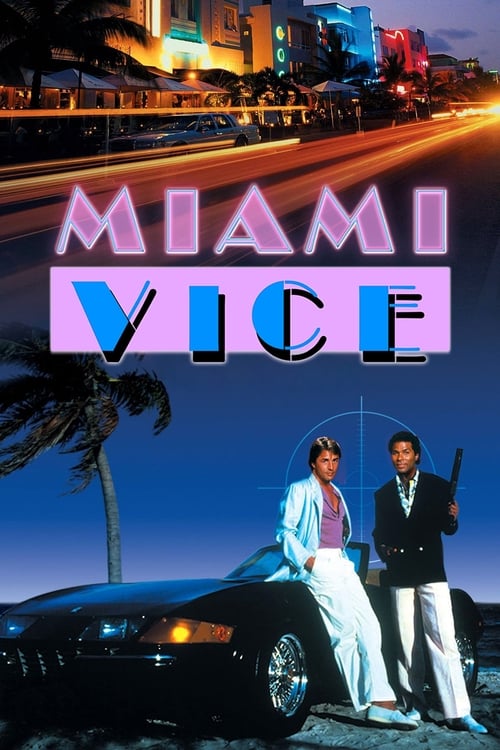
6. Miami Vice
Forget the plot sometimes; *Miami Vice* from '84 was pure aesthetic. Neon, pastels, synth pop, and a vibe that permeated everything. It was a fashion show, a music video, and a crime drama all rolled into one maximalist package. Those stylized shots, the deep focus on texture and light – it defined a decade. It proved television could be art, even while selling you a lifestyle.
7 / 9
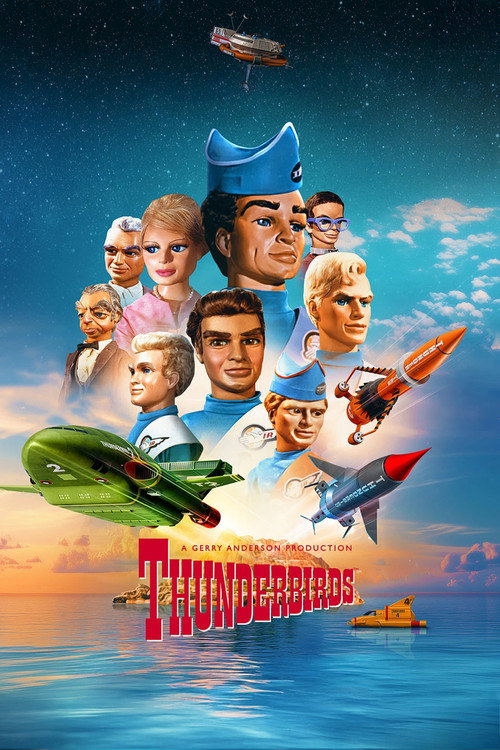
7. Thunderbirds
Supermarionation was its own special kind of glitch-core. *Thunderbirds*, the original 1965 series, presented a future both sleek and strangely handmade. The strings were visible, the puppets stiff, but that's where the magic was. It was a practical visual oddity that built an entire world, full of epic rescues and futuristic tech, all while maintaining that distinct, slightly unsettling charm.
8 / 9
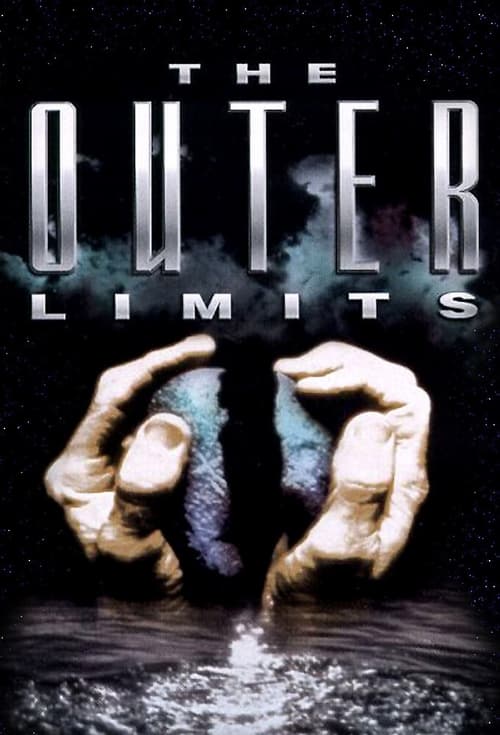
8. The Outer Limits
The '95 *Outer Limits* reboot on Showtime picked up the torch of anthology sci-fi and ran with it. It leaned hard into body horror, moral dilemmas, and often bleak, unsettling futures. With a slightly higher budget than syndicated peers, it delivered genuinely thought-provoking, sometimes shocking, stories. It was dark, experimental, and a vital part of the 90s cable sci-fi landscape, pushing boundaries often.
9 / 9

9. Dark Shadows
This 1966 soap opera was a daytime anomaly. Vampires, ghosts, werewolves—it brought gothic horror to suburbia, live and often messy. The low budget meant practical effects were often visible, adding to its raw, almost theatrical charm. It was maximalist, melodramatic, and utterly unique, paving the way for supernatural dramas that weren't afraid to get weird, a true cult classic.