
1 / 9
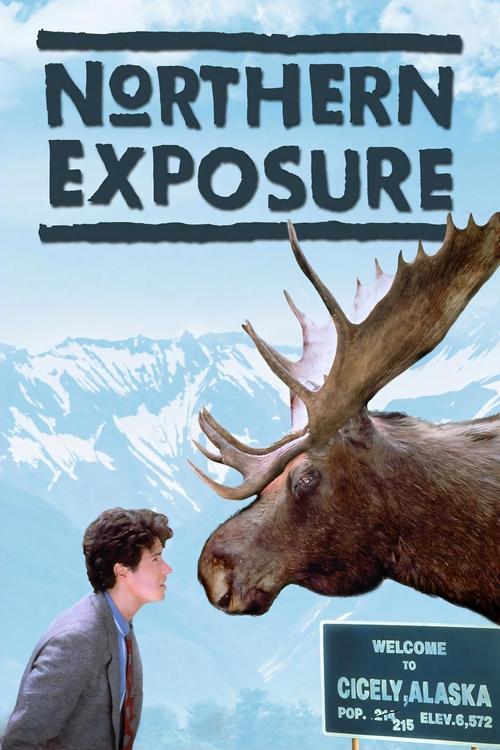
1. Northern Exposure
Before quirky became a genre, *Northern Exposure* arrived in 1990, setting a new standard for network television. It wasn't just a procedural; it was an ensemble character study, blending offbeat humor with genuine human drama. You had to tune in to follow the eccentric residents of Cicely, Alaska. This was appointment viewing for anyone tired of laugh tracks, proving that network TV could be smart, serialized, and surprisingly cinematic, anticipating later cable sensibilities with its unique tone.
2 / 9
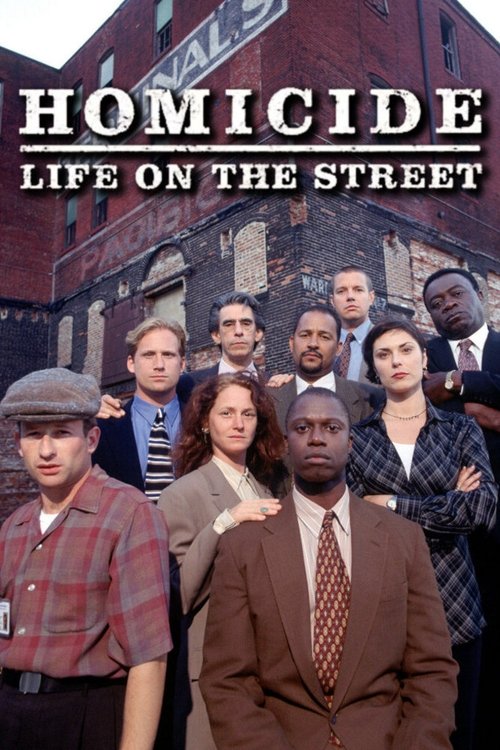
2. Homicide: Life on the Street
*Homicide* in 1993 was a jolt to network procedurals. Forget clean cases and easy answers; this was raw, chaotic, and relentlessly human. Its handheld camera work and jump cuts felt revolutionary, pulling you into the Baltimore police precinct like nothing else. The serialized cases and deep character arcs, especially with an ensemble this strong, demanded your attention week after week. It showed how much risk network television could take, foreshadowing the complex dramas to come.
3 / 9

3. Six Feet Under
HBO was already pushing boundaries, but *Six Feet Under* in 2001 redefined what a family drama could be. Centered around a funeral home, it tackled death, grief, and dysfunction with an unflinching, darkly comedic grace. The Fisher family's intricate lives unravelled over seasons, each episode a self-contained story yet deeply connected to the overarching narrative. This was prestige cable at its finest, proving audiences craved emotional depth and serialized storytelling far beyond network norms.
4 / 9
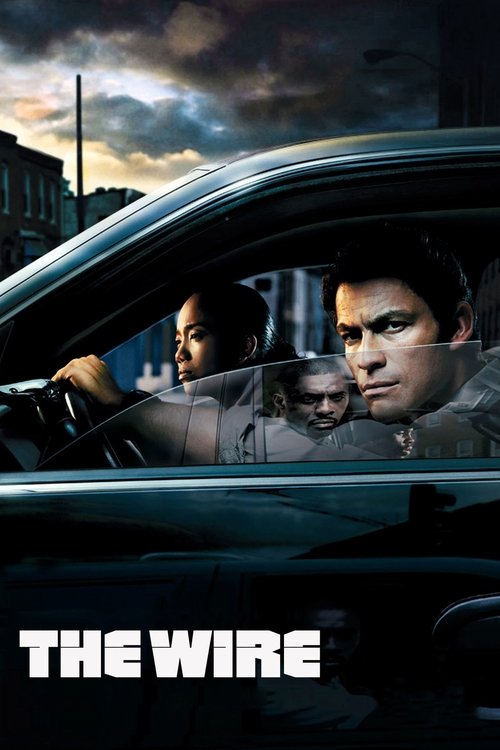
4. The Wire
When *The Wire* hit in 2002, it wasn't just a show; it was a novel for television. This was serialized storytelling at its most ambitious, mapping the interconnected systems of Baltimore – from the drug trade to the docks, the schools, and the press. Its sprawling ensemble cast and 'show, don't tell' philosophy demanded commitment, rewarding viewers with unparalleled depth and realism. It cemented HBO's reputation for groundbreaking, cinematic drama that refused easy answers.
5 / 9
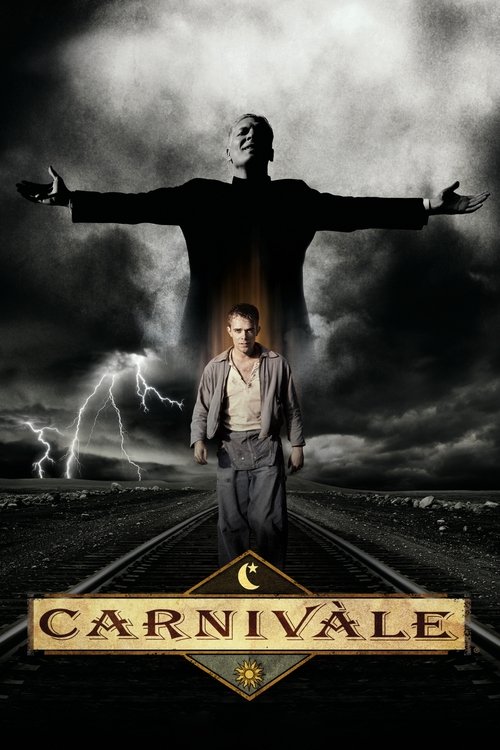
5. Carnivàle
*Carnivàle* in 2003 was HBO swinging for the fences, delivering an epic, Depression-era odyssey that was visually stunning and narratively dense. Its intricate mythology, prophetic dreams, and sprawling ensemble of carnival folk created a truly unique, serialized world. This wasn't something you could drop into; it demanded full immersion. It proved cable's willingness to invest in singular visions, even if its ambition ultimately outpaced its audience's patience for complex, slow-burn narratives.
6 / 9
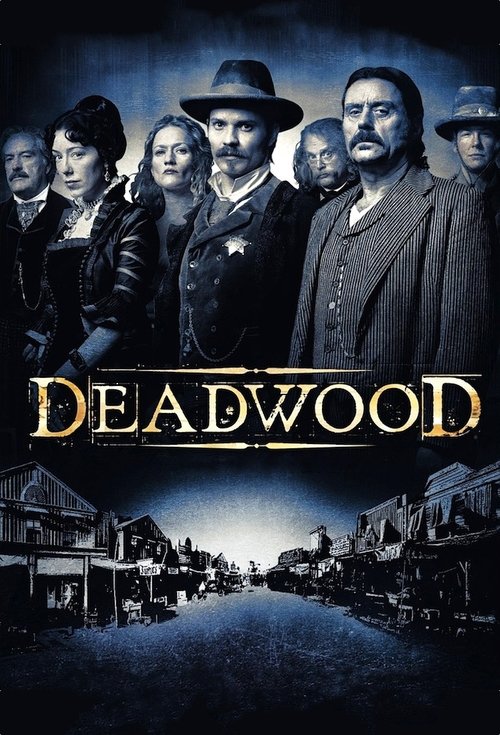
6. Deadwood
*Deadwood* in 2004 wasn't just a Western; it was a masterclass in historical realism and profane poetry. David Milch crafted a world teeming with fully-formed, morally ambiguous characters, all navigating the brutal birth of a town. Its dialogue was unparalleled, its violence unflinching, and its serialized arcs were meticulously woven. This was premium cable pushing boundaries with language and character development, delivering a truly cinematic experience that felt like watching a long, epic film unfold.
7 / 9
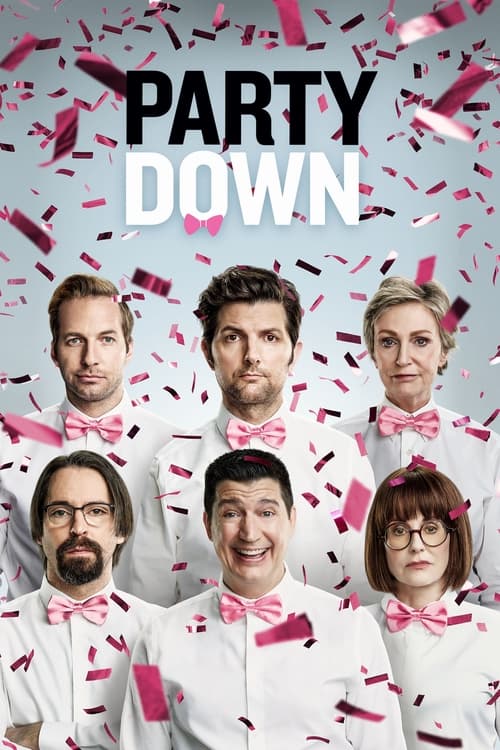
7. Party Down
Before streaming made every niche show accessible, *Party Down* (2009) was a cult favorite on Starz, a brilliant mockumentary-style comedy about a struggling catering team. Its ensemble cast delivered sharp, painfully funny observations on thwarted ambition and the indignities of service work. While each episode was a 'party of the week,' the characters’ serialized struggles and aspirations made it more than just a sitcom. It exemplified how cable could foster unique, character-driven comedies.
8 / 9
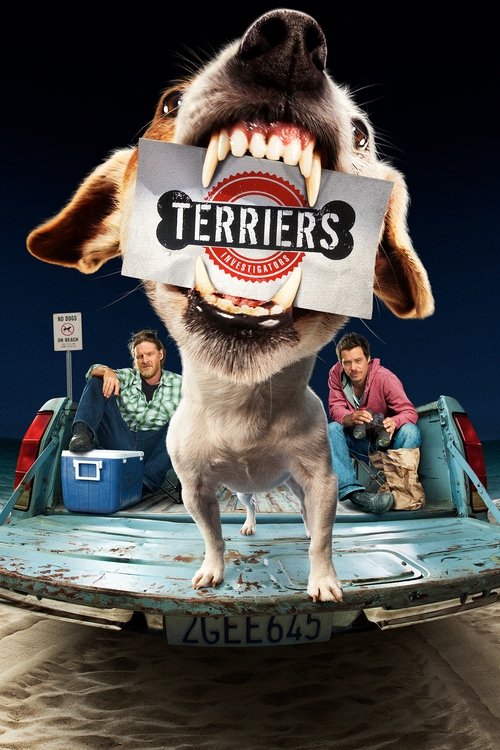
8. Terriers
*Terriers* (2010) on FX was a crime drama that felt like a perfectly crafted indie film. It wasn't just about solving cases; it was a deeply character-driven, serialized story about two down-on-their-luck private investigators. Its neo-noir vibe, witty dialogue, and genuine heart made it a critical darling, though it struggled to find a wide audience. This was cable pushing sophisticated storytelling and flawed anti-heroes, proving that sometimes the best shows are too good for their own good.
9 / 9
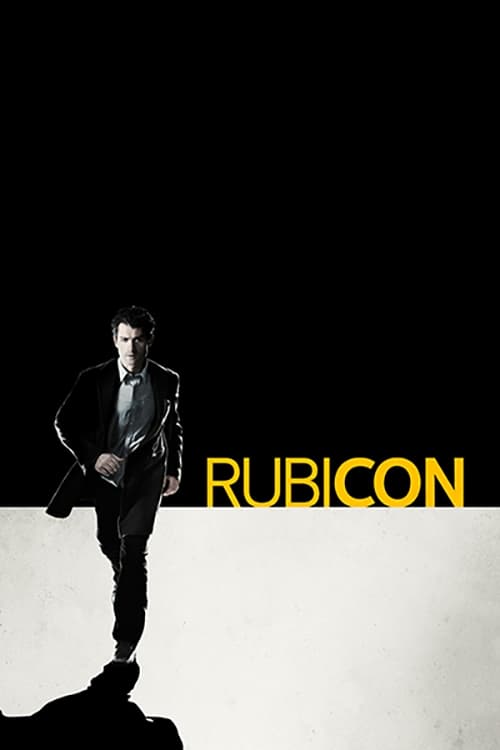
9. Rubicon
Coming from AMC in 2010, after *Mad Men* and *Breaking Bad* had set a high bar, *Rubicon* was a different beast entirely. This was a slow-burn, atmospheric conspiracy thriller, a serialized puzzle box that demanded patience and intellectual engagement. Its quiet intensity and focus on intricate plot rather than explosive action made it a challenging but rewarding watch. It demonstrated cable's commitment to diverse, serialized narratives, even those that prioritized mood and intricate plotting over mass appeal.