

1 / 10
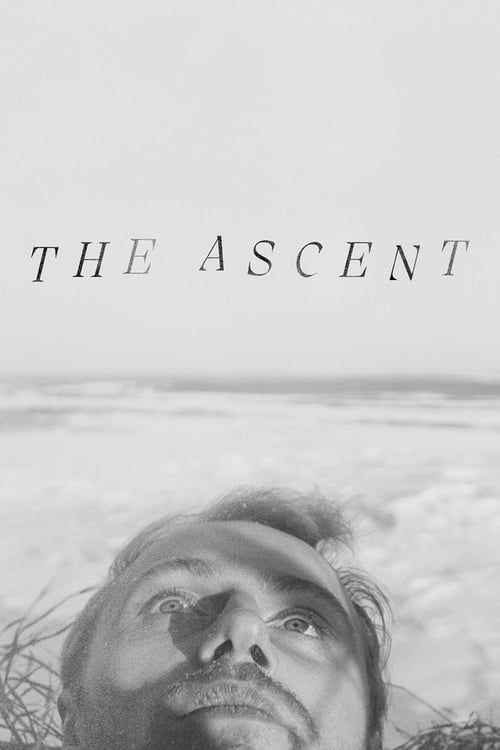
1. The Ascent
Elem Klimov’s harrowing Soviet-era masterpiece follows two partisans in occupied Belarus during WWII. It’s a relentless, visually stark journey into the deepest recesses of human endurance and moral choice. The film doesn't offer easy answers, just cold, brutal reality. Its unflinching depiction of suffering and sacrifice makes it too profoundly bleak for algorithm-driven recommendations. It demands genuine engagement, not passive consumption, making it a challenging but essential watch.
2 / 10

2. Possession
Andrzej Żuławski’s cult classic is pure, unadulterated cinematic madness. Isabelle Adjani's raw, visceral performance as a woman unraveling is legendary, and the film itself is a fever dream of psychological horror, marital breakdown, and... well, you just have to see it. It’s too avant-garde, too disturbing, and too utterly bizarre for any algorithm to neatly categorize, let alone recommend to the masses.
3 / 10
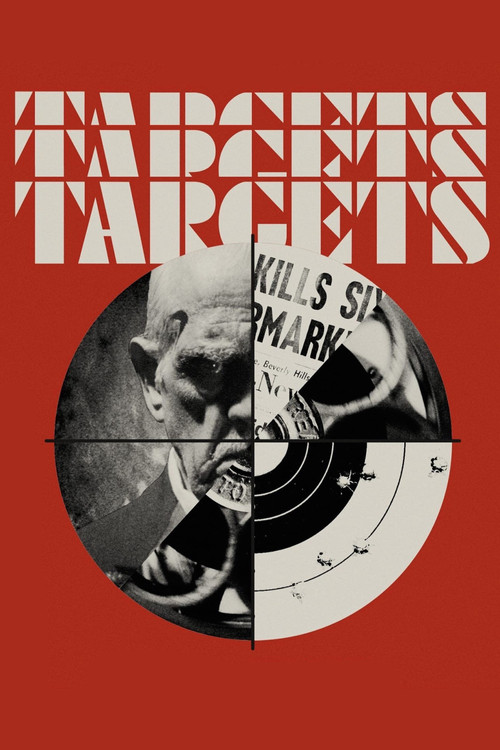
3. Targets
Peter Bogdanovich’s directorial debut is a chilling, prescient meditation on violence in America. It juxtaposes an aging horror star (Boris Karloff in his final major role) with a clean-cut sniper, blurring the lines between cinematic and real-world terror. This isn't flashy; it's a slow, methodical build of dread, offering uncomfortable social commentary that algorithms prefer to soften or ignore entirely.
4 / 10

4. Withnail & I
Bruce Robinson’s British black comedy is a masterclass in squalor and wit. Two unemployed, alcoholic actors escape their grim London flat for a disastrous holiday in the countryside. Richard E. Grant and Paul McGann are brilliant. Its uniquely bleak humor, endlessly quotable lines, and deeply specific cultural milieu mean it’s not easily digestible for general audiences, leaving it a cherished curio outside algorithmic reach.
5 / 10
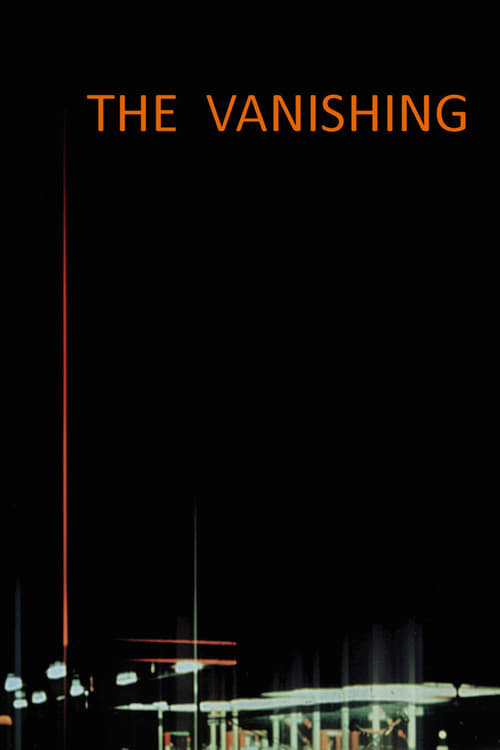
5. The Vanishing
Forget the American remake; George Sluizer’s original Dutch-French thriller is a cold, calculated exercise in dread. A man's girlfriend vanishes at a rest stop, leading him down an obsessive path to discover her fate. It’s a slow-burn psychological horror that builds to one of the most unsettling and truly disturbing endings in cinema history, ensuring algorithms won't touch its profound bleakness.
6 / 10

6. Symbiopsychotaxiplasm: Take One
William Greaves’ experimental documentary is a dizzying, meta-cinematic experience. It's a film about making a film, about the crew filming the director, and the crew filming *that* filming, questioning reality and authorship. Its fragmented structure and self-reflexive nature are the antithesis of algorithm-friendly content, demanding active interpretation rather than passive consumption. Truly one of a kind.
7 / 10
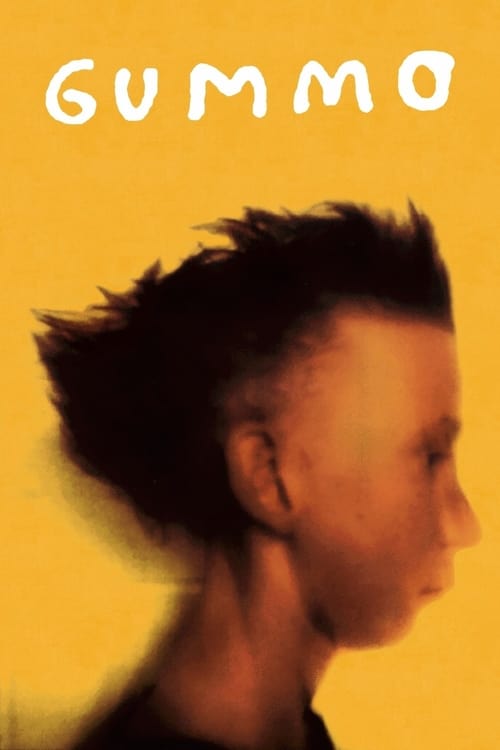
7. Gummo
Harmony Korine's controversial debut is a raw, unflinching glimpse into the lives of disaffected youth in a tornado-ravaged Ohio town. It's less a narrative and more a series of disturbing vignettes, filled with forgotten characters and stark realism. Its deliberately abrasive style and lack of conventional plot make it deeply polarizing, ensuring it remains firmly outside the sanitized world of streaming recommendations.
8 / 10
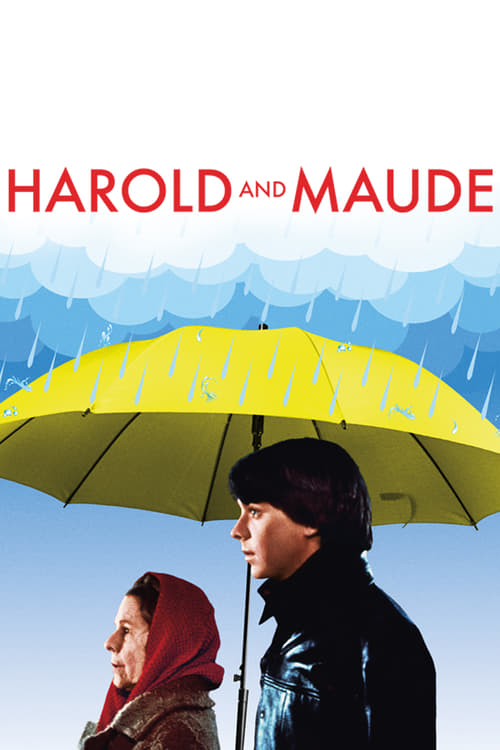
8. Harold and Maude
Hal Ashby's quirky black comedy romance about an unlikely bond between a death-obsessed young man and a life-affirming octogenarian woman. It's darkly humorous, surprisingly tender, and entirely unconventional. The film dances with morbid themes while celebrating life, making its unique tone difficult for algorithms to pin down or recommend broadly without losing its distinct, beloved charm.
9 / 10

9. Killer of Sheep
Charles Burnett's independent masterpiece offers a poetic, neorealist look at the daily struggles of a Black slaughterhouse worker in Watts, Los Angeles. Shot on weekends for next to nothing, it’s a poignant, slice-of-life portrayal of working-class existence, rich in emotional depth and stark beauty. Its quiet power and lack of commercial flash mean algorithms often overlook this vital piece of American cinema.
10 / 10
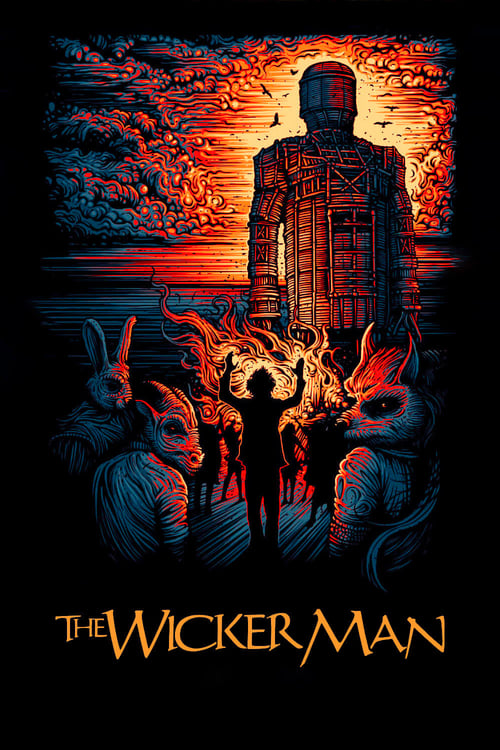
10. The Wicker Man
Not the Nic Cage remake! Robin Hardy's original is a chilling, atmospheric folk horror masterpiece. A devout Christian police sergeant investigates a missing girl on a remote Scottish island, encountering pagan rituals and escalating dread. Its slow-burn tension, unsettling themes, and truly shocking ending are far too nuanced and genuinely disturbing for algorithms to ever push widely.