1 / 8
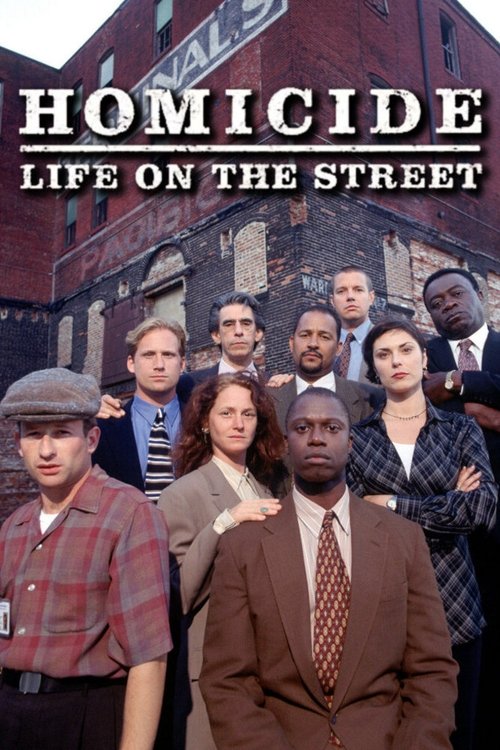
1. Homicide: Life on the Street
This was network TV trying to be cable before cable was *cable*. Barry Levinson and Tom Fontana brought a raw, documentary-style grit to Baltimore homicide detectives. The ensemble cast felt lived-in, the cases rarely neat, and the dialogue overlapping and authentic. It broke procedural norms, embracing serialized character arcs and moral ambiguity. You felt the city, the stakes, the fatigue. A true foundational piece for modern prestige drama.
2 / 8
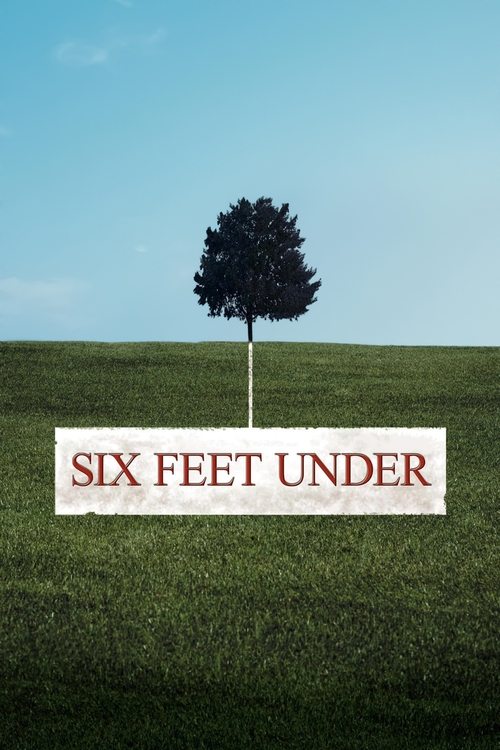
2. Six Feet Under
Alan Ball’s HBO masterpiece redefined family drama. Centered on a funeral home, every episode opened with a death, setting a tone both morbidly funny and profoundly human. The Fisher family’s struggles with grief, identity, and each other were brutally honest and intimate. It was an early exemplar of cable allowing creators to explore complex themes and flawed characters without network interference. Deep, dark, and utterly compelling.
3 / 8
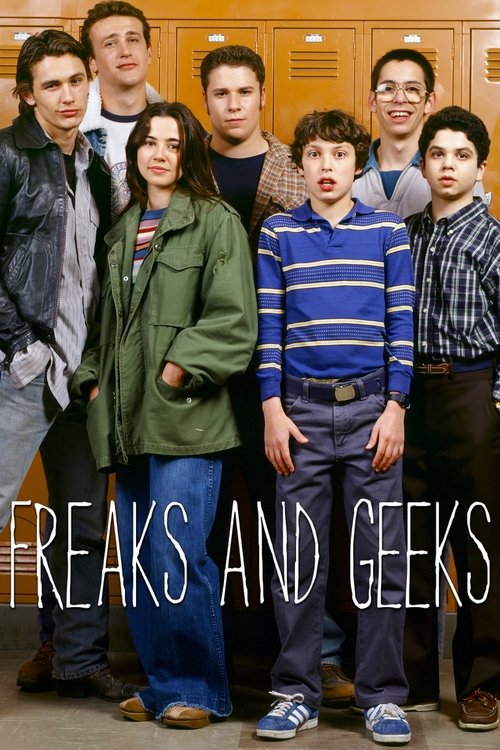
3. Freaks and Geeks
Only one season, but what a season. Judd Apatow and Paul Feig captured the awkward, painful reality of high school in 1980. No easy victories, no forced sentimentality, just genuine characters grappling with identity, belonging, and the crushing weight of adolescence. Its ensemble cast of future stars felt like real kids, making this coming-of-age story a touchstone for authentic storytelling, cut down far too soon.
4 / 8
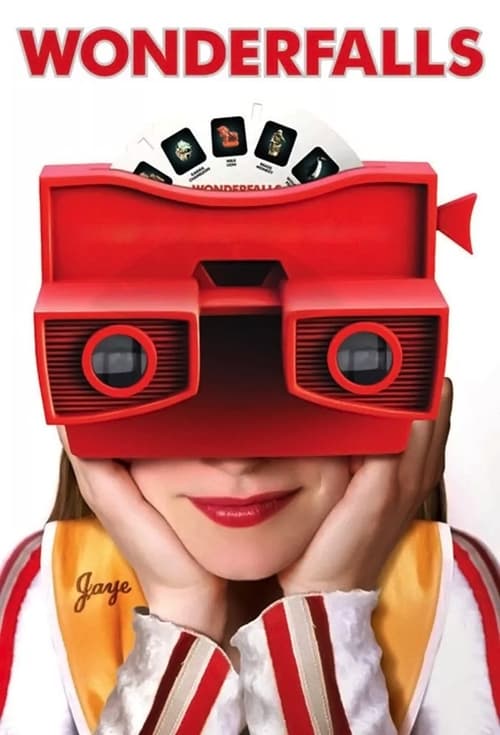
4. Wonderfalls
Bryan Fuller’s unique vision shone through this cult gem. A disaffected souvenir shop employee starts hearing inanimate objects talk, compelling her to help people. It’s whimsical, darkly comedic, and utterly charming, blending magical realism with sharp, character-driven writing. Fox didn't know what they had, canceling it quickly, but its distinct voice and quirky sensibility heralded a new wave of narrative risk-taking that would thrive on cable.
5 / 8
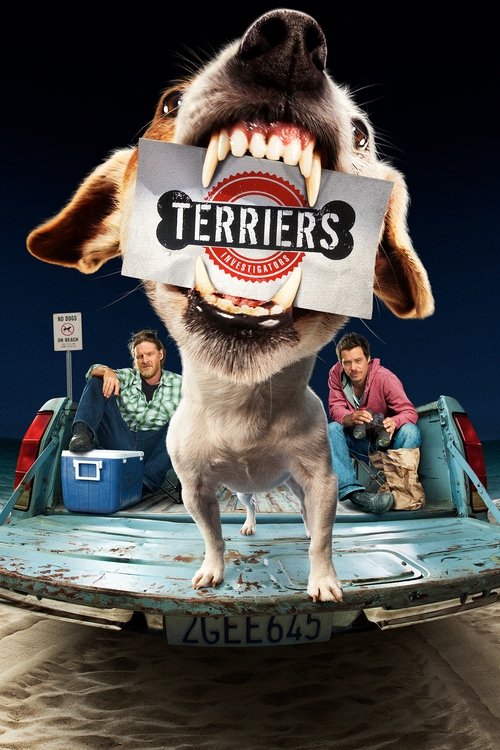
5. Terriers
FX nailed the neo-noir vibe with this one. Donal Logue and Michael Raymond-James played down-on-their-luck private investigators, more often stumbling than solving. It was about broken men trying to do right, with incredible chemistry and a tangible sense of place. Canceled after a single season, it's a perfect example of a show too smart, too nuanced, and maybe too subtle for its time, but a true cult favorite.
6 / 8
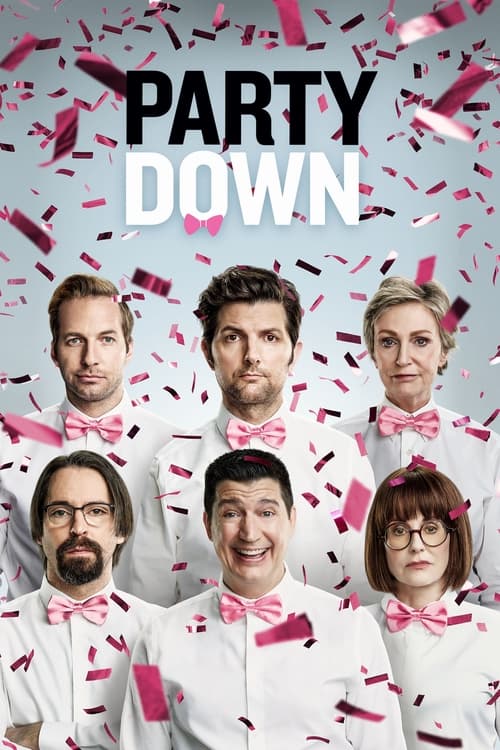
6. Party Down
Before *Community* or *Parks and Rec* really hit, Starz offered this brilliant, cynical comedy about a catering crew in Los Angeles. Each episode was a different party, a new set of absurd clients, and the same group of aspiring, failing, or simply resigned dreamers. The mockumentary style wasn't just a gimmick; it heightened the pathetic humor and emotional honesty of its fantastic ensemble. Underappreciated, but hugely influential.
7 / 8
7. The State
MTV’s sketch comedy offering was a breath of fresh air. This ensemble cast brought a distinct, often surreal, and always hilarious sensibility that felt miles away from *SNL*. Their brand of absurdism, offbeat characters, and lack of traditional punchlines resonated with a generation looking for something smarter and weirder. It laid groundwork for alternative comedy and proved cable could be a home for experimental, character-based humor.
8 / 8
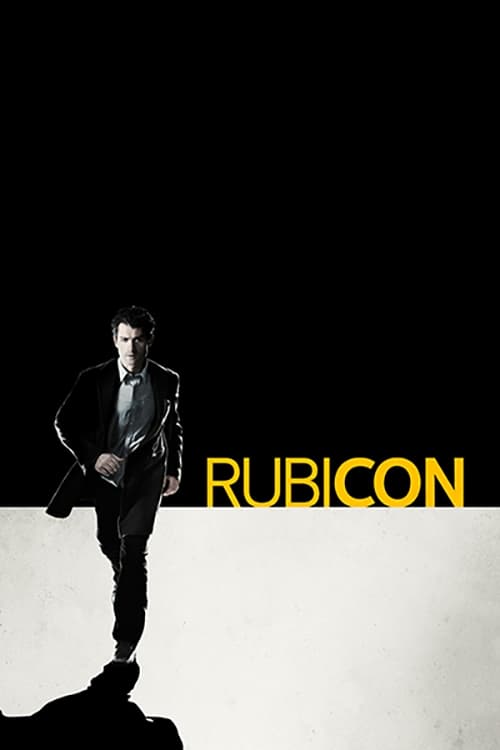
8. Rubicon
AMC, fresh off *Mad Men* and *Breaking Bad*, tried something different. This was a slow-burn, intellectual conspiracy thriller about an analyst who uncovers a global plot. It rewarded patience with intricate plotting and deeply unsettling atmosphere, focusing on subtle character beats and psychological tension rather than explosions. Perhaps too cerebral for a broad audience, but a masterclass in mood and serialized mystery.