
1 / 11
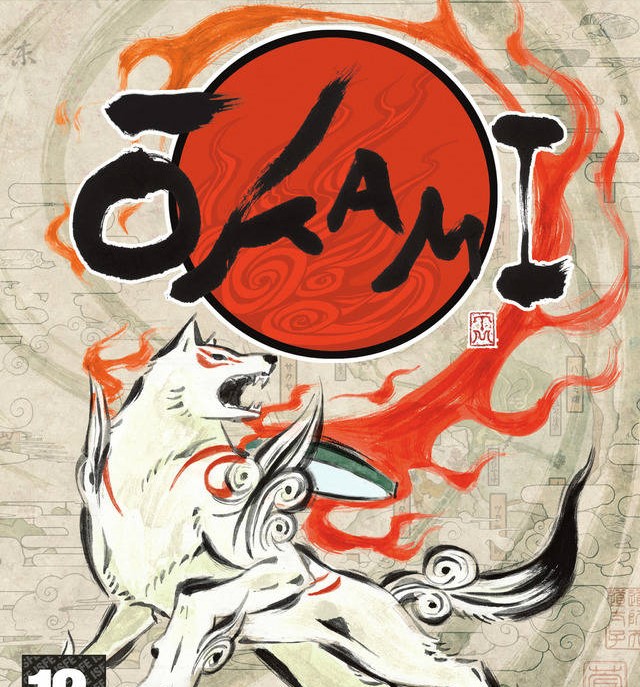
1. Okami
A visual masterpiece, this game brought Japanese mythology to life with its stunning sumi-e art style. While critically acclaimed, it never quite reached the widespread commercial success its depth deserved. It tells a heartfelt tale of nature, gods, and humanity's delicate balance, using its Celestial Brush mechanics to weave a story of restoration and hope. Its impact on art in games is undeniable.
2 / 11
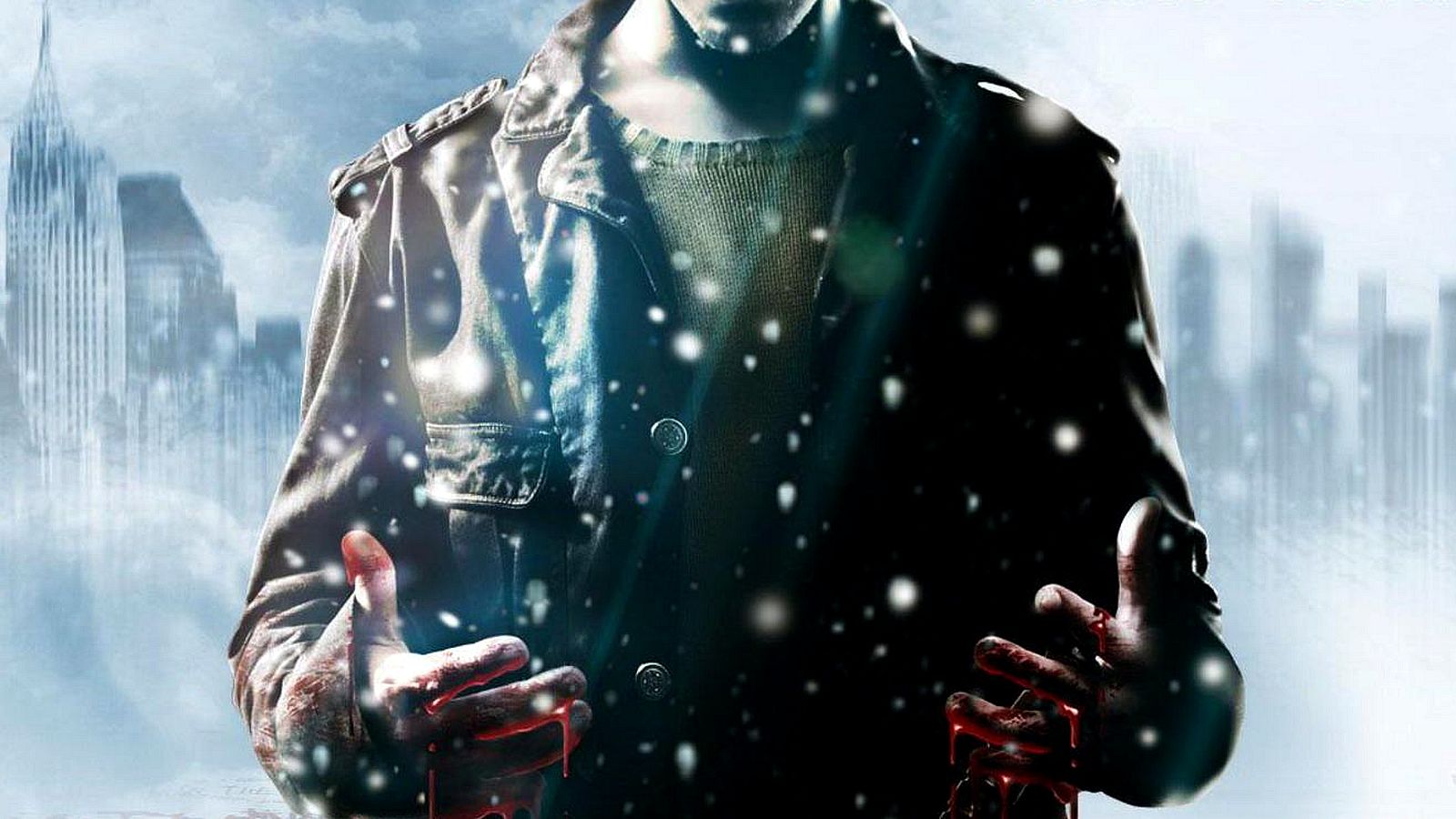
2. Fahrenheit (Indigo Prophecy)
David Cage's early foray into interactive drama, this game was ambitious, albeit flawed. It offered a supernatural thriller narrative that veered into the absurd but captivated players with its choice-driven story and unique QTE mechanics. As Indigo Prophecy in North America, it pushed boundaries for cinematic storytelling in games, even if its execution left some scratching their heads.
3 / 11
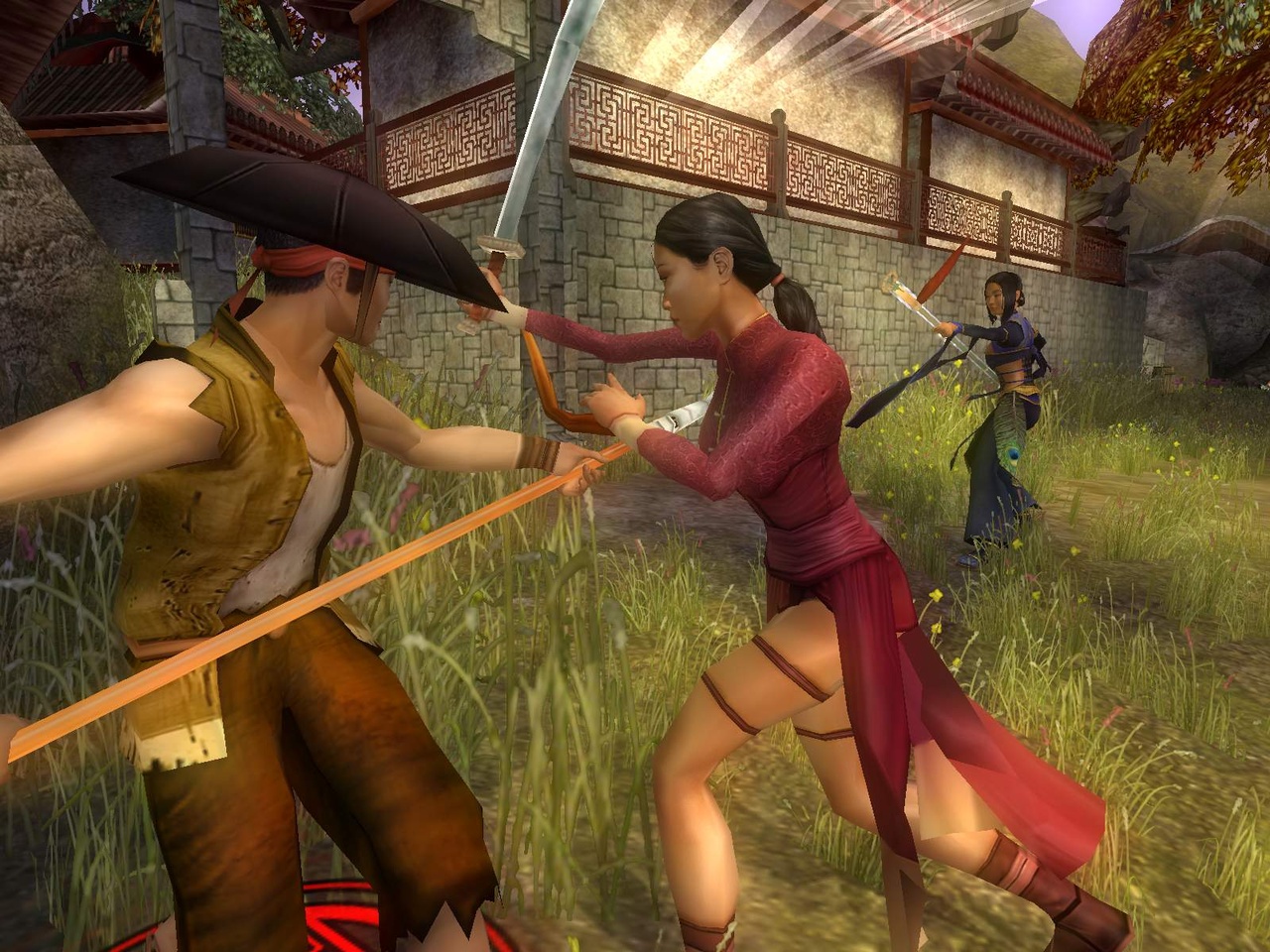
3. Jade Empire
BioWare, known for Star Wars and Mass Effect, crafted this unique martial arts RPG. Set in a mythical ancient China, it explored themes of spiritual balance and moral ambiguity through its "Open Palm" and "Closed Fist" philosophies. While overshadowed by its studio's bigger hits, its distinct setting, engaging combat, and memorable characters make it a captivating, albeit often-forgotten, journey.
4 / 11
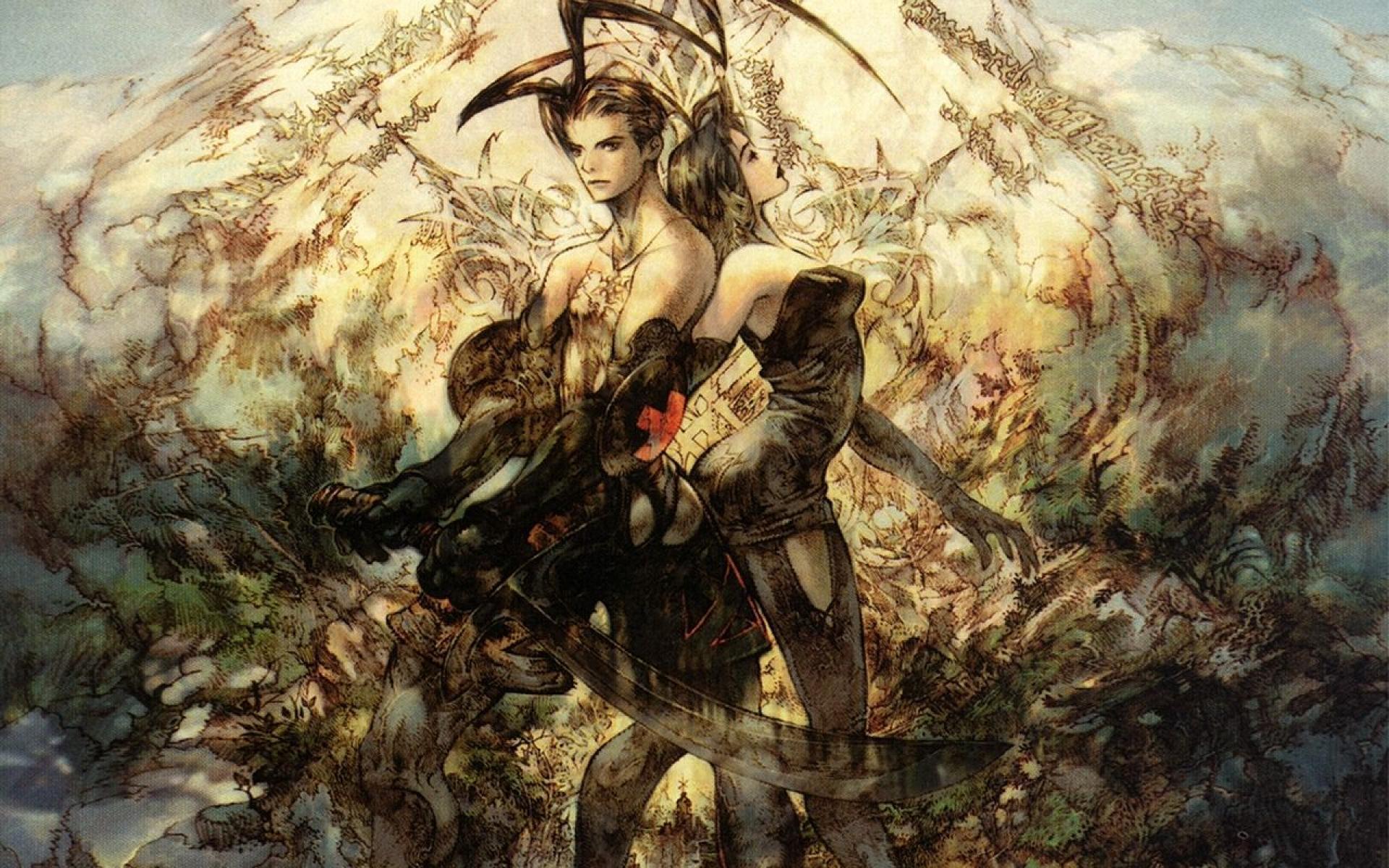
4. Vagrant Story (2000)
This PlayStation masterpiece, released in 2000, presented a dark, intricate narrative centered on Ashley Riot, an elite agent. Its complex combat system, focusing on body parts and weapon affinity, demanded strategic thinking. With a unique, heavily stylized aesthetic and a deeply philosophical script, it garnered critical praise but remained a cult classic due to its difficulty and niche appeal.
5 / 11
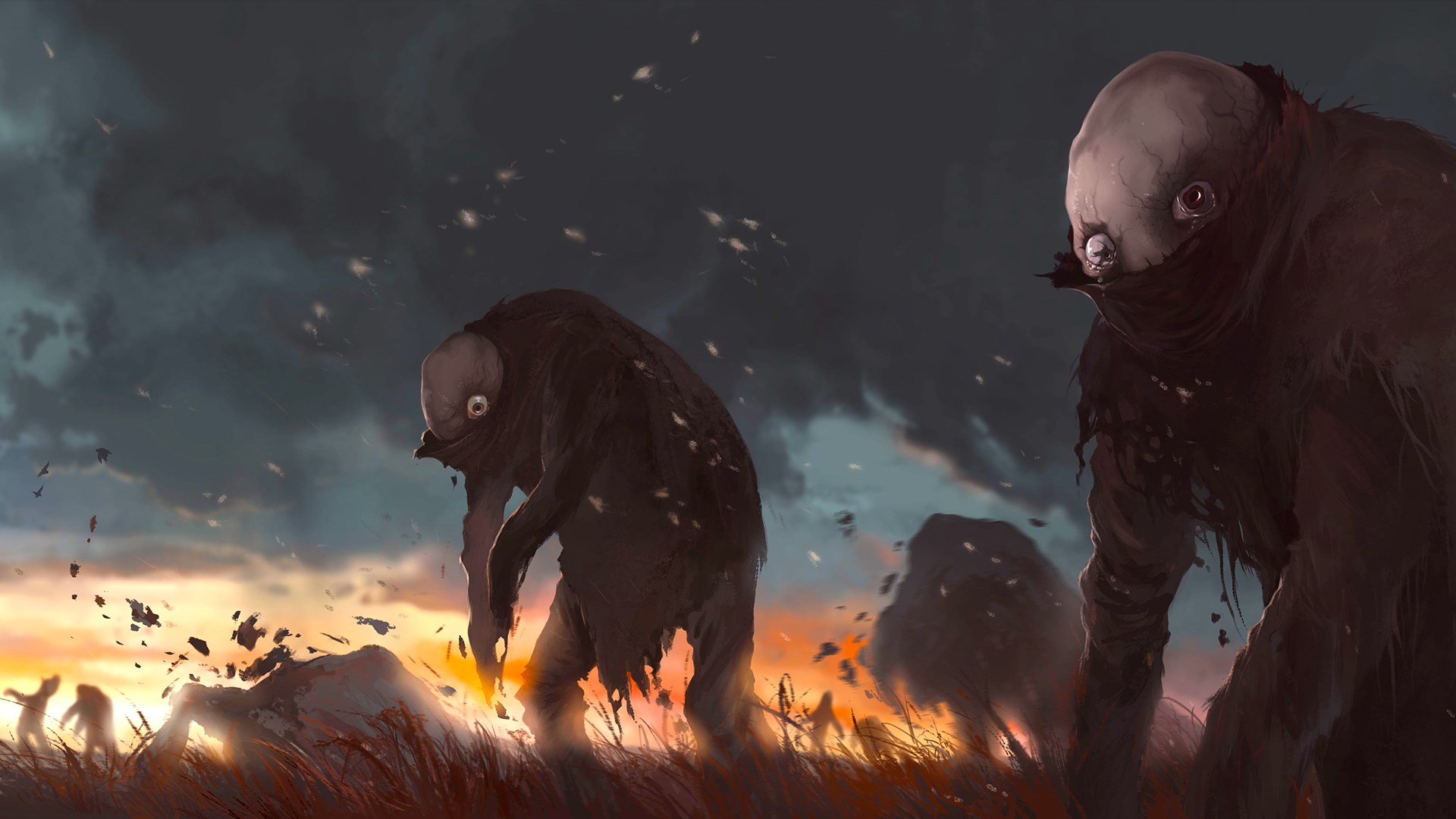
5. Pathologic 2
A true test of endurance, this survival horror RPG isn't just difficult; it's deliberately oppressive. As a plague doctor in a dying town, every choice carries immense weight, forcing players to confront moral compromises and the brutal reality of scarcity. It's a relentlessly philosophical experience, exploring themes of death, societal collapse, and the futility of heroism, making it a uniquely vital, if draining, narrative.
6 / 11
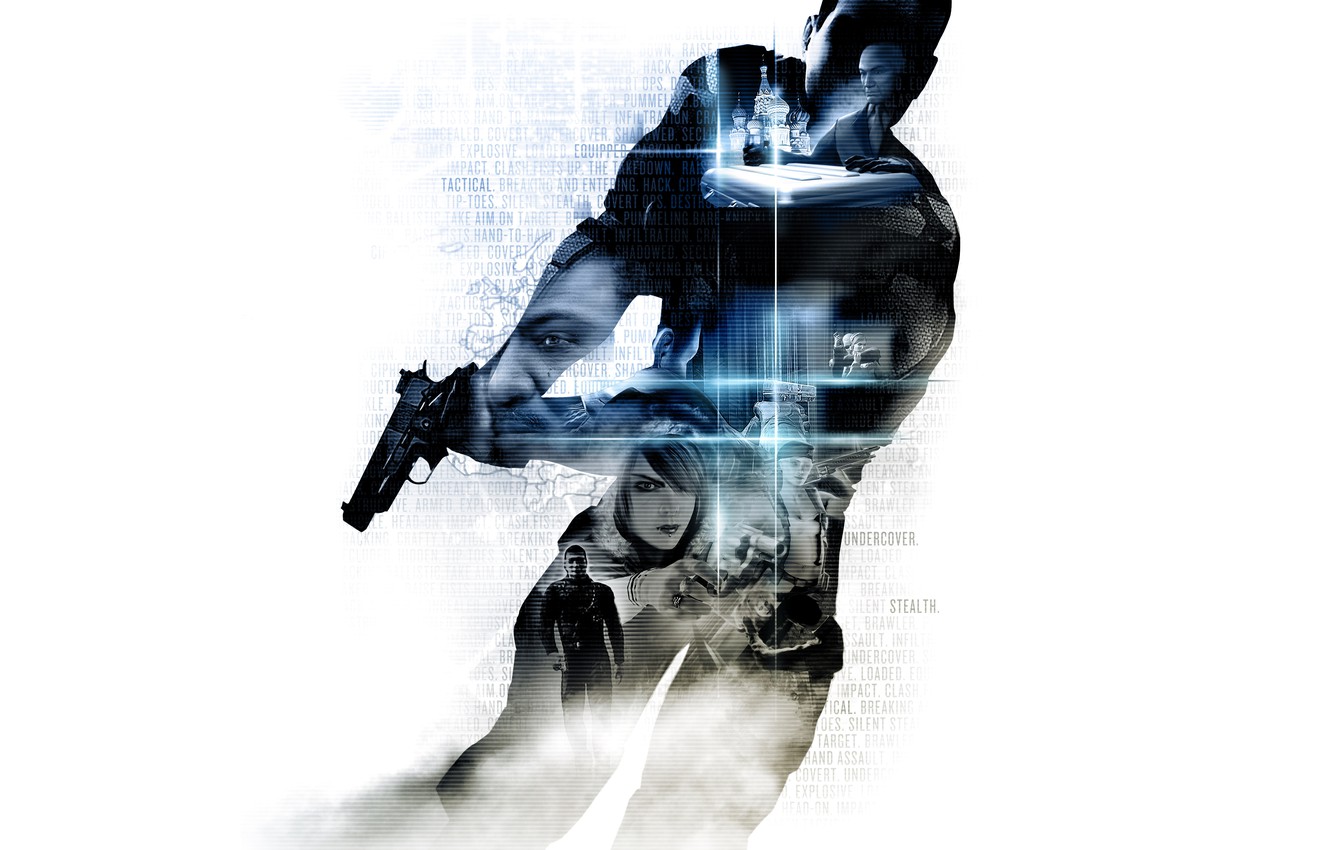
6. Alpha Protocol
Obsidian's attempt at an espionage RPG, this game was a commercial flop but a narrative triumph. It allowed players unprecedented freedom in shaping their super-spy, with branching dialogues and decisions genuinely impacting relationships and plotlines. Despite its notoriously clunky combat, the commitment to player agency and the intricate web of consequences it spun made for a truly unique and influential storytelling experience.
7 / 11
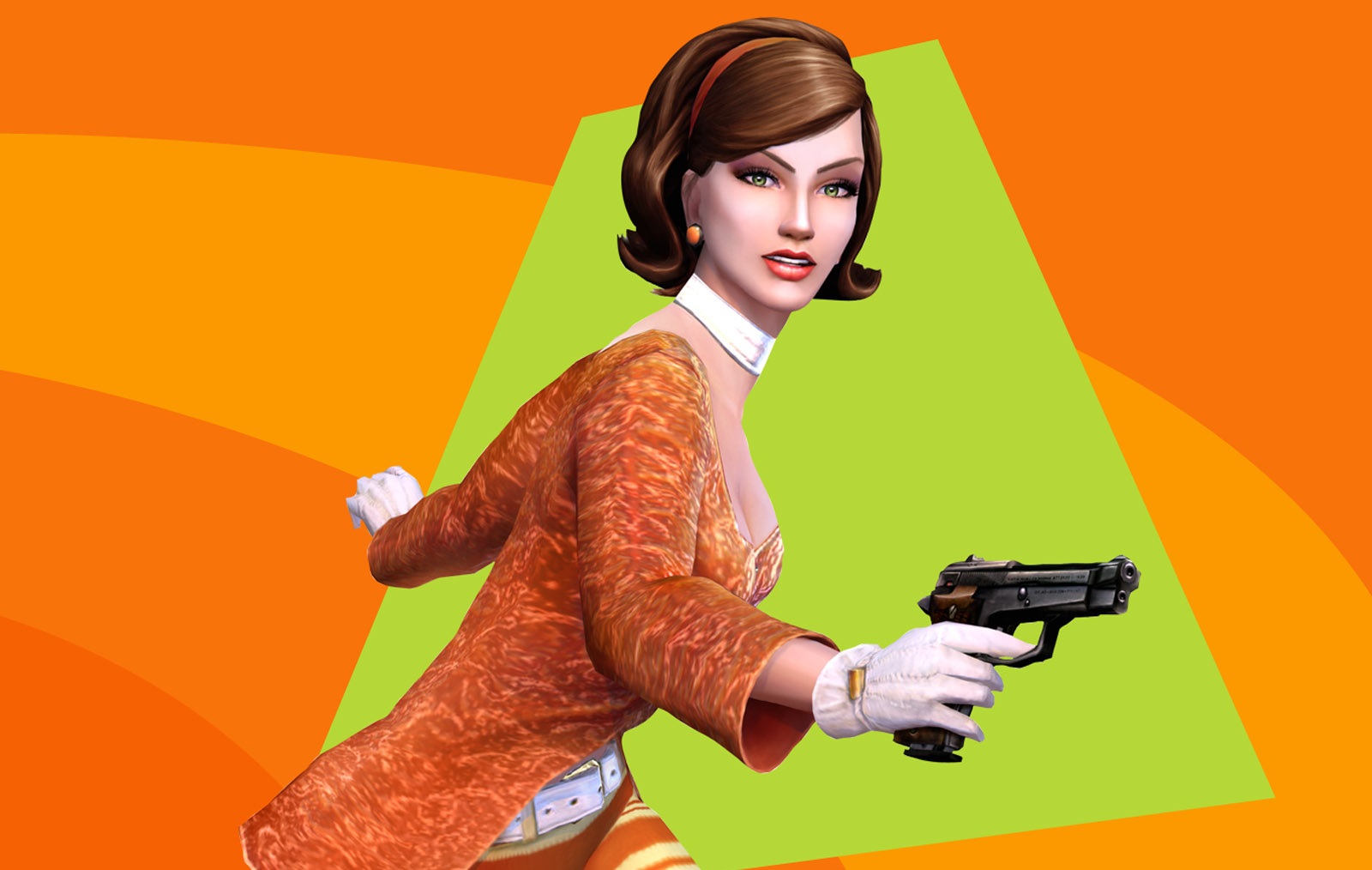
7. The Operative: No One Lives Forever
This stylish 1960s spy shooter brilliantly blended stealth, action, and witty humor. Starring Cate Archer, a sharp-tongued operative, it offered inventive gadgets and diverse missions, all wrapped in a vibrant, tongue-in-cheek aesthetic. Its clever writing and strong protagonist were ahead of their time, but complex rights issues have kept this innovative and charming title unfairly out of reach for years.
8 / 11
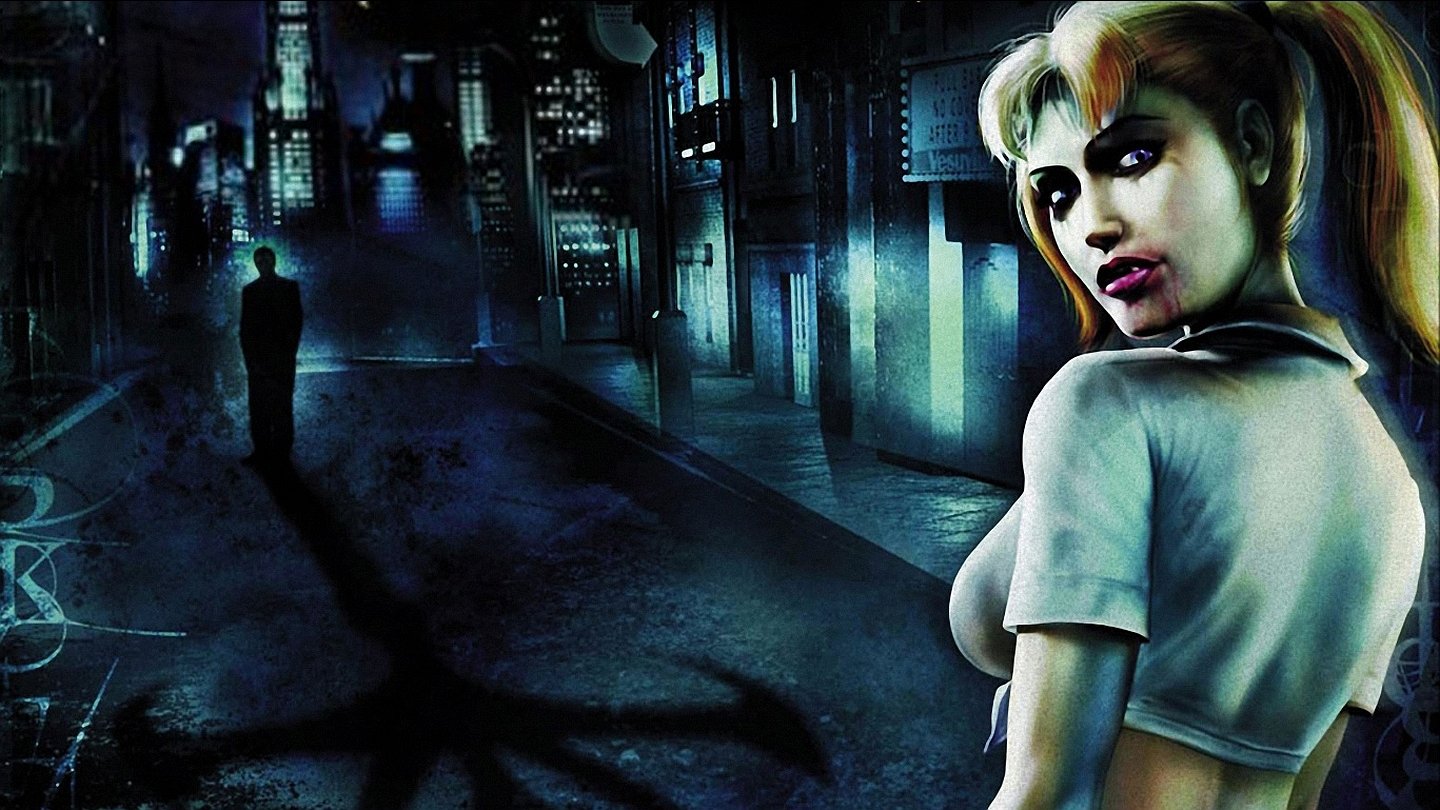
8. Vampire: The Masquerade - Bloodlines
A troubled launch couldn't obscure the brilliance of this cult classic. Set in a gothic-punk Los Angeles, it offered unparalleled role-playing freedom within a rich, atmospheric world. Its nuanced characters, intricate dialogue, and dark humor painted a vivid picture of vampire society. Despite its initial technical woes, the sheer depth of its narrative and world-building solidified its place as a flawed masterpiece.
9 / 11
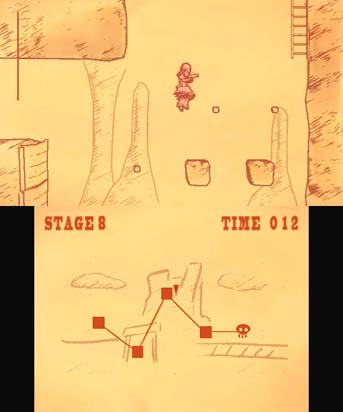
9. Gunman Clive
This indie gem, while small in scope, offered a masterclass in concise platforming design. Its unique, hand-drawn aesthetic, reminiscent of old Western comics, stood out immediately. It delivered tight controls and clever level design, proving that impactful storytelling doesn't always require epic narratives or sprawling worlds. It's a testament to focused execution, offering simple, satisfying fun with distinct personality.
10 / 11
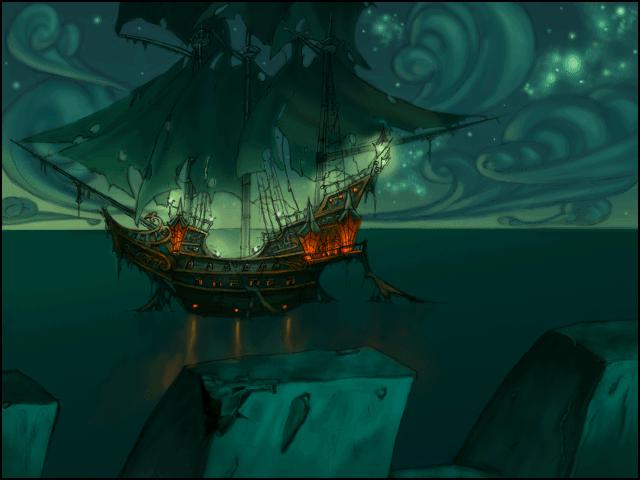
10. The Curse of Monkey Island
The third installment in the legendary point-and-click series, this game perfected its comedic formula. With its vibrant cartoon aesthetic and unparalleled voice acting, it brought the swashbuckling adventures of Guybrush Threepwood to new heights. Its clever puzzles, memorable characters, and laugh-out-loud dialogue represent a pinnacle of the genre, often overlooked in favor of its earlier, pixelated brethren.
11 / 11
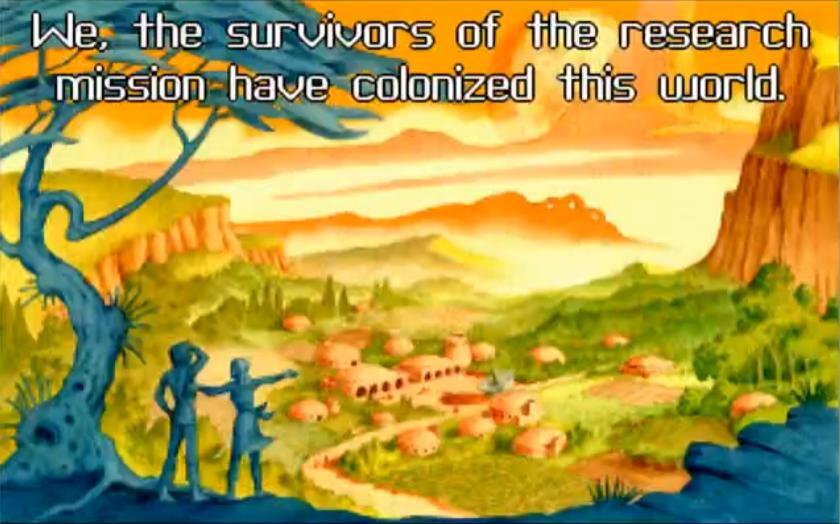
11. Star Control 2
A true pioneer, this 1992 space opera offered an unprecedented blend of exploration, diplomacy, and tactical combat. Players commanded a single ship, traversing a vast galaxy, encountering dozens of unique alien races, each with their own rich lore and motivations. Its open-ended narrative and emergent gameplay defined a generation of space games, laying groundwork for entire genres with its deep, influential universe.