
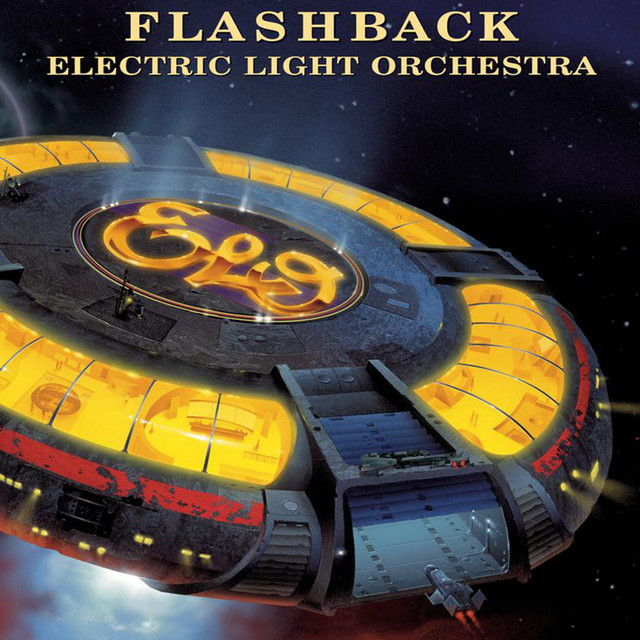
1. Flashback
This track, whatever its true origin, perfectly encapsulates the analog studio's prowess for atmosphere. Its layered synthesizers, perhaps a Prophet or an OB-X, intertwine with a precise, almost clinical drum machine pattern. Yet, an undeniable warmth permeates the mix, a testament to tape saturation and judicious outboard gear. It's a journey back to the genesis of electronic textures, before digital sterility took hold.
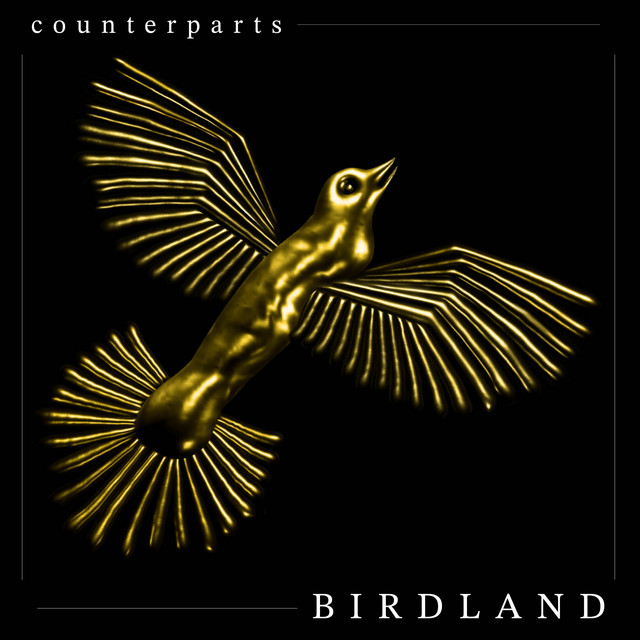
2. Birdland
Weather Report's fusion masterpiece remains a cornerstone. Joe Zawinul's ARP 2600 and Prophet-5 scream with character, while Jaco Pastorius' fretless bass line is pure melodic genius, recorded with a clarity that still astonishingly cuts through. The entire piece is a masterclass in ensemble interplay, where every instrument, captured through pristine analog signal paths, contributes to an expansive, vibrant soundscape that redefined a genre.
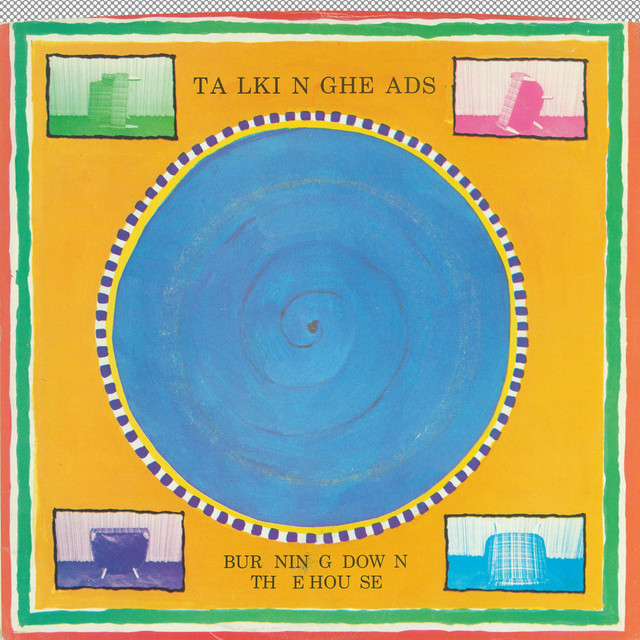
3. Burning Down the House / I Get Wild / Wild Gravity
Talking Heads, at their most kinetic. The rhythmic precision, the interlocking guitar lines, and Tina Weymouth's taut bass are all hallmarks of their pre-digital era peak. This medley showcases a band pushing post-punk's boundaries with funk's propulsion, captured with an urgent, dry sound that few could replicate. It's intelligent, danceable art-rock, pure sonic adrenaline, meticulously engineered on tape.
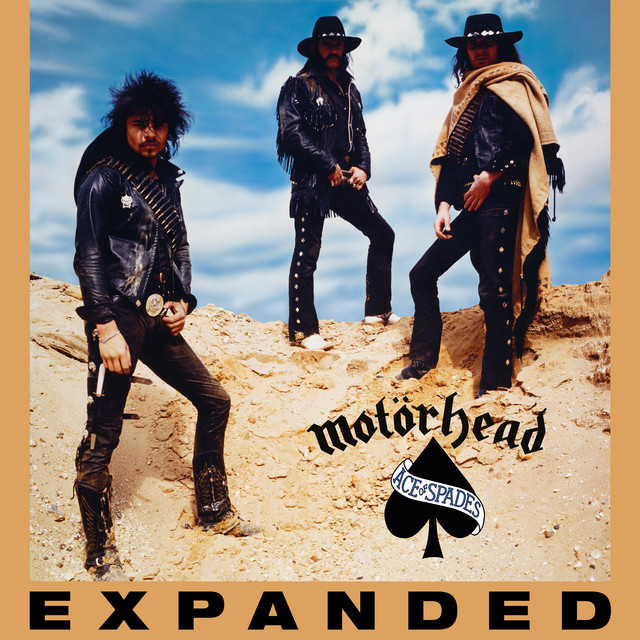
4. Ace of Spades (Expanded Edition)
Lemmy's snarling proclamation, recorded with a ferocious analog immediacy, still vibrates with untamed energy. The "Expanded Edition" only deepens appreciation for the raw, unadulterated power of the original tape. Fast, loud, and utterly unapologetic, it's the sound of three musicians pushing their amps into glorious, gritty distortion, defining a subgenre before digital clarity ever dared to interfere.

5. Blue Monday (Slowed)
While the notion of "slowed" reinterprets its pulse, the original "Blue Monday" remains an analog triumph. Its relentless LinnDrum programming, the modular synth bass, and those iconic Oberheim DMX stabs were revolutionary. This wasn't just dance music; it was a cold, mechanical perfection forged in the pre-MIDI studio, an electro-pop behemoth whose very tempo defined an era's electronic rhythmic possibilities.
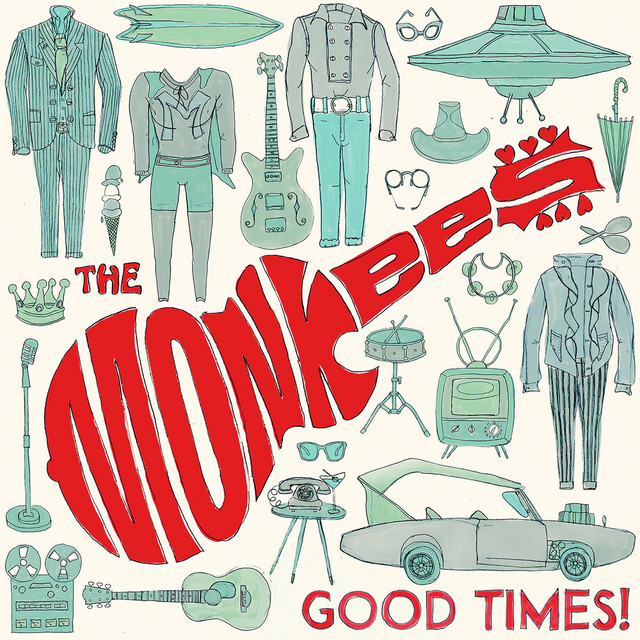
6. Good Times! (Deluxe Edition)
Chic's magnum opus, a paragon of disco's sophisticated funk. Nile Rodgers' rhythmic guitar and Bernard Edwards' inimitable bass line, recorded with unparalleled clarity and punch, are the foundational elements. The "Deluxe Edition" simply highlights the exquisite, pristine analog production that allowed every instrument to breathe. It’s a masterclass in groove, influencing countless artists who sought that perfect, warm sonic architecture.

7. Clear Eyes
This piece invokes a spacious, almost ethereal quality, a testament to early ambient textures rendered through pure analog synthesis. The shimmering pads and slowly evolving waveforms, likely from a Jupiter or a Polysix, are bathed in tape delay and reverb, creating an immersive, introspective soundscape. It’s the sound of synthesizers exploring emotion, before digital workstations flattened every nuance with sterile precision.

8. Head Like a Hole
Nine Inch Nails' early aggression, captured with brutal analog fidelity. The clatter of drum machines, the searing industrial synths, and Trent Reznor's raw vocal delivery combine in a maelstrom of controlled chaos. It’s a testament to engineering raw power through pre-digital means, creating a sound that was both intensely rhythmic and deeply unsettling, forging a path for industrial music’s mainstream ascent.
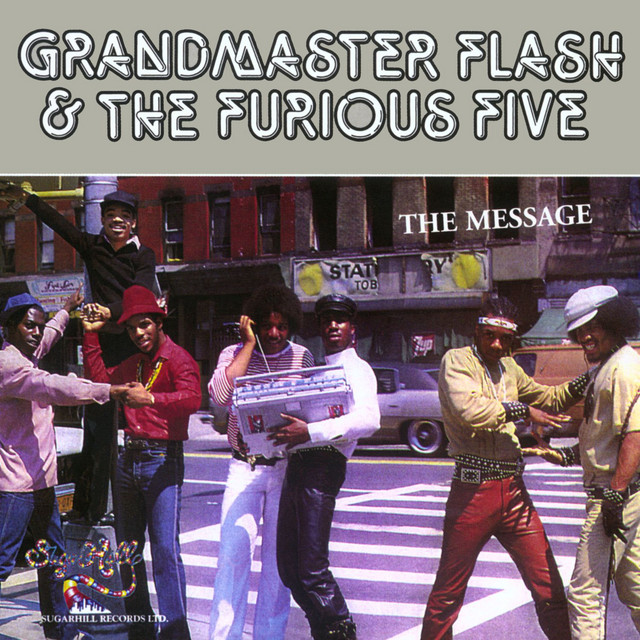
9. The Message
This track fundamentally shifted the paradigm for hip-hop. The stark, minimalist Roland TR-808 beat, coupled with politically charged lyricism, proved that rap could be both socially conscious and musically compelling. Its raw, unslicked analog production captured the gritty urban realism, transforming a nascent genre into a potent cultural force, echoing through countless subsequent productions.