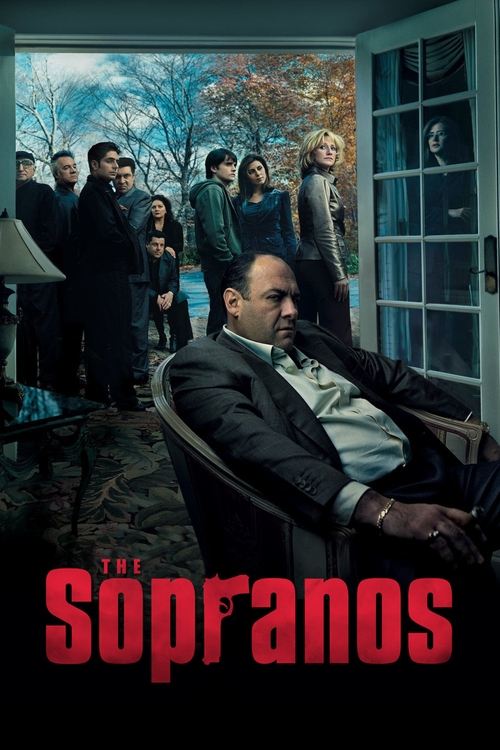
1. The Sopranos
This wasn't just a show; it was a seismic event. HBO proved that television could be as complex, morally ambiguous, and visually cinematic as any feature film. Tony Soprano redefined the anti-hero, dragging us into his suburban anxieties and criminal underworld with unprecedented depth. It demanded attention, making you dissect every therapy session and family meal, kickstarting the prestige era.
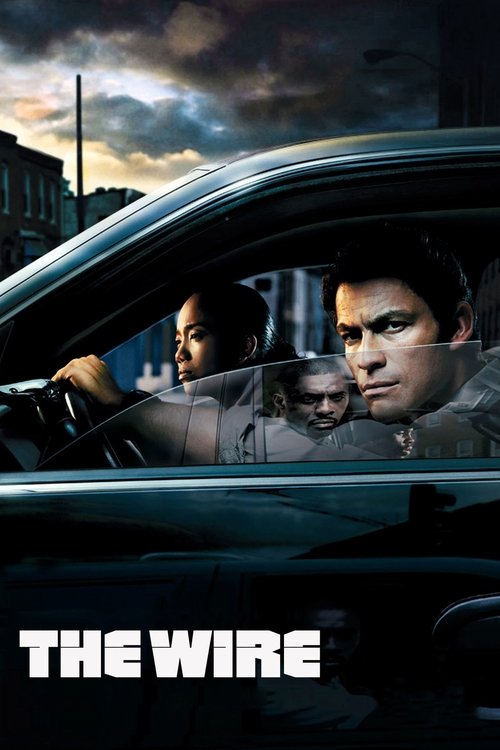
2. The Wire
Forget good vs. evil; this show was about systems. Baltimore's institutions—drugs, police, politics, education—were laid bare with a novelistic scope and an ensemble cast that felt genuinely lived-in. Each season built on the last, crafting a sprawling, serialized narrative that was less about individual heroes and more about the relentless, grinding gears of society. Pure ambition.
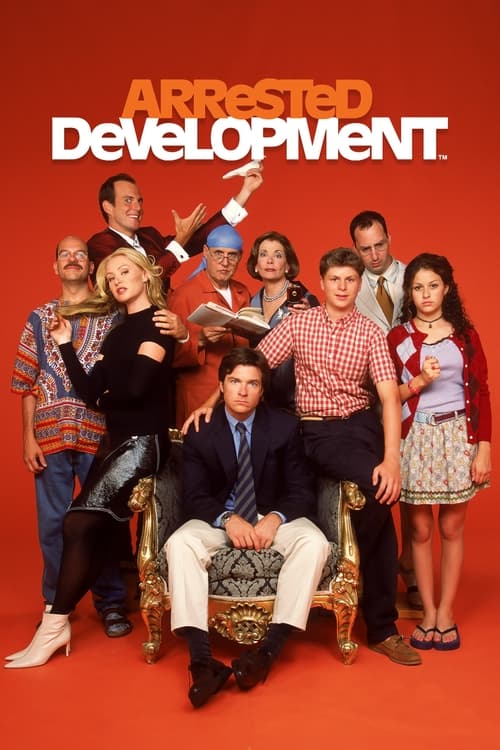
3. Arrested Development
This was a comedy built for the internet age before the internet really knew it. Its rapid-fire gags, deep-cut callbacks, and layered meta-humor rewarded repeat viewings like nothing else. The mockumentary style felt fresh, not just a gimmick, letting us into the absurd, dysfunctional Bluth family with a knowing wink. Ahead of its time, for sure.
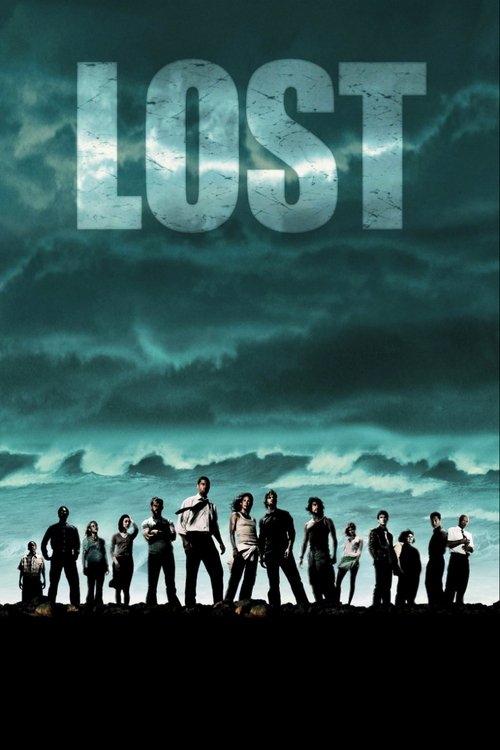
4. Lost
Airing it live felt like a weekly cultural event, but it also laid the groundwork for binge-watching. That serialized mystery, the sprawling ensemble cast, and those "what the hell just happened?" cliffhangers were addictive. It blurred the lines between network TV and cinematic ambition, proving that complex mythology could captivate millions and spawn endless fan theories.

5. Six Feet Under
Before it was cool to talk about death, this show confronted mortality head-on with a darkly comedic, intensely human touch. The Fisher family, running a funeral home, became our guides through grief, love, and existential dread. HBO’s cable freedom allowed for raw, emotional storytelling and character development that was simply unparalleled on broadcast.
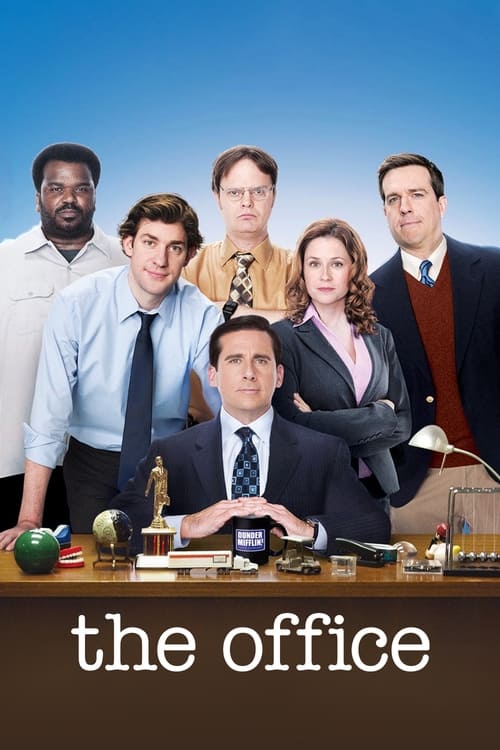
6. The Office
The American adaptation took the mockumentary format and perfected it for a mainstream audience. Its cringe-worthy humor, heart, and ensemble chemistry made Dunder Mifflin feel like a second home. The serialized will-they-won't-they and the slow-burn character arcs kept you coming back, anticipating the next awkward moment or genuinely sweet interaction.