
1 / 8
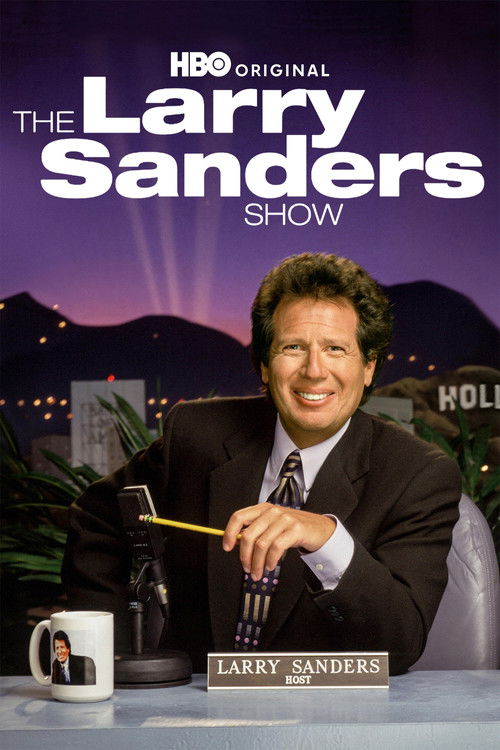
1. The Larry Sanders Show
Before every comedy thought it was clever, Larry Sanders showed how the sausage was really made, blurring lines between fiction and reality. It invented the cringe comedy, the uncomfortable silence. Garry Shandling and his ensemble cast nailed the absurdity and backstabbing of show business, proving that TV could be smart, funny, and deeply cynical all at once. This wasn't just a sitcom; it was a blueprint for meta-narrative and ensemble-driven character work that'd dominate for decades.
2 / 8
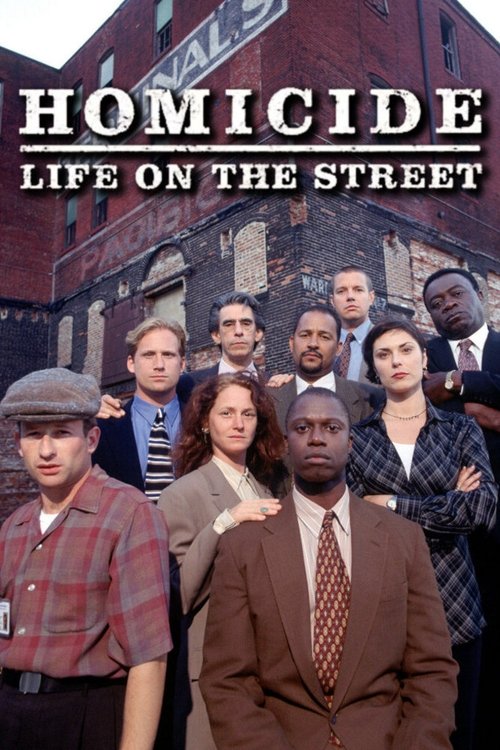
2. Homicide: Life on the Street
This show was a gut punch. Filmed like a documentary, with jump cuts and handheld cameras before it was cool, Homicide brought a raw, almost cinematic realism to network TV. It wasn't about solving the case neatly; it was about the grind, the moral ambiguity, the toll on the detectives. Barry Levinson and Tom Fontana showed that network dramas could be serialized, deeply character-driven, and unflinchingly dark, laying groundwork for the prestige crime dramas that followed.
3 / 8
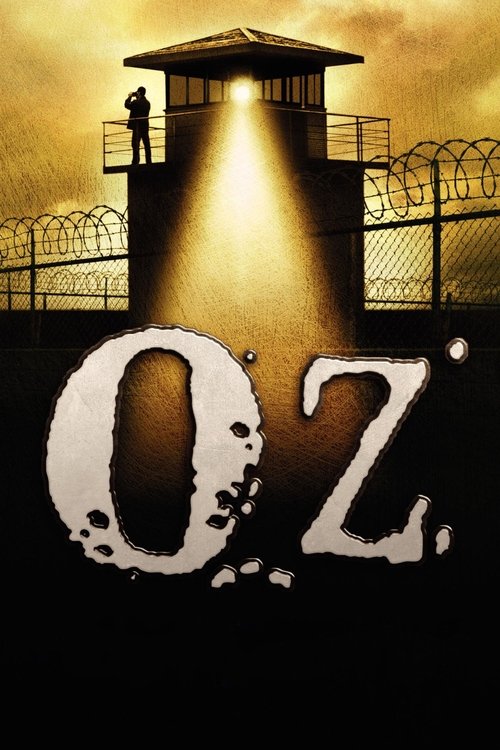
3. Oz
HBO wasn't messing around when Oz hit. This was a brutal, uncompromising dive into a maximum-security prison, proving cable could go places network TV wouldn't dare. It was serialized, every character's arc a twisted journey, and the ensemble cast was just incredible. Oz showed that television could be genuinely shocking, provocative, and mature, pushing boundaries not just with violence, but with complex moral dilemmas and long-form storytelling. It kicked open the door for prestige cable dramas.
4 / 8
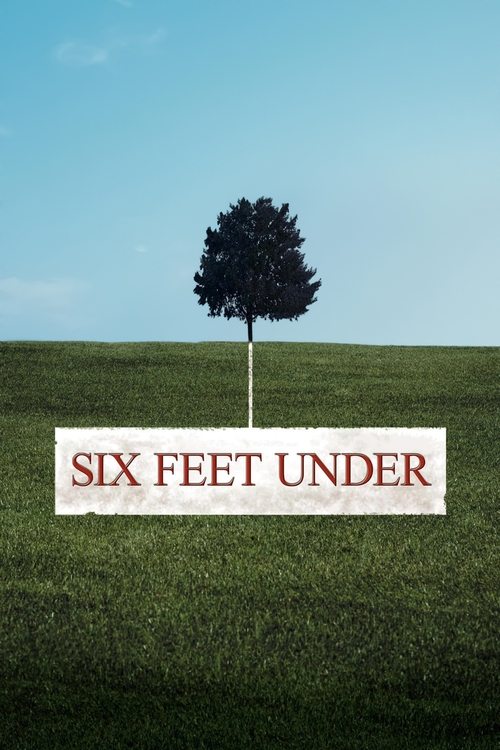
4. Six Feet Under
Alan Ball took the family drama and buried it, then dug it up with a twisted smile. Focusing on a family running a funeral home, Six Feet Under explored death, grief, and dysfunction with a level of intimacy and dark humor unheard of. It was deeply serialized, each character evolving in messy, heartbreaking ways. This show cemented HBO's reputation for character-driven, emotionally complex storytelling, proving that TV could tackle profound existential questions without flinching.
5 / 8
5. The Shield
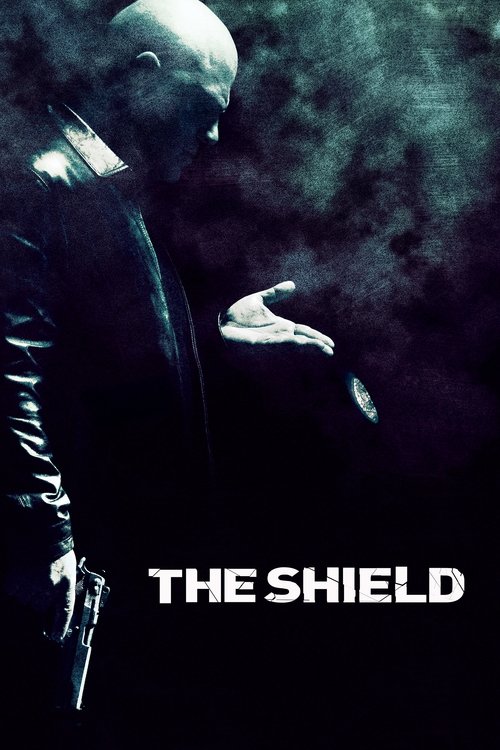
FX came out swinging with The Shield, giving us Vic Mackey, a character so morally compromised he redefined the anti-hero for television. This was intense, serialized storytelling, with season-long arcs that constantly raised the stakes. It showed that basic cable could deliver cinematic quality and mature themes, pushing the envelope on violence and ethical dilemmas. The Shield proved you didn't need HBO to tell a deeply unsettling, character-driven story that kept you glued to the screen.
6 / 8
6. Arrested Development
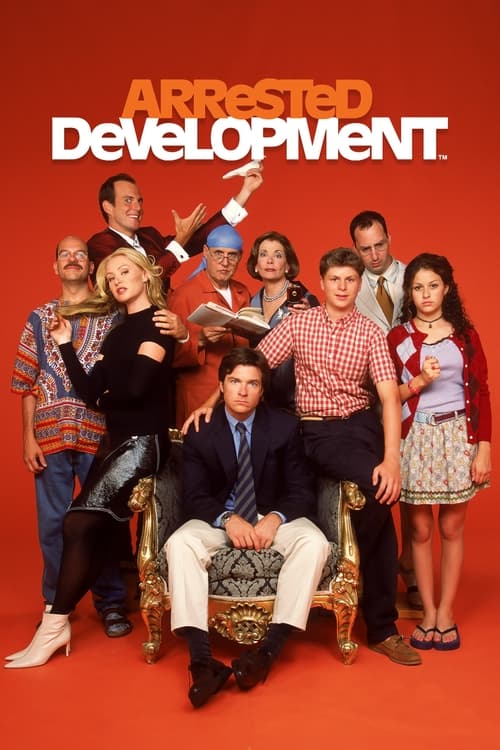
This show was a comedic masterclass, a fast-paced, densely layered mockumentary that rewarded rewatching like nothing before it. The ensemble cast was perfect, and the running gags, callbacks, and meta-commentary were revolutionary. It wasn't just funny; it was smart, demanding attention. Arrested Development proved that network comedy could be serialized, complex, and wildly innovative, setting a new bar for sophisticated humor and foreshadowing the binge-watching culture that would soon emerge.
7 / 8
7. Deadwood
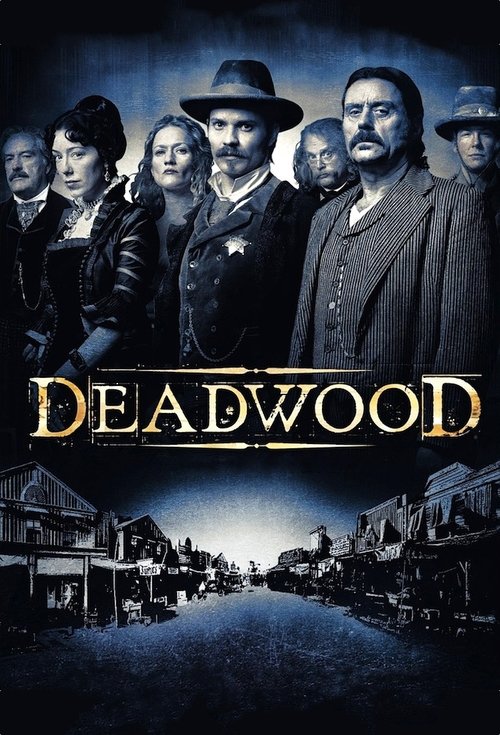
Deadwood was like nothing else. David Milch created a foul-mouthed, utterly engrossing historical drama that felt more like a sprawling novel than a TV show. The dialogue was Shakespearean in its profanity and poetry, the characters complex and unforgettable. It was serialized, cinematic, and unflinching in its portrayal of a brutal, nascent society. Deadwood proved that TV could be as artistically ambitious and linguistically rich as any prestige film, cementing cable's creative freedom.
8 / 8
8. Battlestar Galactica
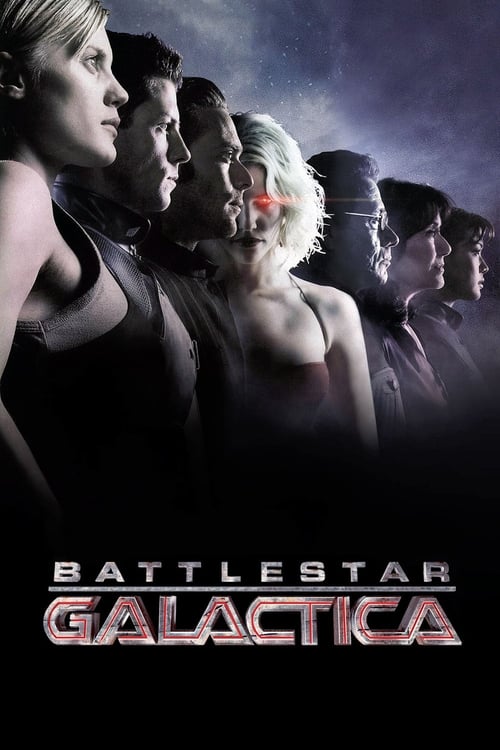
Who knew a reboot of a cheesy 70s show could become one of TV's smartest dramas? Battlestar Galactica transcended its genre, tackling complex themes of war, religion, politics, and humanity with incredible depth. Its serialized narrative, morally gray characters, and cinematic scope were groundbreaking for sci-fi, and TV in general. It proved that genre television could deliver prestige storytelling, demanding that viewers pay attention to its intricate plots and profound philosophical questions.