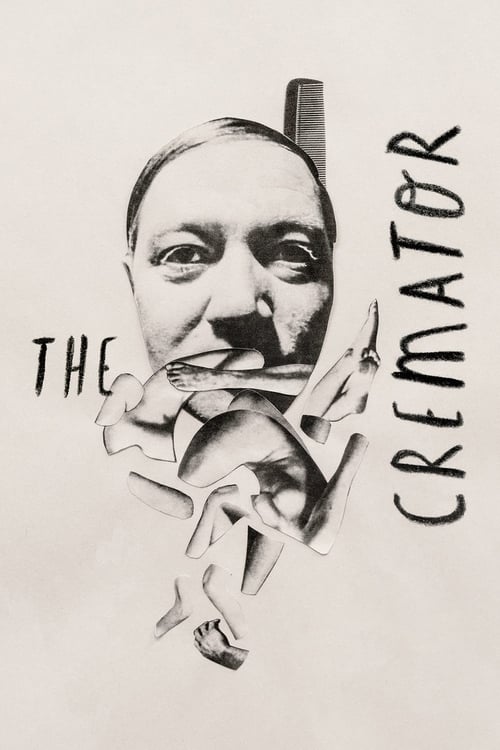
1. The Cremator
This Czech New Wave gem is a masterclass in psychological horror, but not in the jump-scare way. Karel Kopfrkingl’s descent into fascism, fueled by his warped philosophy on death and purification, is genuinely chilling. The film’s unsettling humor and surreal visuals create an atmosphere that’s both darkly comedic and deeply disturbing. It’s a stark, often forgotten, reminder of how easily evil can be rationalized, especially when power beckons. A true, Cursed classic.
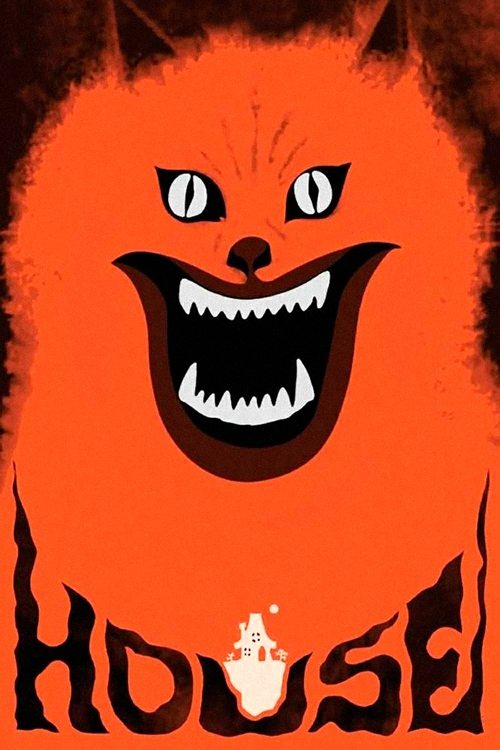
2. House
Imagine if a child's fever dream was meticulously animated by a mad genius, and you get *House*. This Japanese experimental horror-comedy defies categorization, throwing haunted pianos, man-eating clocks, and a cat with glowing eyes at you with gleeful abandon. It’s a psychedelic, nonsensical journey that’s more about the experience than a coherent plot. Seriously, if you haven't seen it, prepare for an absolute, glorious assault on your senses. Pure, unadulterated, whimsical chaos.
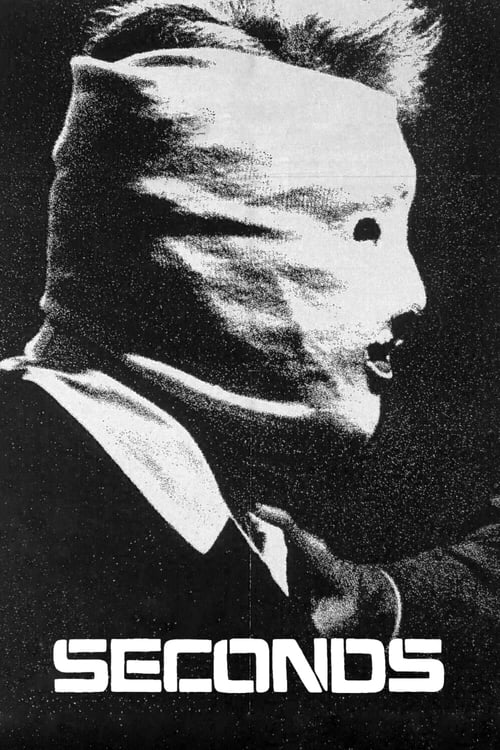
3. Seconds
John Frankenheimer’s paranoid thriller is a chilling look at identity and the desperate desire for a fresh start. Rock Hudson plays a man who fakes his death to undergo radical plastic surgery and begin anew, only to find his new life eerily hollow and controlled. The film's stark black and white cinematography and disorienting camera work amplify the sense of unease and existential dread. It’s a prescient commentary on consumerism and the illusion of choice, leaving you questioning what truly defines "you."
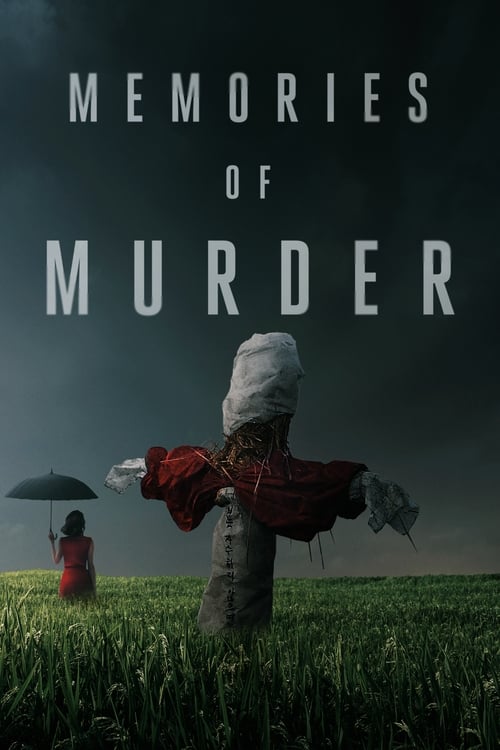
4. Memories of Murder
Before *Parasite*, Bong Joon-ho delivered this atmospheric, gut-wrenching procedural based on South Korea's first serial killer case. It’s less about solving the mystery and more about the futility and frustration of the investigation itself, set against the backdrop of a changing nation. The film masterfully blends dark humor with profound tragedy, leaving you with an unsettling sense of unresolved injustice. Its ending shot is legendary, cementing its place as a truly unforgettable crime drama.
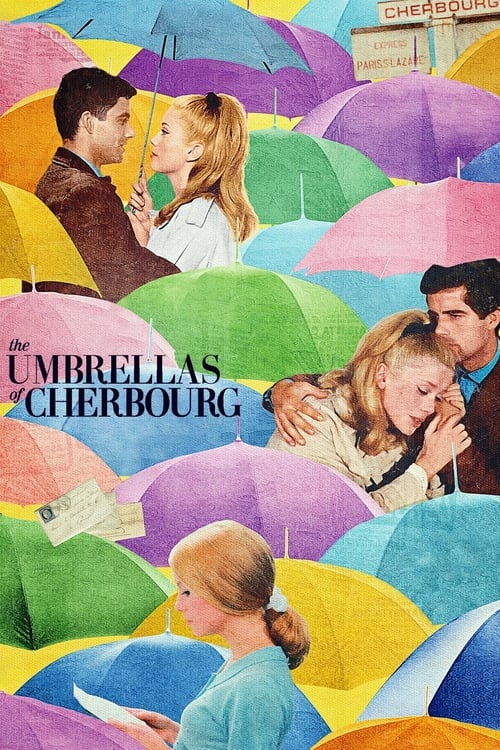
5. The Umbrellas of Cherbourg
This isn't just a musical; it's a completely sung-through, vibrant, and utterly melancholic experience. Catherine Deneuve and Nino Castelnuovo star in this Jacques Demy masterpiece, telling a bittersweet story of young love, separation, and the compromises of adulthood. Every line is sung, every frame is bursting with color, yet it retains a profound emotional authenticity. It’s a testament to how bold artistic choices can create something breathtakingly beautiful and deeply resonant.
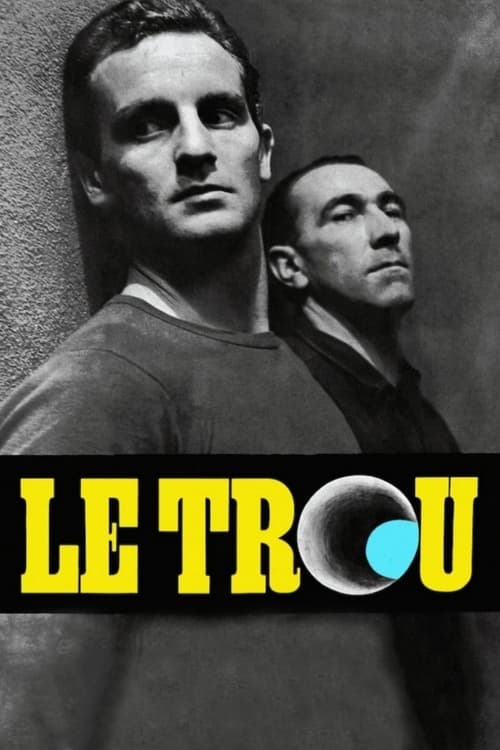
6. Le Trou
Jacques Becker’s *Le Trou* is prison break cinema stripped to its bare, gritty essentials. There's no dramatic score, no flashy heroics, just the painstaking, methodical process of five inmates attempting an escape. The film dedicates excruciating detail to every chisel, every sound, every moment of suspense. It's an exercise in pure tension and realism, showcasing the incredible resourcefulness and desperate hope of men pushed to their limits. A masterclass in minimalist storytelling.
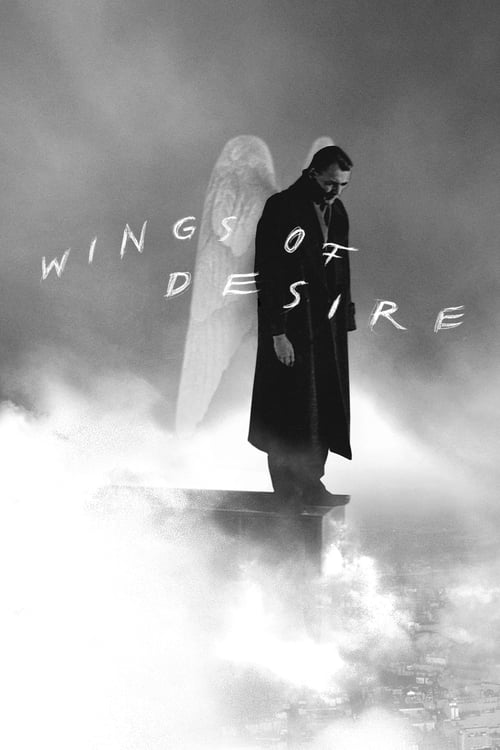
7. Wings of Desire
Wim Wenders' poetic masterpiece lets us glimpse Berlin through the eyes of angels – invisible beings who observe humanity with profound empathy, unable to intervene. When one angel yearns for mortal experience, the film blossoms into a meditation on connection, joy, and the beauty of mundane existence. Its stunning black and white gives way to color, marking a shift from ethereal observation to earthly sensation. It’s a dreamlike, philosophical journey that lingers long after viewing.

8. Killer of Sheep
Charles Burnett’s independent film is a raw, unflinching portrait of daily life for a working-class Black family in Watts, Los Angeles. There’s no grand narrative, just a series of vignettes capturing the exhaustion, small joys, and quiet desperation of its protagonist, Stan, who works in a slaughterhouse. Shot on a shoestring budget, it’s a vital piece of American cinema, offering a deeply humanistic and authentic glimpse into lives rarely seen on screen. A poignant, understated classic.