
1 / 8
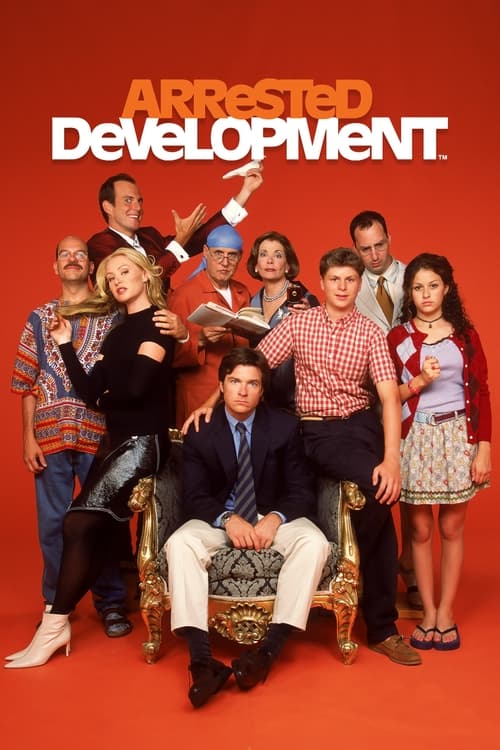
1. Arrested Development
Look, this wasn't your laugh-track sitcom. *Arrested Development* came in hot with a mockumentary style that demanded attention, rewarding rewatches before "binge-watching" was even a term. Its layered jokes, running gags, and deeply flawed ensemble cast felt like a novel playing out over 22-minute chunks. It proved network TV could be as smart and serialized as anything on cable, even if it took a while for everyone to catch on. A true comedy masterclass.
2 / 8
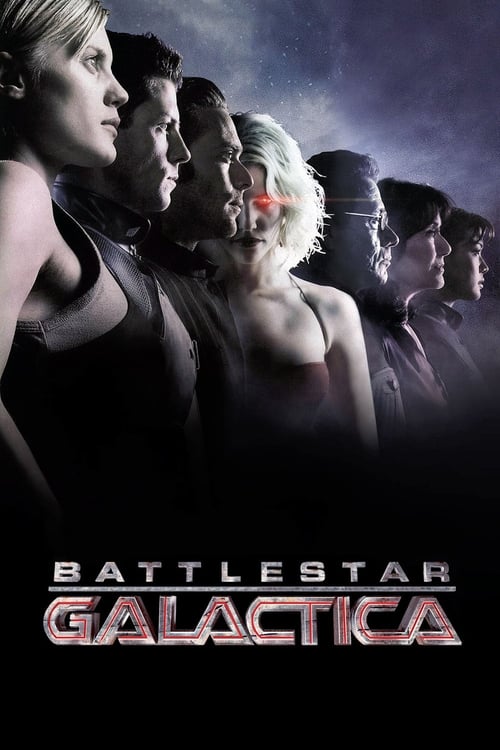
2. Battlestar Galactica
Forget what you thought about sci-fi. The 2004 *Battlestar Galactica* reboot wasn't just spaceships; it was a gritty, morally complex serialized drama that tackled war, religion, and humanity's survival with unflinching honesty. Syfy, then Sci-Fi Channel, greenlit something truly cinematic, making you question allegiances and human nature. It redefined what a genre show could achieve, pushing boundaries in storytelling and character depth in a way few others dared.
3 / 8
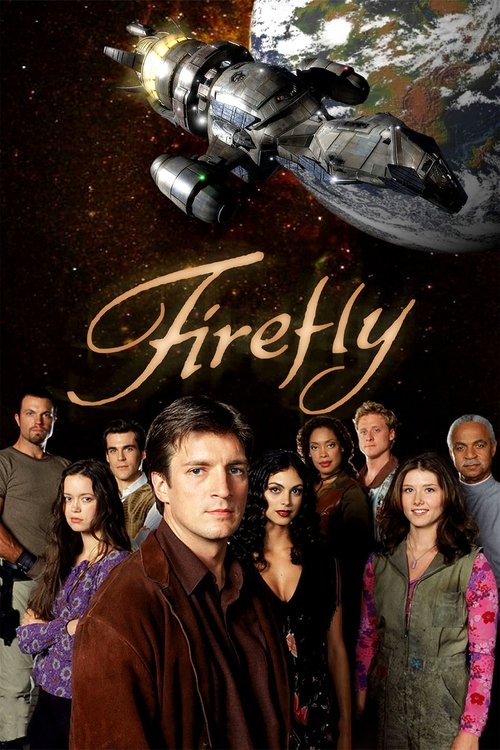
3. Firefly
Joss Whedon’s *Firefly* was a space western that felt both fresh and familiar. Its ensemble crew, led by Mal Reynolds, navigated a 'verse that was grimy, lived-in, and utterly captivating. The cinematic scope and serialized storytelling were ahead of their time for network TV, hinting at a larger narrative that viewers craved. It got the axe too soon, but its devoted fanbase and enduring legacy proved that quality television finds its audience, eventually.
4 / 8
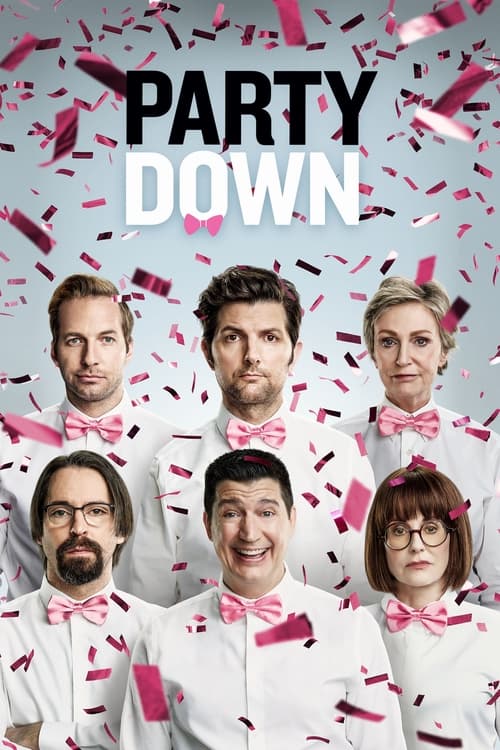
4. Party Down
*Party Down* took the mockumentary format and injected a dose of existential dread into the world of catering. Its ensemble cast of struggling Hollywood dreamers delivered sharp, often painful, comedy with a surprising amount of heart. Starz, a smaller cable player, gave it the space to be smart, cynical, and deeply human without compromise. It was a show for people who appreciated the awkward, unvarnished truth of ambition and failure.
5 / 8
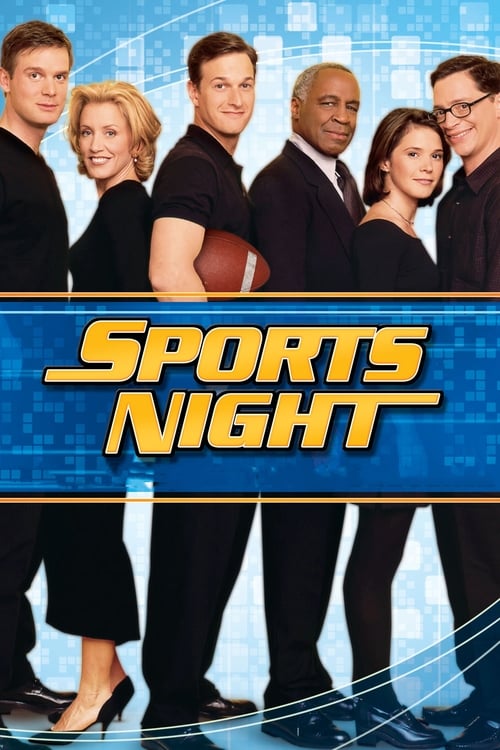
5. Sports Night
Before *The West Wing*, Aaron Sorkin gave us *Sports Night*. This was network TV doing smart, fast-paced dialogue and serialized character arcs in a half-hour format. It blurred lines between comedy and drama, proving a sitcom could have real emotional stakes and complex relationships. Its backstage look at a sports news show felt immediate and intimate, a precursor to the prestige dramas that would dominate the next decade.
6 / 8
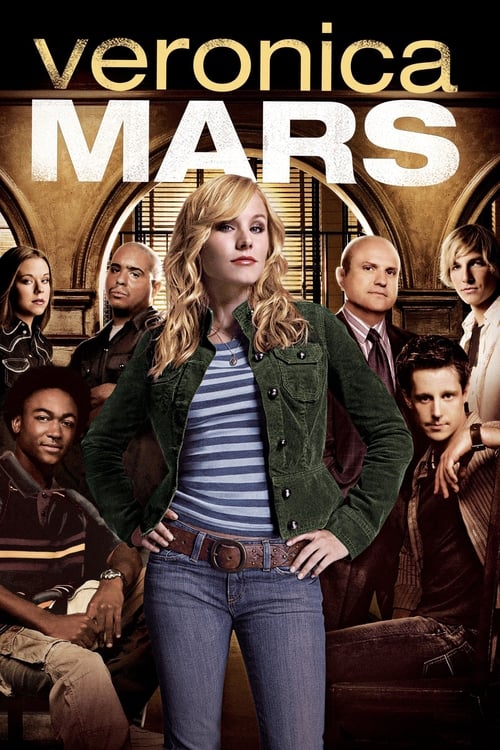
6. Veronica Mars
*Veronica Mars* wasn't just a teen detective show; it was a noir mystery wrapped in a coming-of-age drama, proving UPN could deliver serialized prestige. Kristen Bell’s sardonic narration and the show's dark, cinematic look elevated it beyond typical high school fare. It tackled heavy themes and maintained an overarching mystery that demanded you watch every episode, laying groundwork for the kind of smart, genre-bending storytelling that became cable’s hallmark.
7 / 8
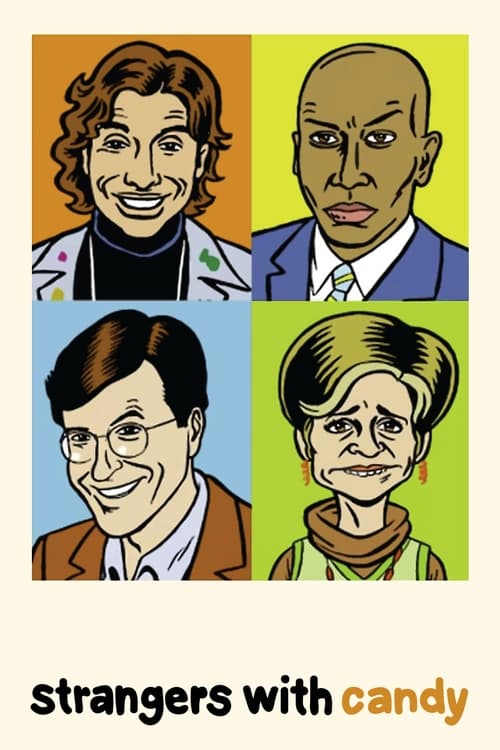
7. Strangers with Candy
Comedy Central went bold with *Strangers with Candy*. Amy Sedaris as Jerri Blank, a 46-year-old high school freshman ex-junkie, was pure, unadulterated absurdity. It was dark, surreal, and completely unapologetic, pushing the boundaries of taste and conventional humor. This wasn't background noise; it was confrontational, a cult classic that showed what cable could do when it let unique, singular voices run wild without network interference.
8 / 8
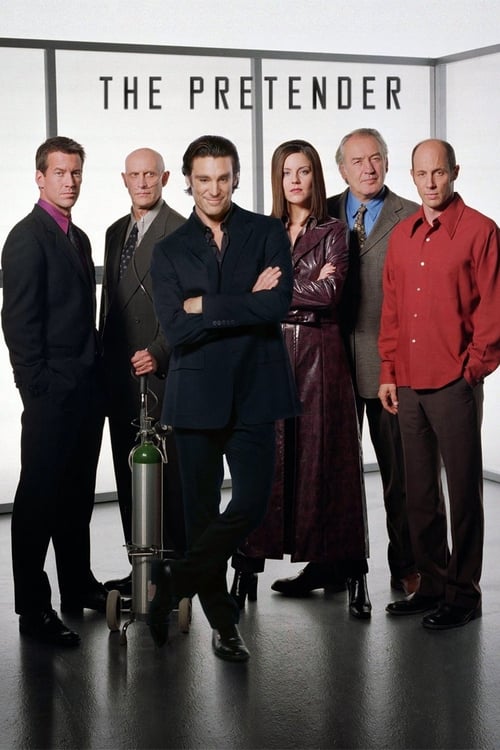
8. The Pretender
*The Pretender* was a quiet trailblazer on NBC. It presented as a procedural, with Jarod solving a new mystery each week, but its overarching serialized narrative about his escape from The Centre and search for his past was the real hook. It balanced standalone episodes with a compelling mythology, a blend that would become crucial for later serialized hits. It kept viewers coming back, demonstrating the power of a long-form mystery before it was commonplace.