

1 / 8
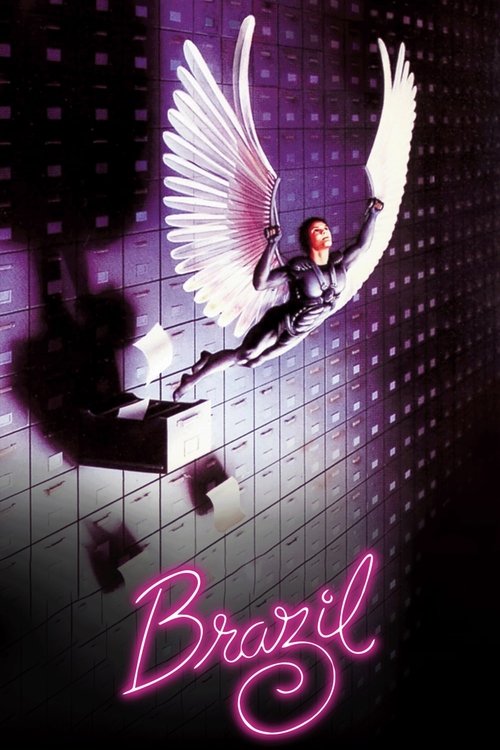
1. Brazil
This film is a masterclass in bureaucratic absurdity and dystopian futures, even if it's set in a retro-futuristic world. It's a huge inspiration for how AI could craft narratives that feel both familiar and utterly alien, twisting mundane reality into something nightmarish. The way its characters navigate a system designed to crush individuality offers so much for virtual experiences, creating worlds where choice feels present but is subtly controlled. And honestly, the visual storytelling is just *chef's kiss* for future VR environments.
2 / 8
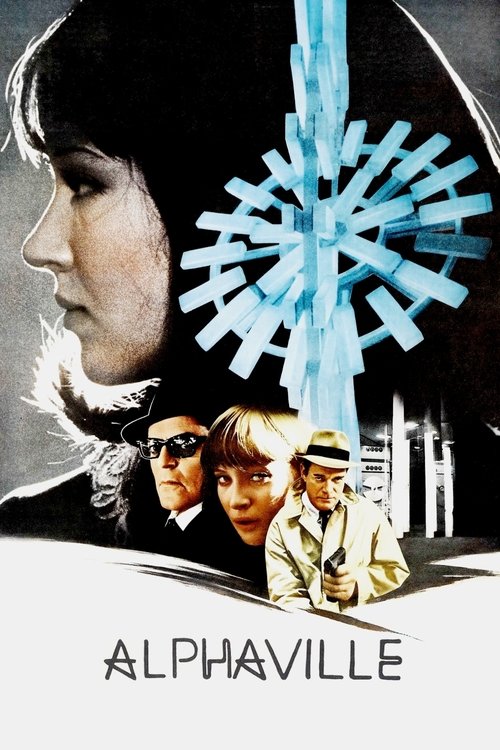
2. Alphaville
So, this one is pure cool, right? It shows a city ruled by a supercomputer, Alpha 60, that's outlawed emotion. It's shot like a film noir, but it's totally sci-fi, proving you don't need fancy effects to build a compelling futuristic world. For AI-driven narratives, it's a blueprint for exploring logic versus feeling, and how even simple, stark visuals can create an immersive, thought-provoking VR space. It's about ideas, and that's always powerful.
3 / 8

3. The Man Who Fell to Earth
David Bowie as an alien trying to save his planet? Yes, please. This film is visually stunning, and its fragmented, dreamlike storytelling is perfect inspiration for non-linear VR experiences. It explores themes of alienation and humanity's impact on outsiders, which AI could absolutely weave into personalized narratives. Think about AI creating a world where your choices subtly alter the protagonist's perception of humanity. And visually, it's just so iconic and *different*.
4 / 8
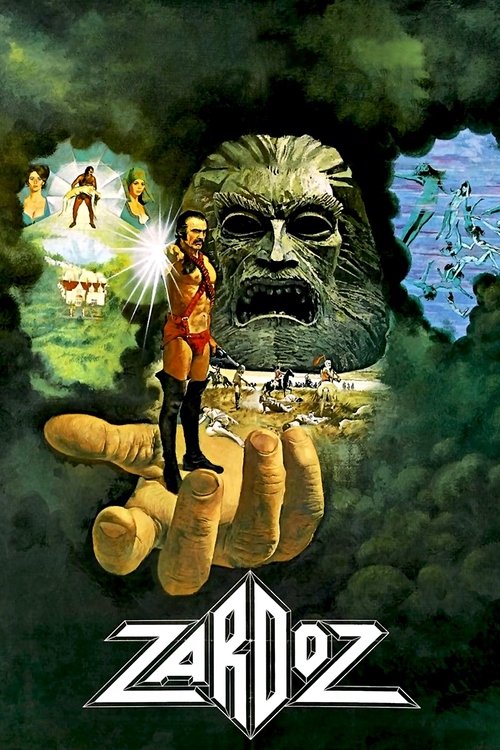
4. Zardoz
Okay, so this one is wild, and that's exactly why it's great for AI and VR. It's visually audacious, often bizarre, and totally unafraid to push boundaries. The ideas about societal stratification, immortality, and the nature of belief are super complex. AI could learn from its courage to be weird, crafting narratives that defy expectation. For VR, imagining a world as unhinged yet thematically rich as Zardoz is exciting, really pushing the limits of what a virtual space can feel like.
5 / 8

5. Ghost in the Shell
The original anime film is legendary for a reason. It asks huge questions about identity in a world where bodies are interchangeable and minds can be uploaded. This is prime territory for AI-driven storytelling, letting players literally explore what it means to be human in a virtual, augmented reality. The cyber-noir aesthetic and philosophical depth provide an amazing blueprint for VR worlds that aren't just cool to look at, but genuinely make you think about your place in them.
6 / 8
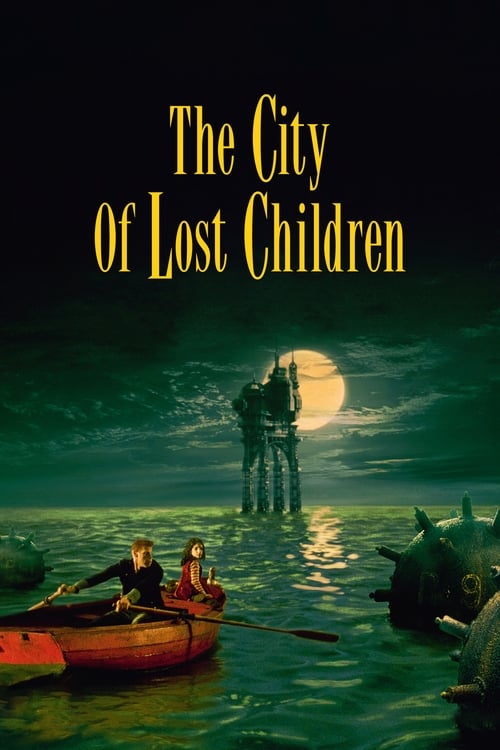
6. The City of Lost Children
This film is a visually extravagant, steampunk-infused fairy tale, but a dark one. Its intricate set design and quirky characters scream VR potential. Imagine stepping into this world, where every detail tells a story. For AI, it teaches how to create narratives filled with wonder and menace, where the environment itself is a character. It's about atmosphere and how unique, handcrafted worlds can feel incredibly real, even when they’re totally fantastical.
7 / 8
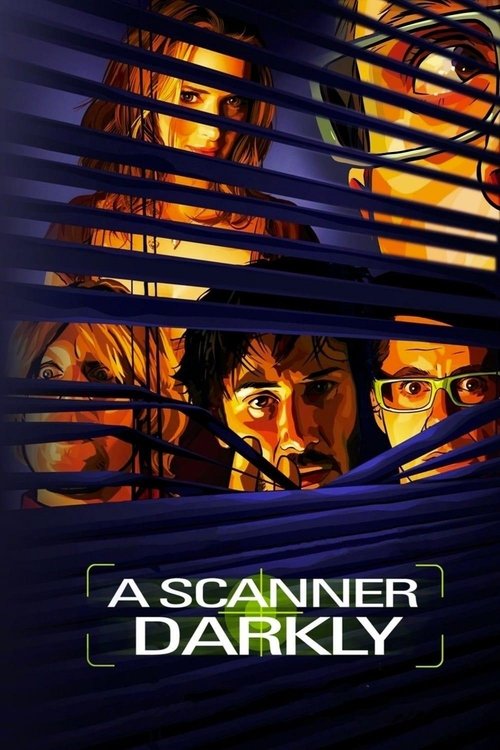
7. A Scanner Darkly
The rotoscoping animation here is not just a style; it perfectly captures the film's themes of paranoia, surveillance, and altered perception. This technique is a roadmap for how VR can distort reality, making the audience question what's real within a narrative. And the story, about identity erosion due to a mind-altering drug, is incredibly rich for AI to explore personalized psychological journeys. It's all about subjective experience, and that's VR's sweet spot.
8 / 8
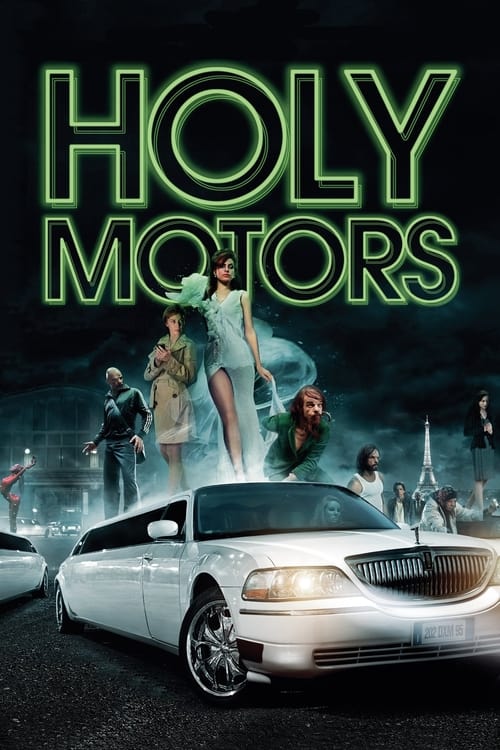
8. Holy Motors
This film is a performance art piece, a series of vignettes tied together by one man living multiple lives. It's a masterclass in narrative fragmentation and emotional range. AI could use this structure to generate endless, interconnected character studies within a virtual world. Imagine an AI director creating unique "appointments" for you to observe or participate in, each a tiny, self-contained story. It's about the art of performance and the magic of transformation, pure gold for future immersive experiences.