

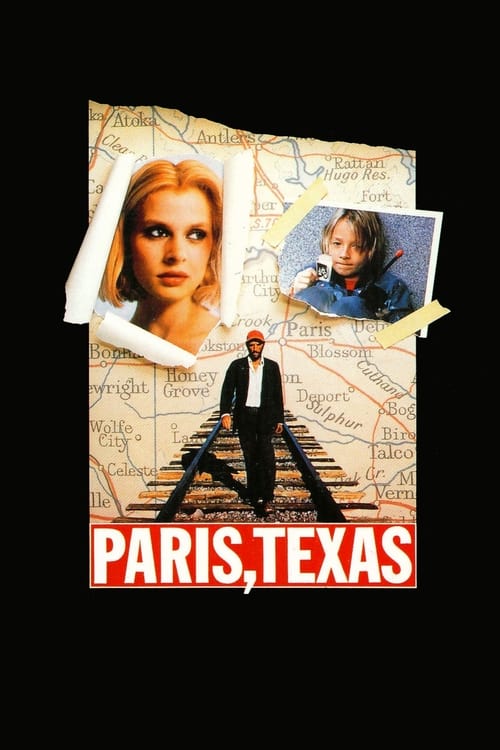
1. Paris, Texas
Wim Wenders’ 1984 masterpiece is a cinematic road poem, painting the American landscape with melancholic grace. Travis Henderson's silent, existential wander through the desert, framed by Robby Müller’s evocative cinematography and Ry Cooder’s haunting score, unravels a profound narrative of loss, memory, and the yearning for connection. It’s a film that speaks in glances and vast open spaces, exploring the fractured American dream and the elusive nature of redemption, solidifying its place as an indelible work of auteur cinema.
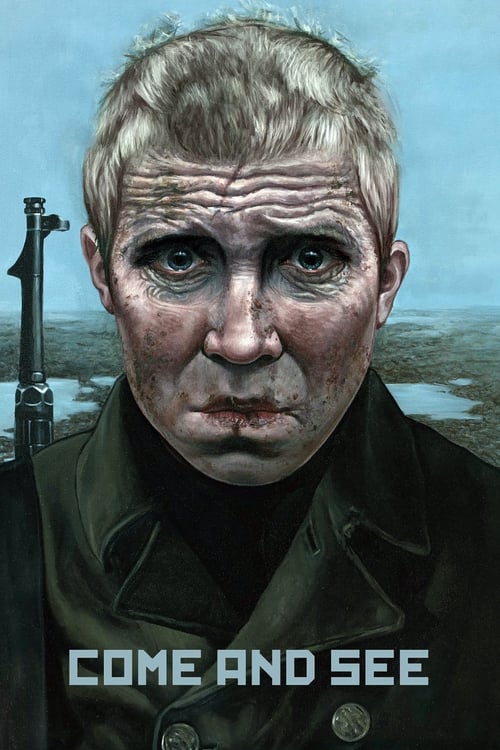
2. Come and See
Elem Klimov’s harrowing 1985 war film plunges viewers into the nightmarish reality of WWII’s Eastern Front through the eyes of a Belarusian boy. Avoiding traditional heroism, it depicts the psychological and physical devastation of conflict with unflinching, almost surreal, realism. The film's relentless intensity, amplified by its disorienting sound design and Flyora's rapidly aging face, ensures its place not merely as an anti-war statement, but as an experience that scars the psyche, challenging the very notion of human resilience.
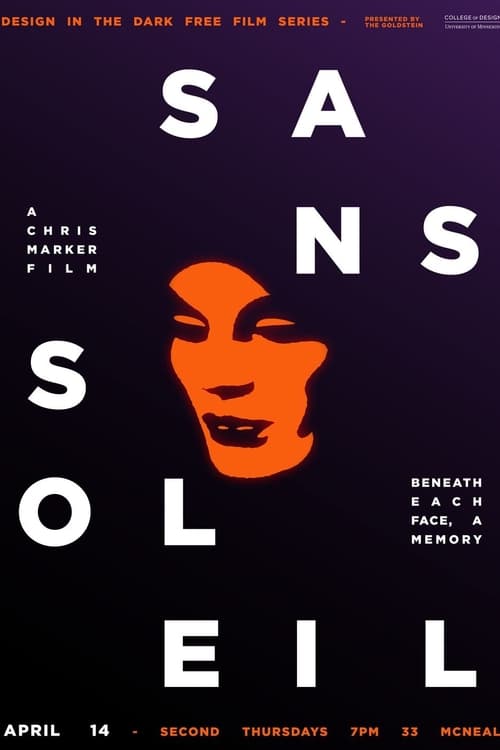
3. Sans Soleil
Chris Marker's 1983 "commentary on memories" transcends conventional documentary, an essay film weaving together disparate images from around the globe with philosophical narration. It's a meditation on time, memory, the nature of image-making, and cultural difference, often feeling like a letter from the future to the past. Marker plays with perception and truth, crafting a work that is less about what it shows and more about how we perceive, remember, and construct meaning from a fractured world. An intellectual, deeply personal journey.
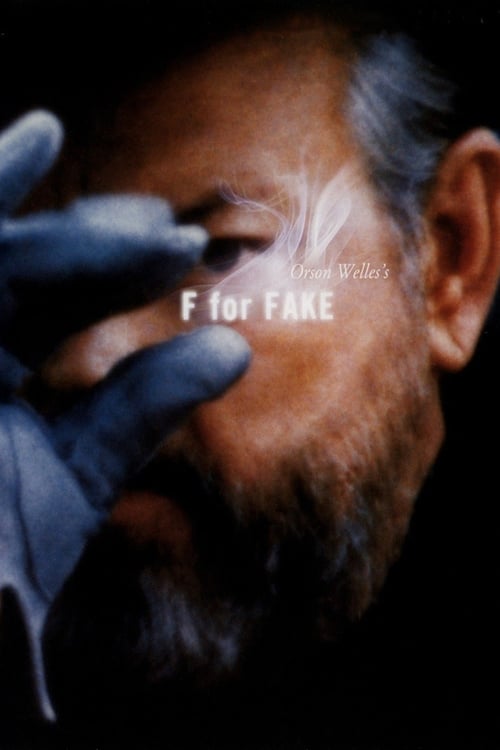
4. F for Fake
Orson Welles's 1973 film, a playful and profound meditation on art, forgery, and the very act of storytelling, remains a singular cinematic achievement. Blurring the lines between documentary and fiction, Welles, the ultimate showman, weaves together the tales of art forger Elmyr de Hory and biographer Clifford Irving. It's a dazzling, self-reflexive commentary on authenticity and authorship, revealing cinema itself as a grand illusion, a testament to Welles’ enduring genius for narrative subversion.

5. Possession
Andrzej Żuławski's 1981 psychological horror film is a visceral, operatic exploration of a marriage's violent dissolution, set against a desolate Cold War Berlin. Isabelle Adjani delivers an electrifying, almost demonic performance as Anna, whose increasingly bizarre behavior hints at something monstrous beneath the surface of infidelity. The film’s raw, almost unhinged energy, coupled with its allegorical depth about societal and personal collapse, makes for an utterly unique, disturbing, and unforgettable cinematic ordeal.
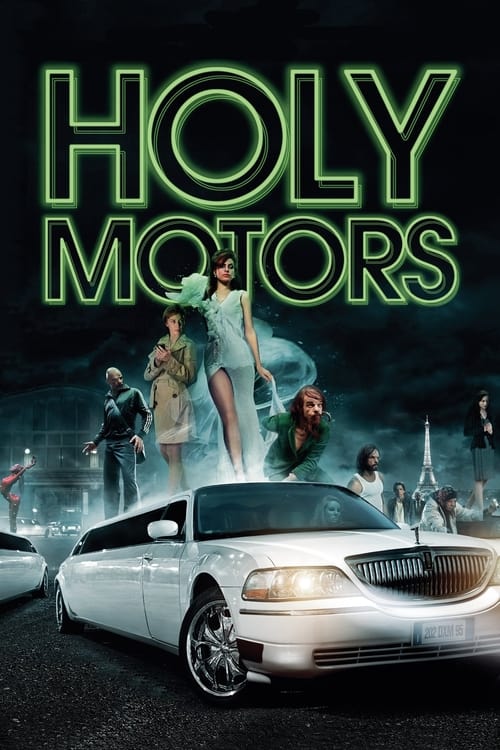
6. Holy Motors
Leos Carax's 2012 surreal masterpiece is a love letter to cinema and a profound exploration of identity in the modern age. Denis Lavant embodies Monsieur Oscar, a man who travels in a limousine, inhabiting various bizarre roles throughout Paris, each a performance for an unseen audience. It's an episodic, dreamlike journey that questions authenticity, the nature of performance, and the soul of storytelling, culminating in a poignant, enigmatic tribute to the magic and melancholia of film itself.
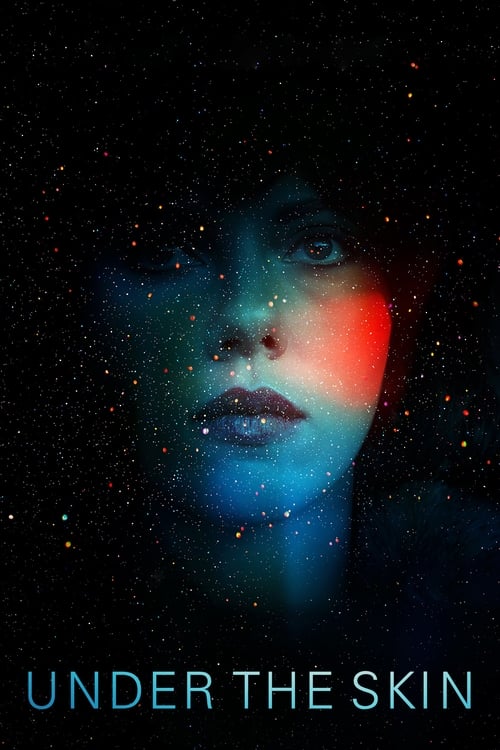
7. Under the Skin
Jonathan Glazer's 2014 sci-fi horror film is a minimalist, unsettling masterpiece. Scarlett Johansson plays an alien predator, luring men in Scotland, her detached perspective offering a chilling, almost anthropological study of humanity. The film’s sparse dialogue, hypnotic visuals, and Mica Levi’s eerie score create an overwhelming sense of dread and otherworldliness. It challenges viewers to confront our own perceptions of beauty, vulnerability, and the terrifying unknown, leaving an indelible, deeply disquieting impression.