
1. S.T.A.L.K.E.R.: Shadow of Chernobyl
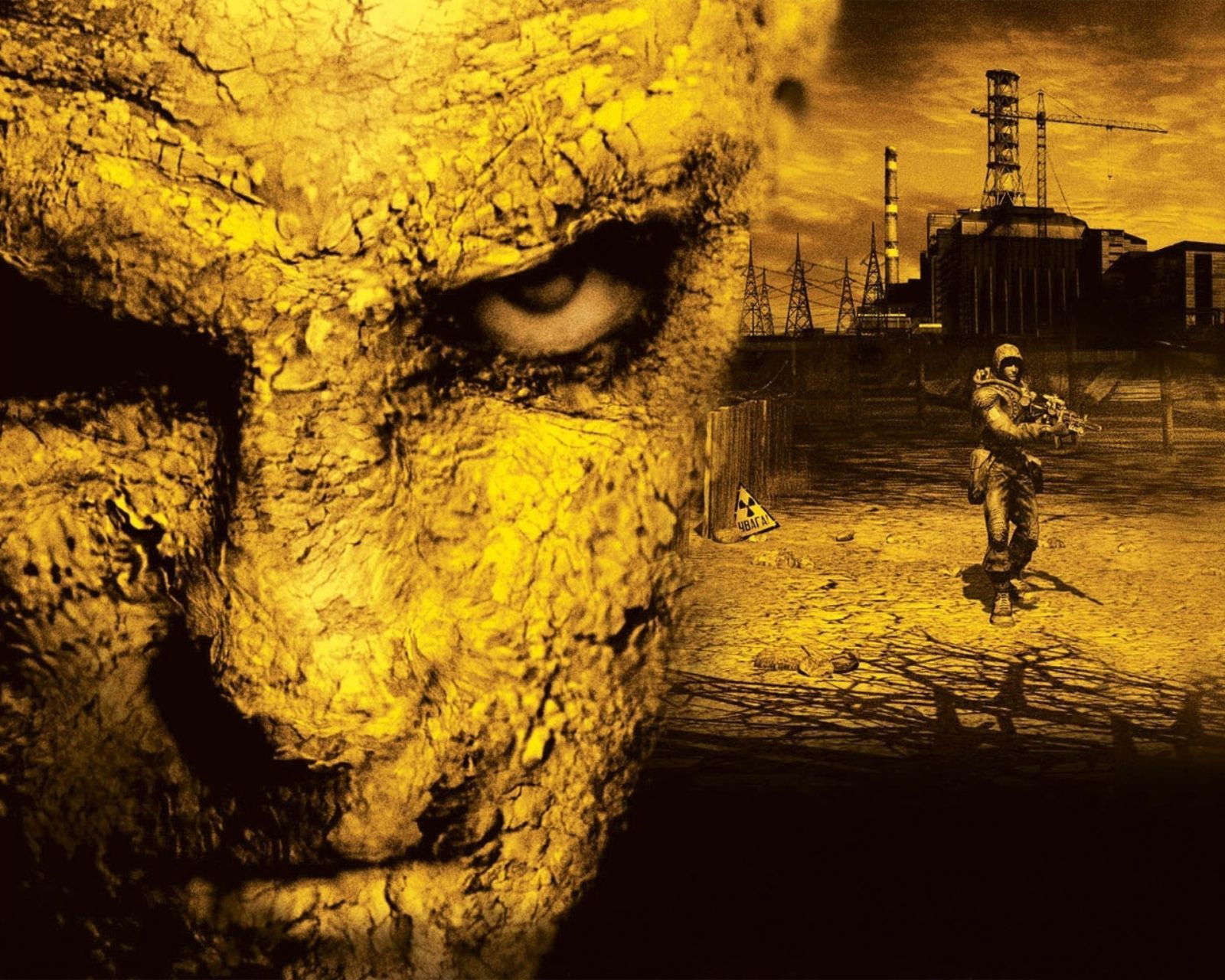
Released in 2007, S.T.A.L.K.E.R.: Shadow of Chernobyl didn't just offer another shooter; it delivered a chilling, unforgiving expedition into the Chernobyl Exclusion Zone. Its emergent gameplay, where factions, anomalies, and mutants interacted independently, created a persistent, brutal world. This game carved out a niche for atmospheric, narrative-light, survival-focused experiences, proving that true dread often comes from the unknown and the constant threat of a world indifferent to your survival. It taught us that environmental storytelling could be paramount.
2. Alpha Protocol
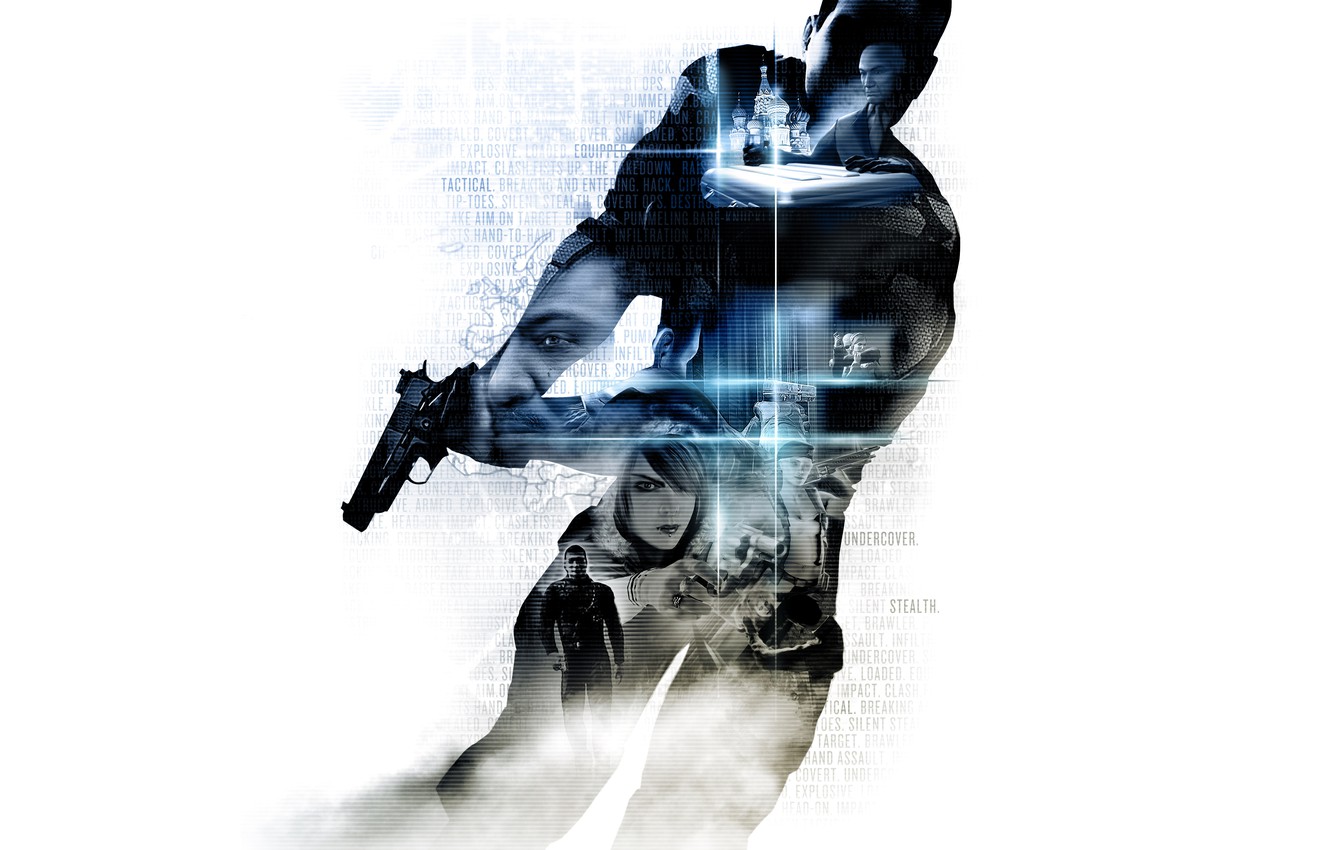
Alpha Protocol, from 2010, was a bold, if technically flawed, experiment in player agency within a spy RPG. It promised and largely delivered on choices that genuinely mattered, with dialogue options and mission outcomes shaping not just the immediate plot but entire character relationships and future opportunities. It dared to present a morally grey world where every decision carried weight, influencing allies and enemies alike. This game demonstrated the potential for complex, branching narratives in an action-oriented genre.

3. Vampire: The Masquerade - Bloodlines
Troika's 2004 Vampire: The Masquerade - Bloodlines arrived famously broken, yet its sheer ambition and depth resonated deeply. It plunged players into a dark, seductive Los Angeles, where intricate faction politics and compelling character writing made every choice feel significant. The game's rich atmosphere and diverse role-playing opportunities, allowing for vastly different playthroughs based on chosen clan and dialogue, cemented its status as a foundational, if initially troubled, RPG. Its influence on urban fantasy RPGs is undeniable.
4. Jade Empire
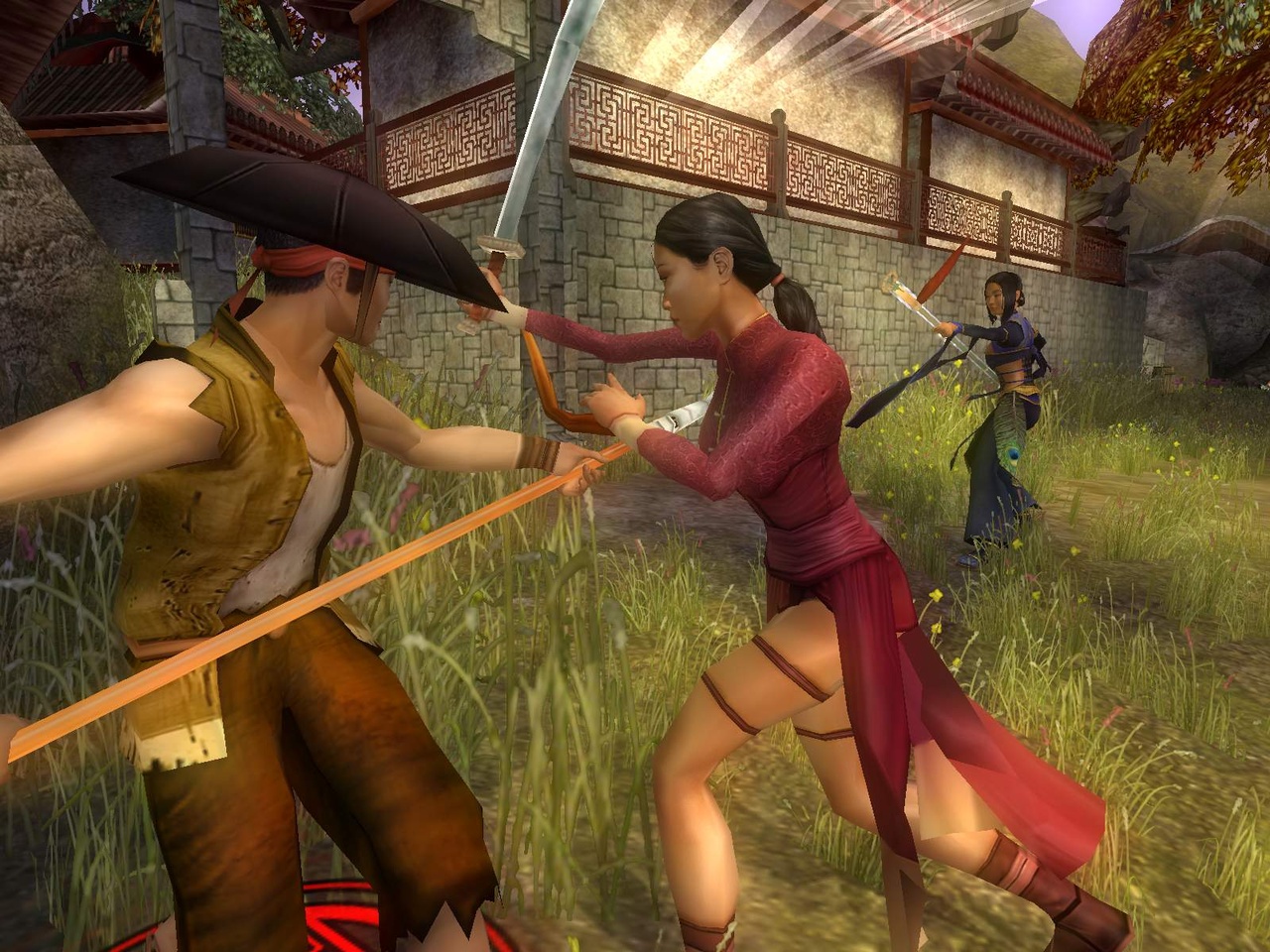
BioWare's 2006 Jade Empire was a distinct departure, immersing players in a beautifully realized world inspired by ancient Chinese mythology. Its innovative martial arts combat, blending various styles, felt fluid and impactful. Crucially, its "Open Palm" versus "Closed Fist" morality system wasn't just good versus evil, but rather altruism versus self-reliance, adding a thoughtful philosophical layer to its narrative. It showcased BioWare's ability to craft rich, engaging worlds beyond traditional Western fantasy.
5. Spec Ops: The Line
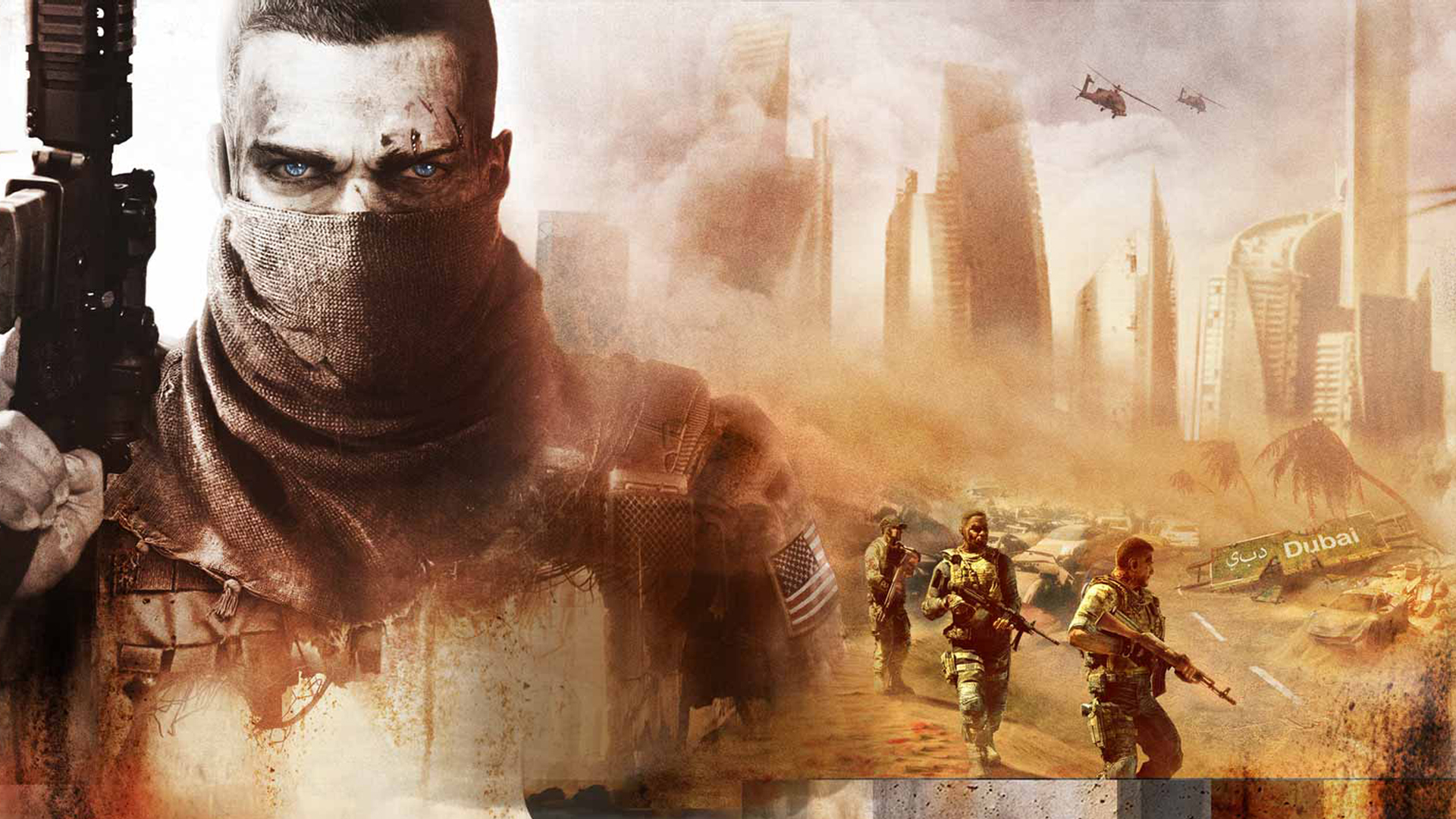
Spec Ops: The Line, released in 2012, wasn't just another third-person shooter; it was a brutal, self-aware critique of the genre itself. It forced players to confront the horrific realities of war and their own complicity in violence, subverting tropes and expectations. The game's psychological narrative peeled back layers of heroism to reveal trauma and moral decay, leaving a lasting impression long after the credits rolled. It challenged the very notion of a "hero" in military gaming.
6. Disco Elysium
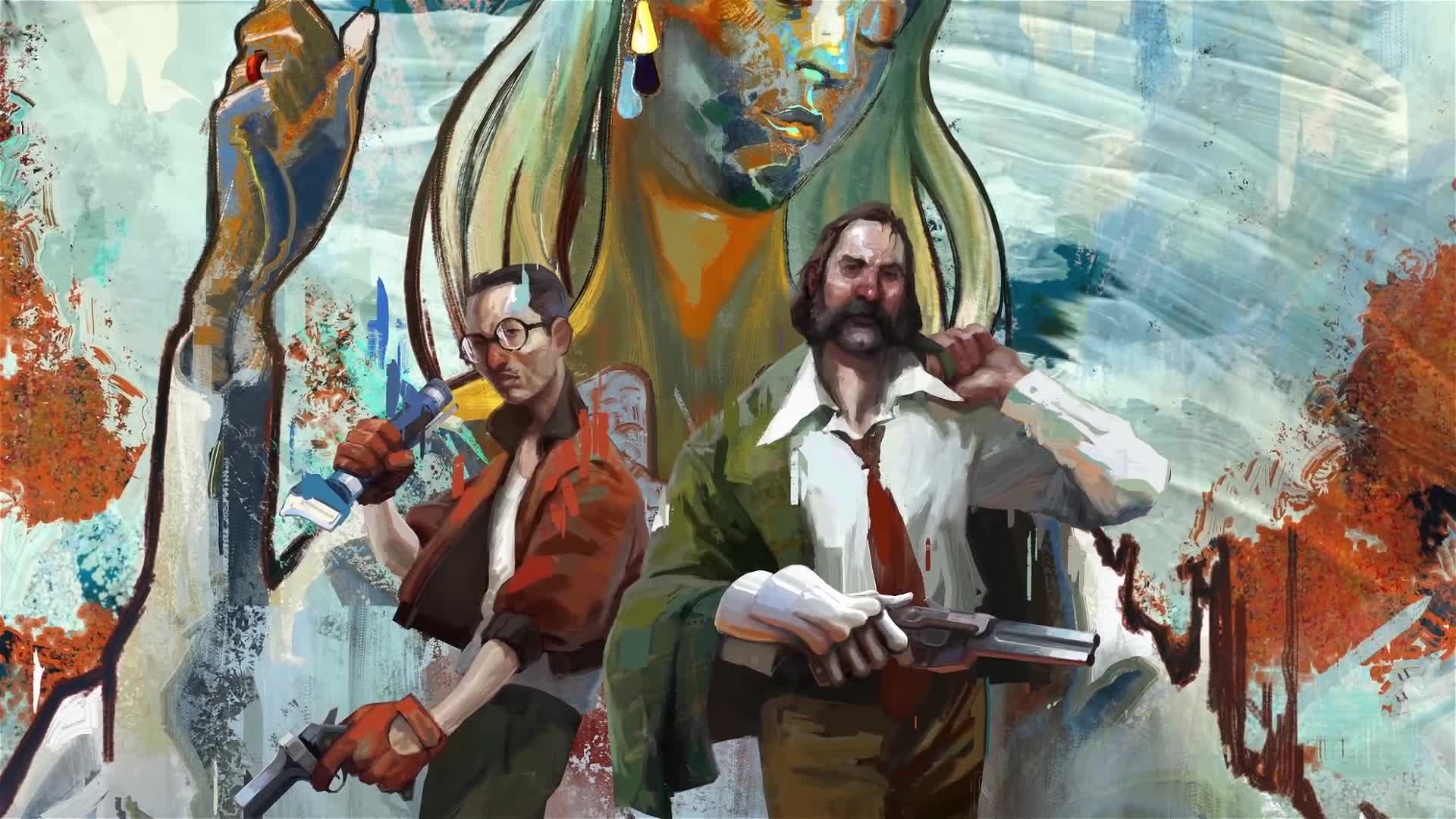
Disco Elysium, from 2019, redefined what a role-playing game could be. Eschewing traditional combat for a profound focus on dialogue, internal monologues, and psychological exploration, it delivered an unparalleled narrative experience. Its unique skill system personified aspects of the protagonist's mind, creating an intricate web of thoughts and perceptions. This game demonstrated that intellectual depth and emotional resonance could drive an entire genre, forcing players to truly think and feel.

7. Pathfinder: Wrath of the Righteous
In 2021, Pathfinder: Wrath of the Righteous delivered a sprawling, complex isometric CRPG that pushed the boundaries of player agency. Building on established tabletop mechanics, it offered an almost overwhelming degree of character customization and choice, particularly through its "Mythic Paths" that fundamentally altered gameplay and narrative. It proved that deep, intricate role-playing, with genuine consequences and epic scope, still held immense appeal for a dedicated audience.
8. Sleeping Dogs
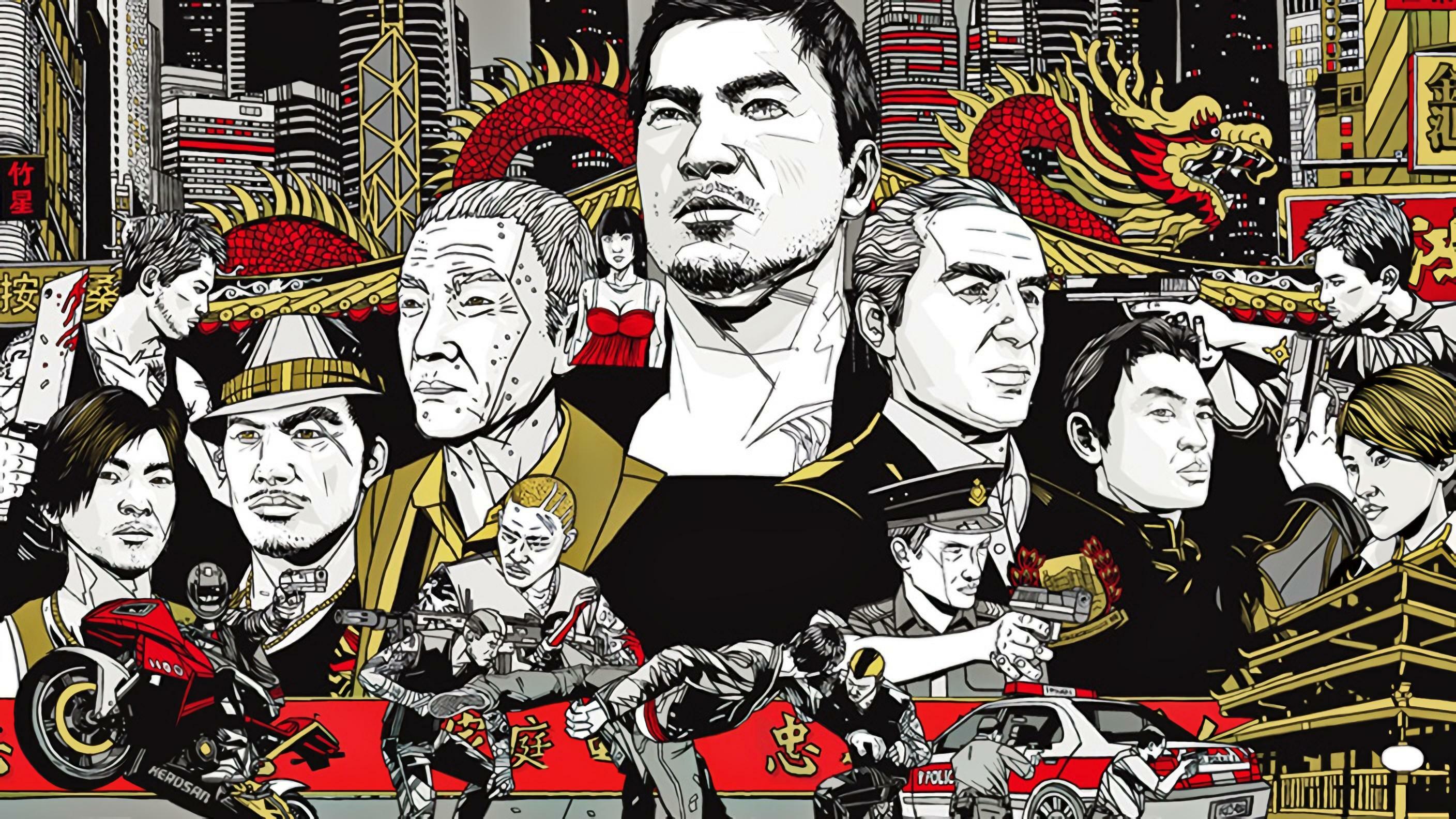
Sleeping Dogs, released in 2012, offered a vibrant, gritty open-world experience set in Hong Kong, a refreshing change from typical Western locales. Its standout feature was the fluid, cinematic martial arts combat, seamlessly integrated with gunplay and environmental interactions. The compelling narrative of an undercover cop infiltrating the Triads, balancing loyalty and duty, gave it a unique emotional core. It showed that an open-world crime drama could thrive with a distinct cultural identity.