
1 / 12
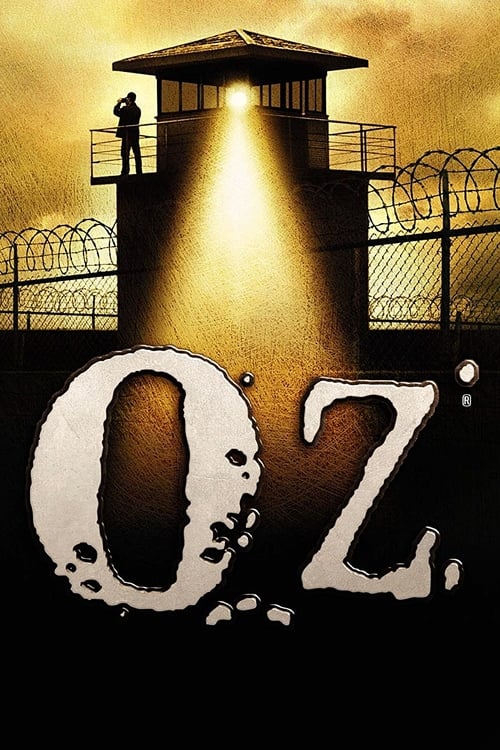
1. Oz
This thing hit like a ton of bricks. HBO wasn't just doing stand-up anymore; *Oz* was raw, unflinching, and utterly brutal. It showed network TV's limits, diving deep into moral ambiguity and character-driven, serialized arcs within prison walls. Forget episodic; this was a novel, week after week, forcing you to confront ugly truths. It proved cable could go places broadcast wouldn't dare, laying groundwork for the prestige drama boom that followed.
2 / 12
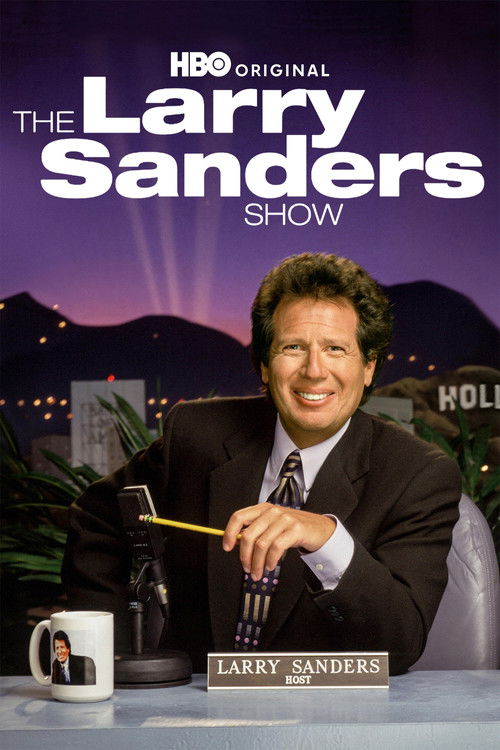
2. The Larry Sanders Show
Garry Shandling was playing a different game entirely. This wasn't just a sitcom; it was a cynical, hilarious peek behind the curtain of late-night television. The mockumentary style felt fresh, blurring lines between performance and reality. It nailed the awkwardness and ego, showing how much could be done with smart writing and a tight ensemble, carving out a niche for intelligent, character-driven comedy on cable. It felt real, which was the trick.
3 / 12
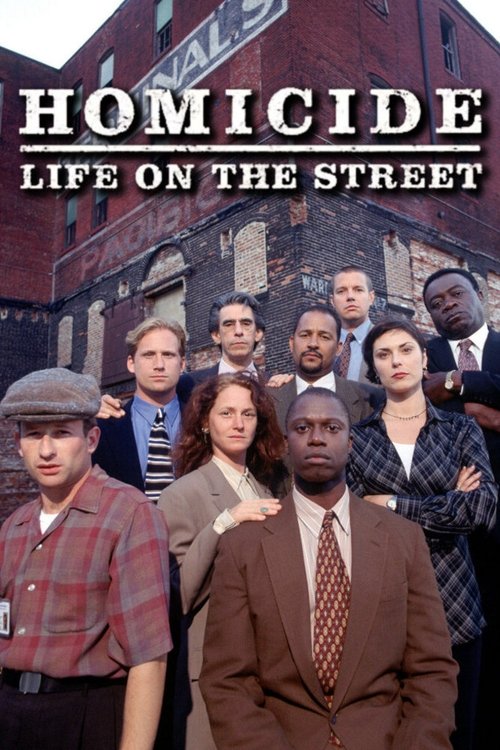
3. Homicide: Life on the Street
NBC took a chance, and it paid off. This wasn't your standard network procedural. Barry Levinson's cinematic eye gave it a gritty, handheld look that felt like a documentary, pulling you into the squad room. The ensemble cast was incredible, the dialogue sharp, and the cases rarely had clean endings. It embraced serialized storytelling on a broadcast network, treating its audience like adults, a clear forerunner to later, more complex police dramas.
4 / 12
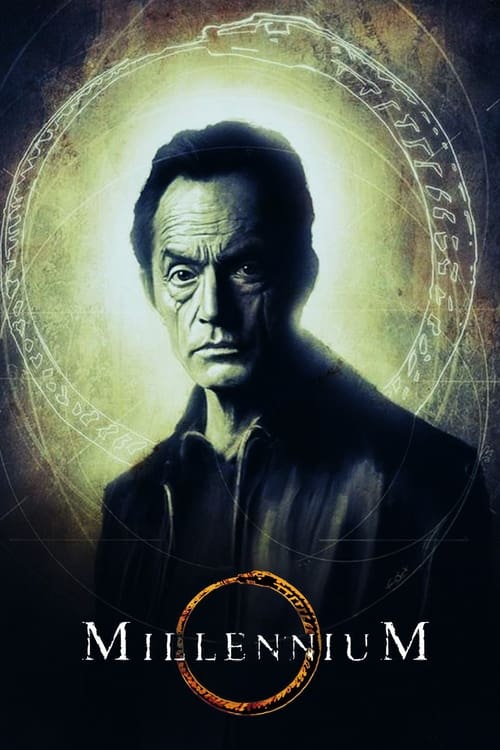
4. Millennium
Chris Carter, post-X-Files, went dark. Really dark. *Millennium* explored the bleaker corners of humanity, wrapping serial killer investigations in a heavy, almost apocalyptic dread. Frank Black's visions and the show's pervasive sense of unease created an atmosphere unlike anything else on network TV. It was serialized, unsettling, and demanded a lot from its viewers, proving that even broadcast could venture into genuinely disturbing, character-focused territory.
5 / 12
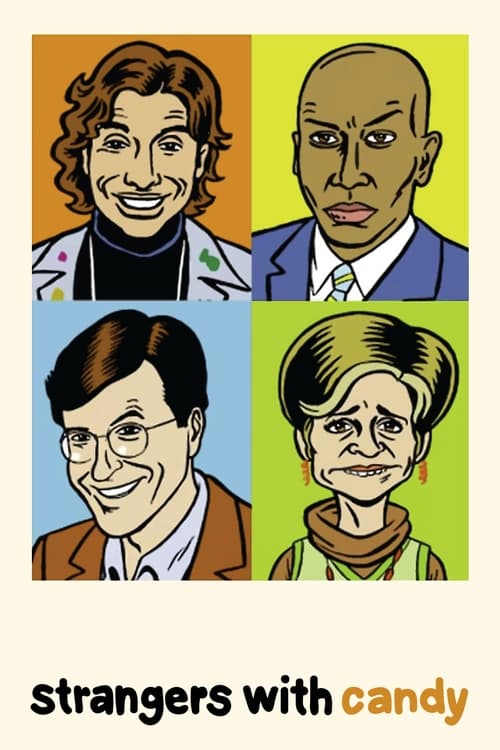
5. Strangers with Candy
Comedy Central, bless its heart, gave us this bizarre, brilliant mess. Amy Sedaris's Jerri Blank, a 46-year-old high school freshman, was an anti-hero before anti-heroes were cool. It was aggressively unfunny and hilarious all at once, lampooning after-school specials with a surreal, low-budget charm. This show was pure cult, proving that a dedicated cable channel could cultivate a truly unique, subversive comedic voice for a niche audience.
6 / 12
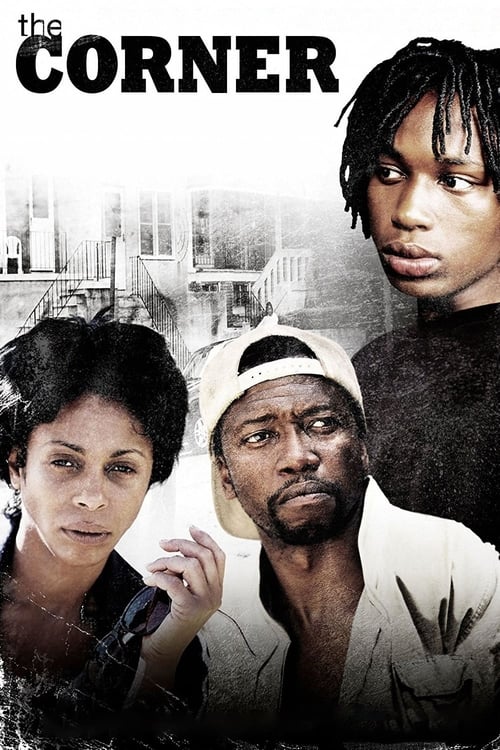
6. The Corner
This HBO miniseries was a gut punch. Coming from David Simon and Ed Burns, it felt less like a drama and more like raw journalism, chronicling a West Baltimore family's struggle with addiction. The handheld cameras, the non-actors, the sheer, devastating realism – it was a precursor to *The Wire*, showing exactly what prestige cable could achieve. It wasn't entertainment; it was an immersive, painful experience, demanding engagement.
7 / 12
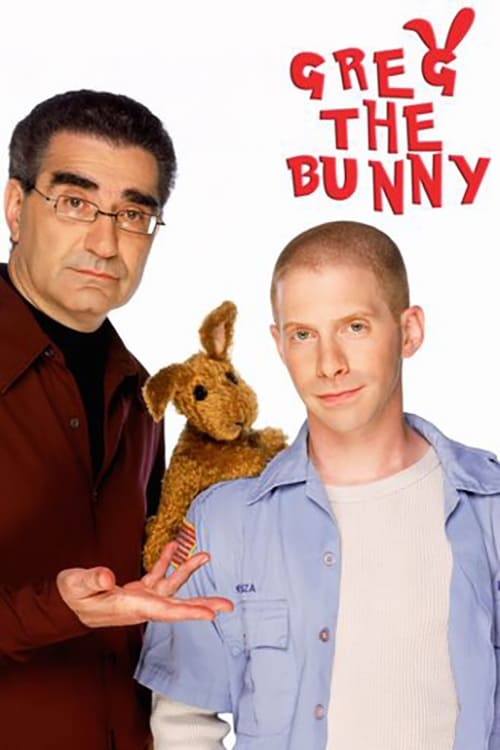
7. Greg the Bunny
This one was weird, and that's why it worked. A mockumentary about puppets trying to make it in Hollywood, *Greg the Bunny* was smarter and cleaner than it had any right to be. It deftly satirized the entertainment industry while creating surprisingly human—or rather, puppet—characters. It was a cult favorite that pushed the boundaries of sitcom format and comedic sensibility on Fox, proving there was room for truly offbeat ideas.
8 / 12
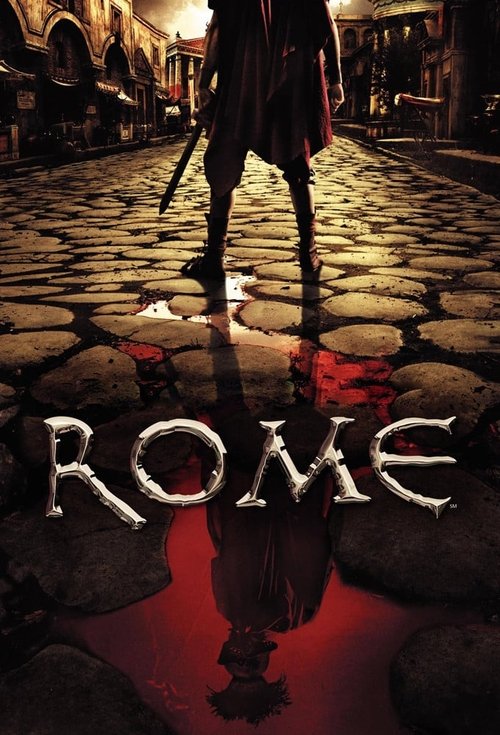
8. Rome
HBO went epic, literally. *Rome* was a lavish, sprawling historical drama, blending meticulous period detail with soap opera-level melodrama and violence. It wasn't just a backdrop; the politics, the power struggles, the personal lives of its vast ensemble felt utterly immersive. This was cinematic television, showing the scope and ambition cable could achieve, making history feel vibrant and immediate for a demanding audience.
9 / 12

9. Studio 60 on the Sunset Strip
Aaron Sorkin doing a show about making a live sketch comedy show? It was exactly as fast-paced and dialogue-heavy as you'd expect. While *30 Rock* went for absurdity, *Studio 60* aimed for a more dramatic, behind-the-scenes look at the creative process and network politics. It was an ambitious, serialized network drama that tried to tackle big ideas, even if it ultimately struggled to find its audience.
10 / 12
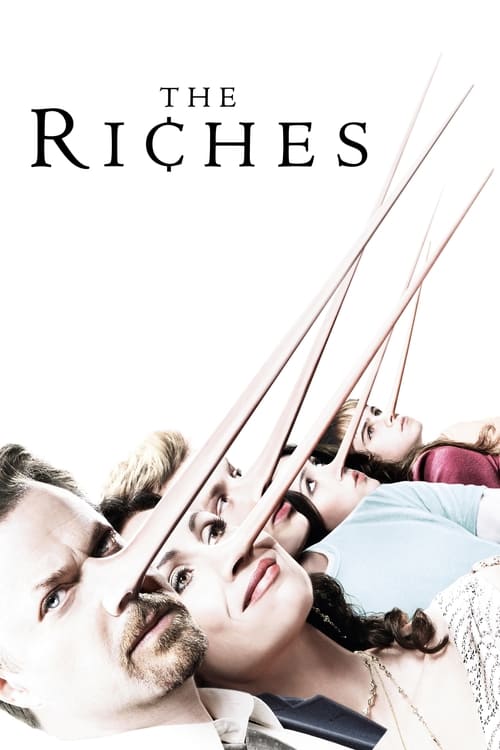
10. The Riches
FX was really hitting its stride with character-driven dramas, and *The Riches* was a prime example. Eddie Izzard and Minnie Driver as con artist travelers who assume new identities was a brilliant setup. It was quirky, tense, and surprisingly emotional, exploring themes of identity and belonging. This show proved cable could deliver compelling, original stories with complex characters you couldn't quite categorize.
11 / 12
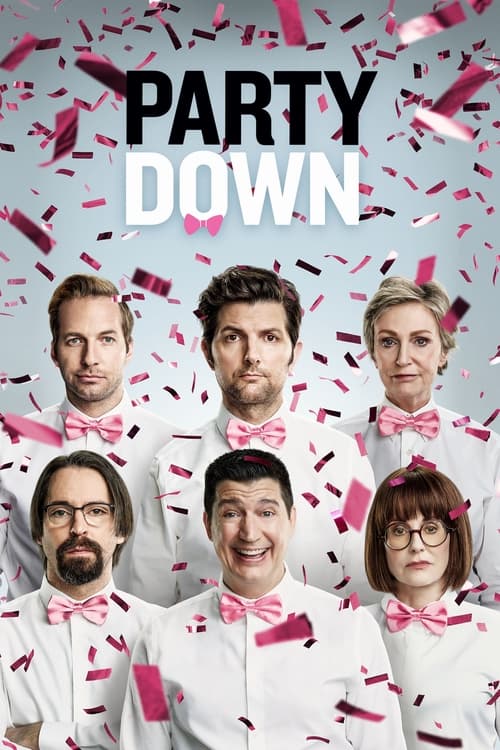
11. Party Down
This Starz comedy was a gem. Following a group of aspiring Hollywood types stuck catering events, it was a masterclass in cringe comedy and ensemble dynamics. Each episode was a self-contained party, yet the characters' struggles and dreams built over the short run. It felt like an indie film series, showcasing the kind of smart, low-key, character-focused humor that was starting to find a home on emerging platforms.
12 / 12
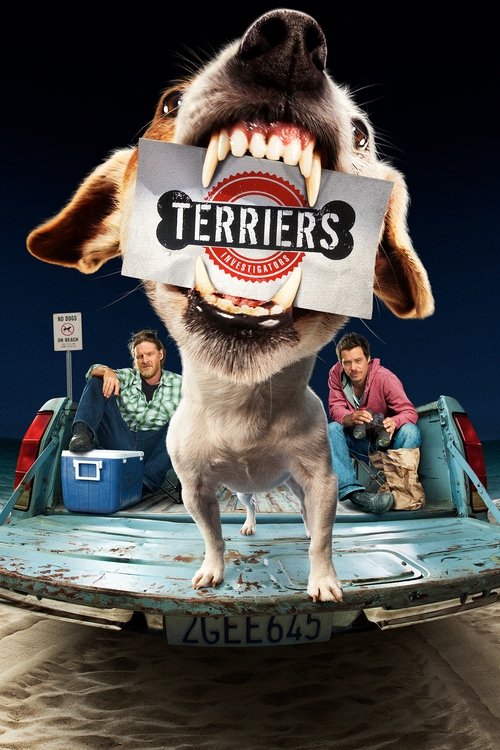
12. Terriers
FX again. *Terriers* was a neo-noir detective story, but it was really about two broken guys just trying to get by. It had incredible dialogue, lived-in characters, and a real sense of place. Critics loved it, but it never found a big audience. Its early cancellation became a rallying cry for the kind of smart, serialized, character-driven cable drama that was too good to ignore, even if too few people watched.