
1 / 12

1. Possession
This 1981 film is a wild, visceral ride into a collapsing marriage, but it's so much more. Isabelle Adjani's performance is legendary, pushing boundaries of human emotion and madness. It’s the kind of raw, unfiltered narrative that AI could generate endless variations of, exploring psychological depth beyond typical genre confines. Imagine VR putting you right in that apartment, feeling the claustrophobia. It's a masterclass in how experimental storytelling can still hit hard, showing us emotions algorithms usually simplify. This one sticks with you.
2 / 12
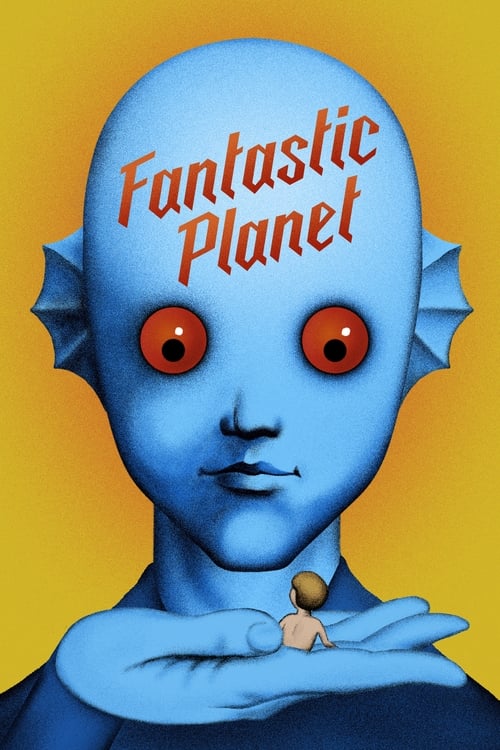
2. Fantastic Planet
*Fantastic Planet* from 1973 is an animated masterpiece, pushing the boundaries of what animation can do. Its dreamlike, cut-out style tells a deep allegorical tale about humanity's place in a bizarre, alien world. This film shows how unique visual narratives can completely reshape our perspectives, something advanced AI could soon craft dynamically. Imagine stepping into this world in VR, experiencing its strange beauty firsthand. It’s a reminder that truly innovative stories often come from unexpected places, offering fresh ways to explore complex themes.
3 / 12
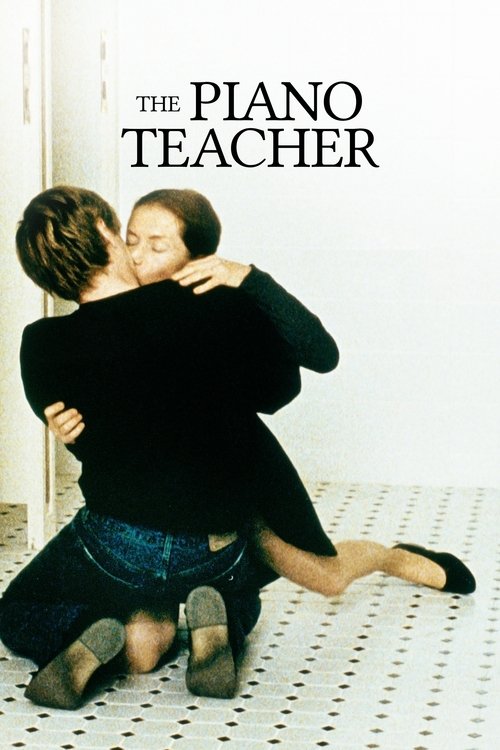
3. The Piano Teacher
Michael Haneke's 2001 film, *The Piano Teacher*, is a masterclass in psychological intensity, starring an unforgettable Isabelle Huppert. It delves into themes of repression and desire with unflinching honesty, challenging conventional notions of romance and control. This kind of nuanced, character-driven narrative, exploring the darker sides of human nature, is exactly what future AI could excel at, creating deeply unsettling yet profoundly insightful experiences. It’s a tough watch, but it reshapes your understanding of cinematic bravery and emotional truth.
4 / 12

4. Primer
Shane Carruth’s 2004 indie gem, *Primer*, redefines complex sci-fi. It’s a labyrinthine journey into time travel, presented with an almost documentary-like realism that demands your full attention. This film proves that groundbreaking narratives don't need huge budgets; just a brilliant concept and precise execution. We're talking about the kind of intricate plotting that AI could someday generate on demand, offering infinite branching realities. It’s a puzzle box that rewards repeat viewings, showing how smart storytelling can truly push boundaries.
5 / 12
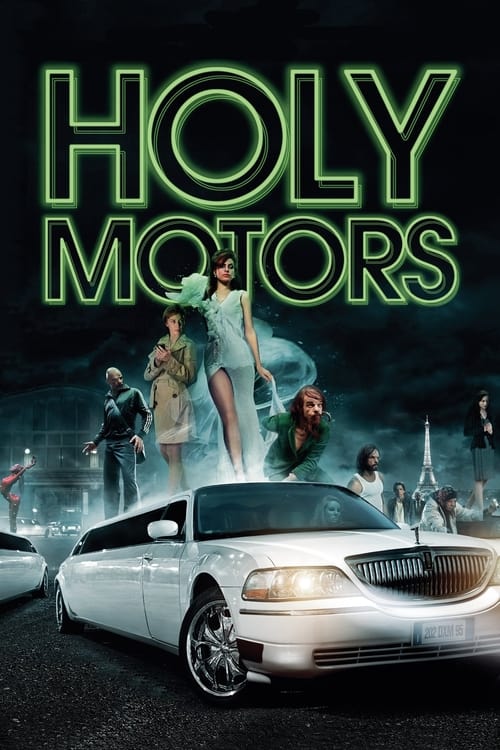
5. Holy Motors
Leos Carax's *Holy Motors* from 2012 is an utterly unique and mesmerizing experience. Denis Lavant plays a man who inhabits multiple personas throughout a single day, blurring lines between performance and reality. It’s a cinematic fever dream, exploring identity and the nature of storytelling itself. This kind of episodic, character-driven journey is a blueprint for next-gen interactive narratives. Imagine AI crafting a personalized version, adapting identities based on your choices. It’s a bold, beautiful, and profoundly strange ride.
6 / 12

6. Valerie and Her Week of Wonders
*Valerie and Her Week of Wonders* (1970) is a gorgeous, dreamlike Czech New Wave film. It’s a surreal coming-of-age fairy tale, steeped in gothic atmosphere and poetic imagery. This movie feels like a forgotten dream, blending innocence with unsettling mystery. Such a visual feast hints at the immersive potential of VR, where every frame could be a world to explore. It shows how imaginative filmmaking can transport you, creating emotional landscapes that algorithms could endlessly reinterpret and personalize for a truly unique experience.
7 / 12
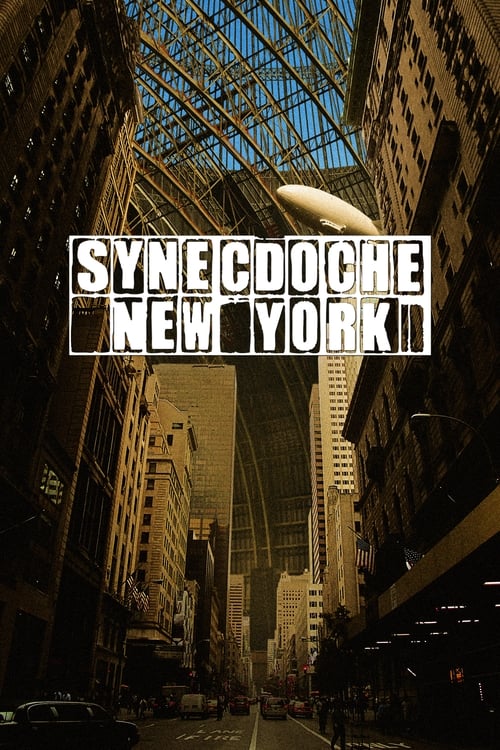
7. Synecdoche, New York
Charlie Kaufman’s *Synecdoche, New York* (2008) is an absolute masterpiece of existential dread and meta-storytelling, featuring a staggering performance by Philip Seymour Hoffman. It’s a profound meditation on life, art, and the overwhelming attempt to capture reality. This film is like a recursive AI simulation of a life, constantly expanding and reflecting. Imagine AI-driven narratives creating such complex, self-referential worlds, evolving with your input. It's a challenging, heartbreaking, and ultimately brilliant exploration of what it means to be human.
8 / 12
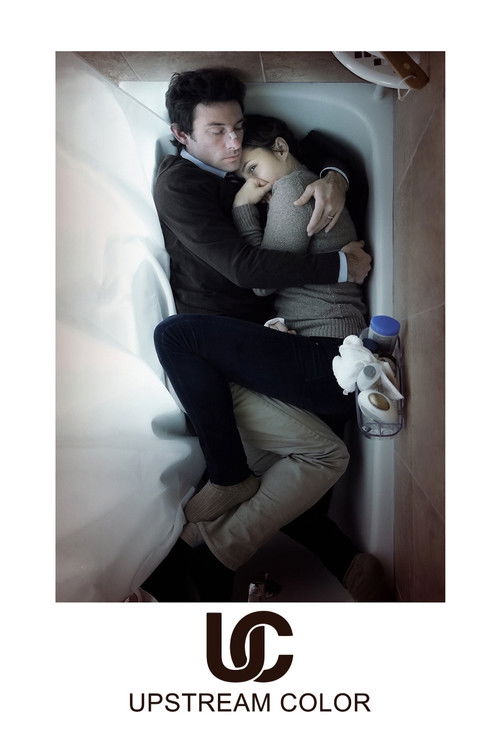
8. Upstream Color
Shane Carruth's *Upstream Color* (2013) is a mesmerizing, almost wordless exploration of connection, identity, and parasitic cycles. It’s less a narrative and more a sensory experience, weaving together stunning visuals and a haunting score. This film exemplifies how abstract storytelling can create deep emotional resonance without traditional exposition. Future AI could craft infinite variations of these sensory narratives, adapting to individual emotional states. It’s a beautiful, enigmatic piece that reminds us cinema can be pure, unadulterated art, bypassing conventional plot structures entirely.
9 / 12
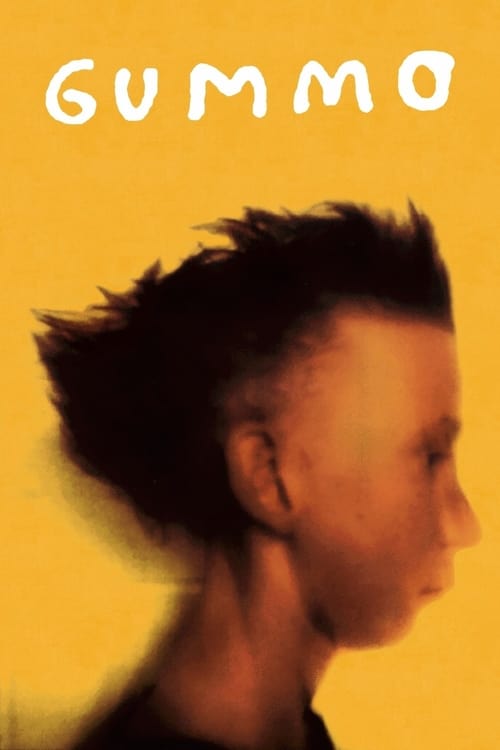
9. Gummo
Harmony Korine’s *Gummo* (1997) is a jarring, fragmented look at marginalized lives in a small, tornado-ravaged Ohio town. It’s raw, unflinching, and deliberately provocative, eschewing traditional narrative for a series of vignettes. This film challenges what we expect from storytelling, showing reality in its most unvarnished form. It's the kind of hyper-realistic, documentary-style narrative that AI could soon generate, presenting slices of life with brutal honesty. It's definitely not for everyone, but it’s an unforgettable, experimental experience.
10 / 12
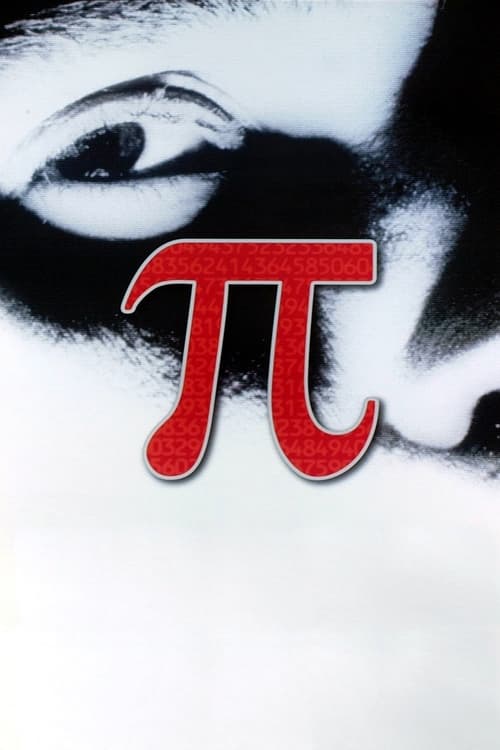
10. Pi
Darren Aronofsky's debut, *Pi* (1998), is a hypnotic, black-and-white dive into a mathematician's obsessive search for a universal pattern. It’s a visceral, paranoia-fueled journey that blurs the line between genius and madness. This film shows how focused, intense narratives can be incredibly gripping, even with a minimalist aesthetic. Imagine AI-driven experiences that adapt to your focus, intensifying the story as your engagement grows. It’s a brilliant example of how unique vision can create an unforgettable, claustrophobic world on a shoestring budget.
11 / 12
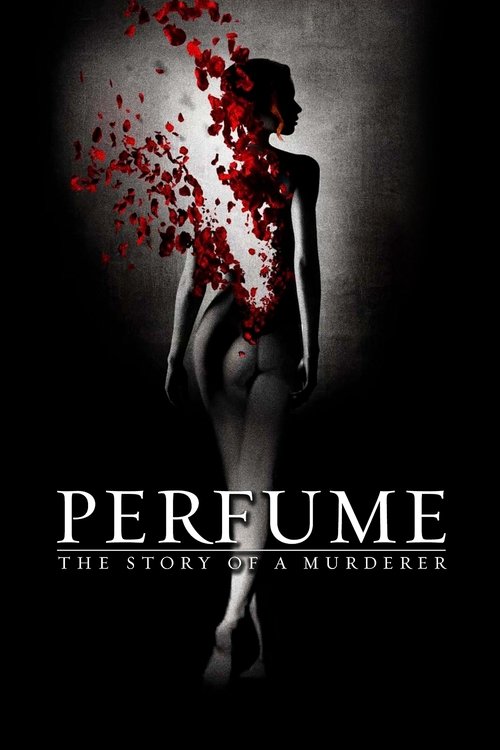
11. Perfume: The Story of a Murderer
*Perfume: The Story of a Murderer* (2006) is a lavish, unsettling historical drama that dares to make scent a central character. It’s a visually stunning and deeply sensory experience about obsession, beauty, and depravity. This film pushes boundaries by using a non-visual sense as its driving force, a concept perfectly suited for future VR and haptic feedback. Imagine AI crafting narratives where smell and touch are as crucial as sight and sound. It’s a unique, dark fairy tale, and utterly captivating.
12 / 12
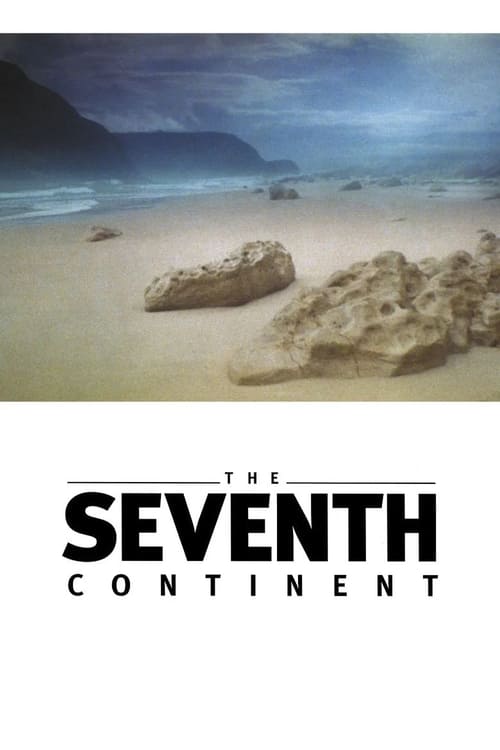
12. The Seventh Continent
Michael Haneke's *The Seventh Continent* (1989) is a chilling, methodical deconstruction of bourgeois existence and societal alienation. It observes a family’s descent into self-destruction with an almost clinical detachment, forcing you to confront uncomfortable truths. This kind of stark, observational storytelling is a powerful way to critique modern life. Future AI-driven narratives could explore such themes with incredible subtlety, generating scenarios that challenge our assumptions about normalcy. It’s a bleak but profoundly impactful film that stays with you long after it ends.