
1 / 12
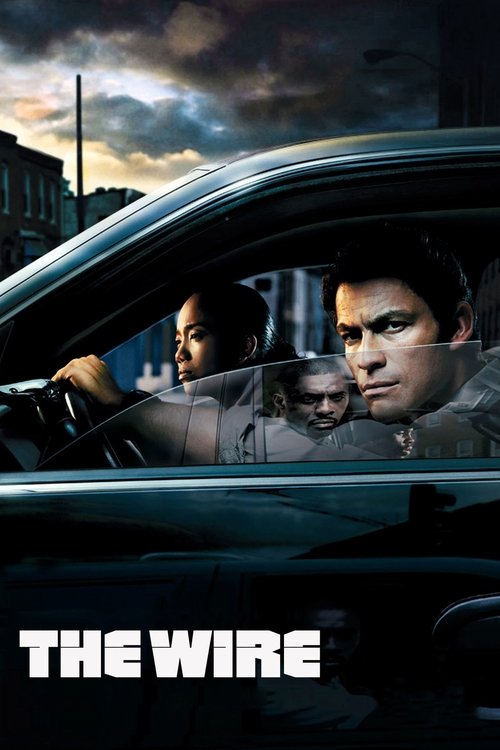
1. The Wire
Forget your episodic crime shows. *The Wire*'s 2002 debut wasn't just another cop drama; it was a novel for television. Each season peeled back layers of a city, a system, proving that long-form storytelling could tackle societal decay with a cinematic scope. It demanded attention, rewarding viewers who stuck with its sprawling ensemble and uncompromising grit. This was TV growing up, showing what serial narrative could truly achieve.
2 / 12
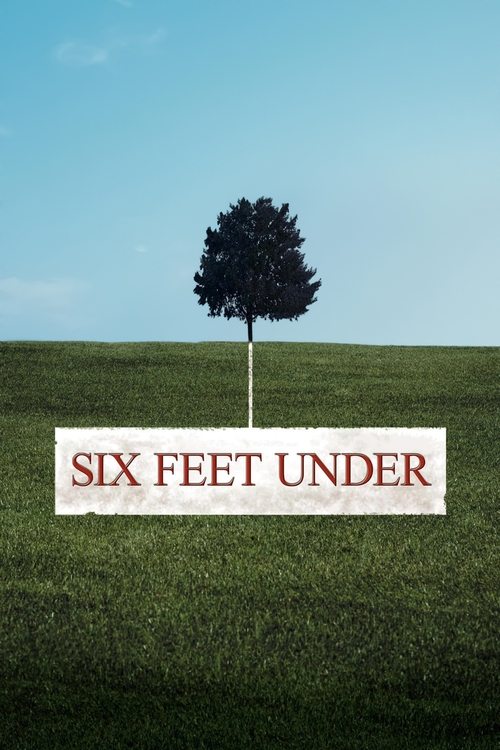
2. Six Feet Under
HBO really hit its stride with *Six Feet Under* in 2001. This wasn't your typical family drama; it was a darkly comedic, deeply introspective look at life through the lens of death. Each episode started with a new demise, grounding its quirky, flawed ensemble in existential questions. It pushed boundaries for character development and thematic depth, proving cable could deliver emotionally resonant, serialized narratives that network TV wouldn't touch.
3 / 12
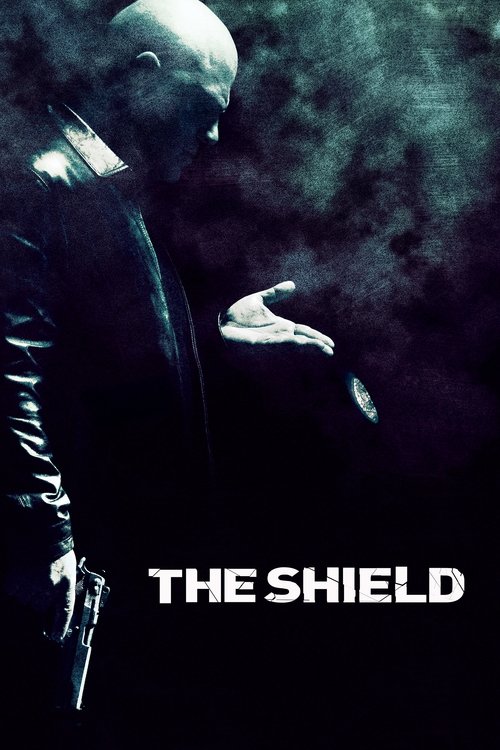
3. The Shield
Before anti-heroes were a dime a dozen, *The Shield* burst onto FX in 2002, shaking things up. Vic Mackey wasn't just flawed; he was a brutal force, blurring the lines between cop and criminal. This show went places network procedurals wouldn't dare, embracing serialized arcs and moral ambiguity with a raw, visceral energy. It showed cable's willingness to take huge risks on compelling, complex characters and dark, uncompromising narratives.
4 / 12
4. Oz
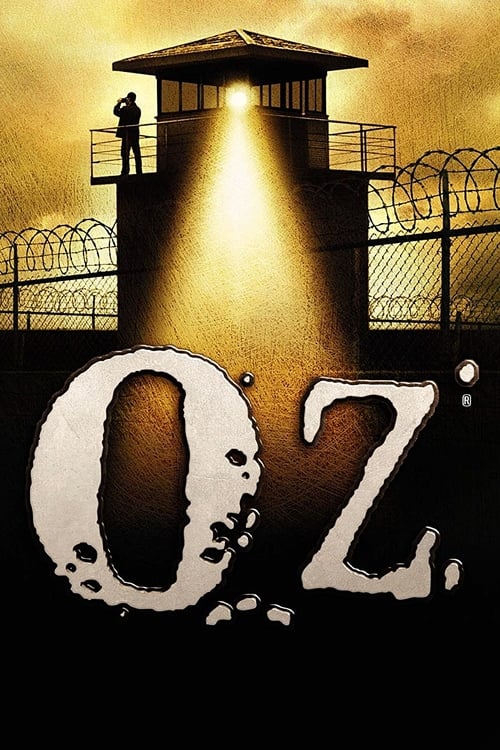
*Oz*, kicking off in '97, was HBO’s first hour-long drama and boy, did it set a tone. This wasn't just a prison show; it was a brutal, unrelenting look at humanity at its worst and most resilient, confined to a small unit. Its large ensemble cast navigated complex, serialized storylines that were often shocking and always unflinching. It proved that pay cable could deliver raw, adult storytelling that network television simply couldn't, laying groundwork for future HBO hits.
5 / 12
5. Deadwood
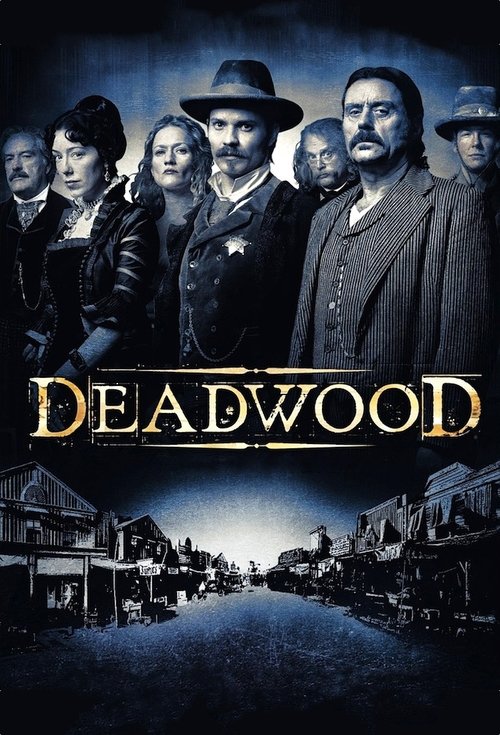
*Deadwood*, arriving in 2004, wasn't your grandpa's western. This was an incredibly dense, foul-mouthed, and meticulously crafted historical drama. The language itself was a character, a poetic, brutal symphony. It utilized a huge ensemble to build a vivid, complex world, showing how cinematic ambition and challenging dialogue could thrive on television. It wasn't about heroes and villains, but about the messy birth of civilization, serialized with a singular vision.
6 / 12
6. Homicide: Life on the Street
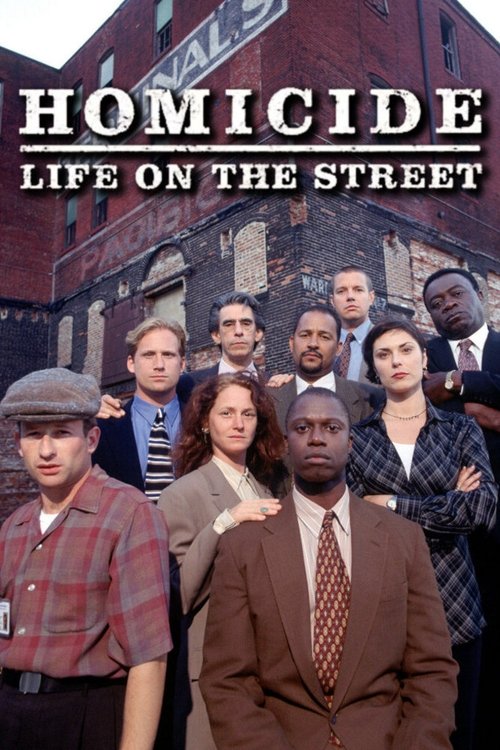
Long before *The Wire*, David Simon cut his teeth with *Homicide: Life on the Street* in 1993. This NBC show pushed the boundaries of network television, offering a grittier, more character-driven take on police work. It played with cinematic techniques like jump cuts and handheld cameras, and its ensemble cast often explored serialized character arcs. It was a taste of the serialized, realistic crime drama we'd see perfected later, daring to be different on a major network.
7 / 12
7. The Larry Sanders Show
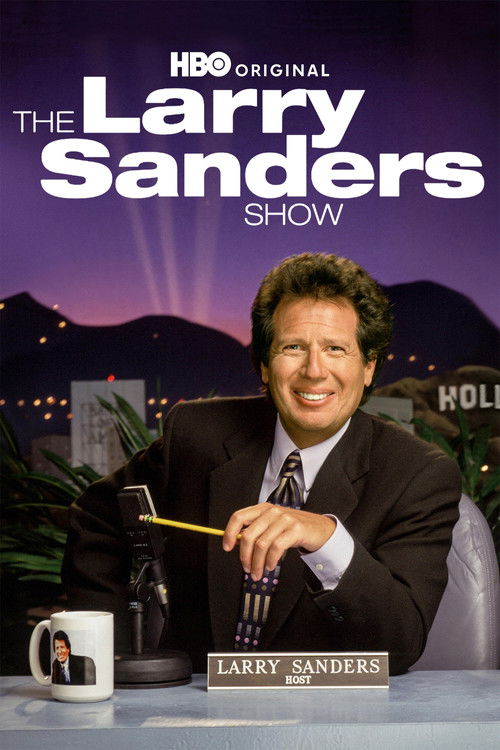
*The Larry Sanders Show*, starting in '92, was light years ahead of its time. It wasn't just a sitcom; it was a brilliant, often uncomfortable, mockumentary look behind the curtain of a late-night talk show. Its ensemble cast was pitch-perfect, delivering sharp, meta-comedy that felt incredibly real. This HBO gem pioneered the "show about a show" format and the mockumentary style, influencing countless comedies that followed with its cynical, smart humor.
8 / 12
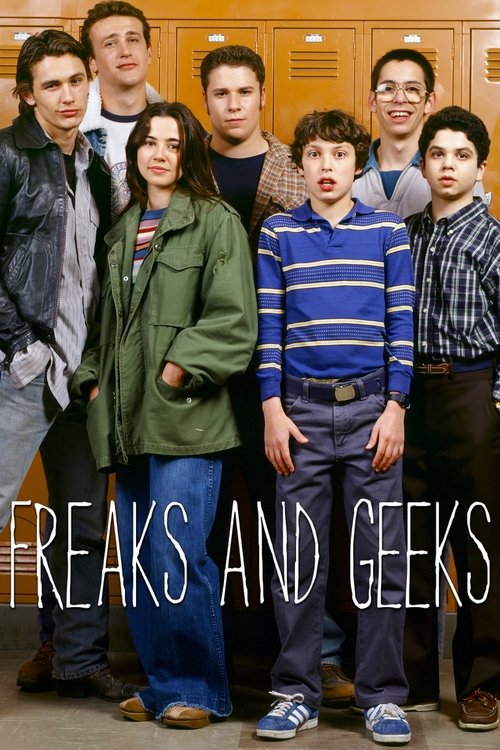
8. Freaks and Geeks
*Freaks and Geeks*, though tragically short-lived in '99, left an indelible mark. It portrayed high school life with an honesty and awkwardness rarely seen, focusing on an ensemble of relatable, flawed teenagers. There was no saccharine moralizing, just genuine character development and a deep understanding of adolescence. It proved that character-driven, realistic storytelling, even on network TV, could resonate deeply, becoming a cult classic that shaped future comedic talent.
9 / 12
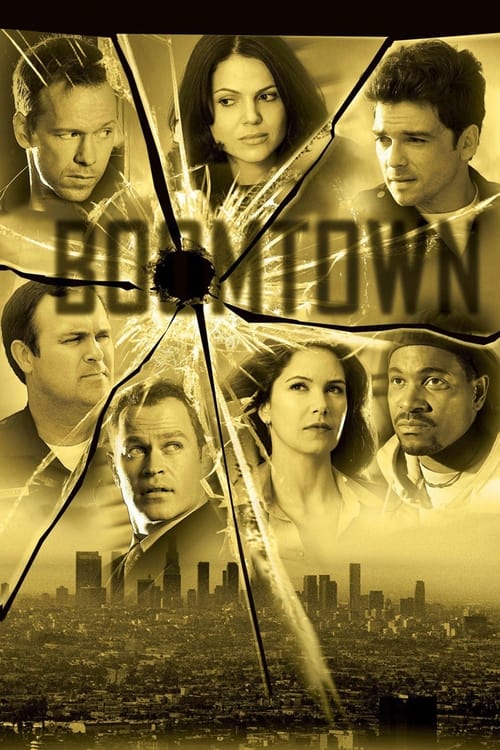
9. Boomtown
*Boomtown*, in 2002, was a brave experiment on network TV. It took a standard crime procedural format and shattered it, telling each story from multiple, shifting perspectives – victims, cops, criminals. This non-linear, Rashomon-style narrative was incredibly ambitious for its time, demanding viewer engagement and showing how a well-executed ensemble could elevate complex storytelling. It was a bold attempt at cinematic television on a broadcast schedule, pushing stylistic boundaries.
10 / 12
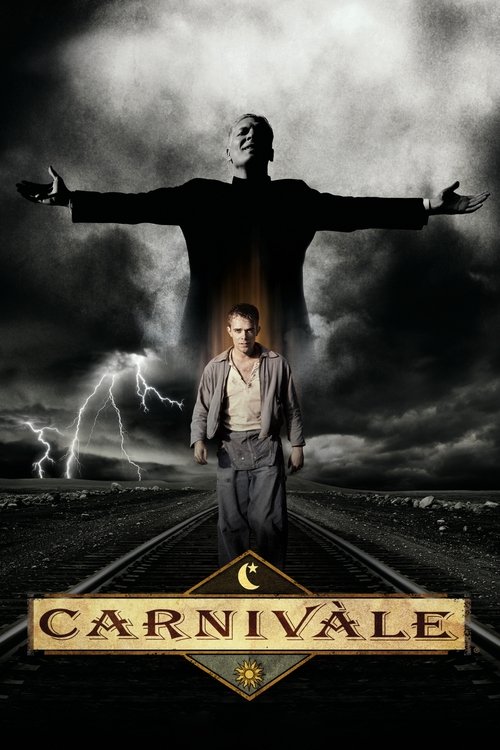
10. Carnivàle
When *Carnivàle* premiered on HBO in 2003, it was unlike anything else. This sprawling, atmospheric saga set during the Great Depression delivered a dark, surreal blend of historical drama and mystical fantasy. Its rich, serialized mythology and stunning visual aesthetic proved cable could support incredibly ambitious, visually cinematic worlds with huge ensemble casts. It was a beautiful, haunting, and often challenging show that demanded patience and rewarded deep immersion.
11 / 12
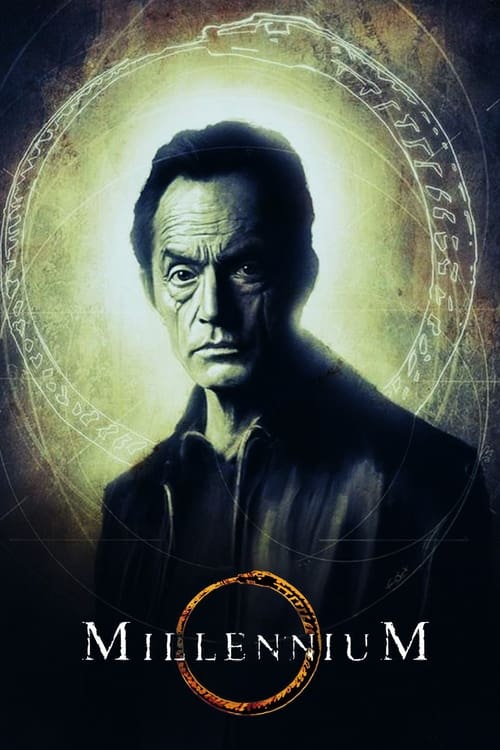
11. Millennium
From the mind behind *The X-Files*, *Millennium* in '96 went even darker. Frank Black's ability to see into the minds of killers made for intensely psychological and often disturbing television. It wasn't just a procedural; it delved into deep, serialized themes of good versus evil and societal decay, wrapped in a bleak, cinematic atmosphere. This show pushed the boundaries of network television horror and psychological thrillers, proving audiences could handle truly unsettling narratives.
12 / 12
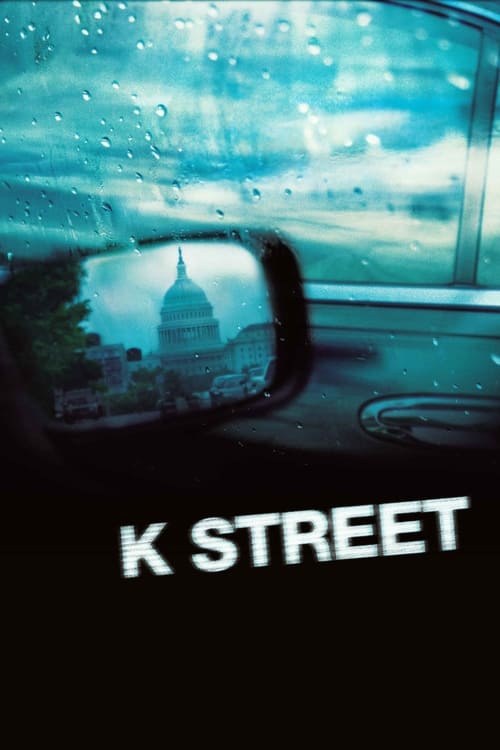
12. K Street
*K Street*, HBO’s 2003 experiment, was a wild ride. It blended real-time political events with fictional characters and heavy improvisation, often featuring actual politicians playing themselves. This semi-documentary, hyper-realistic approach to political drama was groundbreaking, blurring the lines between fiction and reality. It was an early, daring example of television embracing a raw, unscripted, almost real-time aesthetic, hinting at the immediacy and relevance streaming platforms would later chase.