
1 / 6
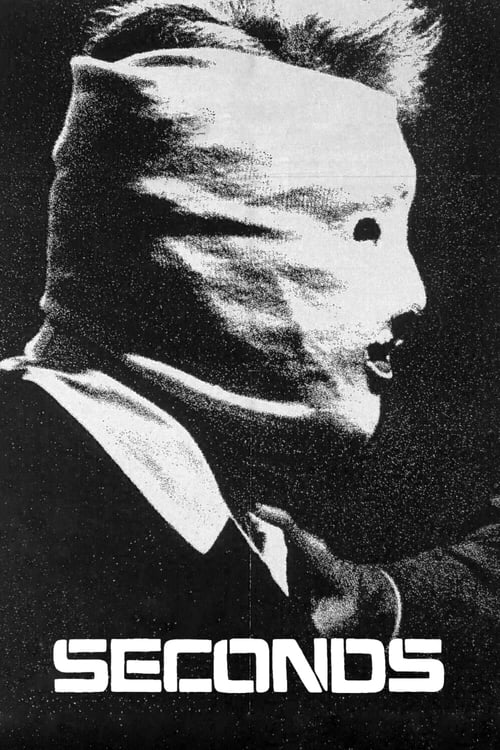
1. Seconds
John Frankenheimer's chilling vision of suburban malaise and corporate existentialism, "Seconds" dissects the American Dream's hollow core. Rock Hudson, in a career-redefining role, embodies the man who trades his old life for a new one, only to discover the terrifying price of manufactured identity. Its stark black-and-white cinematography and disorienting camera work amplify the pervasive sense of unease, reflecting a society grappling with anonymity and the illusion of choice. A truly unsettling masterwork.
2 / 6
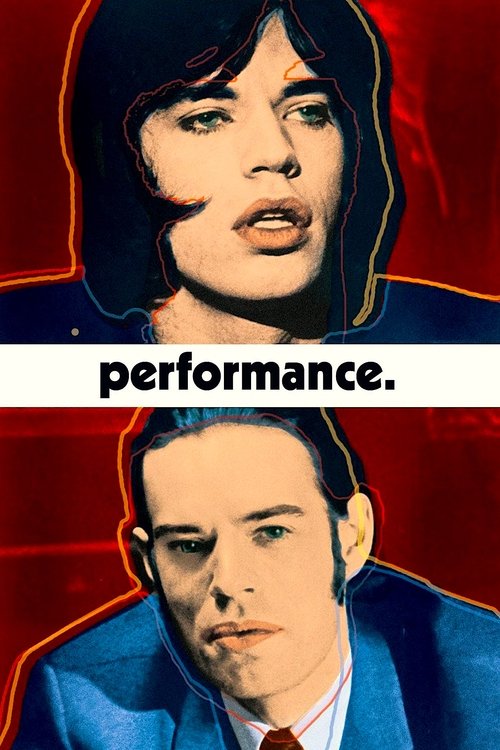
2. Performance
Nicolas Roeg and Donald Cammell's "Performance" remains a hallucinatory plunge into identity dissolution, a pivotal artifact of late 1960s counter-culture. James Fox's gangster seeking refuge with Mick Jagger's reclusive rock star leads to a mesmerizing, often unsettling, fusion of personas. The film's non-linear structure and psychedelic imagery refuse easy categorization, instead demanding the viewer grapple with its profound, chaotic exploration of gender, power, and the self. It's an experience, not merely a narrative.
3 / 6

3. Picnic at Hanging Rock
Peter Weir's "Picnic at Hanging Rock" transcends its mystery premise, becoming a haunting meditation on the inexplicable and the fragility of colonial order. The vanishing of schoolgirls in the Australian bush is less a plot point than a catalyst for exploring repressed desires and the unsettling power of nature. Its dreamlike aesthetic, ethereal score, and lingering ambiguity create a potent sense of melancholic dread, a film whose unresolved questions resonate long after viewing.
4 / 6
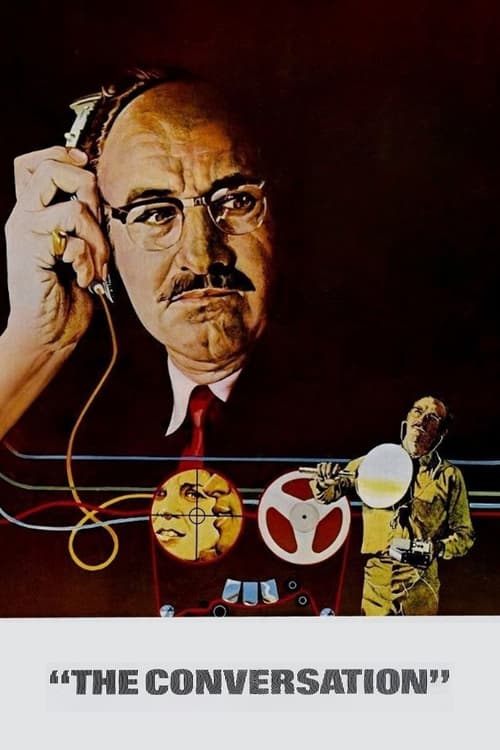
4. The Conversation
Francis Ford Coppola's "The Conversation," released amidst the Watergate scandal, is a masterful study in paranoia and moral decay. Gene Hackman's surveillance expert, haunted by past indiscretions, becomes entangled in a web of his own making, his meticulous craft turning into a source of profound guilt. The film's extraordinary sound design immerses the audience in Harry Caul's isolated world, demonstrating how listening can be both an art and a curse, ultimately revealing more about the listener than the observed.
5 / 6

5. Le Samouraï
Jean-Pierre Melville's "Le Samouraï" defines cool, portraying Alain Delon as Jef Costello, a hitman whose stoic demeanor and ritualistic existence are both his strength and his undoing. This neo-noir masterpiece meticulously crafts a world of solitude, where loyalty is a fleeting concept and betrayal an inevitability. Melville's minimalist style, stark visuals, and emphasis on gesture over dialogue create a hypnotic, almost balletic, study of a man trapped by his own code and the inescapable forces of fate.
6 / 6

6. Possession
Andrzej Żuławski's "Possession" is a visceral, unrelenting descent into the abyss of a crumbling marriage, framed against the backdrop of Cold War-era Berlin. Isabelle Adjani delivers a performance of raw, terrifying intensity as Anna, whose increasingly erratic behavior spirals into a horrifying, almost mythological, exploration of identity, desire, and monstrous rebirth. It defies genre, blending psychological drama with grotesque body horror, a truly cathartic and unforgettable experience that refuses to offer comfort.