
1 / 11
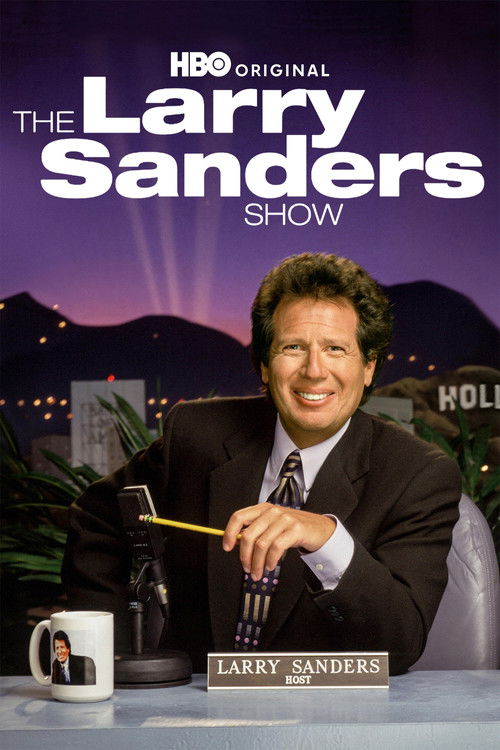
1. The Larry Sanders Show
This show was doing mockumentary before it was a buzzword, pulling back the curtain on late-night TV with brutal honesty. It exposed the ego and insecurity behind the smiles, blending sharp comedy with a surprising amount of pathos. Gary Shandling delivered a masterclass in controlled chaos, proving that television could be both hilarious and deeply insightful about human nature, laying crucial groundwork for later workplace comedies with an edge and a unique style.
2 / 11
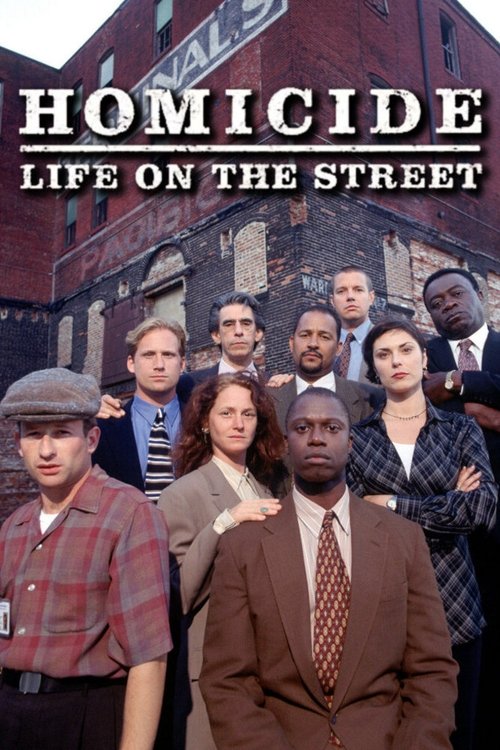
2. Homicide: Life on the Street
Forget your standard procedural; *Homicide* brought a gritty, almost documentary-like realism to the police drama. It felt less like a Hollywood set and more like a surveillance tape. Its ensemble cast was top-tier, and the serialized storytelling, particularly around individual cases stretching over episodes, was groundbreaking for network television. It dared to be bleak, unglamorous, and often unsettling, laying important groundwork for the dark, complex dramas that would later define cable TV.
3 / 11
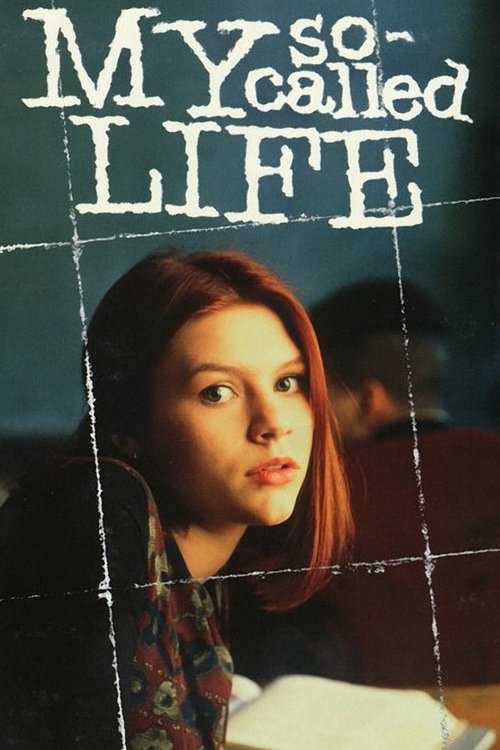
3. My So-Called Life
Before every teen drama tried to be 'real,' there was *My So-Called Life*. This series captured the awkward, intense, and often painful truth of adolescence with an honesty network television rarely allowed. Claire Danes’ Angela Chase spoke directly to the audience, giving voice to anxieties that felt profoundly authentic. It was nuanced, character-driven, and dealt with complex issues without easy answers, pushing what a one-hour drama could explore about identity and growing up.
4 / 11
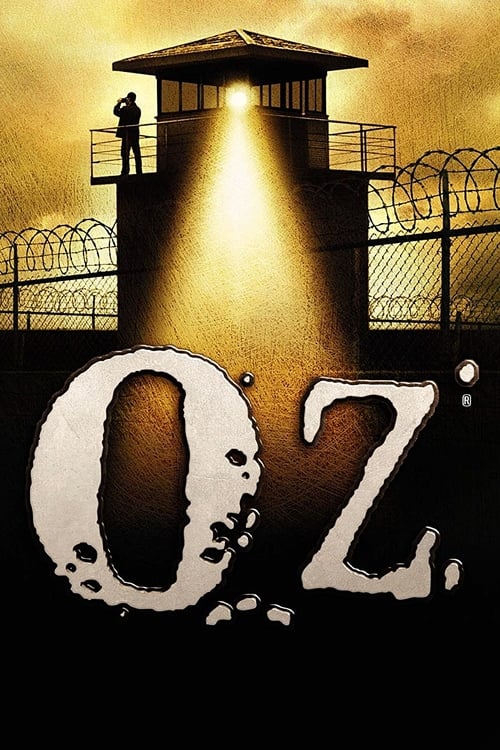
4. Oz
HBO truly arrived with *Oz*. This wasn't just a prison drama; it was a brutal, unflinching descent into a self-contained society where morality was a luxury. It pushed boundaries with its violence, nudity, and explicit themes, establishing cable's willingness to go places network TV wouldn't dare. Its serialized arcs, large ensemble cast, and raw, cinematic feel redefined what prestige television could be, proving that adult storytelling could thrive outside broadcast constraints.
5 / 11
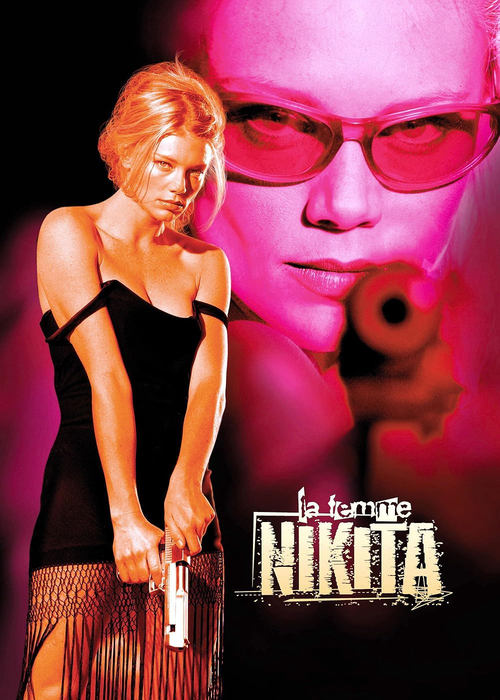
5. La Femme Nikita
Before spy thrillers were everywhere, *La Femme Nikita* brought a sleek, serialized espionage game to basic cable that felt distinctly cinematic. It blended high-octane action with surprising emotional depth, focusing on a reluctant operative trapped in a shadowy organization. The show built complex character arcs and long-form mysteries, demonstrating that genre television could be both stylish and dramatically compelling, a clear precursor to many serialized action-dramas that followed.
6 / 11
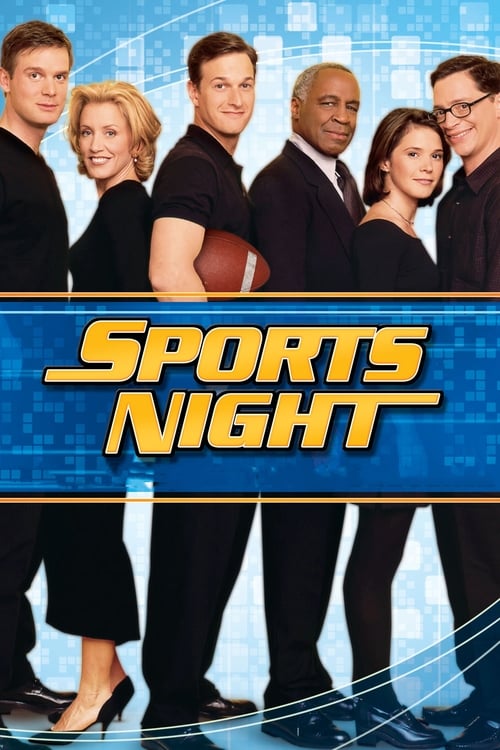
6. Sports Night
Aaron Sorkin's signature rapid-fire dialogue and walk-and-talks got their television start here. *Sports Night* was a unique beast: a single-camera comedy that often felt more like a drama, dissecting the lives of people behind a sports news show. It was smart, witty, and surprisingly emotional, showing that a comedy could tackle serious themes of integrity and ambition. An early example of network TV trying on cable-style sophistication in its writing and execution.
7 / 11
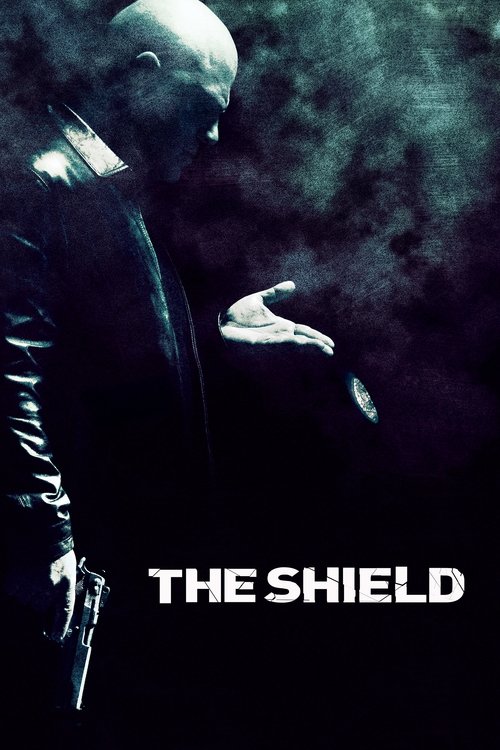
7. The Shield
FX burst onto the scene with *The Shield*, a show that tore down the 'good cop' trope and introduced a protagonist who was undeniably effective but morally corrupt. This was serialized storytelling at its most intense, pulling you into Vic Mackey’s world where lines blurred constantly. It was gritty, provocative, and uncompromising, proving that cable networks were ready to tell anti-hero stories with cinematic scope and a relentless pace, shaping the next decade of television.
8 / 11
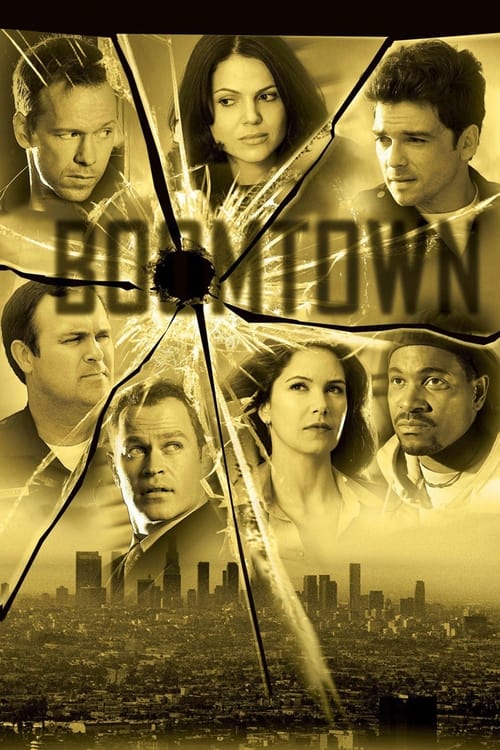
8. Boomtown
This show was an absolute masterclass in narrative structure, telling crime stories from multiple perspectives – cop, victim, perpetrator, reporter – often out of chronological order. It was ambitious, complex, and demanded attention, feeling more like a feature film broken into episodes than a standard procedural. *Boomtown* proved television could be wildly experimental with its form while still delivering compelling, character-driven drama, truly pushing cinematic techniques onto the small screen.
9 / 11

9. Dead Like Me
Before everyone was dealing with the afterlife, *Dead Like Me* offered a darkly comedic, existential take on grim reapers collecting souls. It blended quirky humor with profound questions about life and death, anchored by a wonderfully cynical protagonist. This show was a prime example of Showtime stepping up its game with a distinct, serialized voice, proving that genre shows could be both offbeat and emotionally resonant, far beyond standard network fare.
10 / 11
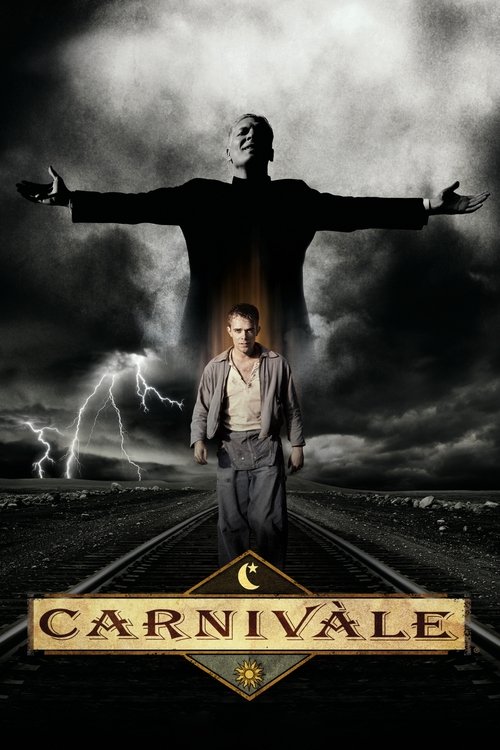
10. Carnivàle
Carnivàle was an HBO gamble of epic proportions: a Depression-era saga steeped in mysticism, good vs. evil, and a traveling carnival. Its cinematic scope, intricate mythology, and painstaking period detail were unlike anything seen on television before. It was slow-burn, atmospheric, and utterly unique, pushing the boundaries of what a serialized drama could achieve artistically, even if its ambition ultimately outpaced its run. A true prestige outlier.
11 / 11
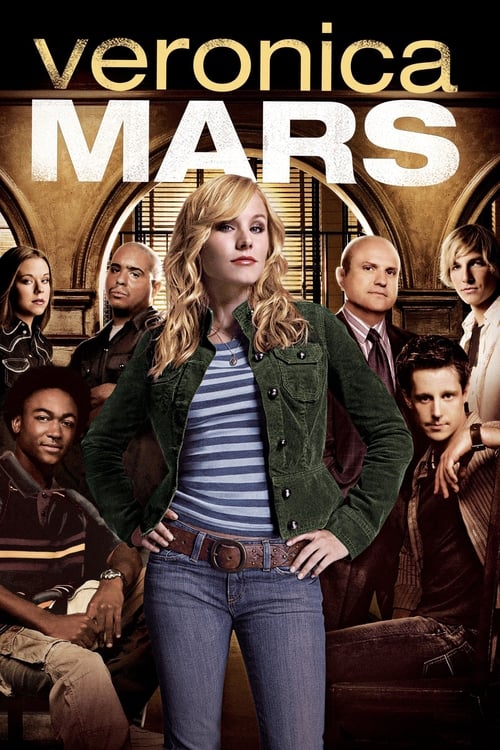
11. Veronica Mars
This show took the high school drama and fused it with a hardboiled detective noir, creating something remarkably fresh. Kristen Bell’s Veronica was a sharp, cynical lead navigating both teenage angst and complex mysteries, often serialized over an entire season. It demonstrated that network television could deliver sophisticated, character-driven storytelling with a unique voice, building a dedicated fanbase long before streaming made cult hits commonplace, proving network TV still had some tricks left.