

1 / 8
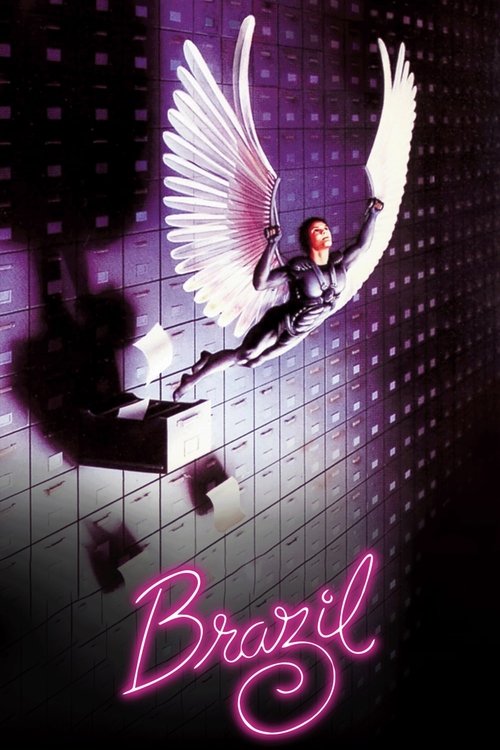
1. Brazil
Terry Gilliam's 1985 vision remains a benchmark for dystopian satire, a bureaucratic nightmare wrapped in surrealist splendor. Sam Lowry's quest for individuality in a dehumanized system is both hilarious and heartbreaking. The film's elaborate production design and dream sequences create a uniquely oppressive yet whimsical world, reflecting profound anxieties about control and conformity that resonate even more acutely today.
2 / 8
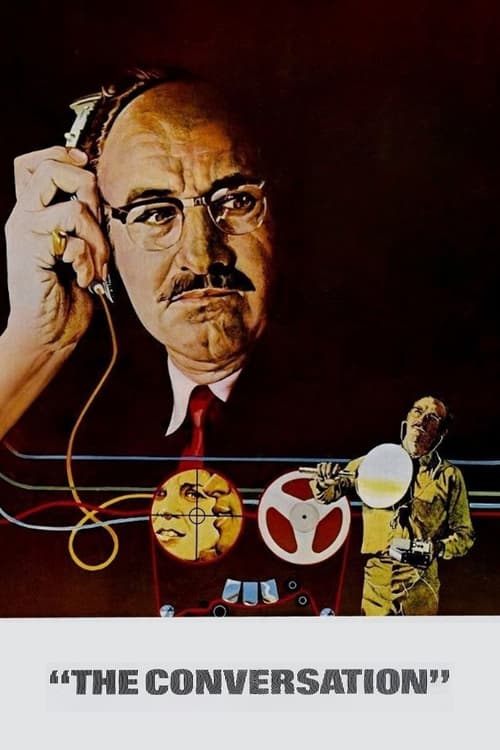
2. The Conversation
Francis Ford Coppola’s 1974 psychological thriller is a masterclass in tension and moral decay. Gene Hackman's Harry Caul, a surveillance expert, becomes entangled in the lives he observes, leading to chilling paranoia. It's a deep exploration of privacy, guilt, and the ethical implications of technology, predating widespread digital surveillance yet feeling remarkably prescient in its quiet, unsettling dread.
3 / 8
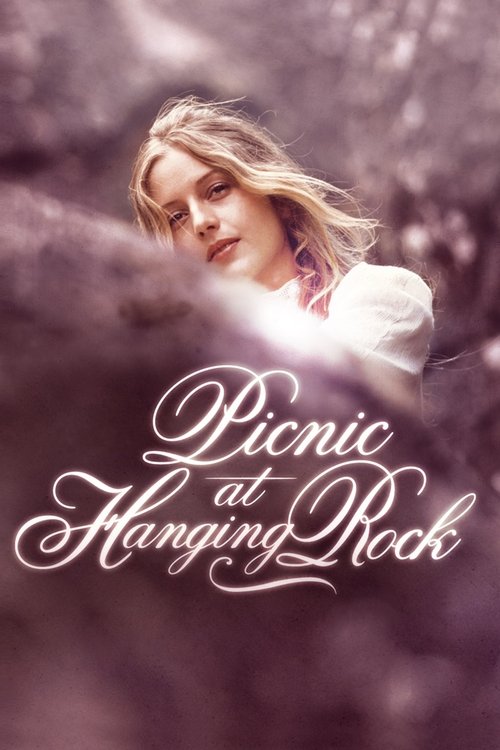
3. Picnic at Hanging Rock
Peter Weir's 1975 film is less a mystery to be solved and more an atmospheric, unsettling meditation on loss and the unknowable. The disappearance of schoolgirls at Hanging Rock on Valentine's Day, 1900, permeates the sun-drenched Australian landscape with a profound sense of dread. Its dreamlike pacing and ethereal beauty evoke a primal, almost pagan, mystery that lingers long after the credits roll.
4 / 8

4. A Woman Under the Influence
John Cassavetes’ 1974 independent cinema landmark offers an unflinching, visceral portrait of mental illness and marital strain. Gena Rowlands delivers an astonishing performance as Mabel, a woman struggling with her emotional state, while Peter Falk plays her devoted but bewildered husband. Its raw, improvisational style blurs the line between fiction and documentary, creating an intensely intimate and often painful look at human connection.
5 / 8
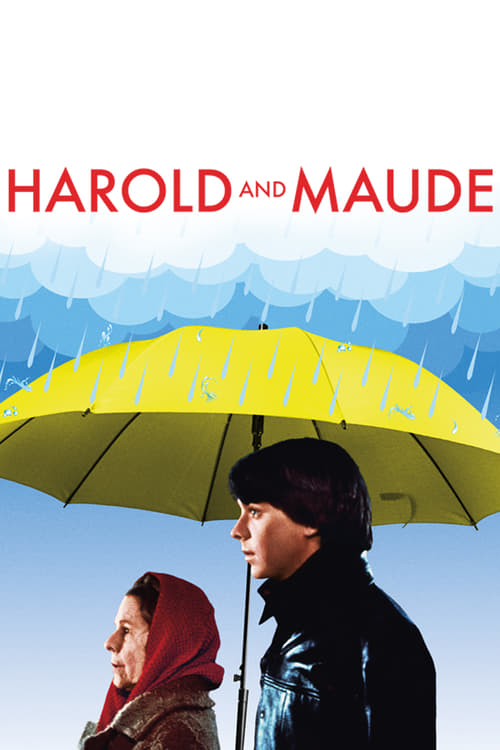
5. Harold and Maude
Hal Ashby’s 1971 cult classic is a wonderfully eccentric and tender black comedy about life, death, and unconventional love. The morbid Harold finds an unlikely soulmate in the life-affirming octogenarian Maude. Their unique bond defies societal norms, celebrating individuality and the joy of living each moment. It's a poignant, darkly humorous, and ultimately uplifting exploration of finding connection in unexpected places.
6 / 8
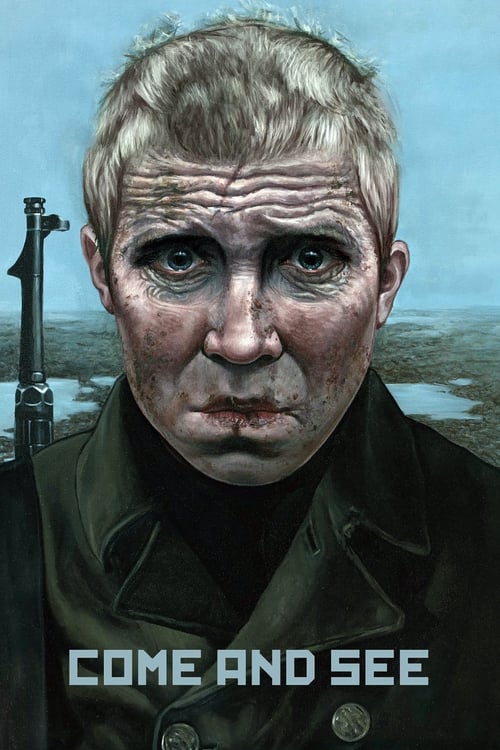
6. Come and See
Elem Klimov’s 1985 Soviet film is not merely a war movie; it's a harrowing, almost hallucinatory plunge into the psychological and physical devastation of the Eastern Front. Seen through the eyes of a young boy, Flyora, it depicts the atrocities with unflinching realism, pushing the boundaries of cinematic trauma. The film’s relentless brutality and surreal imagery leave an indelible, utterly chilling impression.
7 / 8
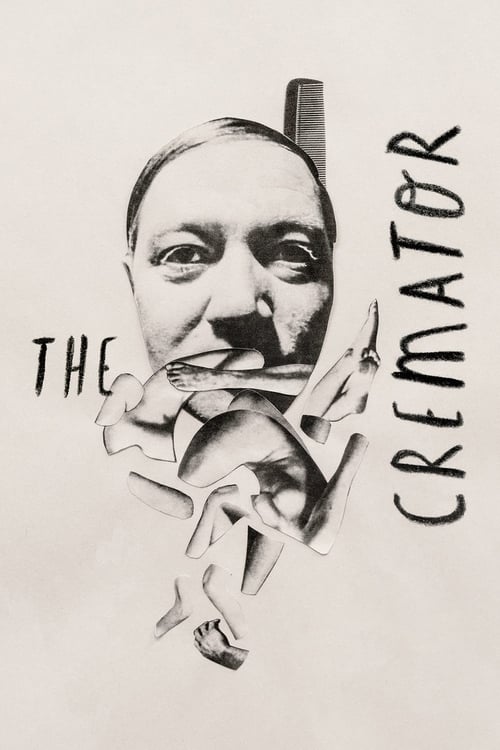
7. The Cremator
Juraj Herz’s 1969 Czechoslovak New Wave gem is a chilling, darkly comedic descent into madness, framed against the backdrop of the Holocaust. Karl Kopfrkingl, a cremator, embraces fascism with increasingly macabre zeal, convinced he's liberating souls. Its expressionistic cinematography and unsettling score create a uniquely disturbing atmosphere, a grotesque and unforgettable parable about evil masquerading as salvation.
8 / 8

8. The Man Who Fell to Earth
Nicolas Roeg’s 1976 science fiction art film is an intoxicating, enigmatic exploration of alienation and consumerism, anchored by David Bowie's iconic performance as Thomas Jerome Newton. An alien arriving on Earth to save his dying planet, Newton becomes entangled in human vice and corporate greed. The film's fragmented narrative and striking visuals create a dreamlike, melancholic meditation on identity and humanity's destructive nature.