

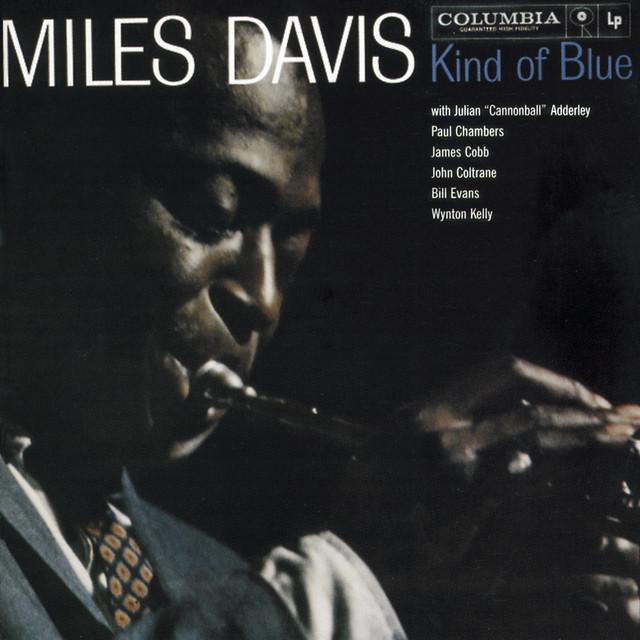
1. Kind Of Blue
This ain't just jazz; it's the bedrock. Miles Davis, man, he ripped up the bebop rulebook here, steering into modal territories with a cool, almost spiritual detachment. It felt less like frantic improvisation and more like a collective breath, each note hanging in the air with purpose. Even six decades on, the way Coltrane and Adderley weave through those simple scales still sounds like the future. It's a masterclass in controlled rebellion, a blueprint for any musician seeking depth.
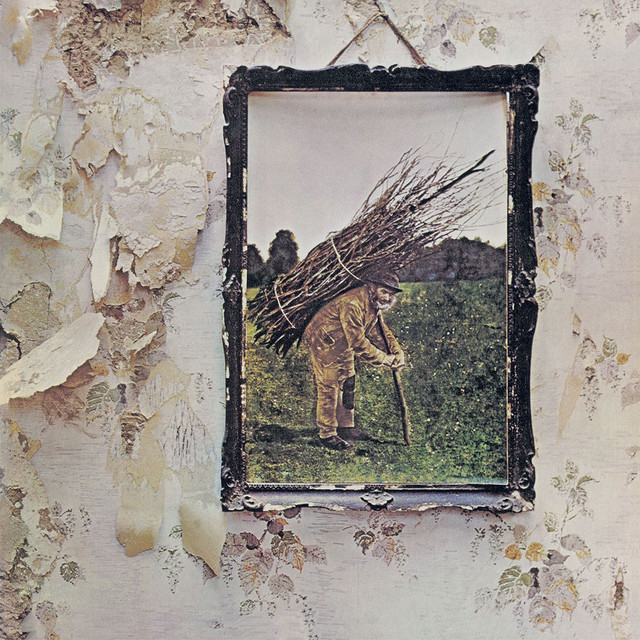
2. Led Zeppelin IV (Remaster)
Zeppelin IV, even remastered, still hits you like a freight train. They were pulling from the deepest blues, then twisting it into something monstrously heavy, yet equally ethereal with those folk leanings. "Black Dog" felt like pure, unadulterated rock 'n' roll swagger, while "Stairway" became the anthem, a prog-folk journey that built to a crushing, electric climax. This was foundational metal, alright, but with a grandeur that few could touch. It just roared.
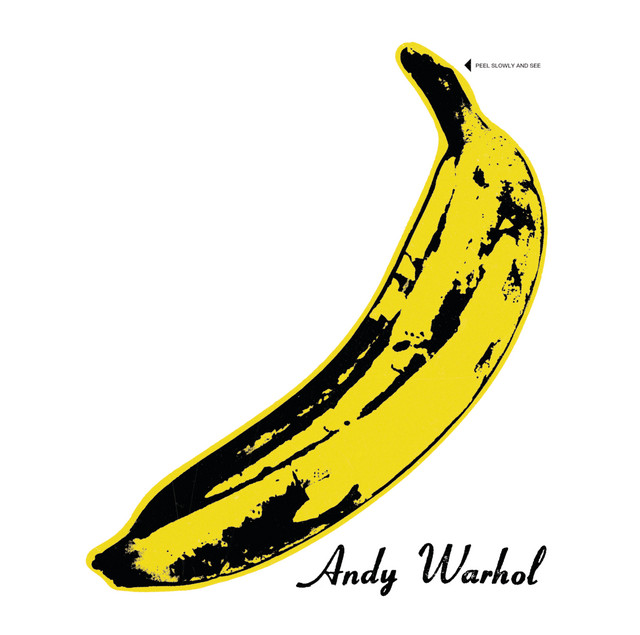
3. The Velvet Underground & Nico 45th Anniversary
This record, with its peeled-banana cover, was a stick of dynamite tossed into the polite rock scene. Lou Reed and Cale, they dragged the gritty underbelly of New York into the light, channeling a kind of drone-inflected minimalism that felt both dangerous and utterly compelling. Nico's detached vocals added to the unsettling beauty. It was raw, uncompromising, and sounded nothing like what came before, laying down a blueprint for punk and post-punk's confrontational spirit.
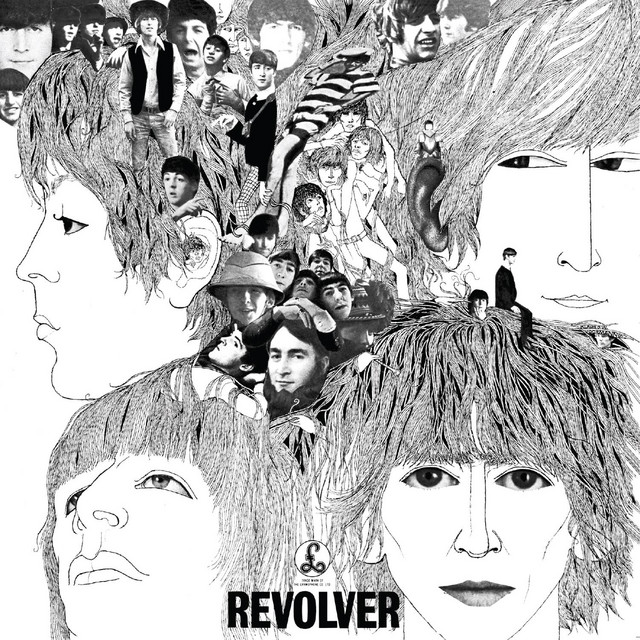
4. Revolver (Remastered)
The Beatles, man, they weren't just writing pop songs anymore. Revolver was where they really started twisting the studio into an instrument, pushing boundaries with tape loops, backward guitars, and a hallucinatory production. It was still pop, sure, but infused with a psychedelic, almost avant-garde spirit that blew open what a rock band could do. From the brass of "Got to Get You into My Life" to the sitar in "Love You To," it felt like the whole world was spinning.
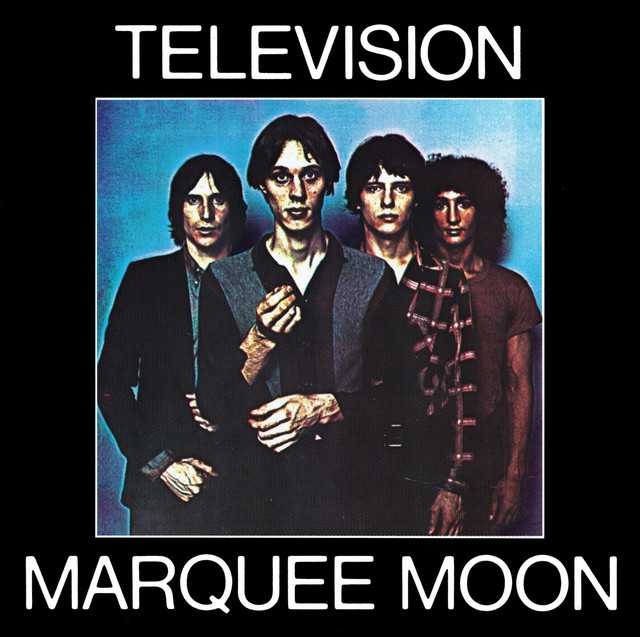
5. Marquee Moon
Television’s Marquee Moon, now that was something else. It took the raw energy of punk, but then filtered it through an intellectual, almost jazz-like precision. Verlaine and Lloyd's guitar interplay wasn't about crunch; it was about intertwining lines, sharp angles, and an urban melancholia that felt utterly new. It stretched out, elongated, creating a hypnotic tension. A true post-punk cornerstone, carving out a space for thought amidst the noise.
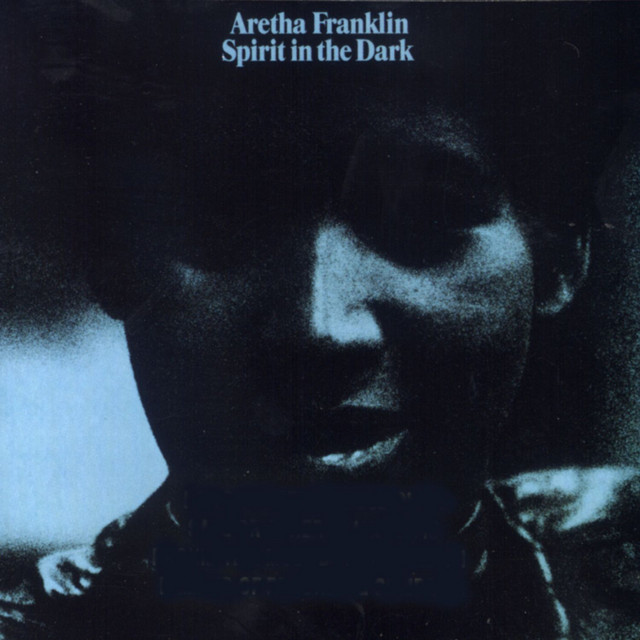
6. Spirit in the Dark
Aretha Franklin, the Queen of Soul, stripped it back here, delivering a record that just oozed raw, gospel-infused emotion. "Spirit in the Dark" isn't about polish; it's about the grit, the sweat, and the sheer power of her voice channeling the blues and spirituals directly into your core. It felt incredibly personal, deeply rooted in the church, yet universally human. A testament to soul music's ability to heal and uplift, without ever sounding saccharine.
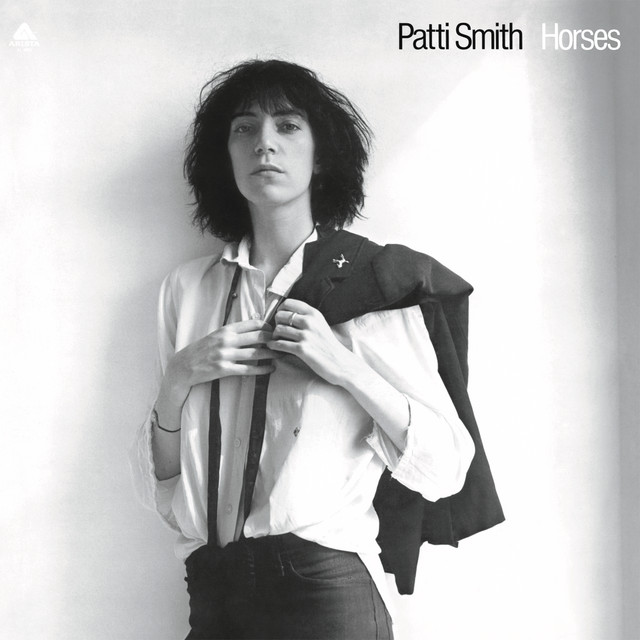
7. Horses
Patti Smith's Horses, that record just exploded with an untamed, visceral energy. She fused beat poetry with raw, garage-rock aggression, spitting out words like incantations over Lenny Kaye's primal guitar. It wasn't just punk; it was intellectual punk, a declaration of independence that felt both ancient and utterly modern. She wasn't just singing; she was testifying, channeling a raw nerve that would inspire countless artists to come. Pure, unadulterated passion.
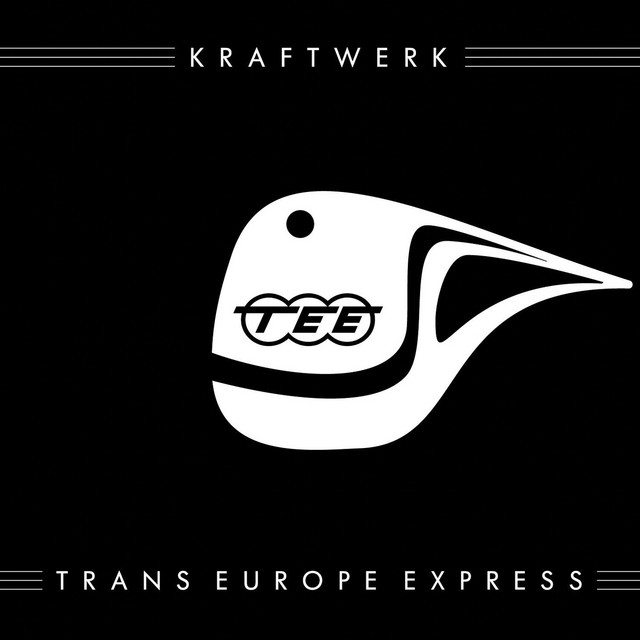
8. Trans-Europe Express (2009 Remaster)
Kraftwerk, man, they built the future on "Trans-Europe Express." This wasn't rock 'n' roll; it was meticulous, industrial-strength electronic minimalism, a sleek, rhythmic journey through a mechanized Europe. They made machines sing with a precision and coolness that felt utterly alien yet compelling. It laid the blueprint for synth-pop, early house, and industrial music, proving that emotion could be found in the cold, hard logic of circuits. Revolutionary, no doubt.
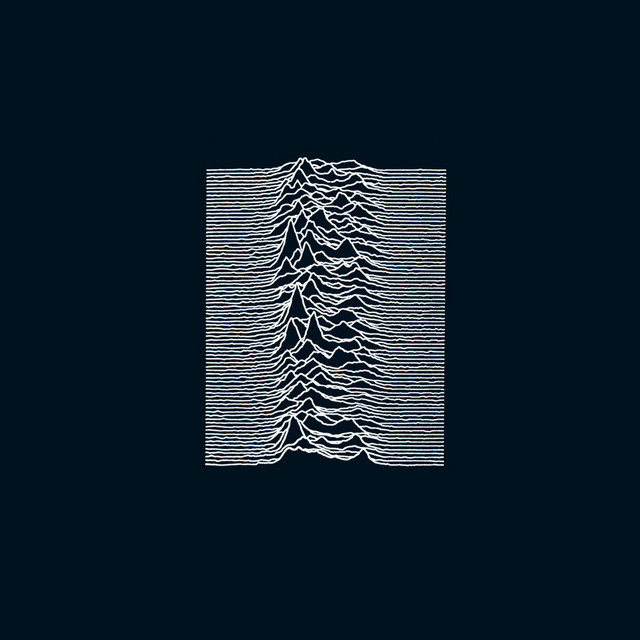
9. Unknown Pleasures
Joy Division's "Unknown Pleasures" is a masterclass in stark, atmospheric post-punk. Ian Curtis's baritone, that sparse, propulsive rhythm section, and Hooky's high-register bass lines created a soundscape of urban dread and existential angst. Martin Hannett's production turned the studio into another instrument, amplifying the emptiness and the cold. It was a bleak vision, sure, but one that reverberated with a profound, almost industrial beauty, shaping the darker side of rock.
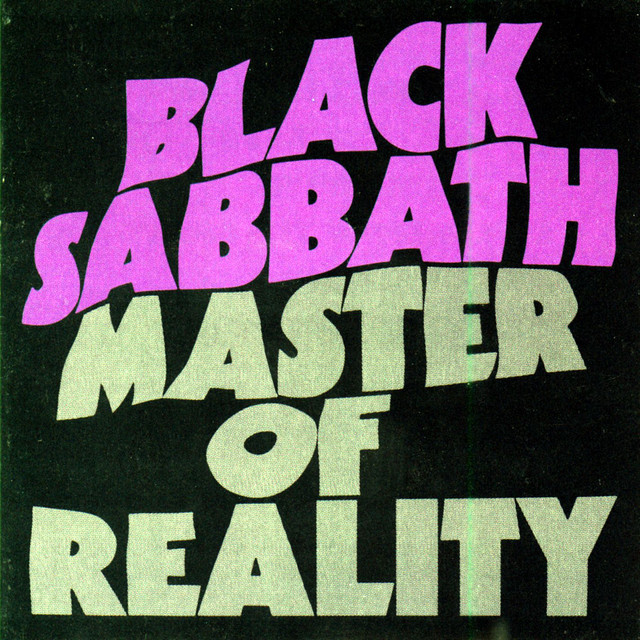
10. Master of Reality (2014 Remaster)
Black Sabbath, "Master of Reality." This is where metal really started to find its monolithic, sludgy groove. Tony Iommi’s downtuned riffs were like concrete blocks, heavy as sin, and Ozzy's vocals, well, they just floated over that primal dirge. They took the blues, slowed it to a crawl, and imbued it with a crushing, almost suffocating weight. This wasn't just hard rock; it was the birth of doom, a blueprint for generations of headbangers.
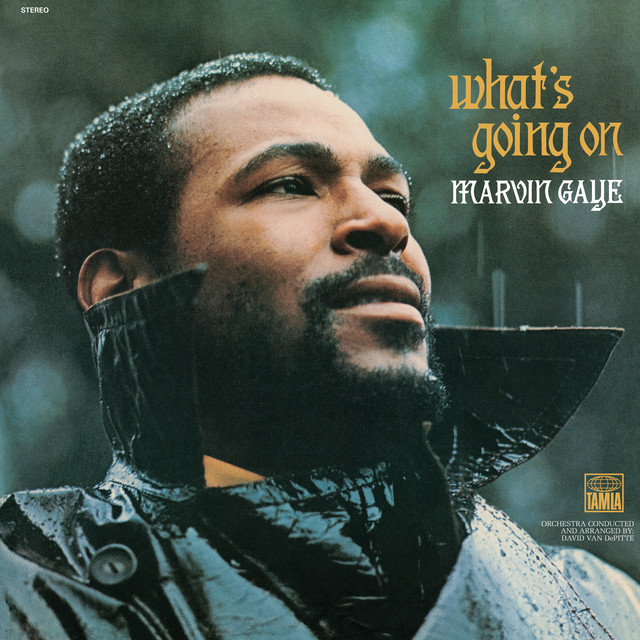
11. What's Going On
Marvin Gaye, with "What's Going On," transcended mere soul music. He wove together lush orchestration, jazz inflections, and those incredible, layered vocals to create a poignant social commentary. It was smooth, yes, but beneath the gorgeous surface lay a deep plea for understanding and peace, tackling war, poverty, and environmental decay. This wasn't just a collection of songs; it was a spiritual meditation, a protest that still resonates with urgency.