1. Max Headroom
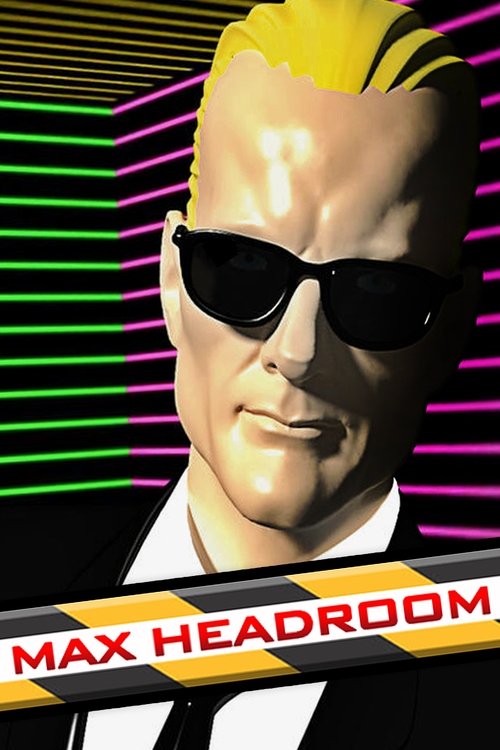
Max Headroom was this jarring, glitchy vision of a future that felt like it was already here. It wasn't just a show; it was a digital hallucination, a sneering, stuttering avatar of media overload. The whole thing screamed proto-cyberpunk, a broadcast from a world where information was currency and rebellion came with static. And that practical effect for Max? Blew my mind. It felt dangerous, like it could melt your screen. It defined the weird side of syndicated sci-fi.
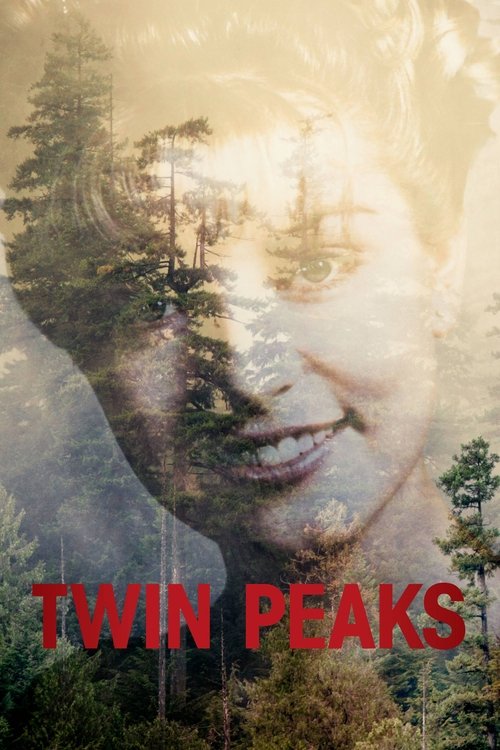
2. Twin Peaks
Twin Peaks didn't just bend genres, it twisted them into a pretzel logic. Lynch gave us this small-town murder mystery wrapped in dream logic and soap opera theatrics, all soaked in a dark, unsettling atmosphere. You had your coffee, your cherry pie, and then some terrifying, inexplicable woodsman showing up. It felt like watching a fever dream unfold on prime time, pushing the limits of what network TV dared to broadcast. And it changed everything.
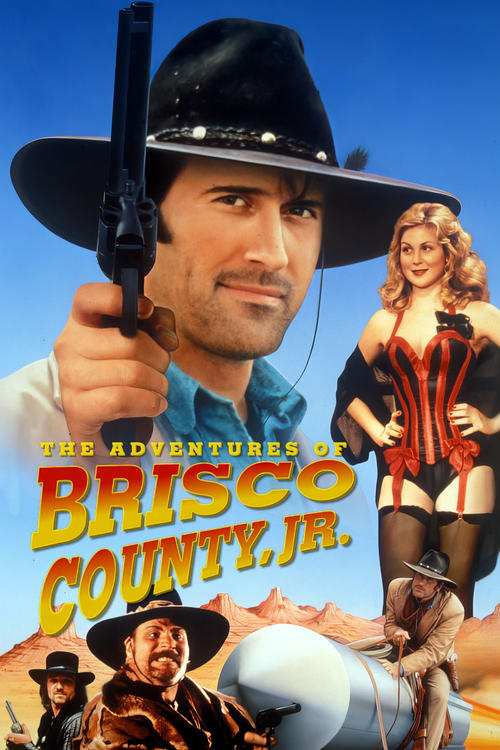
3. The Adventures of Brisco County, Jr.
Brisco County, Jr. was pure pulp gold, a sci-fi western before anyone knew what that even meant. Bruce Campbell, riding that fine line between earnest hero and goofball, chasing down artifacts in the Old West. It had this incredible, serialized adventure vibe, with a healthy dose of practical effects and a witty, self-aware script. It was a show that knew how to have fun, blending genres like a mad scientist. Too bad it was gone too soon.
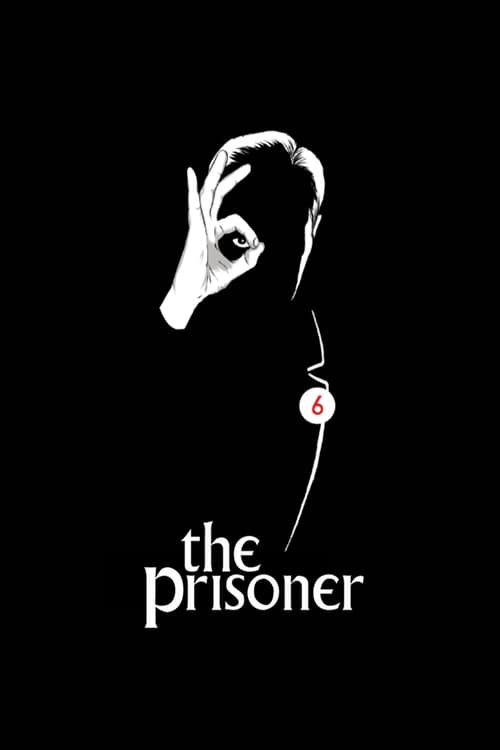
4. The Prisoner
The Prisoner was a whole other level of paranoia and existential dread, beamed straight from the past but feeling perpetually relevant. Number Six, trapped in that bizarre, idyllic village, fighting an unseen authority that wanted his identity. It was a masterclass in psychological warfare, a constant mind-game played out with surreal imagery and iconic catchphrases. This show didn't just question authority; it made you question reality itself. And that giant ball? Pure nightmare fuel.
5. Liquid Television
Liquid Television was MTV's chaotic, experimental playground, a glorious mess of animation styles and short-form anarchy. It birthed Beavis and Butt-Head, sure, but it was so much more. This was where artists got to throw weird, punk-rock ideas at the screen, pushing boundaries with analog effects and bizarre narratives. It felt like flipping through channels in a dream, catching glimpses of something truly new and utterly unhinged before it vanished. Pure creative freedom.
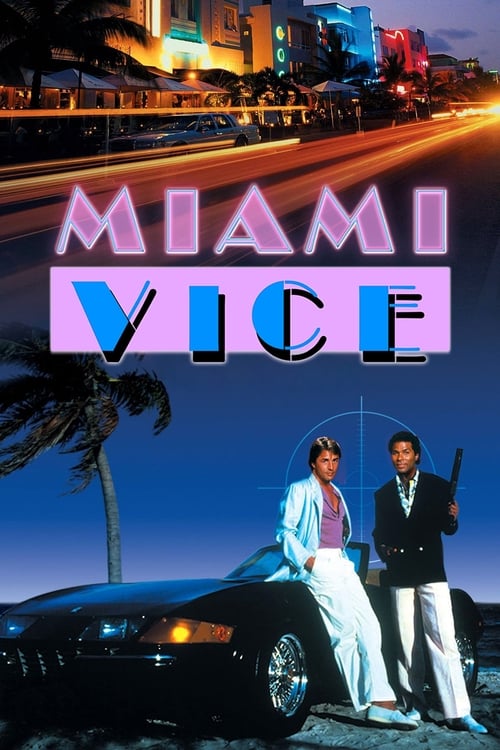
6. Miami Vice
Miami Vice was a fashion show with a police badge, a neon-soaked, pastel-drenched fever dream set to the hottest synth-pop. It looked like a music video, felt like a movie, and smelled like expensive cologne and desperation. Crockett and Tubbs were style icons, but beneath the flashy suits and fast boats, there was a real grittiness, a dark underbelly. It turned crime drama into an art form, proving that aesthetics could carry a whole damn show.