
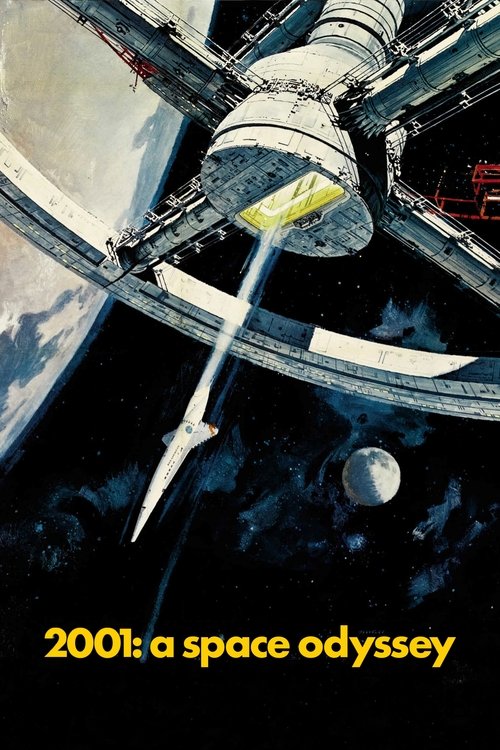
1. 2001: A Space Odyssey
Kubrick's vision, based on Clarke's short story, transcended its source. It wasn't merely an adaptation; it was an interpretation that pushed the boundaries of cinematic storytelling, using abstraction and monumental visuals to explore human evolution and artificial intelligence with an almost religious reverence. The film's profound silence and deliberate pacing demand a unique engagement, something a literal translation could never achieve. It demonstrates that true adaptation often means departing from the text to capture its spirit anew.
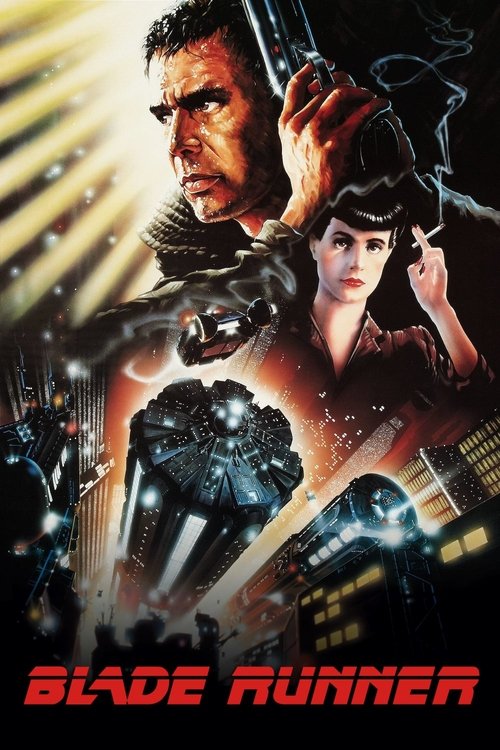
2. Blade Runner
Ridley Scott's adaptation of Philip K. Dick's "Do Androids Dream of Electric Sheep?" famously diverged, yet captured the author's existential dread and neo-noir aesthetic. Scott, as auteur, layered a rain-drenched, decaying future onto Dick's philosophical questions, creating a visual language that defined cyberpunk. The film proved that the *feel* of a narrative, its thematic core, could be more powerfully conveyed through visual and atmospheric means than by strict adherence to plot, offering a meditation on humanity more profound than its source.
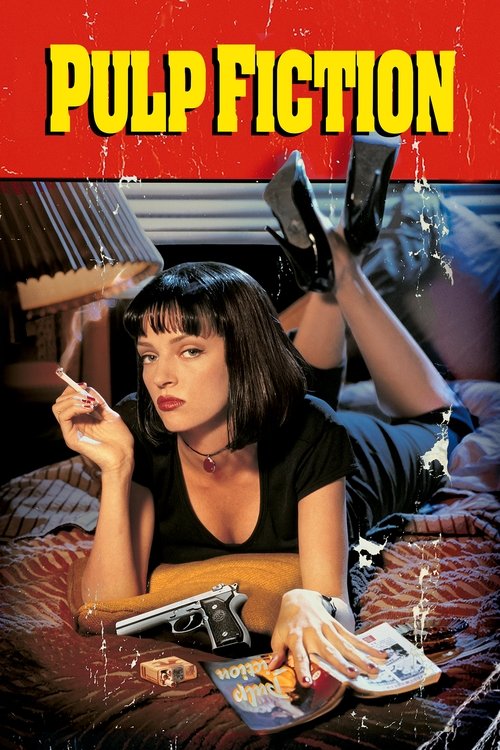
3. Pulp Fiction
Quentin Tarantino's mosaic narrative structure, while not an adaptation in the traditional sense, adapts various cinematic tropes and genres into something wholly original. It pulls from forgotten crime films, B-movies, and television, recontextualizing them through his distinctive dialogue and non-linear storytelling. The film demonstrates how a director can 'adapt' cultural fragments and genre conventions, weaving them into a cohesive, influential work that comments on the very fabric of cinematic history, elevating pastiche to high art.
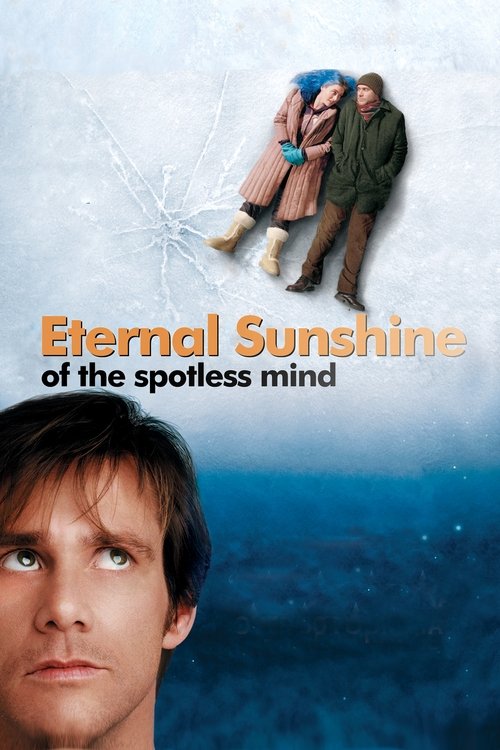
4. Eternal Sunshine of the Spotless Mind
Charlie Kaufman's screenplay, directed by Michel Gondry, is an original work that critiques the very notion of 'fixing' emotional pain, a concept often simplified in adaptations. Its fragmented, dreamlike structure is inherently cinematic, exploring memory and loss in a way that prose struggles to replicate. The film's genius lies in its ability to externalize internal chaos, a testament to how original narratives can push emotional and psychological boundaries without the constraints or expectations of a pre-existing text.
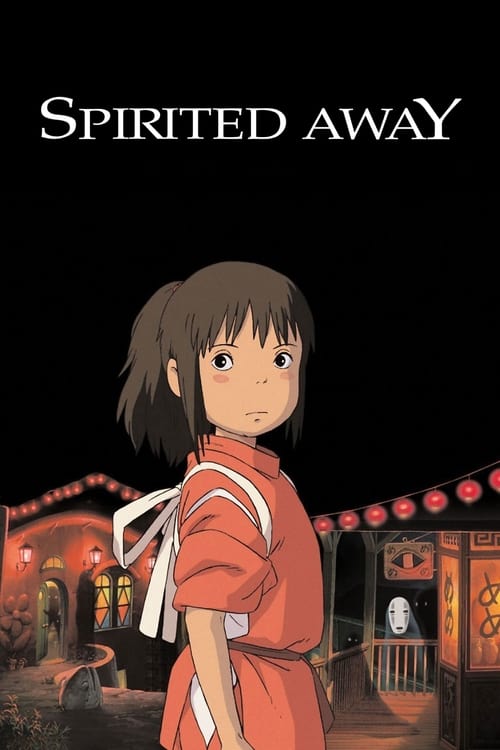
5. Spirited Away
Hayao Miyazaki's masterpiece is an original story, yet it adapts and reinterprets ancient Japanese folklore and Shinto beliefs into a contemporary allegory. Miyazaki's distinct animation style and thematic depth are so singular that any attempt to adapt *his* work would likely fall short. This film exemplifies how a creator can draw from a rich cultural tapestry, transforming familiar motifs into a deeply personal and universally resonant narrative, proving that true artistry often stems from synthesis rather than mere translation.
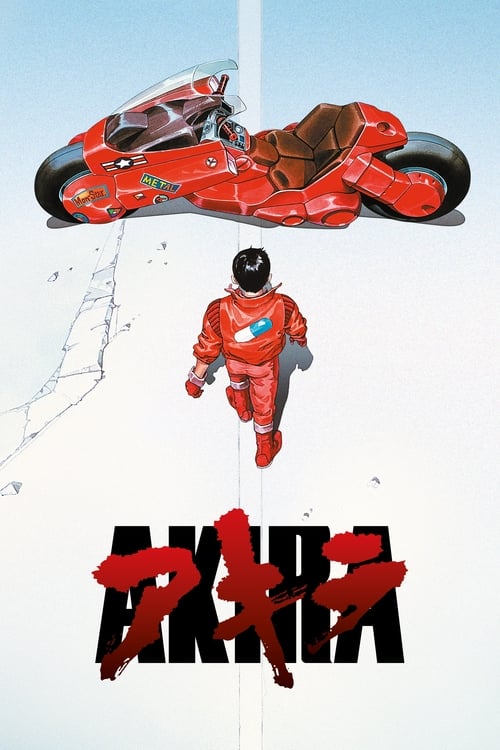
6. Akira
Katsuhiro Otomo's cinematic adaptation of his own manga demonstrates the formidable challenge of translating a sprawling graphic novel into a two-hour film. While the anime is a landmark achievement in animation and cyberpunk, it necessarily streamlined and altered the source material's complex narrative and character arcs. *Akira* underscores that even an auteur adapting their own work must make difficult choices, illustrating how the constraints of a new medium inherently reshape the original vision, sometimes for better, sometimes with unavoidable concessions.
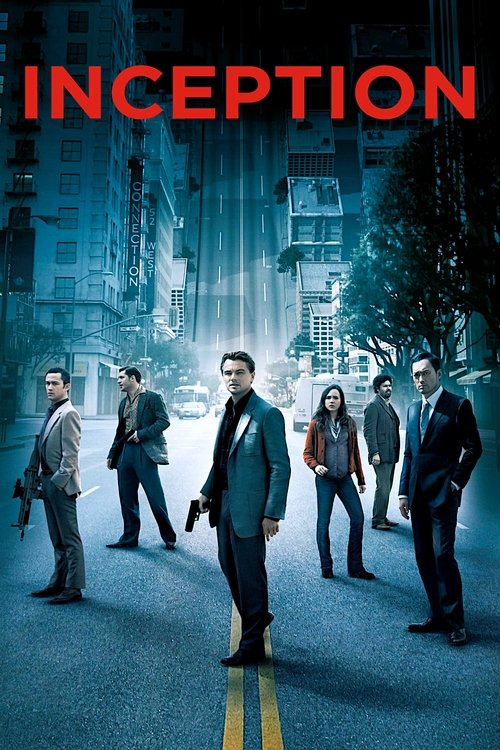
7. Inception
Christopher Nolan's original screenplay delves into the architecture of the mind and dreams, a concept often explored in literature but rarely with such intricate cinematic execution. The film's layered narrative and visual complexity are designed for the screen, creating an immersive experience that challenges audience perception. It suggests that certain ideas are intrinsically cinematic, requiring visual metaphors and elaborate set pieces to fully realize their potential, making the very idea of a literary adaptation almost secondary to its inherent visual storytelling.
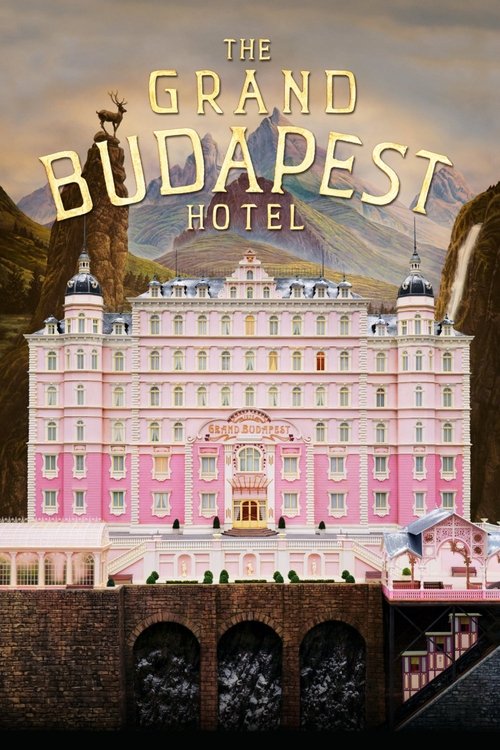
8. The Grand Budapest Hotel
Wes Anderson's film, while not a direct adaptation of a single novel, draws heavily from the writings of Stefan Zweig, particularly his melancholic view of a vanishing pre-war European elegance. Anderson adapts a *mood* and *historical sensibility* rather than a plot, filtering it through his distinctive, meticulously crafted aesthetic and whimsical storytelling. This approach showcases how an auteur can distill the essence of an author's entire body of work into a new, visually distinct narrative, transcending direct textual fidelity.
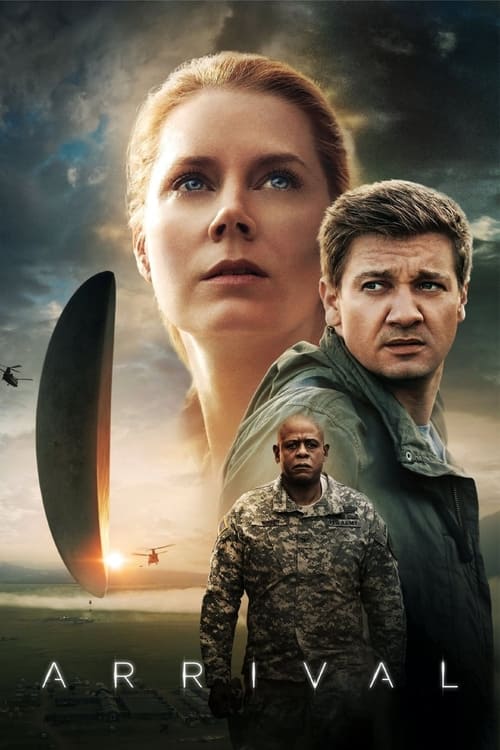
9. Arrival
Denis Villeneuve's adaptation of Ted Chiang's short story "Story of Your Life" is a masterclass in translating complex philosophical concepts into compelling visual narrative. While it maintains the core premise, Villeneuve and screenwriter Eric Heisserer expanded the emotional and visual scope, making the abstract notion of non-linear time deeply personal. The film proves that successful adaptation isn't about literal translation, but about understanding the source's thematic heart and finding new cinematic language to make it resonate powerfully on screen.
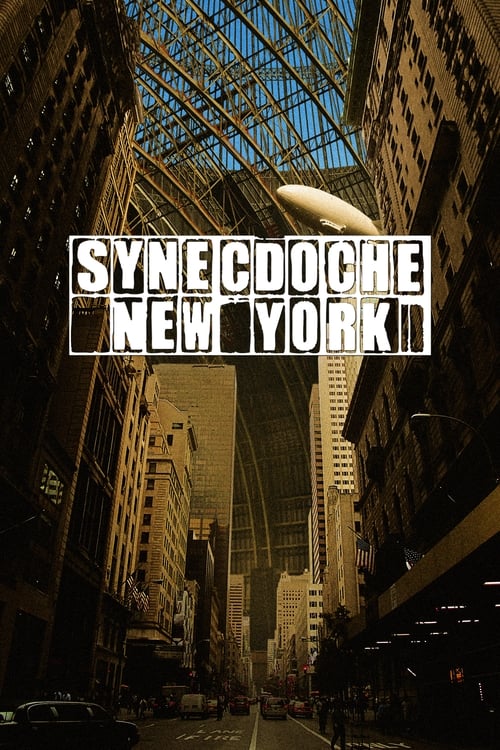
10. Synecdoche, New York
Charlie Kaufman's directorial debut is an original work that confronts the very act of creation and adaptation within art. The protagonist's attempt to stage a colossal, hyper-realistic play about his life becomes a tragic, endless adaptation of reality itself. This film exposes the inherent futility and profound beauty in trying to perfectly replicate or adapt life, art, or even oneself, demonstrating how the medium — in this case, film — can reflect on its own limitations and aspirations.