1 / 7

1. Tetris (1984)
Before the internet, Tetris was already a global phenomenon, a simple yet profoundly addictive puzzle. Born behind the Iron Curtain, its elegant design proved universal, transcending language and culture. This game wasn't just about clearing lines; it was about imposing order on chaos, a digital meditation that captivated millions on every imaginable device. And so, it etched itself into the very fabric of gaming.
2 / 7
2. Super Mario Bros.
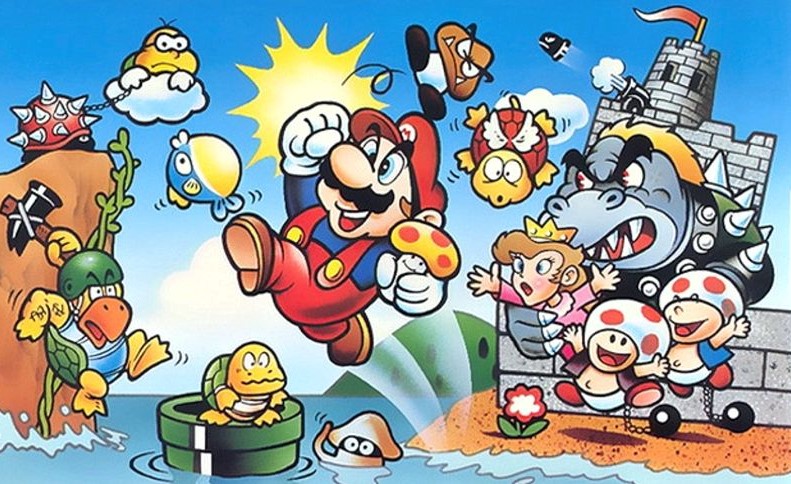
When Super Mario Bros. launched, it wasn't just a game; it was a cultural reset for home consoles. Its vibrant world, innovative level design, and the sheer joy of controlling Mario established the blueprint for platformers. This title, in many ways, saved the video game industry from its early-80s slump, proving that interactive entertainment could be both accessible and endlessly imaginative. It defined generations of players.
3 / 7
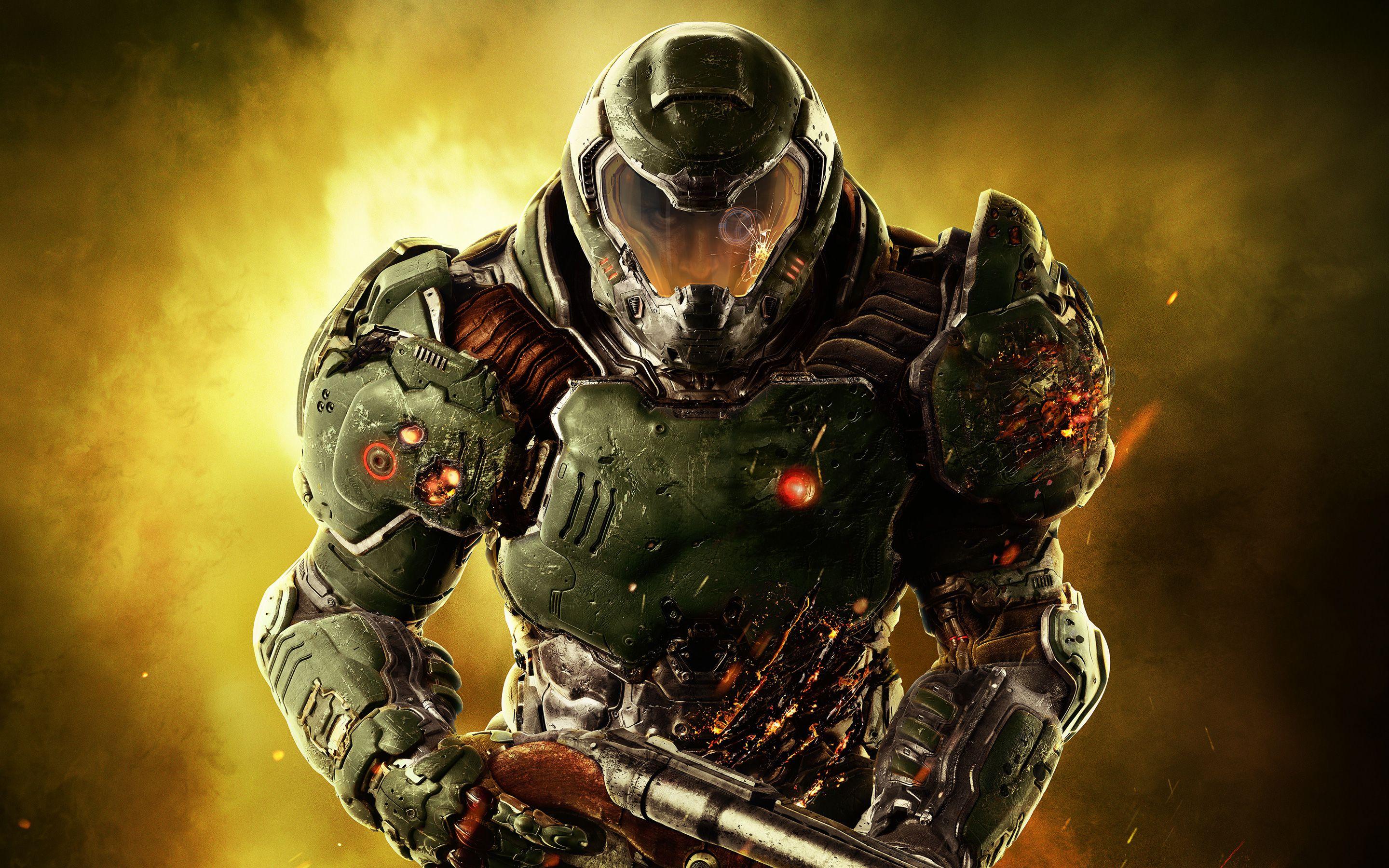
3. DOOM (2016)
Reviving a legend is a treacherous task, yet DOOM (2016) didn't just meet expectations; it obliterated them. This wasn't a nostalgic rehash, but a visceral, relentless masterclass in first-person shooter design. It emphasized aggressive, momentum-based combat, pushing players to stay in motion, rip and tear through demons. And so, it reminded an entire generation why the genre’s roots were so potent, delivering pure, unadulterated adrenaline.
4 / 7
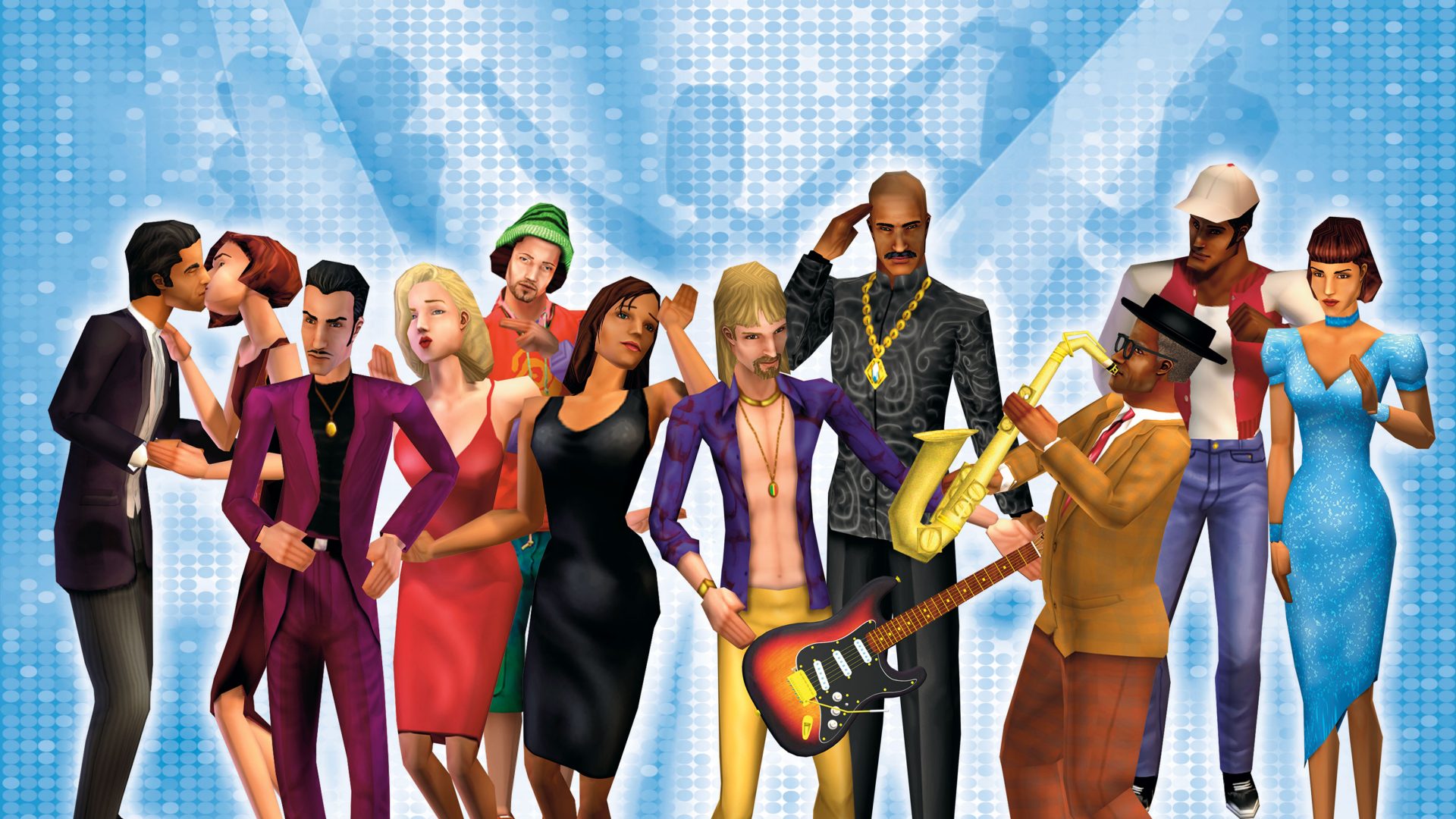
4. The Sims
The Sims offered something fundamentally different: a digital dollhouse where players became architects of virtual lives. It wasn't about winning; it was about storytelling, about building, about the mundane and the melodramatic. From creating dream homes to orchestrating social dramas, it reflected and amplified our own aspirations and anxieties. And so, it blurred the lines between game and social experiment, shaping a generation’s understanding of digital agency.
5 / 7
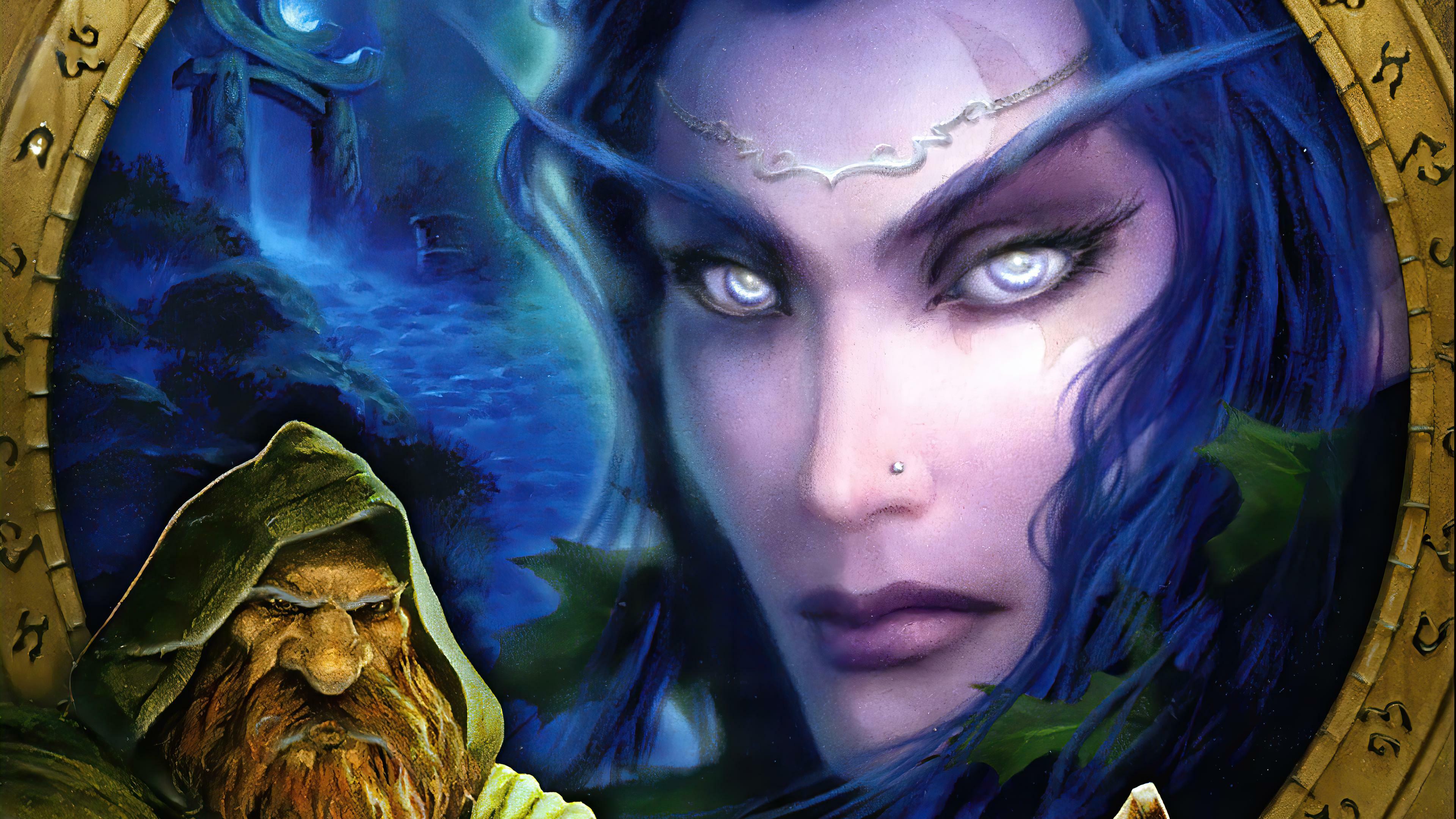
5. World of Warcraft
For years, World of Warcraft wasn't just a game; it was a second life for millions. Its vast, persistent world fostered unprecedented communities, forging friendships and rivalries across continents. This massively multiplayer online experience pioneered virtual economies, complex social structures, and epic narratives that unfolded over decades. And so, it became a cultural touchstone, defining what a shared digital space could truly be, connecting people in profound ways.
6 / 7
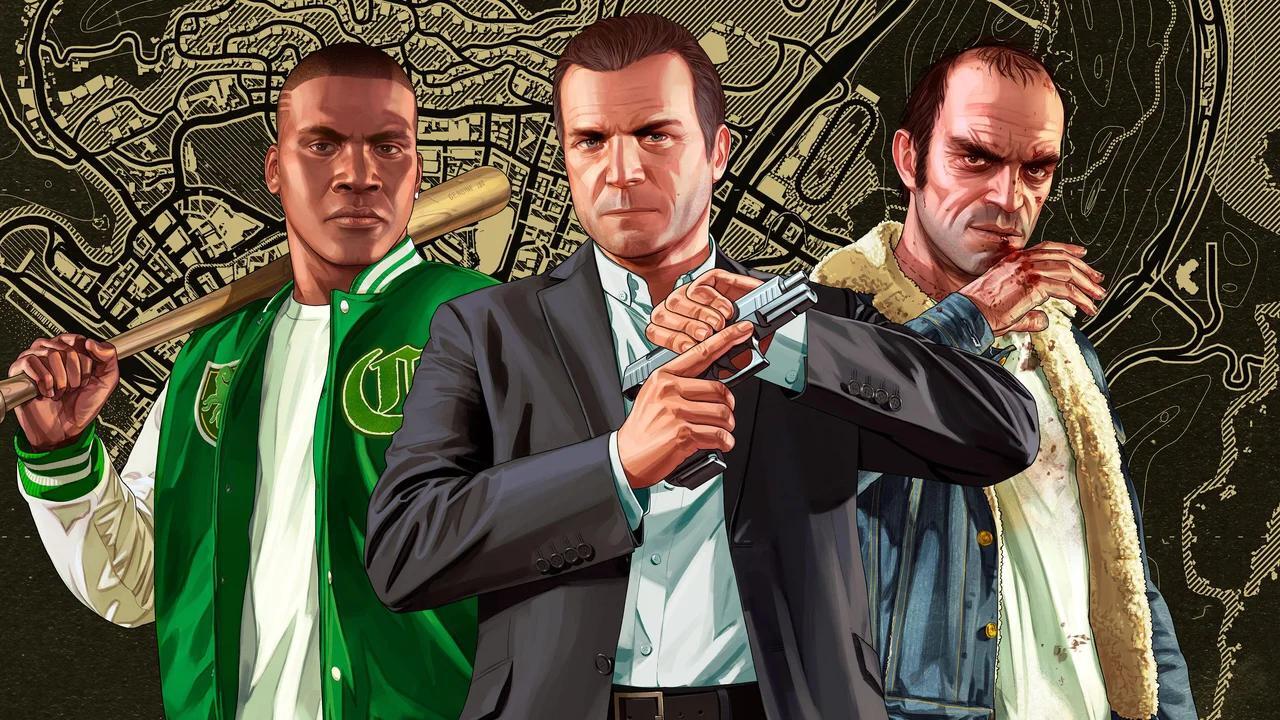
6. Grand Theft Auto V
Grand Theft Auto V pushed the boundaries of open-world design, delivering a sprawling, satirical rendition of modern America. Its narrative, woven through three distinct protagonists, offered a scathing commentary on capitalism and aspiration. But it was Grand Theft Auto Online that cemented its longevity, creating a dynamic, player-driven sandbox that continues to evolve. And so, it became more than a game, a vast digital playground influencing countless titles.
7 / 7
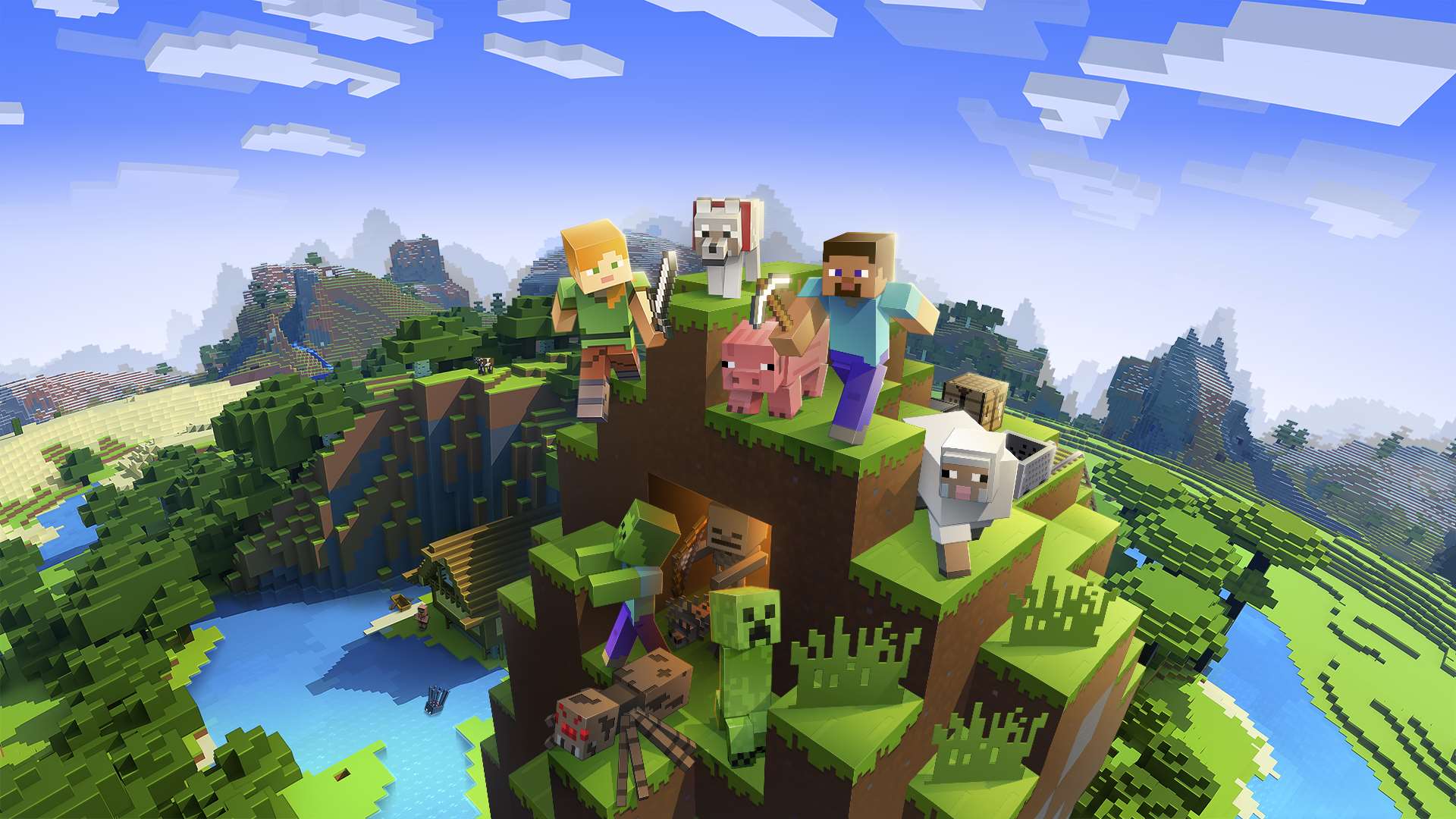
7. Minecraft
Minecraft didn't just offer a game; it offered an infinite canvas. Its blocky, procedurally generated worlds empowered players to build anything imaginable, from simple shelters to colossal cities. More than a sandbox, it fostered creativity, problem-solving, and even became an educational tool. And so, its low-fidelity graphics belied a profound impact, creating a global community of builders and explorers, defining digital play for a new generation.